Marçal Nebot

725 posts

Marçal Nebot banner
Marçal Nebot

Marçal Nebot

@mnebotm

Tecnologia, esports, educació, família i amics

Barcelona Katılım Kasım 2019
229 Takip Edilen68 Takipçiler
República de les Lletres
República de les Lletres@deleslletres·
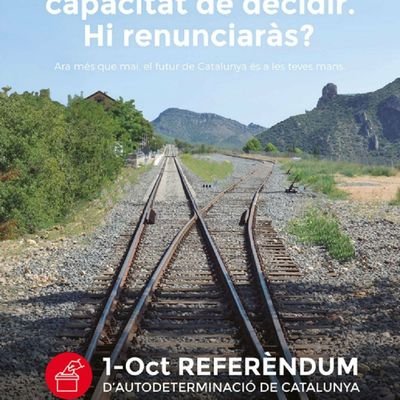
No es va dissoldre per incompetència política, ineptitud dels que la regien, desgavell intern o per voluntat dels catalans, ni per anacrònica o inoperant, tot el contrari. El 20 de març de 1925 la Mancomunitat de Catalunya va ser suprimida pel cop d'Estat de Primo de Rivera.
República de les Lletres tweet media
Català
12
485
715
11.1K
Shraddha Bharuka
Shraddha Bharuka@BharukaShraddha·
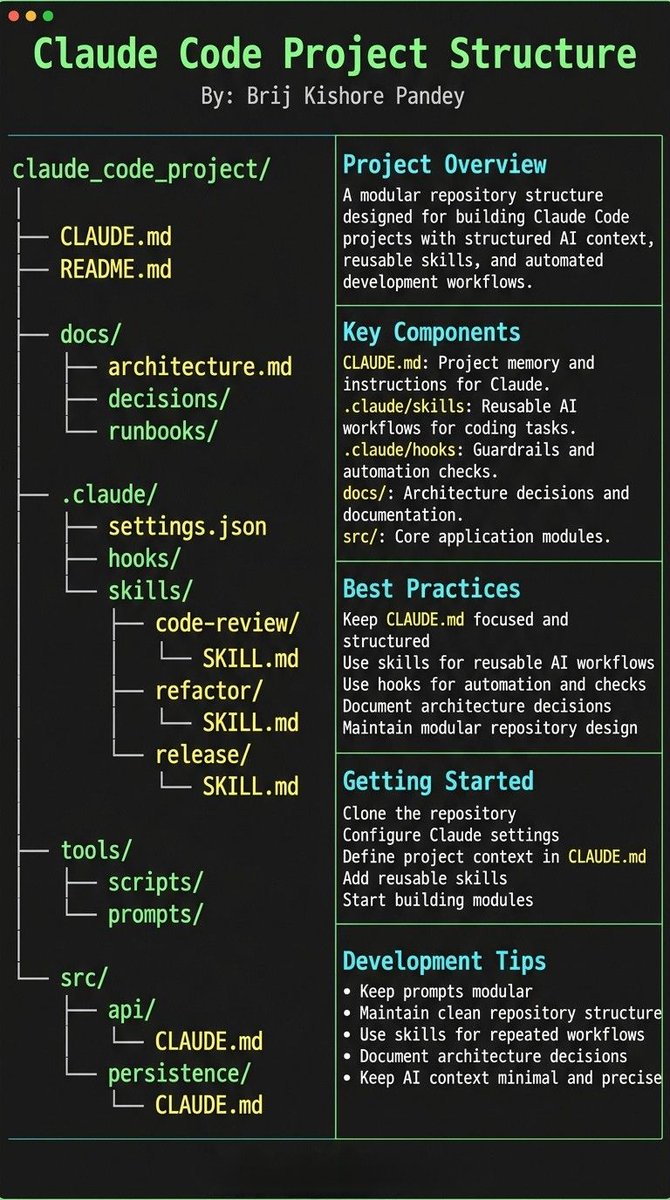
Most people treat CLAUDE.md like a prompt file. That’s the mistake. If you want Claude Code to feel like a senior engineer living inside your repo, your project needs structure. Claude needs 4 things at all times: • the why → what the system does • the map → where things live • the rules → what’s allowed / not allowed • the workflows → how work gets done I call this: The Anatomy of a Claude Code Project 👇 ━━━━━━━━━━━━━━━ 1️⃣ CLAUDE.md = Repo Memory (keep it short) This is the north star file. Not a knowledge dump. Just: • Purpose (WHY) • Repo map (WHAT) • Rules + commands (HOW) If it gets too long, the model starts missing important context. ━━━━━━━━━━━━━━━ 2️⃣ .claude/skills/ = Reusable Expert Modes Stop rewriting instructions. Turn common workflows into skills: • code review checklist • refactor playbook • release procedure • debugging flow Result: Consistency across sessions and teammates. ━━━━━━━━━━━━━━━ 3️⃣ .claude/hooks/ = Guardrails Models forget. Hooks don’t. Use them for things that must be deterministic: • run formatter after edits • run tests on core changes • block unsafe directories (auth, billing, migrations) ━━━━━━━━━━━━━━━ 4️⃣ docs/ = Progressive Context Don’t bloat prompts. Claude just needs to know where truth lives: • architecture overview • ADRs (engineering decisions) • operational runbooks ━━━━━━━━━━━━━━━ 5️⃣ Local CLAUDE.md for risky modules Put small files near sharp edges: src/auth/CLAUDE.md src/persistence/CLAUDE.md infra/CLAUDE.md Now Claude sees the gotchas exactly when it works there. ━━━━━━━━━━━━━━━ Prompting is temporary. Structure is permanent. When your repo is organized this way, Claude stops behaving like a chatbot… …and starts acting like a project-native engineer.
Shraddha Bharuka tweet media
English
159
986
6.7K
1M
Shraddha Bharuka
Shraddha Bharuka@BharukaShraddha·
Most people treat CLAUDE.md like a prompt file. That’s the mistake. If you want Claude Code to feel like a senior engineer living inside your repo, your project needs structure. Claude needs 4 things at all times: • the why → what the system does • the map → where things live • the rules → what’s allowed / not allowed • the workflows → how work gets done I call this: The Anatomy of a Claude Code Project 👇 ━━━━━━━━━━━━━━━ 1️⃣ CLAUDE.md = Repo Memory (keep it short) This is the north star file. Not a knowledge dump. Just: • Purpose (WHY) • Repo map (WHAT) • Rules + commands (HOW) If it gets too long, the model starts missing important context. ━━━━━━━━━━━━━━━ 2️⃣ .claude/skills/ = Reusable Expert Modes Stop rewriting instructions. Turn common workflows into skills: • code review checklist • refactor playbook • release procedure • debugging flow Result: Consistency across sessions and teammates. ━━━━━━━━━━━━━━━ 3️⃣ .claude/hooks/ = Guardrails Models forget. Hooks don’t. Use them for things that must be deterministic: • run formatter after edits • run tests on core changes • block unsafe directories (auth, billing, migrations) ━━━━━━━━━━━━━━━ 4️⃣ docs/ = Progressive Context Don’t bloat prompts. Claude just needs to know where truth lives: • architecture overview • ADRs (engineering decisions) • operational runbooks ━━━━━━━━━━━━━━━ 5️⃣ Local CLAUDE.md for risky modules Put small files near sharp edges: src/auth/CLAUDE.md src/persistence/CLAUDE.md infra/CLAUDE.md Now Claude sees the gotchas exactly when it works there. ━━━━━━━━━━━━━━━ Prompting is temporary. Structure is permanent. When your repo is organized this way, Claude stops behaving like a chatbot… …and starts acting like a project-native engineer.
Shraddha Bharuka tweet media
English
13
64
403
60.6K
Marçal Nebot
Marçal Nebot@mnebotm·
1) 🗣️ ask (alternatives) 2) 📅 plan (phases) 3) 🐌 act slowly and short (short PR ~< 200 LOC) 4) 🧐 review every single line (AI can help) 5) 💸 combine feature development with erasing technical debt (80% vs 20% approach)
English
0
0
0
10
Marçal Nebot
Marçal Nebot@mnebotm·
This is the way @ Let me add something …
Shraddha Bharuka@BharukaShraddha

Most people treat CLAUDE.md like a prompt file. That’s the mistake. If you want Claude Code to feel like a senior engineer living inside your repo, your project needs structure. Claude needs 4 things at all times: • the why → what the system does • the map → where things live • the rules → what’s allowed / not allowed • the workflows → how work gets done I call this: The Anatomy of a Claude Code Project 👇 ━━━━━━━━━━━━━━━ 1️⃣ CLAUDE.md = Repo Memory (keep it short) This is the north star file. Not a knowledge dump. Just: • Purpose (WHY) • Repo map (WHAT) • Rules + commands (HOW) If it gets too long, the model starts missing important context. ━━━━━━━━━━━━━━━ 2️⃣ .claude/skills/ = Reusable Expert Modes Stop rewriting instructions. Turn common workflows into skills: • code review checklist • refactor playbook • release procedure • debugging flow Result: Consistency across sessions and teammates. ━━━━━━━━━━━━━━━ 3️⃣ .claude/hooks/ = Guardrails Models forget. Hooks don’t. Use them for things that must be deterministic: • run formatter after edits • run tests on core changes • block unsafe directories (auth, billing, migrations) ━━━━━━━━━━━━━━━ 4️⃣ docs/ = Progressive Context Don’t bloat prompts. Claude just needs to know where truth lives: • architecture overview • ADRs (engineering decisions) • operational runbooks ━━━━━━━━━━━━━━━ 5️⃣ Local CLAUDE.md for risky modules Put small files near sharp edges: src/auth/CLAUDE.md src/persistence/CLAUDE.md infra/CLAUDE.md Now Claude sees the gotchas exactly when it works there. ━━━━━━━━━━━━━━━ Prompting is temporary. Structure is permanent. When your repo is organized this way, Claude stops behaving like a chatbot… …and starts acting like a project-native engineer.

English
1
0
0
9
Marçal Nebot
Marçal Nebot@mnebotm·
Haurem de llegir aquesta guia, sembla que va en concordança amb el s’explica a “Vive Coding” de @RealGeneKim
Rimsha Bhardwaj@heyrimsha

Prompt engineering is dead. Anthropic recently released the real playbook for building AI agents that actually work. It’s a 30+ page deep dive called The Complete Guide to Building Skills for Claude and it quietly shifts the conversation from “prompt engineering” to real execution design. Here’s the big idea: A Skill isn’t just a prompt. It’s a structured system. You package instructions inside a SKILL .md file, optionally add scripts, references, and assets, and teach Claude a repeatable workflow once instead of re-explaining it every chat. But the real unlock is something they call progressive disclosure. Instead of dumping everything into context: • A lightweight YAML frontmatter tells Claude when to use the skill • Full instructions load only when relevant • Extra files are accessed only if needed Less context bloat. More precision. They also introduce a powerful analogy: MCP gives Claude the kitchen. Skills give it the recipe. Without skills: users connect tools and don’t know what to do next. With skills: workflows trigger automatically, best practices are embedded, API calls become consistent. They outline 3 major patterns: 1) Document & asset creation 2) Workflow automation 3) MCP enhancement And they emphasize something most builders ignore: testing. Trigger accuracy. Tool call efficiency. Failure rate. Token usage. This isn’t about clever wording. It’s about designing an execution layer on top of LLMs. Skills work across Claude, Claude Code, and the API. Build once, deploy everywhere. The era of “just write a better prompt” is ending. Anthropic just handed everyone a blueprint for turning chat into infrastructure. Download the guide here: resources.anthropic.com/hubfs/The-Comp…

Català
0
0
0
12
Marçal Nebot retweetledi
Rimsha Bhardwaj
Rimsha Bhardwaj@heyrimsha·
Prompt engineering is dead. Anthropic recently released the real playbook for building AI agents that actually work. It’s a 30+ page deep dive called The Complete Guide to Building Skills for Claude and it quietly shifts the conversation from “prompt engineering” to real execution design. Here’s the big idea: A Skill isn’t just a prompt. It’s a structured system. You package instructions inside a SKILL .md file, optionally add scripts, references, and assets, and teach Claude a repeatable workflow once instead of re-explaining it every chat. But the real unlock is something they call progressive disclosure. Instead of dumping everything into context: • A lightweight YAML frontmatter tells Claude when to use the skill • Full instructions load only when relevant • Extra files are accessed only if needed Less context bloat. More precision. They also introduce a powerful analogy: MCP gives Claude the kitchen. Skills give it the recipe. Without skills: users connect tools and don’t know what to do next. With skills: workflows trigger automatically, best practices are embedded, API calls become consistent. They outline 3 major patterns: 1) Document & asset creation 2) Workflow automation 3) MCP enhancement And they emphasize something most builders ignore: testing. Trigger accuracy. Tool call efficiency. Failure rate. Token usage. This isn’t about clever wording. It’s about designing an execution layer on top of LLMs. Skills work across Claude, Claude Code, and the API. Build once, deploy everywhere. The era of “just write a better prompt” is ending. Anthropic just handed everyone a blueprint for turning chat into infrastructure. Download the guide here: resources.anthropic.com/hubfs/The-Comp…

Rimsha Bhardwaj tweet media
English
156
962
7.9K
1.2M
Marçal Nebot retweetledi
Quim Morales Prat
Quim Morales Prat@Quimkong·
Es compleix un any des que la Sra. Ana Polo va reinterpretar una relació promoguda i consentida per ella mateixa per presentar-la com una agressió. Ho va fer al pòdcast de la seva amiga, la Sra. Laura Aznar, qui va incomplir el codi deontològic del periodisme (especialment els punts 1 i 2), sense contrastar les acusacions tan greus que se m’hi feien. A la conversa s'hi van ometre aspectes de la vida sentimental de la Sra. Polo que podrien aportar matisos molt importants al seu testimoni. Elles sabien que aquesta versió tergiversada dels fets podia desencadenar un linxament públic acrític i desmesurat. Prefereixo pensar que no era el seu propòsit. Avui vull recordar que no hi ha hagut cap denúncia interposada ni cap procés judicial obert contra mi. Assumeixo i lamento els meus errors, però no em correspon carregar amb els dels altres.
Quim Morales Prat tweet media
Català
1
201
1.3K
377.6K
Marçal Nebot
Marçal Nebot@mnebotm·
TOOLS ADOPTION - current tools are already adapting to agentic use NEW - AI tools everywhere. AI tools are the revolution! Feel us glad for living that so exiting moment 🗒️ Culture is more important than people, people is more important than process ….
English
0
0
0
28
Marçal Nebot
Marçal Nebot@mnebotm·
PROCESSES ADAPTED - NOT CHANGED Branching strategy, CI, CD, Continuous Testing, Observability, DevSecOps … I do not see big changes nor adaptations ⚠️ trying to adopt Vibe Coding without mature test, security and observability leads to 💀
English
2
0
0
42