Mo Costandi

29.9K posts

Mo Costandi banner
Mo Costandi

Mo Costandi

@mocost

Neuroscientist/ freelance writer. Author of BODY AM I: THE NEW SCIENCE OF SELF-CONSCIOUSNESS https://t.co/zLBERRbfaY

London Katılım Ocak 2009
396 Takip Edilen40.7K Takipçiler
Sabitlenmiş Tweet
Mo Costandi
Mo Costandi@mocost·
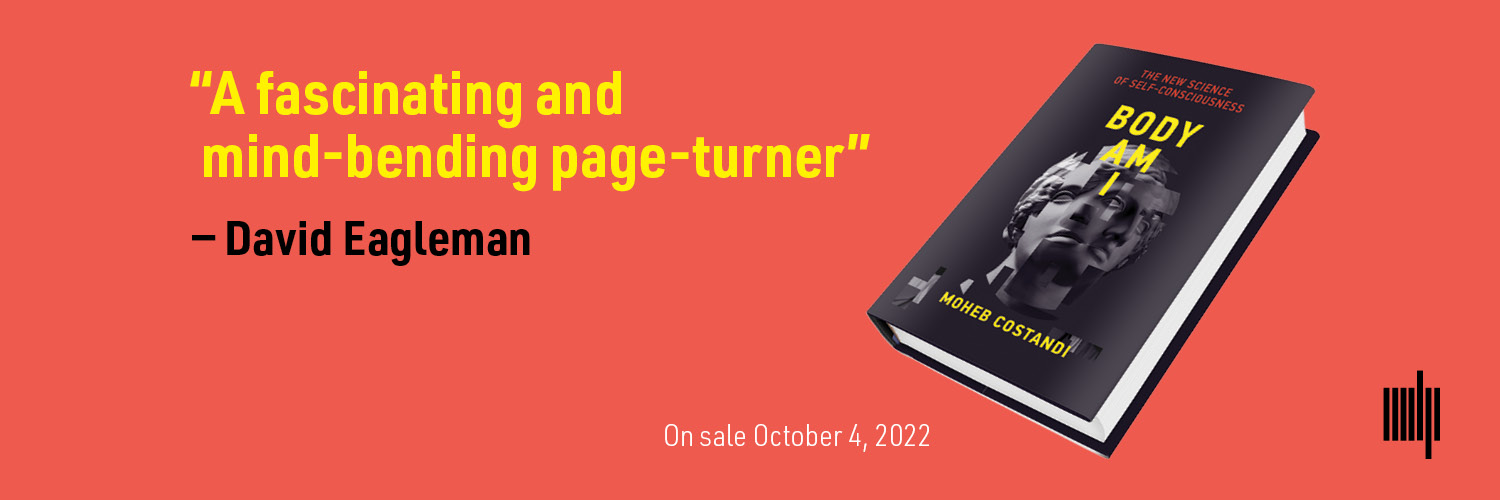
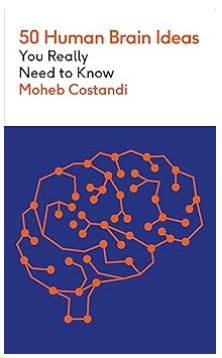
Out now in paperback! "A fascinating and mind-stretching page-turner" - @davideagleman "Absorbing and expansive" - @DrLindseyFitz "Deeply enjoyable" - Frederique de Vignemont
Mo Costandi tweet media
English
2
4
11
4.2K
Mo Costandi retweetledi
nature
nature@Nature·
Older people with exceptional memory have a surprisingly high number of young neurons go.nature.com/3MQj7hm
English
8
110
423
44K
Mo Costandi retweetledi
nature
nature@Nature·
Veins in the skull can rearrange their borders to accommodate patrolling immune cells go.nature.com/46gwePA
English
2
45
181
16.2K
Mo Costandi retweetledi
The Public Domain Review
The Public Domain Review@PublicDomainRev·
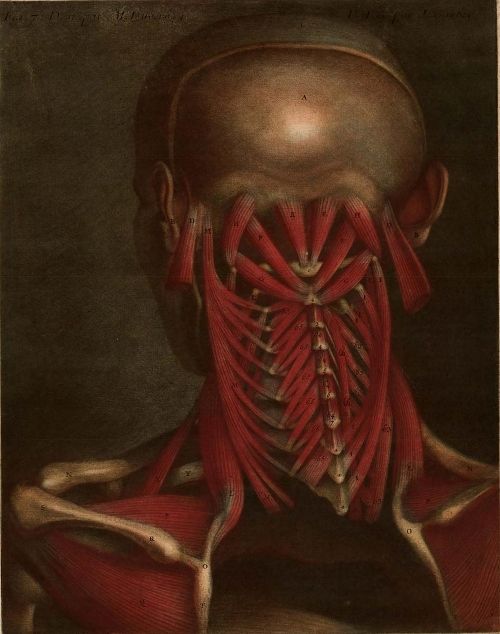
One of the many extraordinary illustrations produced in 1745 by Gautier D’Agoty, which together form his Essai d’Anatomie, a remarkably detailed atlas of the head, neck, and shoulder areas of the human body, with explanatory text in French. More here: publicdomainreview.org/collection/col…
The Public Domain Review tweet media
English
1
17
71
3.3K
Mo Costandi retweetledi
Allen Institute
Allen Institute@AllenInstitute·
Our take on the Christmas tree! 🎄🧠 In this video by our #ElectronMicroscopy team, a fluffy pyramidal neuron is lit by twinkling input synapses. To make it, a brain sample was cut into 1000s of nm-thin sections and millions of high-res images were taken.
English
2
19
88
4.9K
Mo Costandi retweetledi
Jaan Aru
Jaan Aru@jaaanaru·
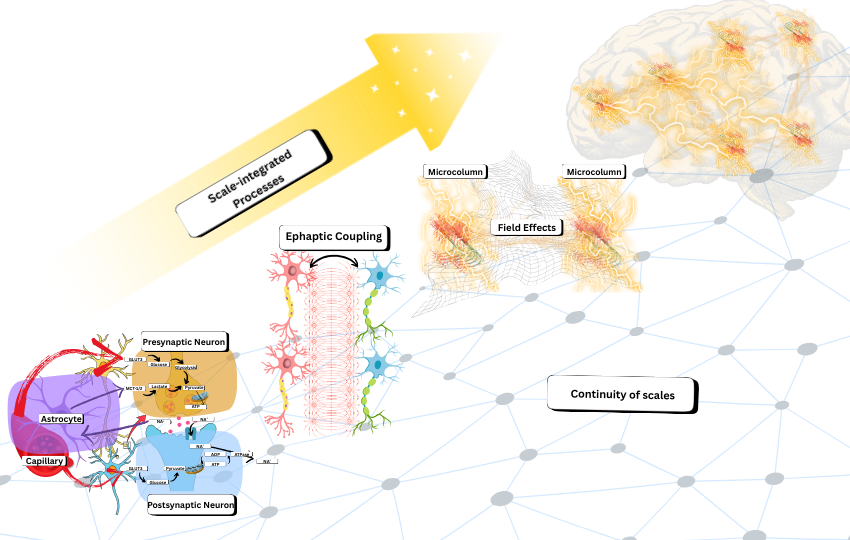
To make real progress on the problem of consciousness, we need a new theory of biological computation. Our first step to understand what makes neural computations special is out now in Neuroscience & Biobehavioral Reviews 🎉 sciencedirect.com/science/articl… Spearheaded by @MilinkovBorjan
Jaan Aru tweet media
English
21
43
246
14.8K
Mo Costandi retweetledi
Tim Skellett
Tim Skellett@Gurdur·
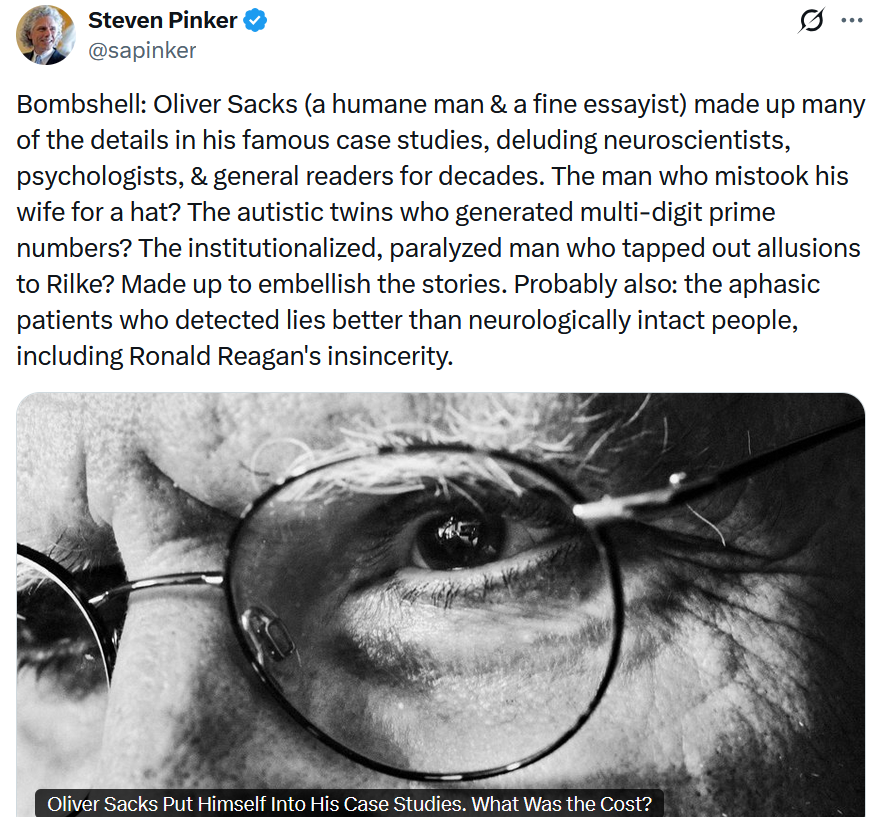
well, this is truly bad news. It turns out Oliver Sacks made up a lot of stuff in his books (books which I loved till now), and also covered up for horrific behavior from others and from himself. Via @hbdchick: Depaywalled & dePinkerized version: archive.ph/d0ywJ
Tim Skellett tweet media
English
10
23
67
12.6K
Mo Costandi
Mo Costandi@mocost·
@LucinaUddin I'm writing a feature about cognitive flexibility, and wondered if you might be available for a chat some time in the next few days?
English
1
0
1
116
Mo Costandi
Mo Costandi@mocost·
Rubber arm illusion in octopus (Kawashima & Ikeda) cell.com/current-biolog… "we used the rubber hand illusion to demonstrate that an octopus, an invertebrate (cephalopod mollusk), also experiences body ownership of its arms."
GIF
English
1
1
2
517
Mo Costandi
Mo Costandi@mocost·
Cancer cells (red with blue nuclei) grow thin tubes to siphon mitochondria out of nerve cells (green). Credit: Simon Grelet and Gustavo Ayala nature.com/articles/d4158…
Mo Costandi tweet media
English
0
1
2
439
Mo Costandi retweetledi
Michael Okun
Michael Okun@MichaelOkun·
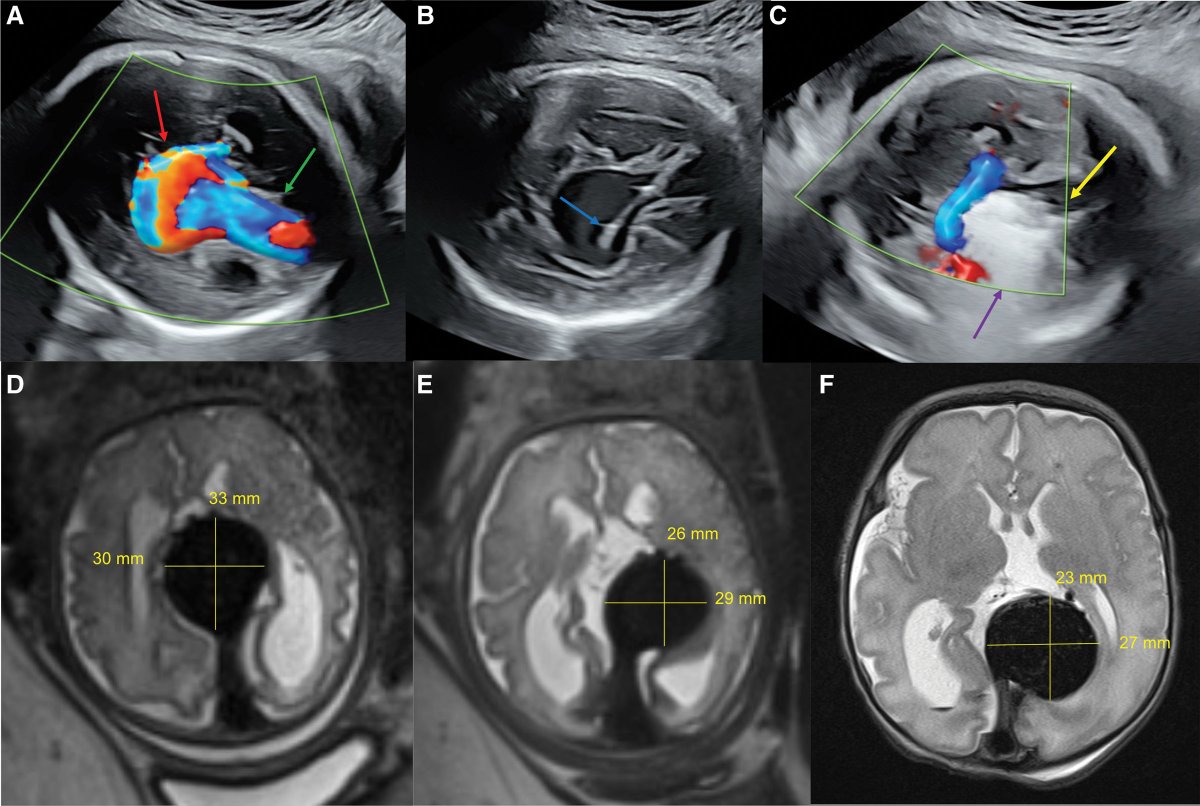
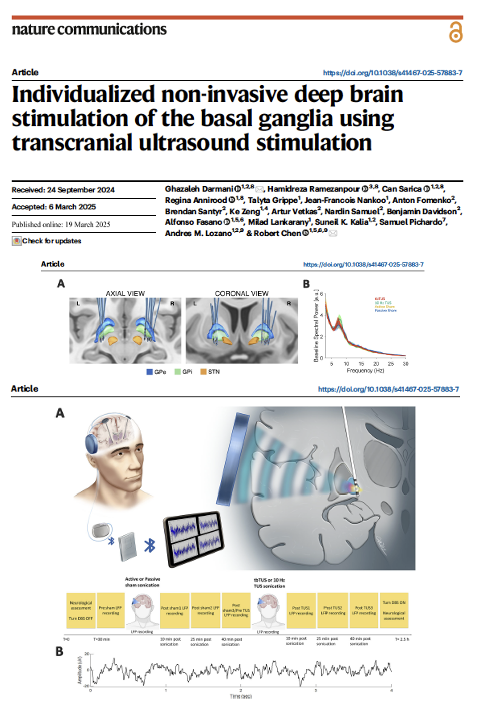
Wouldn't it be cool to be able to stimulate deep within the brain without the need for brain surgery (i.e. DBS), and without actually making a physical lesion in the brain (i.e. focused ultrasound or pallidotomy)? This paper provides 'proof of concept' that a transcranial ultrasound stimulation (TUS) approach may be achievable. Darmani, Chen and colleagues bring us up to speed in Nature Communications. Key Points: - The authors provide an interesting study that examined TUS-induced changes in 10 individuals w/ Parkinson’s and dystonia. - There were also 15 healthy controls. - Physiology and local field potentials were sampled from deep brain stimulation leads w/in the globus pallidus. - Theta burst TUS increased theta power during DBS. - The authors showed 10 Hz TUS enhanced beta power and the effect persisted for ~40 min. - Interestingly, the GPi TUS actually prolonged stop-signal reaction times. There was also impaired response inhibition. My take: What was interesting was that transcranial ultrasound was able to engage a common target (GPi) used for DBS surgery and focused ultrasound. We all remain 'deeply' interested in noninvasive deep brain stimulation as this could open the door for a safer and potentially (one day) a more practical approach for stimulating from 'outside the brain.' The field has a ways to go, but this is a nice early step. It is critically important that the authors were able to show us that TUS was able to 'modulate neural circuits in a spatially precise manner.' We must – respice finem – consider the outcome, when developing the less invasive methods of brain stimulation. I don't think we should be too disappointed with the early results, as this road will be a long but worthwhile journey. nature.com/articles/s4146… #parkinson #deepbrainstimulation #focusedultrasound @ParkinsonDotOrg @FixelInstitute @Nature @NatureComms @DBSThinkTank
Michael Okun tweet media
English
4
90
331
22.2K