
LoveInaColdClimate 🇬🇧 🇪🇺 📚
13.8K posts
LoveInaColdClimate 🇬🇧 🇪🇺 📚
@mollands80
Eclectic Ink Drinker. Fairness, Mitfords, History, Austen, Bronte, Jamiroquai, Kate Bush, Prince, The Ink Spots. Remainer. #SanditonSisterhood
UK Katılım Temmuz 2010
1.5K Takip Edilen1.1K Takipçiler
LoveInaColdClimate 🇬🇧 🇪🇺 📚 retweetledi

"I've never seen an American president, not just in our lifetime, in the last two centuries of American history, be that critical of a British prime minister." @RNicholasBurns tells me "a fundamental mistake is: disparage your allies, make life difficult for them at home, you really can't expect them to be with you in a fight that they didn't start
English
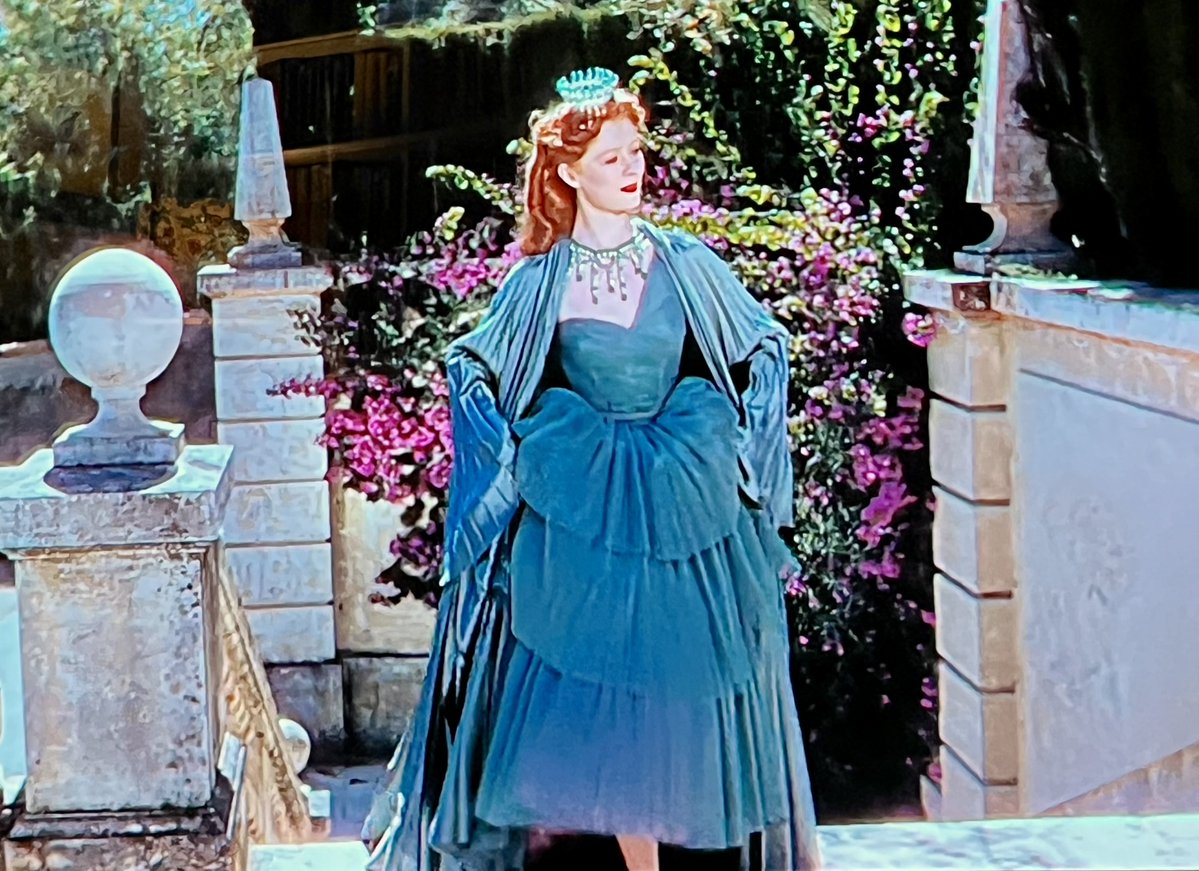
@ianarchiebeck One ☝🏻of my most favourite films
Always makes me cry and have wardrobe envy 😍
GIF
English

LoveInaColdClimate 🇬🇧 🇪🇺 📚 retweetledi
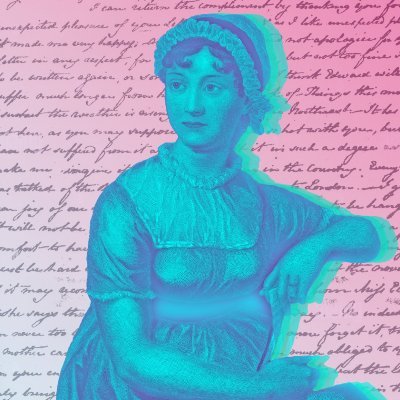
I take no leave of you, 2025. I send no compliments to your mother. You deserve no such attention. I am most seriously displeased.
English

That time of year has come again
2025 will soon close
Say bye to those highs, good times and bad
What will come next, who knows
Raise a glass, make a wish and Happy New Year to you all! 🥂✨️
GIF
English
LoveInaColdClimate 🇬🇧 🇪🇺 📚 retweetledi
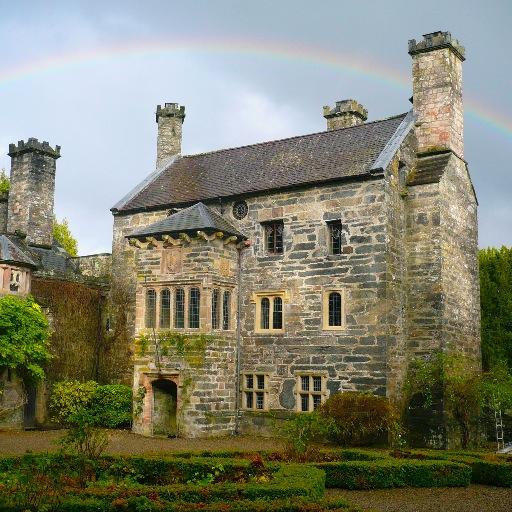
The fire’s lit and the mince pies are in the oven. So, this is just to wish everyone a very Happy Christmas/Nadolig Llawen pawb from us all at Gwydir and may the wonder and peace of the season fill your hearts this Christmas.

English
LoveInaColdClimate 🇬🇧 🇪🇺 📚 retweetledi

It's always amazing to think that Christmas must have been celebrated in the hall here — the same joy and wonder acknowledged in so many different ways — for over 500 years now. Here, on Christmas Eve, is our Christmas tree.

Blakeney, England 🇬🇧 English
LoveInaColdClimate 🇬🇧 🇪🇺 📚 retweetledi

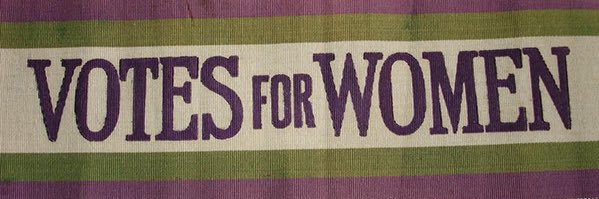
There is no Woman of the Day post today but if there was, Emmeline Pankhurst who founded the Women’s Political and Social Union OTD in 1903, would be a worthy contender. Born in 1858 in Moss Side, Manchester, to a family that believed in women’s suffrage but thought girls only needed to be educated sufficiently to be good marriage material, she had different ideas.
Emmeline became a committed suffragist at 14. She tried to join Keir Hardie’s Independent Labour Party but was rejected because she was a woman (she joined later, but later still became a Conservative) and formed the Women’s Franchise League.
By this time, she had married Richard Pankhurst, the barrister who had argued unsuccessfully at court for women ratepayers to be given the vote after Lily Maxwell’s audacious success in 1867. The League, however, decided it was more important for single women and widows to have the vote because married women, after all, had their husbands to speak for them. Emmeline left in disgust. Neither she nor Richard believed that women should be regarded as “household machines”.
It was then that Emmeline formed the WPSU. After years of well-meaning speeches and promises from sympathetic MPs, the cause of women’s suffrage hadn’t advanced one jot and she doubted that any political party would ever make women’s rights a priority (does that sound familiar by any chance?). Direct action was needed, she said: “Deeds not words.”
She parted ways with Millicent Fawcett who continued as a suffragist while Emmeline became a suffragette; a diminutive term used by a newspaper to deride and belittle the WPSU. No matter. They adopted it as a defiant badge of honour.
At first, the WPSU’s militancy was non-violent: speeches, petitions, rallies, even a series of "Women's Parliaments" to coincide with official government sessions. However, when yet another bill for women’s suffrage was filibustered in 1895, the WPSU had had enough. They held a noisy protest outside Parliament and were forcibly removed by the police. They stepped up their actions: disrupting meetings, shouting slogans and unfurling banners. It still wasn’t enough.
In 1908, 500,000 activists rallied in Hyde Park to demand votes for women. The Prime Minister, Henry Asquith, shrugged and ignored them and so a dozen suffragettes marched to Parliament Square to make speeches there. They were manhandled by the police; two of them threw stones at 10 Downing Street in protest. Arrests followed. When a magistrate sentenced the two stone throwers to two months' imprisonment, Emmeline reminded the court that male political agitators had broken windows to win legal and civil rights throughout Britain's history with every success so why should women be treated differently?
All three of her daughters - Christabel, Sylvia and Adele - were activists. Emmeline herself was imprisoned several times - once for delivering a petition to the Prime Minister, once for slapping a police officer to ensure she was arrested - and was force fed in prison, a barbaric practice. At her trial, she said, “We are here not because we are law-breakers; we are here in our efforts to become law-makers”.
She was widely criticised for her militant tactics and there is still disagreement about their effectiveness but her life’s work was recognised as a crucial part of the fight to gain women the vote in the UK. She herself said “The condition of our sex is so deplorable that it is our duty to break the law in order to call attention to the reasons why we do."
Emmeline Pankhurst died on 14 June 1928, weeks before the Conservative government passed the Representation of the People (Equal Franchise) Act and two years later, commemorated by a statue next to the Houses of Parliament.
“Once they are aroused, once they are determined, nothing on earth and nothing in heaven will make women give way. It is impossible.”

English
God Bless you @DollyParton
🙏🏻🙏🏻 Continue to take care of yourself
Dolly Parton@DollyParton
I ain’t dead yet!
English
English

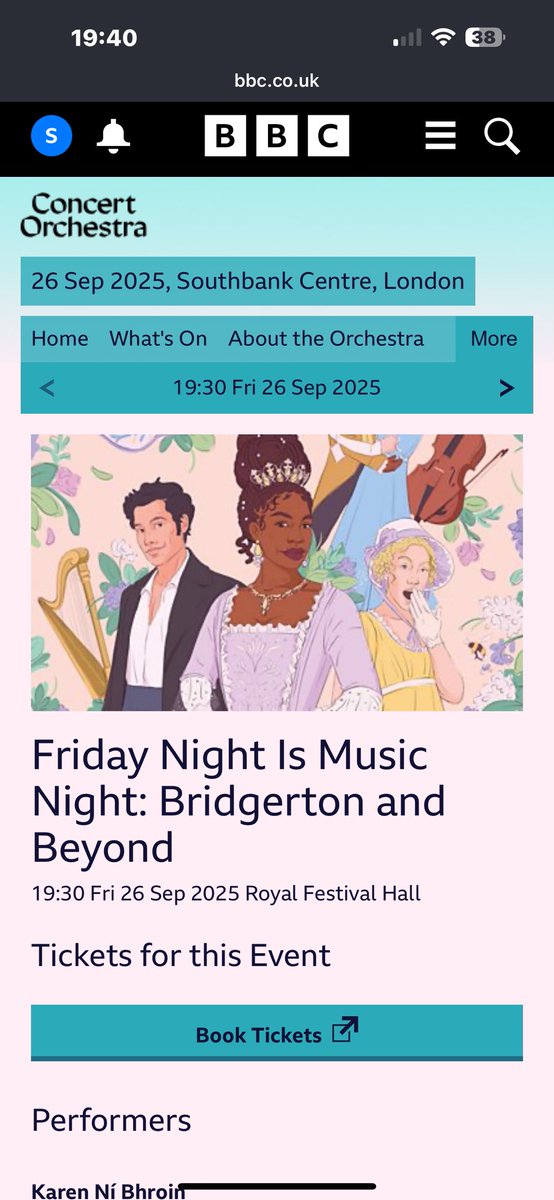
Sanditon fans! I can now reveal that the BBC concert orchestra will be playing a suite from Sanditon (orchestrated specially) on Sept 26th! So excited to be part of this amazing programme Broadcast live on radio 3 🎶👂🎻🤠@SanditonSister2 @BBCRadio3 #sanditon

English
LoveInaColdClimate 🇬🇧 🇪🇺 📚 retweetledi
Artist Lela Harris made this portrait of #Sanditon's Miss Lambe, as a commission as Artist in Residence for
Austen and Turner: a Country House Encounter @HarewoodHouse.
Pieced together from 20th century stationery from Harewood House. On display until October 19 2025.
1/


English

Who would be interested for us to organise a Q&A on Instagram with Lela Harris, the artist who made the beautiful portrait of #Sanditon's Miss Lambe? 🙋🏼♀️
(date to be determined)

English

@SanditonSister2 Yes please, I would love that.
It’s such a beautiful portrait and is love to know more about Lela’s approach. 🥰
GIF
English
All these celebratory birthday posts for the fabulous Kate Bush (67) yet it seems nobody can bear to share a photo of her after forty. Heaven forbid that we should be expected to look at a photo of an older woman, eh?
Happy Birthday, Kate.

English