Jacinta Nampijinpa@JNampijinpa
TRAGIC CASE HIGHLIGHTS A NATIONAL DISGRACE
The death of five-year-old Sharon Granites has had a profound impact on families across the Northern Territory and beyond. Like many Australians, I am devastated by the news that she has been found dead, and my thoughts are with her family and loved ones.
As more details emerge, the focus must remain on supporting Sharon’s family and the work of authorities.
(The name Sharon Granites is used in this article to ensure she is not reduced to a statistic. When speaking of her, I will call her Kumanjayi Little Baby in appropriate cultural settings.)
Alongside that grief sits a question that cannot be ignored.
How did this happen?
It is a question that demands honesty.
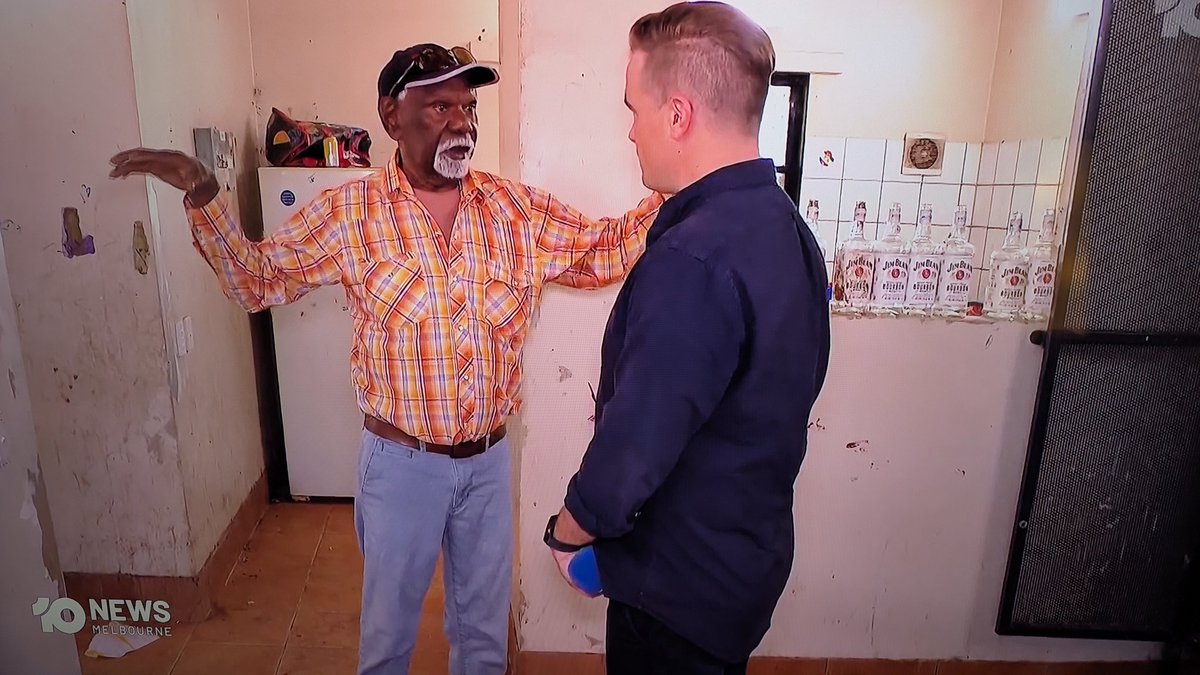
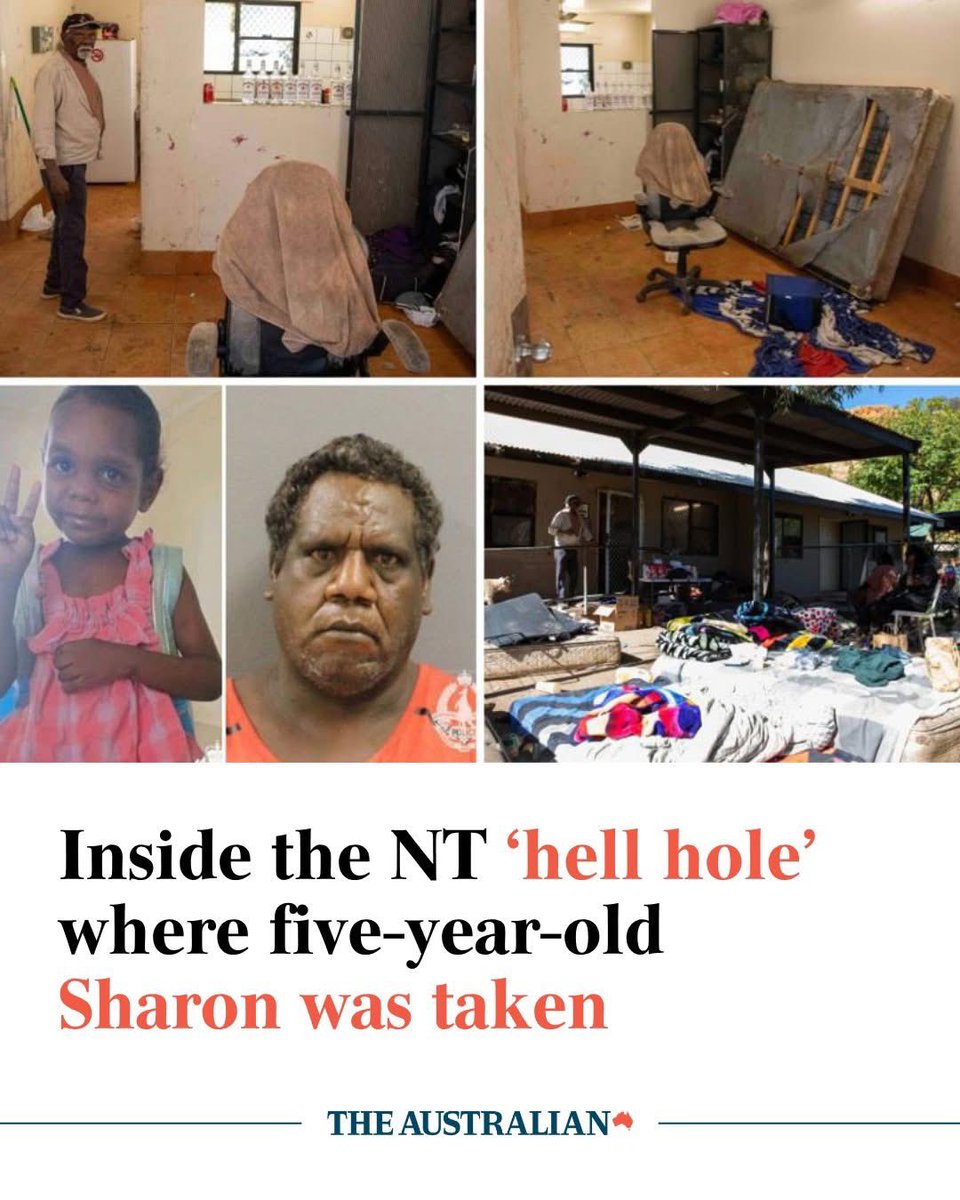
For too long, there has been a reluctance to speak plainly about the conditions in and around town camps. In reality, too many have become environments where safety is not guaranteed, particularly for children.
There is constant movement. People coming and going. Individuals with long criminal histories moving in and out. Alcohol restrictions that exist on paper but are not enforced in practice. Overcrowding. Poor maintenance. Limited oversight.
These are not new observations.
The town camp now at the centre of this case is one I know well. It is a place where I have lost family. A niece was stabbed to death there. Another child in my extended family was killed in an accident at the front of that same camp. There have been too many lives lost in that place alone.
And yet, these conditions persist.
We know from Closing the Gap data that Aboriginal and Torres Strait Islander women and children remain among the most vulnerable in the country. The Northern Territory continues to experience the highest domestic and family violence rates in the country. Approximately 100 women have been killed by intimate partners over the past 25 years. In 2024, seven of the nine homicide victims in the Territory were linked to domestic and family violence.
These are not just statistics. They are indicators of risk.
That risk too often goes unaddressed.
Despite this, billions of dollars continue to flow through Indigenous organisations, land councils and local governance structures, yet the conditions on the ground tell a different story.
The question is whether those outcomes are being delivered in practice.
Where town camps remain unsafe and vulnerable people are exposed to harm, accountability is unavoidable.
Pointing to funding levels is not enough. Nor is pointing to programs. What matters is that those investments are translating into safer lives.
In too many cases, the answer is no.
There has been a longstanding call for greater scrutiny. For an examination of how resources are allocated, how decisions are made, and whether those responsible for delivering outcomes are being held to account.
I have raised these issues in Parliament. I have called for greater scrutiny of how funding is being used and for stronger action to protect vulnerable women and children. I have called for a broader inquiry into violence in our communities.
This moment demands that they are not ignored any longer.
An independent inquiry must now be on the table. Not only into the circumstances surrounding this case, but into the broader conditions that allow such vulnerability to persist. That includes the governance of town camps, the role of organisations responsible for their upkeep, and whether current laws and enforcement mechanisms are adequate to protect the most vulnerable.
Because if they are not, they must change.
Too often, difficult conversations are avoided. There is a reluctance to speak plainly about what is happening in some communities. Silence does not protect anyone, including women, children and families such as Sharon’s.
We cannot continue to accept a situation where environments of known risk remain unchanged. Where warning signs are visible, but action is delayed. Where funding is substantial, but outcomes fall short.
We have the resources. We have the knowledge. What is lacking is the willingness to insist on accountability and to follow through with meaningful reform.
Sharon Granites is not a statistic. She is a little girl, part of a family, part of a community and part of this nation. Her death has forced a spotlight onto long-standing issues.
The question now is whether we will respond to that reality.
Not with rhetoric. Not with temporary measures. But with the seriousness it demands.
Because until we do, the same question will continue to be asked.
How did this happen?
And why, when the risks were clear, did we allow them to remain?