

Williams Mpoadan Ogaja
43 posts

What is the biggest reason you haven’t secured a scholarship yet?
A) Low GPA
B) Don’t know where to start
C) Weak application
D) No guidance
Reply with A/B/C/D 👇
English
Williams Mpoadan Ogaja retweetledi

How to Show Purpose in Your Statement of Purpose
Here’s the truth most applicants don’t realize:
Admissions committees don’t want to read your life story.
They want to understand your direction.
Purpose is not what you’ve done, it’s what your experiences are trying to say.
When you sit down to write your Statement of Purpose, ask yourself one question:
If someone only reads this essay, will they know what I stand for?
If the answer is no, start again.
—————-
① Purpose begins with “Why.”
➜ Don’t start with “Ever since I was a child…” or “I graduated in…”
Begin where your curiosity meets a real-world problem.
Why does this question matter to you?
Why now?
Why this field?
Purpose is rarely born from convenience.
It’s born from conviction.
② Don’t list; connect.
Anyone can list degrees, projects, and internships.
That’s not purpose.
Purpose is when the story flows,
when each experience becomes a bridge to the next.
“I studied X, which made me question Y,
which led me to discover Z.”
That’s the sound of clarity.
③ Show growth, not perfection.
Committees don’t want a flawless résumé in prose.
They want a thinker who learns.
Write about the turning points.
Moments that changed your approach.
Challenges that clarified your values.
Purpose grows in reflection, not repetition.
④ Align with something bigger.
Your purpose becomes powerful when it meets a mission larger than yourself.
Show how your goals connect to a program’s work,a faculty’s research, a lab’s direction, a school’s ethos.
“My interest in global vaccine equity builds on Dr. Banda’s work on access disparities in Sub-Saharan Africa.”
⑤ End with vision, not vanity.
Don’t finish with what you want to gain.
End with what you want to give.
What systems do you want to strengthen?
What communities do you hope to serve?
What legacy are you trying to build through your work?
Because purpose that stops at self is ambition.
Purpose that reaches others is leadership.
————-
So don’t write like you’re applying.
Write like you’re arriving.

English
Williams Mpoadan Ogaja retweetledi
The 3 Traits All Prestigious Scholarship Winners Have in Common
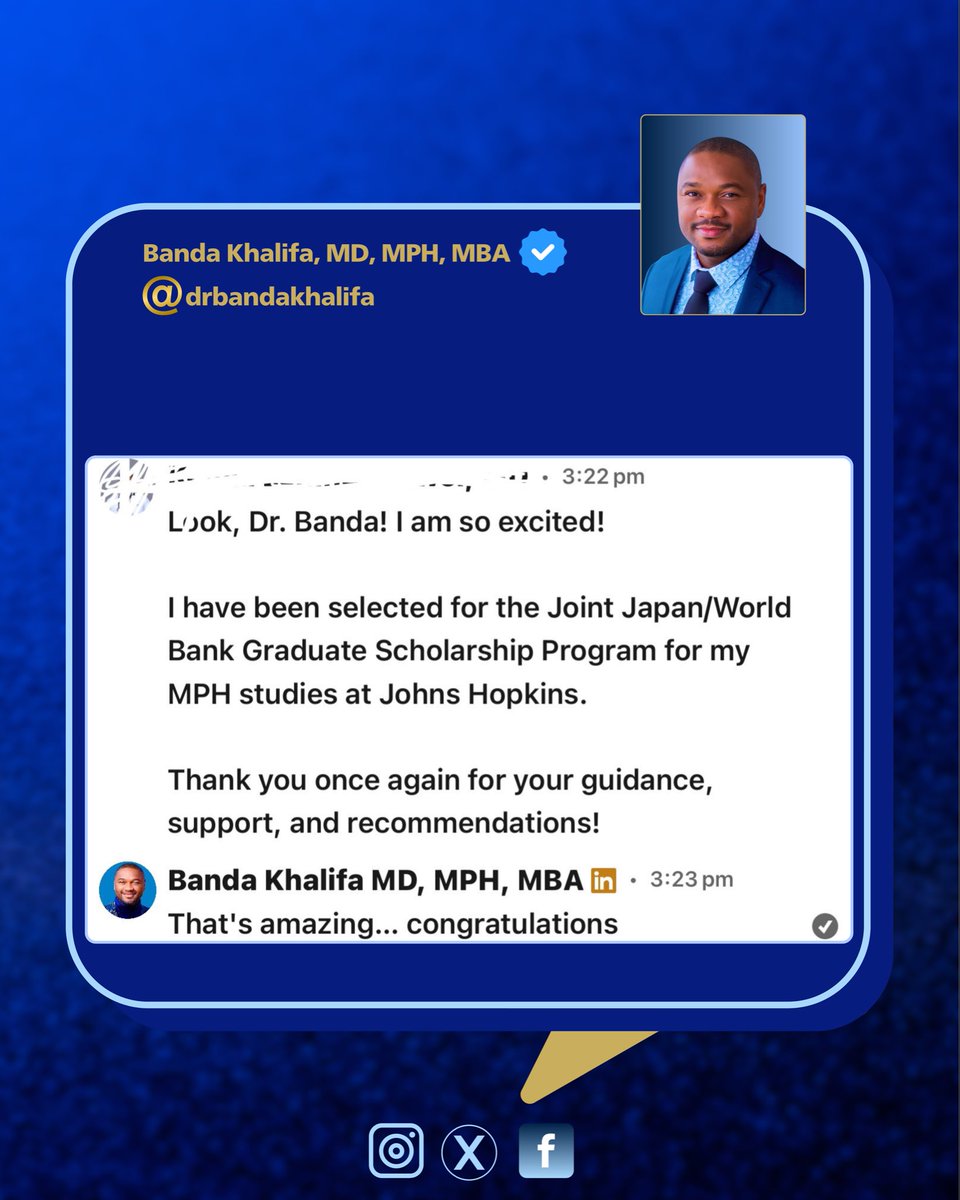
Over the years, I’ve been fortunate to receive over $500,000 in scholarships, including a dual MPH/MBA at Johns Hopkins as a Sommer Scholar.
I have helped mentees win some of the world’s most competitive awards: from Harvard to Oxford to Johns Hopkins.
So what’s the one thing they all had in common?
It’s not luck.
It’s not even perfect grades.
It’s clarity.
⸻
① Clarity of Purpose
They are no only hunting for a degree
They apply for a mission.
They can clearly answer:
Why this field? Why now? Why me?
⸻
② Clarity of Impact
Scholarship committees don’t fund potential.
They fund purpose-driven impact.
They don’t wait to make a difference “after graduation.”
They show evidence of impact before they apply; big or small, local or global.
⸻
③ Clarity of Story
Every part of your application : résumé, your essays, your recommendations should tell one coherent story.
A story of someone driven by vision, not convenience.
⸻
Scholarship committees don’t fund perfection.
They fund purpose.
⸻
💬 Which of these 3 traits do you think is the hardest to communicate in applications; purpose, impact, or story?
♻️ Share this to help someone preparing for their next big opportunity.
English
Williams Mpoadan Ogaja retweetledi
𝗧𝗵𝗲 𝗔𝗻𝗮𝘁𝗼𝗺𝘆 𝗼𝗳 𝗮 𝗖𝗼𝗹𝗱 𝗘𝗺𝗮𝗶𝗹 𝗧𝗵𝗮𝘁 𝗚𝗲𝘁𝘀 𝗥𝗲𝗽𝗹𝗶𝗲𝘀 (𝗟𝗶𝗻𝗲 𝗯𝘆 𝗟𝗶𝗻𝗲)
Successful cold emails follow a clear structure.
Here’s the anatomy of a cold email that works: 1/7
Professors reply when they feel you are serious, Informed, and international…
English
Williams Mpoadan Ogaja retweetledi
I have reviewed 100s of Cold Emails…. These are the 4 most common mistakes 𝗜𝗻𝘁𝗲𝗿𝗻𝗮𝘁𝗶𝗼𝗻𝗮𝗹 𝗦𝘁𝘂𝗱𝗲𝗻𝘁𝘀 make (𝗛𝗼𝘄 𝘁𝗼 𝗙𝗶𝘅 𝗜𝘁)
Here are the most common struggles and how to fix them:
① 𝗢𝘃𝗲𝗿𝗹𝘆 𝗙𝗼𝗿𝗺𝗮𝗹 𝗟𝗮𝗻𝗴𝘂𝗮𝗴𝗲
✖︎ “Respected Sir, I humbly submit my earnest request for supervision.”
➤ Use polite but direct language: “Dear Professor Tahir, I am reaching out regarding your work on [topic].”
Also, if you are from Naija, don't say “ Maa” 😅
② 𝗧𝗼𝗼 𝗟𝗼𝗻𝗴 𝗮𝗻𝗱 𝗗𝗲𝘁𝗮𝗶𝗹𝗲𝗱
✖︎ A 1,000-word life story.
✓ Keep it under 300 words.
Focus on alignment: your background → their research.
③ 𝗔𝗺𝗯𝗶𝗴𝘂𝗼𝘂𝘀 𝗔𝘀𝗸
✖︎ “I would like to work with you in some capacity.”
✓ Be clear: “I am applying to the [PhD program] for Fall 2025. Are you currently accepting new doctoral students?”
④ 𝗡𝗼 𝗦𝗽𝗲𝗰𝗶𝗳𝗶𝗰 𝗥𝗲𝗳𝗲𝗿𝗲𝗻𝗰𝗲 𝘁𝗼 𝗥𝗲𝘀𝗲𝗮𝗿𝗰𝗵
✖︎ “I am interested in your research generally.”
✓ Reference a specific paper/project: “I was particularly interested in your 2023 Lancet article on HIV prevention strategies.”
—————-
𝗧𝗵𝗲 𝗳𝗶𝘅?
Treat the cold email as a professional introduction, not a scholarship essay.
Show that you’ve done your research, respect their time, and have a clear ask.
Repost to help someone craft emails that actually get replies.
English
English

I'm happy to share that our paper has been published! “Enterobacterales and Antimicrobial Resistance in Feed, Water, and Slurry in Pig Production Farms in the Greater Accra Region of Ghana, 2024”#mdpitropicalmed" target="_blank" rel="nofollow noopener">mdpi.com/3467826#mdpitr… via @TropicalmedMDPI @OheneRita @OdarkorMills
English
English

We have led the way by developing an app to keep citizens up to date on air quality levels @BreatheCities @CleanAirFund #BreatheAccra
Ghana Urban Air Quality Project (GhanaAQ)@GhanaAQ
We have exciting news! We now have a mobile app that provides real-time air quality data in strategic locations in Ghana and offers tips on mitigation strategies. It is available on App Store and Play Store. Download now to keep up with air quality data around you. #BreatheAccra
English

Imagine a future where #FoodSystems not only provide healthy food for all, but also protect the planet 🌾🌏
As a global community, we are working to make this vision a reality.
Are you with us? 🙌
English
Williams Mpoadan Ogaja retweetledi

Grant funding proposal mistakes I see everywhere:
Failed proposals:
• Focus on what they want to study
• Explain their cool methodology
• List their achievements
Funded proposals:
• Prove why it matters now
• Show clear innovation gaps
• Demonstrate certain success
Sell impact, not interests.
English

Need money for your PhD?
I've just finished researching every active PhD scholarship worldwide so you don't have to waste weeks searching.
The full list of 50 scholarships is in the comments below!

English

Your PhD Motivation Letter is Not a Diary Entry — Here’s How to Write One That Wins Offers
Let’s talk about a crisis.
Not global warming. Not funding cuts.
Letters that start with:
“Ever since I was a child, I have been fascinated by…”
Cue eye-roll from the 54-year-old professor with 200 unread applications and a headache.
Respectfully: Your passion isn’t enough.
If passion alone got us into PhD programs, the world would be overflowing with fully funded philosophers and particle physicists. Passion is your entry ticket—not the main event.
Here’s what the admission committee actually wants:
1. Urgent Research Questions — Right Off the Bat
Start with why the world needs your research, not why you love it.
Show you understand the burning questions in your field. Set the stage like a scientist, not a storyteller.
Wrong:
“I’ve always loved studying human behavior.”
Right:
“The increasing mental health burden among gig economy workers presents an urgent and understudied research challenge, particularly in urban economies undergoing digital transition.”
Boom. We’re listening.
2. Your Research Insights — Not Just Your Grades
Nobody is wowed by your GPA here. They want to know:
•What frameworks have you worked with?
•Did you critique any existing theories?
•What did you find in your undergraduate or master’s thesis that actually matters?
Think less “what I did” and more “what I discovered and how I think.”
3. Cite Their Work — But Please, Don’t Parrot
Yes, you’re supposed to mention a professor’s work.
But don’t say: “I want to work with Professor X because I admire their research.”
Say:
“Professor X’s 2022 work on climate-induced migration offers a model I’d like to expand by incorporating socio-political variables from Southeast Asia.”
You’ve read it. You’ve thought about it. You’re ready to build on it. That’s how you stand out.
4. Show Alignment — You’re Not Just a Research Machine
Why this program?
Why this lab?
Why now?
No need to grovel or flatter. Just show genuine synergy.
Tip: Mention methodologies, ongoing projects, or program features (like interdisciplinary centers, collaborative labs, or fieldwork opportunities) that align with your goals.
5. End With Vision — Not Vague Dreams
No “I hope to make a contribution to science.”
End with clarity: what will you do after the PhD? Who will benefit? What gaps will you fill?
This isn’t about career goals; it’s about impact. Show that you’re not doing a PhD to run away from real life—but to shape it.
The Real Tea:
Most PhD motivation letters fail because they sound like recycled undergrad SoPs.
But this is your first research proposal in disguise.
So write like a thinker.
Back it up with literature.
Keep it sharp.
And for heaven’s sake—cut the childhood anecdotes.
Need help crafting yours?
I coach students on building motivation letters that get real results—funded offers from Europe, the US, and beyond.
DM me to get started!
English

Want to improve your academic writing? 🖋️✨
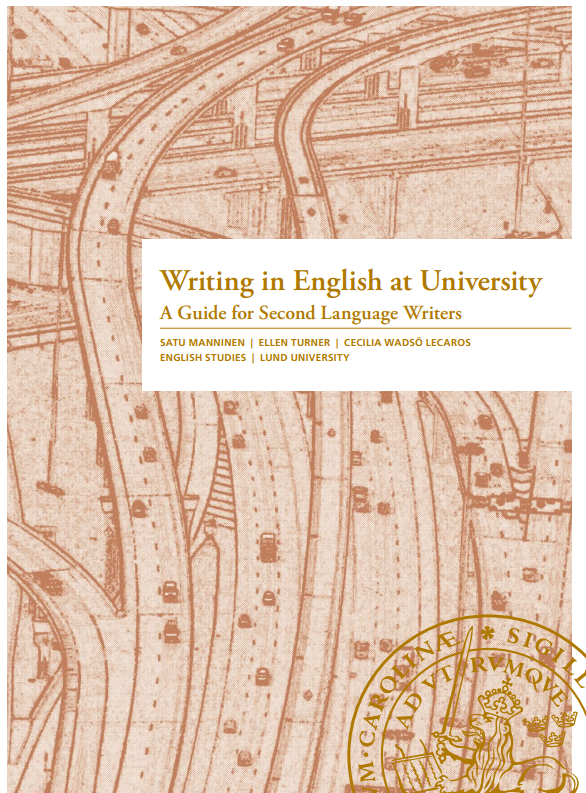
I’m giving away 'Writing in English at University: A Guide for Second Language Writers' by Lund University—for FREE! 🎁
This book is a GAME-CHANGER for second-language writers! 🌟
Type "English" in the comments, and I’ll DM you the details. Let’s ace your writing! 💌📚"
English
Williams Mpoadan Ogaja retweetledi

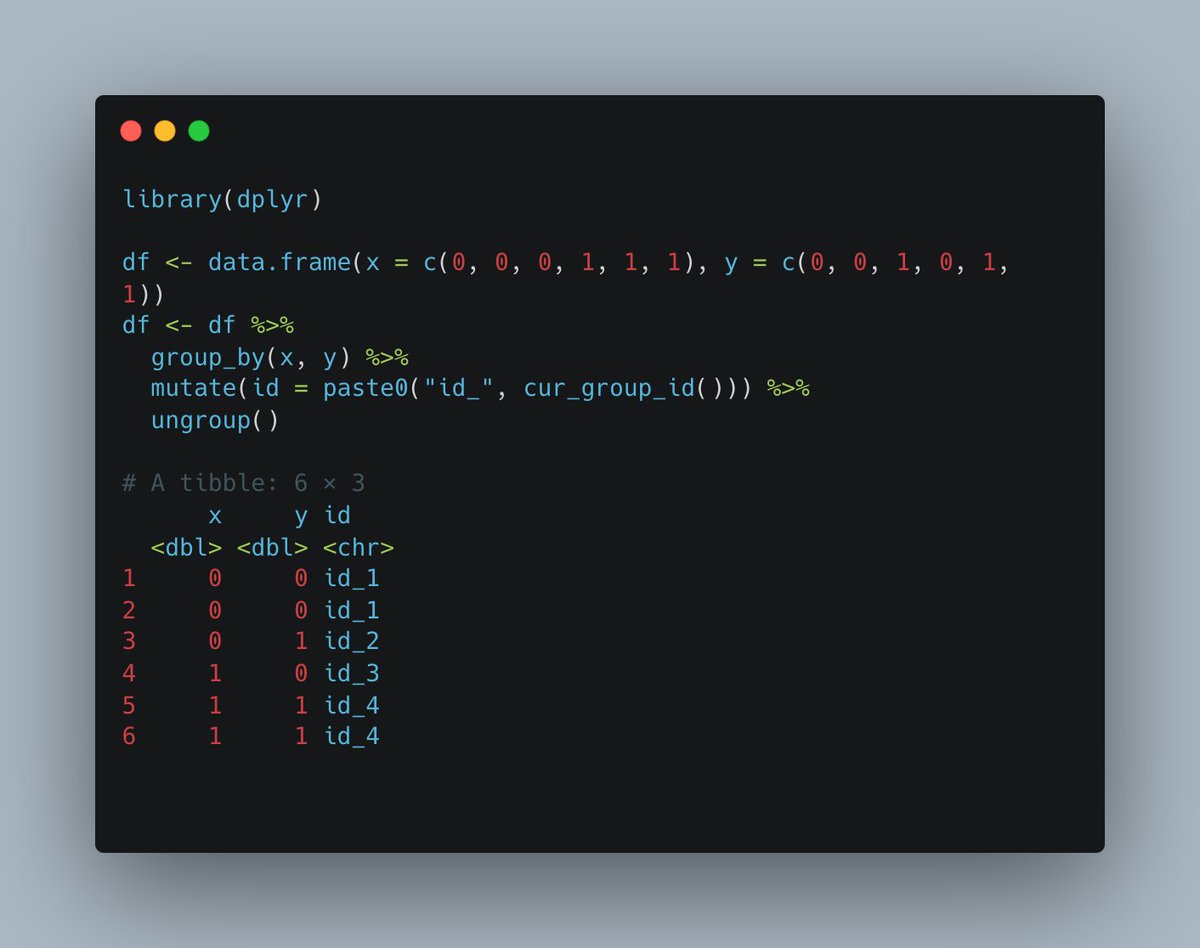
Want to assign unique IDs to combinations of multiple columns in an R dataframe? Here's a quick R trick you can’t miss! 👇
English
@acagamic Thanks for sharing, Prof.
These are great resources.
English
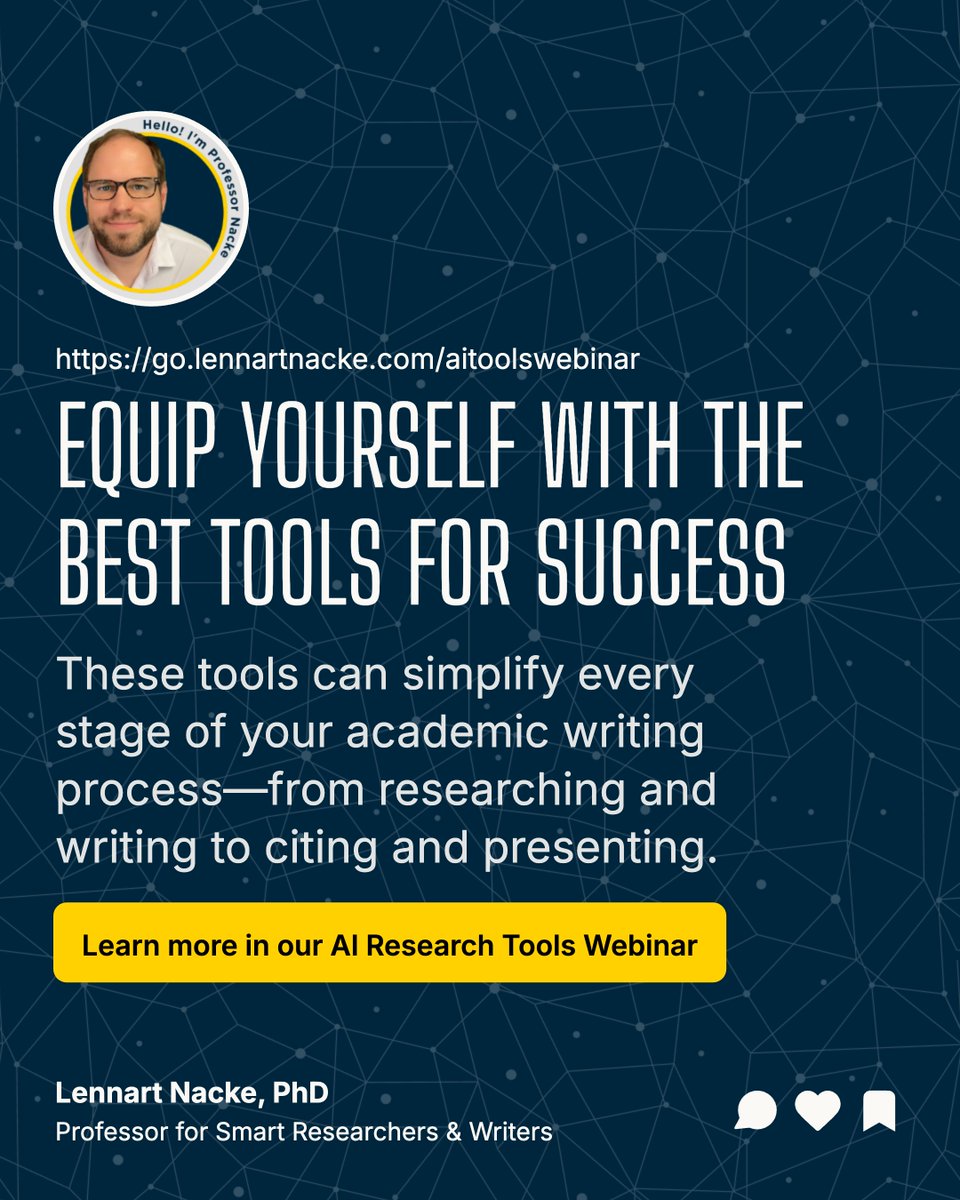
Equip yourself for success
These tools can simplify every stage of your academic writing process.
From researching and writing to citing and presenting.
Find out more in our webinar: go.lennartnacke.com/aitoolswebinar
English
Most PhD students work 10x harder than needed.
I see it daily - smart students drowning in manual tasks tools could handle.
(This kills your research productivity)
8 use cases where you can cut your workload in half:

English
📚 Want to level up your academic game? I’ve got the BEST research books to guide you in writing papers & conducting research! 🚀
1️⃣ Drop a ‘YES’ in the comments
2️⃣ Follow me
3️⃣ Share this post
If you don’t follow, I can’t DM the link! 🔐 Let’s level up together!
#ResearchGoals #PhDSuccess #AcademicJourney @ScholarshipfPhd

English
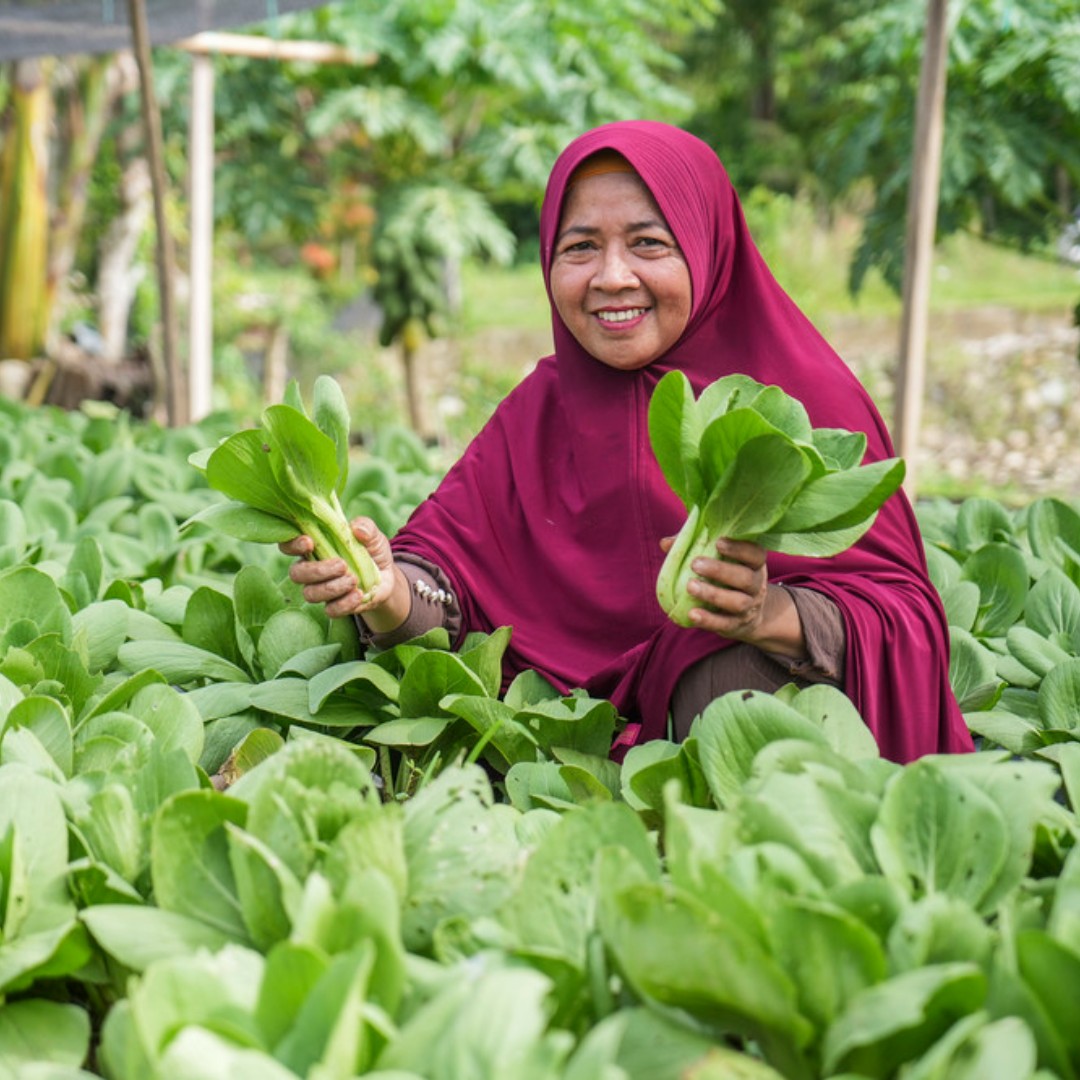
Investing in smallholder farmers means investing in a brighter future for food, nutrition and agriculture.
Leave a 💚 if you agree!
English
As we(Ghana) go to the polls today, I want to encourage that we all prioritize peace. For without peace as country our food security, general health, businesses, education, shelter, farms, and several others would be compromised.
Therefore, I stand for peace in Ghana.
English
Williams Mpoadan Ogaja retweetledi

💧 Water is essential in the #OneHealth approach. @IWMI_ and @CGIAR partners are studying pollution in watersheds in Ethiopia and India, focusing on livestock waste management and microbial contamination.
#OneHealthDay #CleanWater #AMR
on.cgiar.org/3KlZ71I
English
Williams Mpoadan Ogaja retweetledi

Soil forms, stores, transforms & recycles nutrients, supporting 95% of the food we eat.
Protecting it is essential for the health of people, animals, and the environment.
Thursday is #WorldSoilDay. fao.org/world-soil-day… via @FAO
English