Mr. Barlow

9.8K posts

Mr. Barlow banner
Mr. Barlow

Mr. Barlow

@mrbarlow

Dad, learner, leader, creator, author, ADE and Science / STEM teacher.

Melbourne, Australia Katılım Nisan 2008
316 Takip Edilen527 Takipçiler
Mr. Barlow retweetledi
OECD Education
OECD Education@OECDEduSkills·
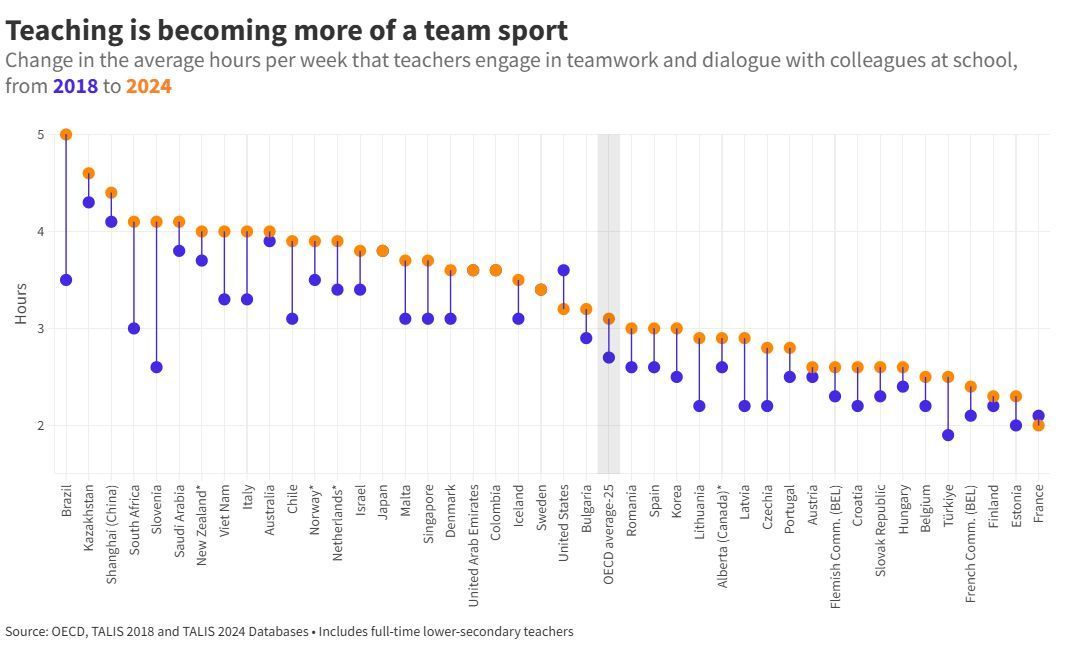
Teachers are spending more time working together. In some education systems, more than half of teachers now jointly teach at least once a month. This is good! Find out why in the world’s largest teacher survey, #TALIS: bit.ly/46UFRCS
OECD Education tweet media
English
0
15
28
3.1K
Mr. Barlow retweetledi
Dylan Wiliam
Dylan Wiliam@dylanwiliam·
For a while now, I have been convinced that one of the most effective uses of AI in education would be to provide personal, private, coaching for teachers. I thought it would take five years, but it seems that it is here, or at least very close, already: bit.ly/3PADiO8
English
16
47
260
41.2K
Mr. Barlow retweetledi
Years Progress
Years Progress@YearsProgress·
2024 is 98% complete.
Years Progress tweet media
English
33
2K
8.9K
368.6K
Mr. Barlow retweetledi
OECD Education
OECD Education@OECDEduSkills·
Relatively few students engage in extra-curricular activities, according to new OECD data. But engagement in these activities is related to higher levels of all social and emotional skills of 10 and 15-year-olds on average. How can schools help? 👉oe.cd/5KD
OECD Education tweet media
English
2
37
68
9.2K
Mr. Barlow retweetledi
Daniel Pink
Daniel Pink@DanielPink·
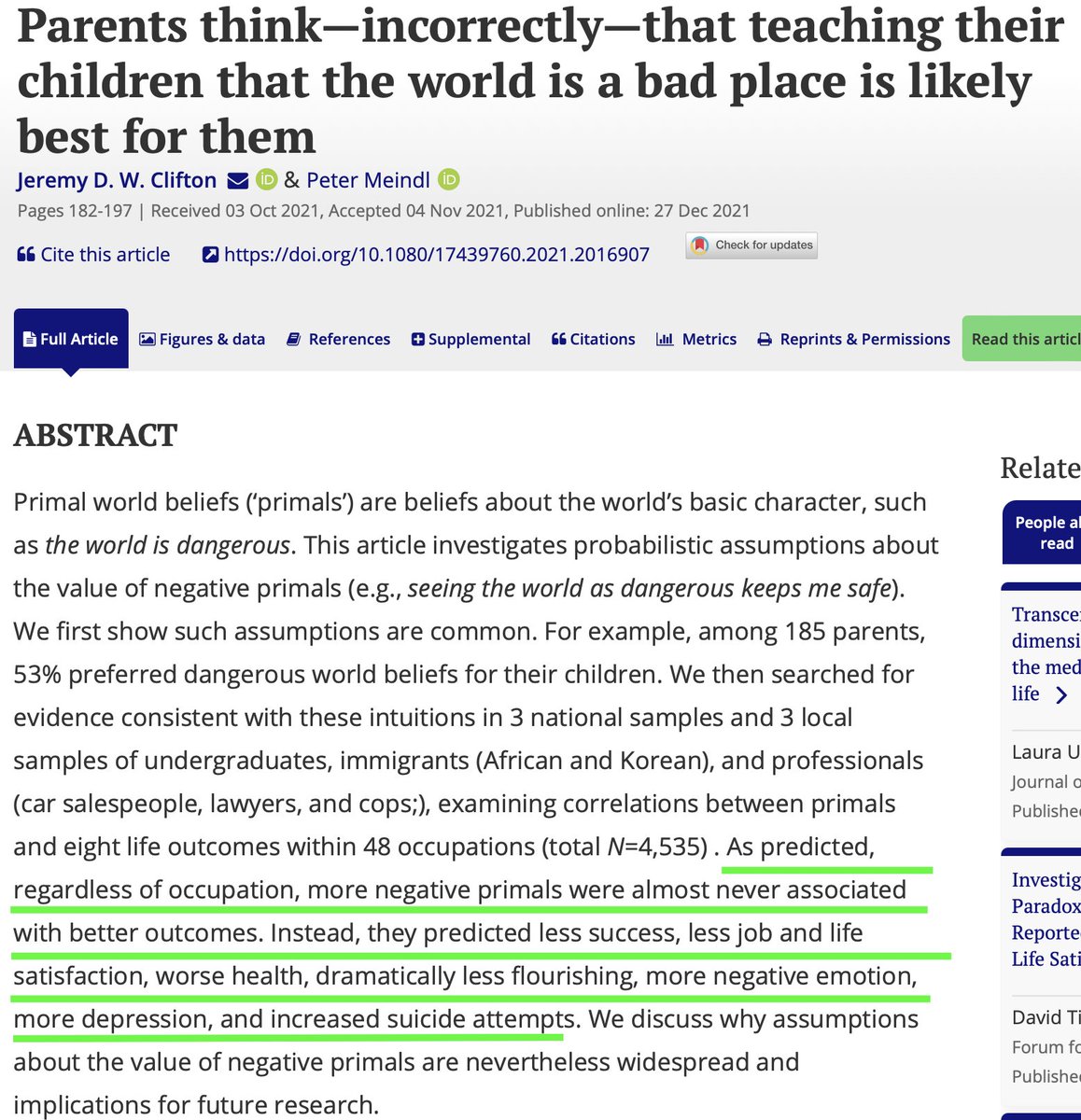
Many parents believe that teaching kids the world is dangerous 🌍🚨 prepares them for life. The research says otherwise. 📚❌ Those beliefs predicted less success, lower satisfaction, and worse health. Teaching kids the world is bad doesn’t prepare them—it stifles them. 🚫🌱
Daniel Pink tweet media
English
14
87
277
42.8K
Mr. Barlow retweetledi
Jamie Clark
Jamie Clark@XpatEducator·
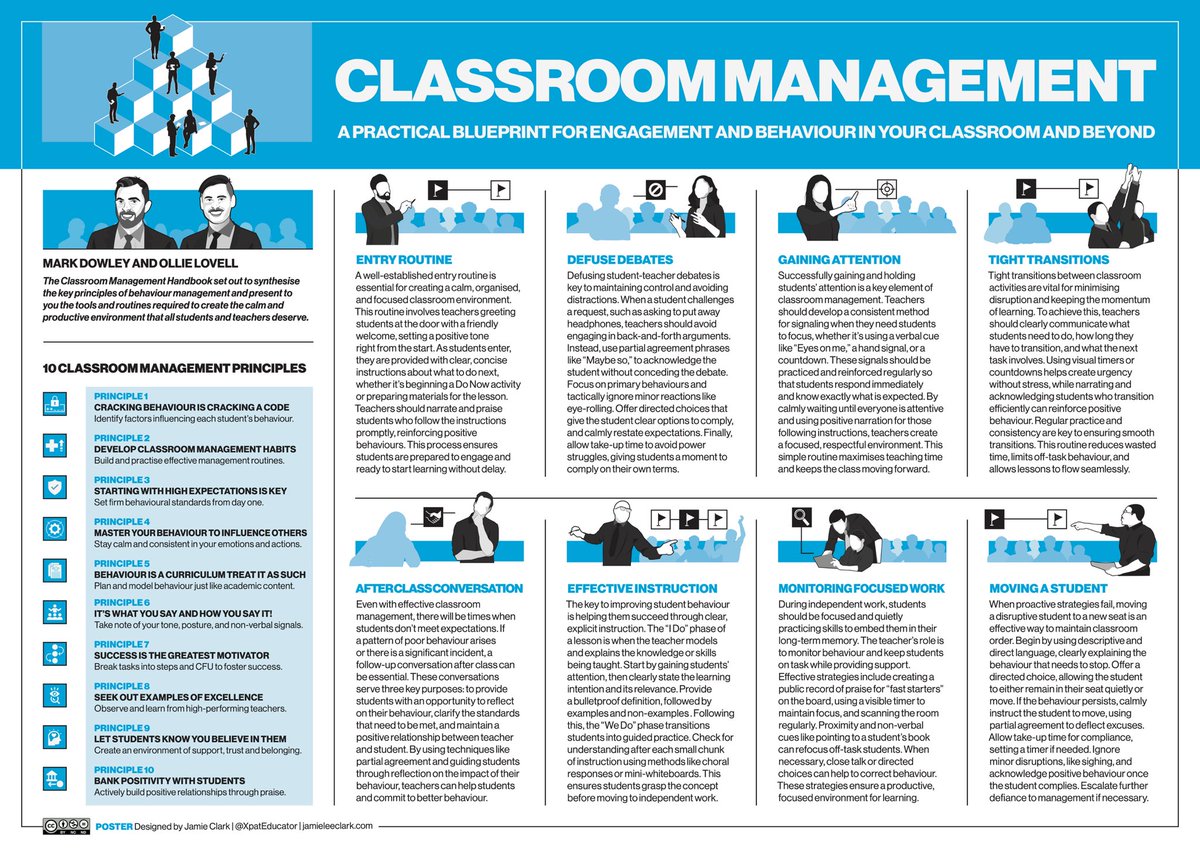
🛎️ CLASSROOM MANAGEMENT! This new A3 poster highlights the key principles and top routines from highly practical The Classroom Management Handbook by @coachdowley and @ollie_lovell. Grab your copy of the book via @JohnCattEd - these ideas have helped me personally create calmer, more focused classrooms! ☝️REPOST first and download a FREE HQ copy here: jamieleeclark.com/graphics
Jamie Clark tweet media
English
7
181
521
101.2K
Mr. Barlow
Mr. Barlow@mrbarlow·
Our world is constantly improving in very good ways …
Mr. Barlow tweet media
English
0
0
0
12
Mr. Barlow retweetledi
edutopia
edutopia@edutopia·
edutopia tweet media
ZXX
4
133
573
53.1K
Mr. Barlow retweetledi
Wonder of Science
Wonder of Science@wonderofscience·
Listen to the hypnotizing sound of whale song as a mother and baby humpback whale bask in the warm waters off the coast of Tonga. 📽: Paul Nicklen
English
71
1.2K
5.1K
220.8K
Mr. Barlow retweetledi
Max Roser
Max Roser@MaxCRoser·
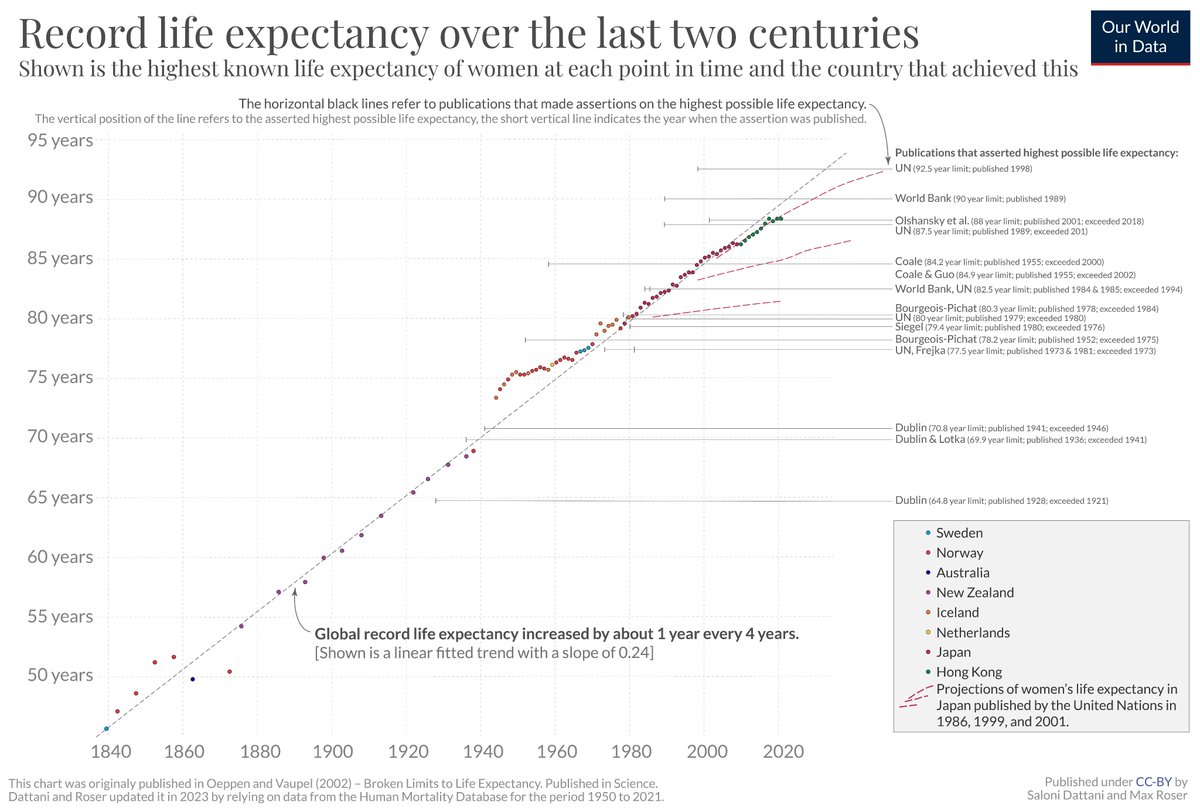
A bit of a complicated chart, but if you spend a bit of time looking at it I hope you find it valuable. The chart shows in which country women had the highest life expectancy in each year since 1840. Back then, women lived longest in Sweden, where they had a life expectancy of 46 years. Since then the maximum life expectancy increased incredibly steadily. The long-run trend is that life expectancy increased by about 1 year every 4 years. The trend is almost a perfectly straight line. The chart also shows various predictions that asserted what the highest possible life expectancy for humans could possibly be. The first one is from Louis Dublin who claimed in 1928 that it is 64.8 years. But that was even wrong at the time — apparently he didn't know that women in New Zealand were already living longer. Prediction after prediction was broken as life expectancy increased steadily, as you see in the chart. None of this happened by itself, it was an achievement of the efforts of people around the world in these two centuries. If you see zoom out to see where we are coming from, it becomes obvious that we are capable of incredible achievements that make our lives much better.
Max Roser tweet media
English
17
51
202
33.7K
Mr. Barlow retweetledi
Max Roser
Max Roser@MaxCRoser·
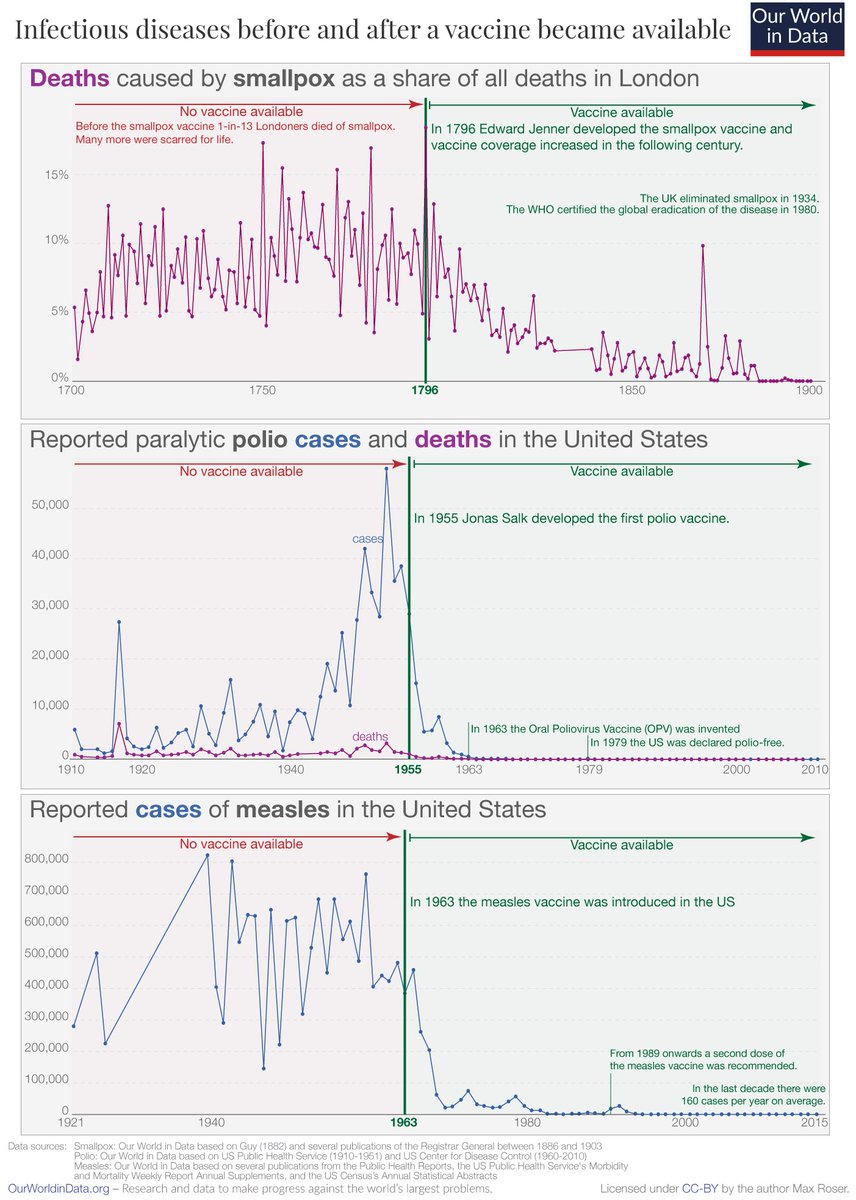
The history of three infectious diseases — smallpox, polio, and measles — before and after a vaccine was available. From my article on humanity's long fight against infectious diseases: ourworldindata.org/microbes-battl…
Max Roser tweet media
English
25
371
874
127.1K
Mr. Barlow retweetledi
Dr. Eli David
Dr. Eli David@DrEliDavid·
Wow 🤯👏👏👏👏
3.6K
61.2K
581.5K
39.6M
Mr. Barlow retweetledi
Our World in Data
Our World in Data@OurWorldInData·
Vaccines account for 40% of the decline in infant mortality over the last 50 years. Infant mortality rates have plummeted over the last 50 years. Globally, they’ve fallen by over two-thirds, from around 10% in 1974 to less than 3% today. A recent study — published in The Lancet by Andrew Shattock and an international team of researchers — estimates that 40% of this decline has been driven by increased access to crucial vaccines. The chart shows the actual reduction in infant mortality rates with vaccination (in blue) and the researchers’ estimates for a hypothetical scenario in which vaccines wouldn’t have been rolled out (in red). Based on these figures, vaccines are estimated to have saved 150 million children over the last 50 years. (This Daily Data Insight was written by @_HannahRitchie.)
Our World in Data tweet media
English
92
699
1.8K
194.4K