
Mark N
3.3K posts

Mark N
@mviski
Mostly having a good time. Interests: immunology, Waymo, AI, electric bikes, China, trains, writing sci fi.

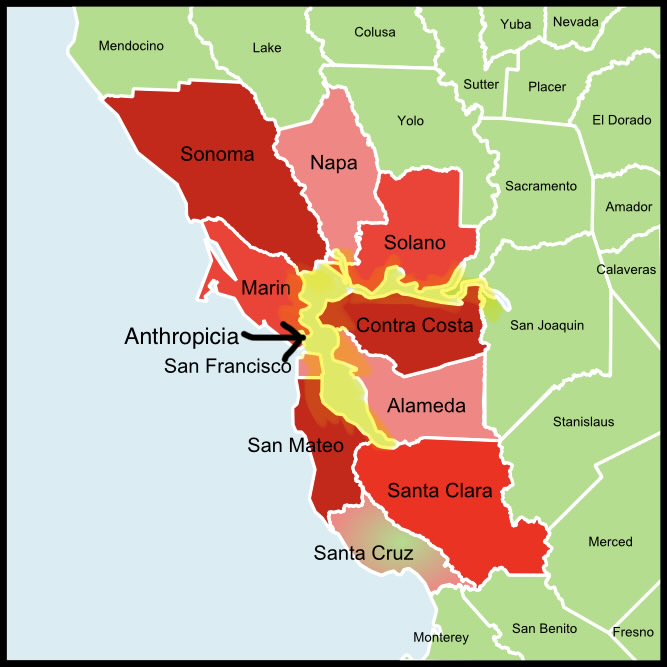


this isnt bread, this is a crime against grain, your soulless yankee…





Fastest declining metro areas from 2024-25: Guayama, PR: 65K → 64K (-1.2%) Ponce, PR: 266K → 263K (-1.1%) Watertown, NY: 113K → 112K (-1.1%) Kahului, HI: 162K → 161K (-1.0%) Santa Cruz, CA: 261K → 259K (-1.0%) El Centro, CA: 183K → 181K (-0.7%)





okay but have you considered that they’re just two waymos in love



Everyone in the world has to take a private vote by pressing a red or blue button. If more than 50% of people press the blue button, everyone survives. If less than 50% of people press the blue button, only people who pressed the red button survive. Which button would you press?

The city itself mogs

Did you know BART has been installing bioretention areas, often called “rain gardens,” at stations across the system? These landscaped areas are designed to slow, capture, and naturally filter stormwater, removing pollutants like harmful hydrocarbons, heavy metals, and debris. #EarthDay

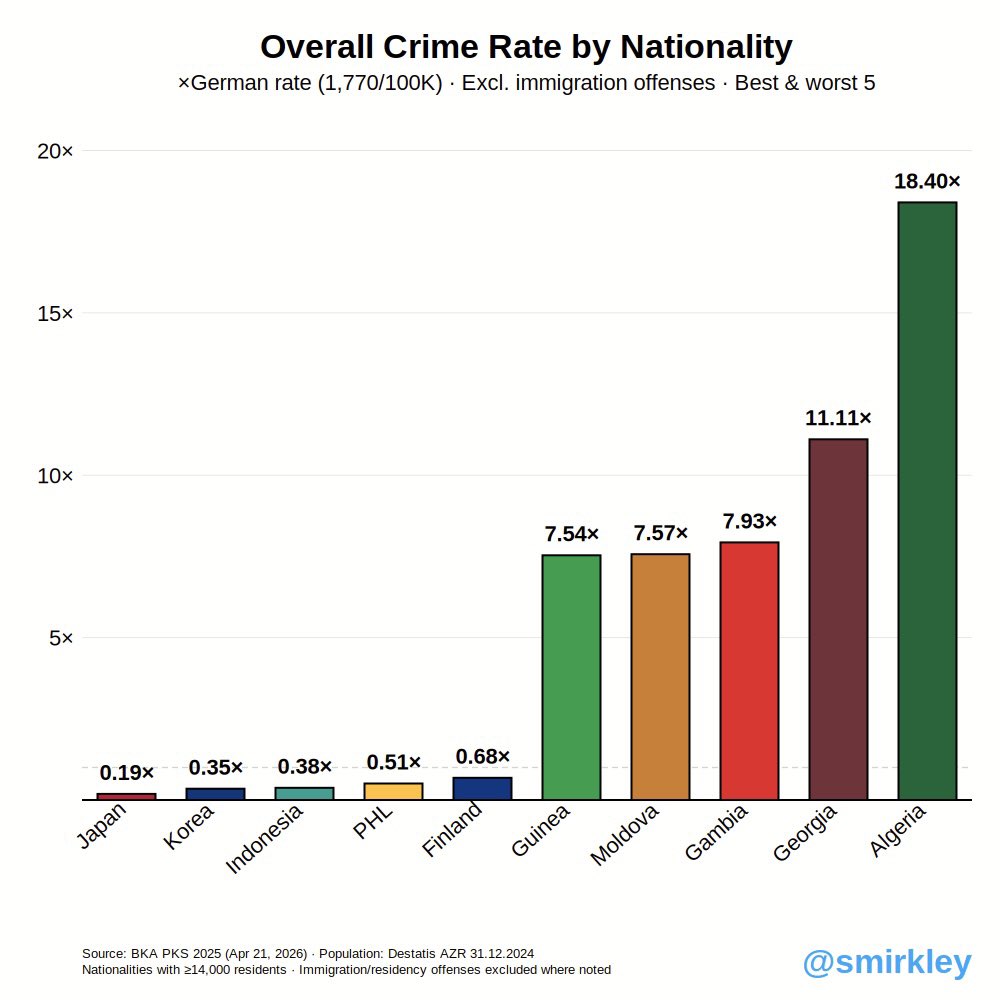
Can water intake prevent Alzheimer’s disease? No. This is fully AI-generated… but the data below could easily pass as real. The new ChatGPT image model is truly impressive, but I think it poses a real risk for scientific integrity in future. For example, I could just generate a dataset with a single prompt that appears to show something like water preventing Alzheimer’s disease. Ironically, we used to laugh at obvious “AI slop” (like those weird generated mice), but that’s changing pretty fast. If I were reviewing this fake figure today, I’m not sure I could reliably tell whether this figure is real or AI-generated? The bigger issue is that the usual signals we rely on e.g., how realistic or plausible something looks are no longer enough. I think we really need more comprehensive AI detection and, more importantly, stronger verification standards for scientific submissions going forward. We’ll probably also need better ways to digitize lab notebooks and ensure access to raw data, something closer to how code and version history are tracked...