Mwesigwa M. Rwaheru

1.7K posts

Mwesigwa M. Rwaheru

Mwesigwa M. Rwaheru

@mwesigwarm

Director - DLCO-EA (registered with the UN), Agricultural Economist, Rotarian. Integrated migratory pest management in eastern Africa

Katılım Ekim 2012
863 Takip Edilen520 Takipçiler
Mwesigwa M. Rwaheru retweetledi
The New Vision
The New Vision@newvisionwire·
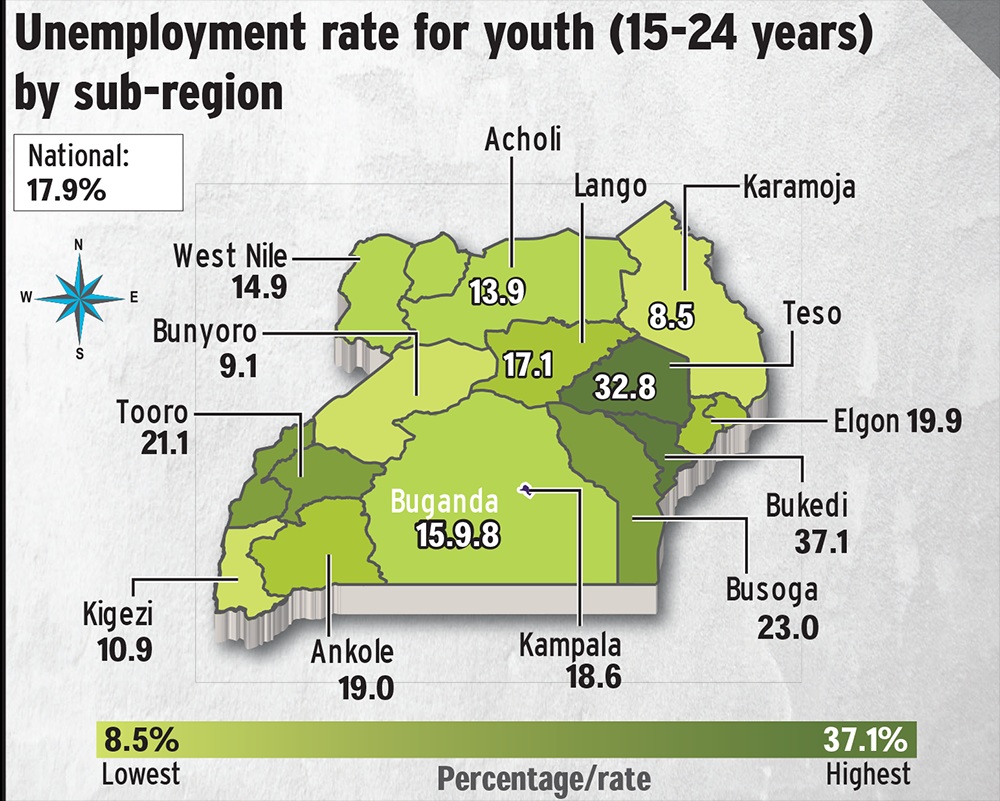
Bunyoro has highest share of employed people, lowest region named The latest labour market survey shows that Bunyoro sub-region has the highest share of people in work, with an employment to-population ratio (EPR) of 57.3%. Kampala follows at 51.8%, while Buganda stands at 49.8%. DETAILS 👉👉newvision.co.ug/category/news/… #VisionUpdates
The New Vision tweet media
English
17
36
90
13.3K
Mwesigwa M. Rwaheru retweetledi
Toby
Toby@TomolaGroup·
Dangote just told East African leaders he’ll build a second 650,000 barrel per day refinery in Tanga, Tanzania. Identical to the one in Lagos. Kenya, Uganda, DRC and South Sudan will supply the crude. A pipeline from Mombasa to Tanga will support it. Presidents Ruto and Museveni were both at the table when he made the commitment. Four to five years to build. The Iran war exposed how dependent Africa is on Middle East fuel imports. Some East African countries get 75% of their fuel from the Gulf. Dangote’s Lagos refinery is already shipping refined products to Tanzania, Ghana, Cameroon and jet fuel to Europe. Now he wants to replicate the whole thing in East Africa. From one refinery to a pan-African refining network. This man is not building a company. He’s building infrastructure for an entire continent.
English
107
1.3K
6.4K
314.1K
Mwesigwa M. Rwaheru retweetledi
Rotary Club of Nansana
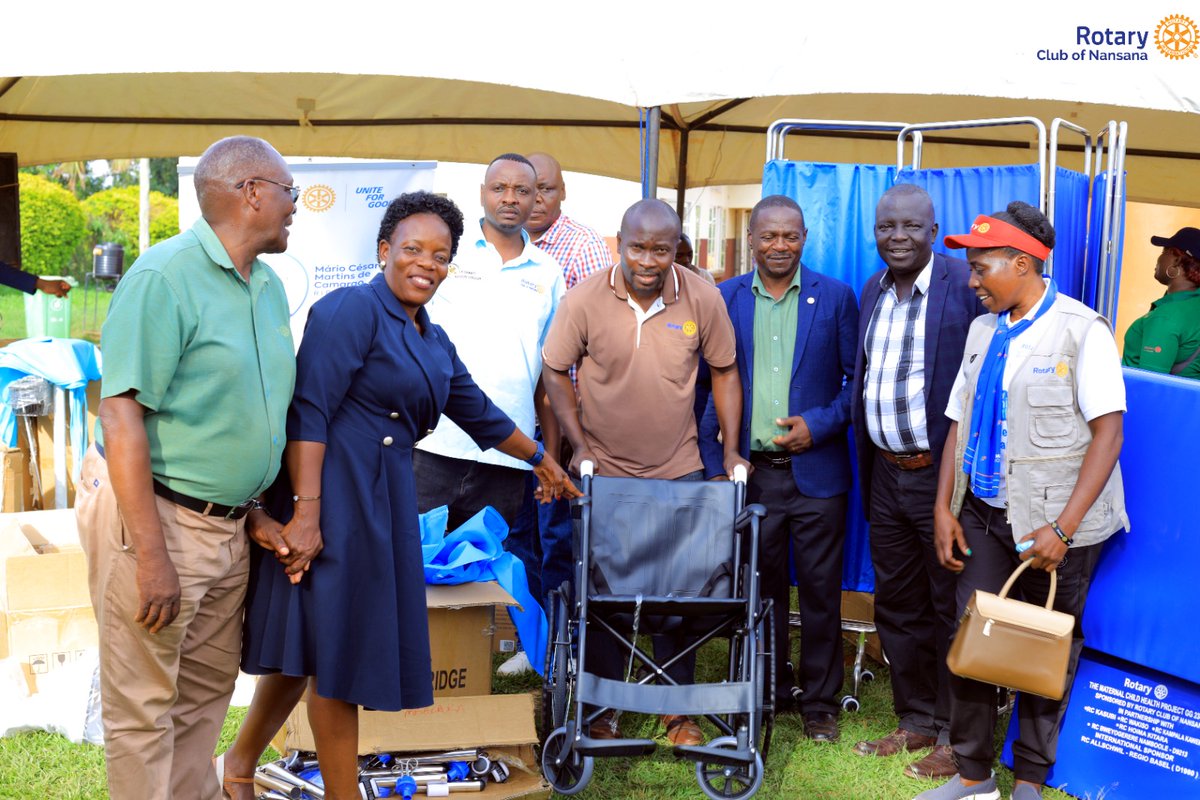
This was in Hoima for the grand commissioning event of our MCH project. PDG Xavier was at hand to oversee the handover. We appreciate the efforts of our past leaders who started this off and this is a continuation of the impact we're creating in the communities. @rotaryd9213
Rotary Club of Nansana tweet mediaRotary Club of Nansana tweet mediaRotary Club of Nansana tweet mediaRotary Club of Nansana tweet media
English
0
4
9
144
Mwesigwa M. Rwaheru
Mwesigwa M. Rwaheru@mwesigwarm·
I have paid a courtesy call to the 🇹🇿 Minister of Agriculture and @dlco_ea Governing Council of Ministers 1st Vice Chairperson in Dodoma, 🇹🇿. I have briefed him on the ongoing activities and future plans. He has pledged his support and commitment to DLCO-EA. I thank him.
Mwesigwa M. Rwaheru tweet media
English
0
0
0
83
Mwesigwa M. Rwaheru retweetledi
Geoffrey M. Kitakule
Geoffrey M. Kitakule@GKitakule·
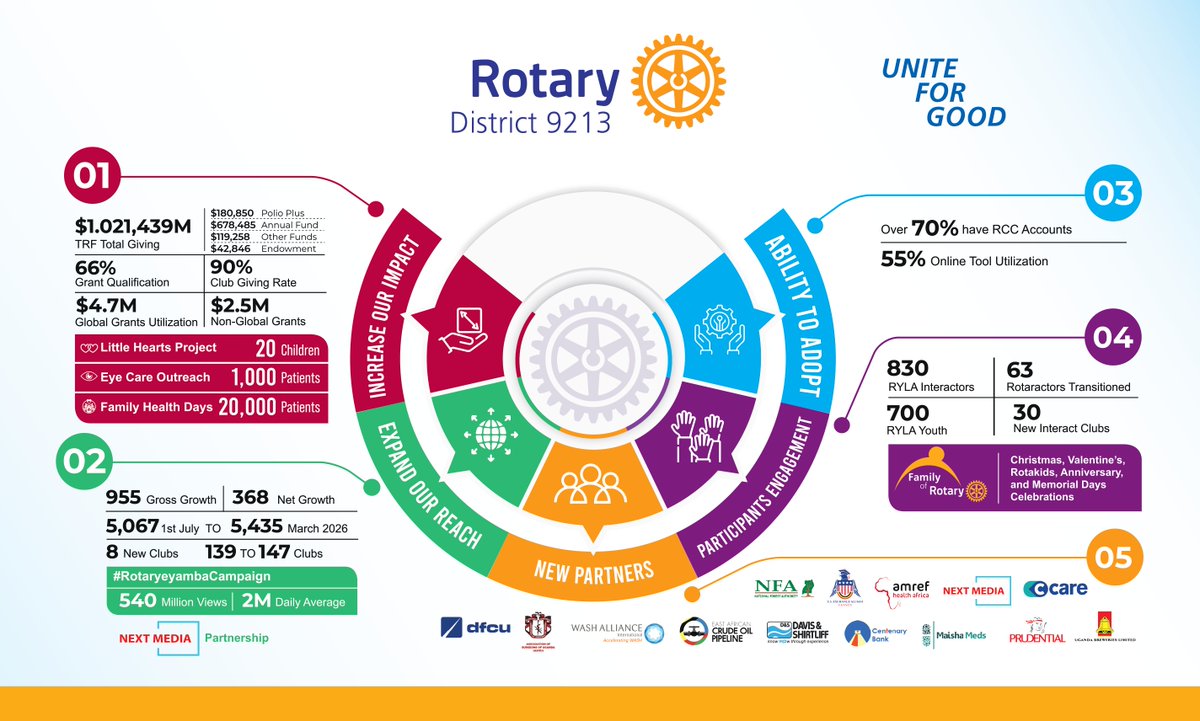
As a District, @rotaryd9213 we have raised over $1 million, connected with more than 20,000 people through Family Health Days, inspired 1,500 young leaders, and shared our story with 540 million people using #RotaryEyamba. This is what it means to unite for good. Yet our journey is far from over. I urge every Rotarian, Rotaractor, and partner to press on with renewed determination. Let’s serve deeper, give greater, and extend our impact even further. Every day left is a new opportunity. Let’s finish strong and create a legacy that will inspire generations to come. #RotaryEyamba
Geoffrey M. Kitakule tweet media
English
4
63
122
2.2K
Mwesigwa M. Rwaheru retweetledi
Ministry of Foreign Affairs - Uganda 🇺🇬
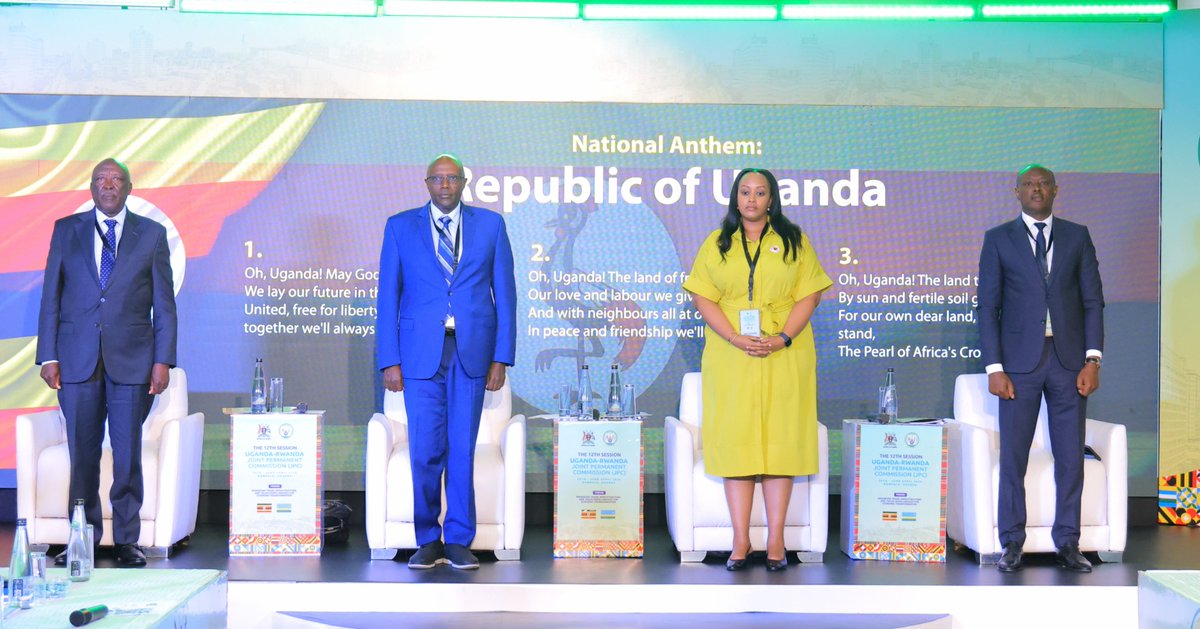
The 12th Uganda–Rwanda Joint Permanent Commission opened today at Mestil Hotel, Kampala, with the Senior Officials’ Meeting. The Ugandan delegation is led by Amb. @richardkabonero , Head of REC, Ministry of Foreign Affairs, who welcomed the Rwandan delegation led by Ms. Teta Gisa, Director General for Africa Department, @RwandaMFA . The JPC reaffirms both Sister Republics’ commitment to deepen cooperation in defense, trade, infrastructure, migration, and human capital for mutual prosperity.
Ministry of Foreign Affairs - Uganda 🇺🇬 tweet mediaMinistry of Foreign Affairs - Uganda 🇺🇬 tweet mediaMinistry of Foreign Affairs - Uganda 🇺🇬 tweet mediaMinistry of Foreign Affairs - Uganda 🇺🇬 tweet media
English
25
289
1.2K
136.4K
Mwesigwa M. Rwaheru retweetledi
Prof. Nuwagaba Augustus
Prof. Nuwagaba Augustus@ProfNuwagaba·
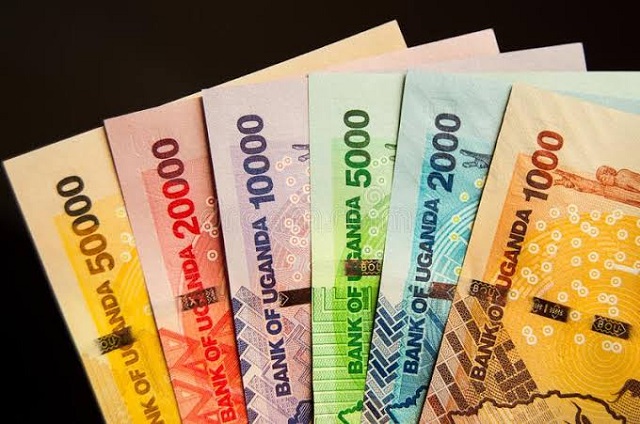
UNDERSTANDING SAVING AS A DRIVER OF ECONOMIC TRANSFORMATION Let us have an honest conversation. Many people want economic transformation, but few are willing to start with the most basic foundation namely; saving.
Prof. Nuwagaba Augustus tweet media
English
21
59
203
10.2K
Mwesigwa M. Rwaheru retweetledi
Daron Bartlett
Daron Bartlett@bartlettdaron·
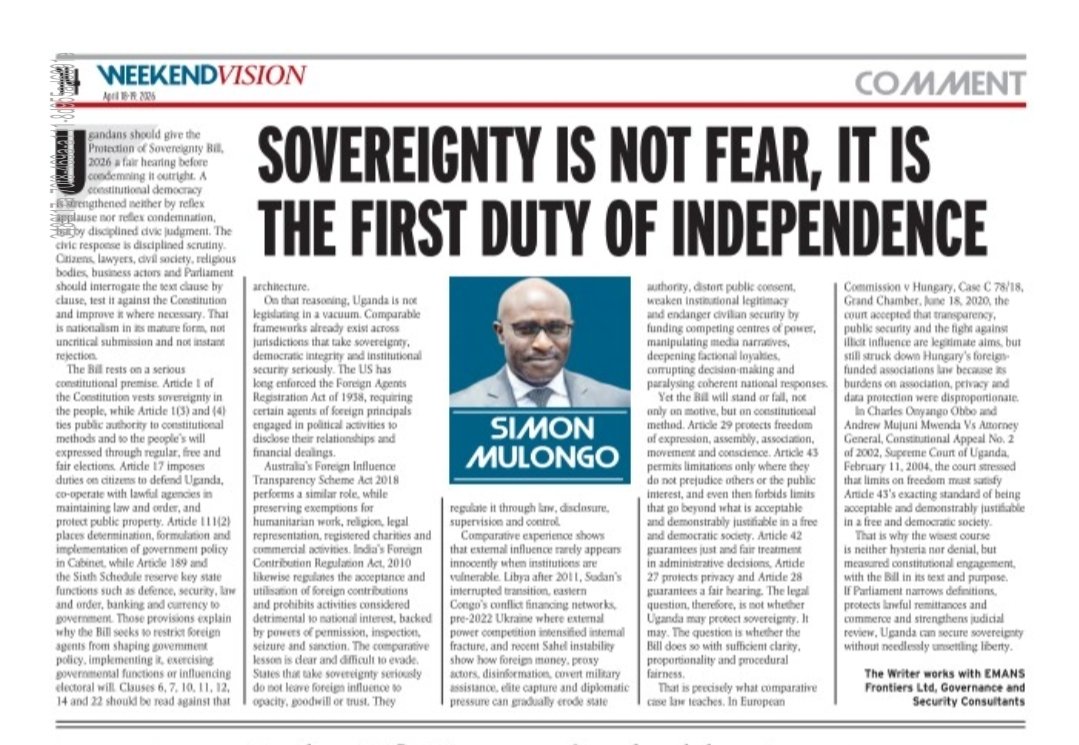
My people lost jobs when DGF left, and it got worse when USAID exited. Some NGOs here spend more than 400m, which the government proposes to limit in funding. In fact, 400m is the cost of a simple double-cabin vehicle, and an NGO would need to spend that much just to do work that the government would have done but is limited in funding. I think the best option here is to strengthen Financial Intelligence so they can do their job as they have been doing. Let's not behave as if there weren't existing laws to manage foreign influence.
Daron Bartlett tweet media
English
26
81
239
23.6K
DeeDi
DeeDi@DeeSandy20·
Imagine delaying to have kids just because you’re still broke and you still go ahead to have them at 35.. when you’re still broke 😭😂
English
85
70
535
17.2K
Mwesigwa M. Rwaheru retweetledi
⚛✴ 🎀 𝒩𝒶𝓀𝒽𝒶𝒷𝒾 𝒜𝓃𝓃𝒶 🎀 ✴⚛
Have the awareness to know what will drain and drown you 🔥🔥 Room rewards contribution . Talk to move the forward. Act decisively. Position yourself. Sit where decisions are made. Engage where influence is shaping Sustain your relationship in the room., create value in the room. Adapt- the rooms evolve. Consistency over charisma . Master ur emotions under pressure. The room is the test, not the reward. Know self, move with intention. Where have you missed the opportunities in the room? @kyamageroandrew . Thank you sir.
English
0
6
11
519
Mwesigwa M. Rwaheru
Mwesigwa M. Rwaheru@mwesigwarm·
@amronaldo Thanks for sharing your insights especially the comparison with similar attempts by other countries. My opinion is that you make a formal submission to the committee for consideration.
English
1
0
7
930
Ronald Amanyire
Ronald Amanyire@amronaldo·
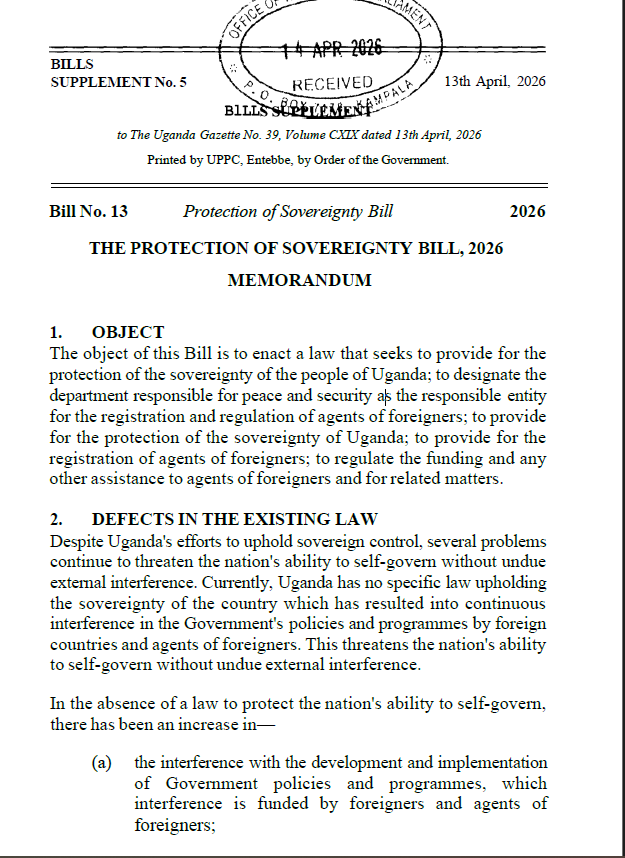
I finally got a copy of The Protection of Sovereignty Bill last evening, went through it and let me tell you, some people are in trouble....my take: This Bill is being paraded as a shield for Uganda’s sovereignty and yet I thought we already have that in the Constitution. In reality it is a weapon aimed directly at the heart of our constitutional freedoms. It pretends to guard us against foreign interference but we are a poor country heavily dependent on foreign aid (government and private citizens). Its provisions are so sweeping, so vague, and so punitive that they would criminalise legitimate civil society, journalism, and even ordinary Ugandans who dare to engage with the wider world. Clause after clause strips power from institutions and hands it to Cabinet and the Minister of Internal Affairs, concentrating unchecked discretion in the Executive. The definition of “agent of a foreigner” is so dangerously broad that it could ensnare NGOs delivering some service like Road Safety NGOs under @ROSACUg, health services, businesses trading internationally, or even citizens with relatives abroad. The Bill dresses repression in the language of “economic sabotage” and “disruptive activities.” BUT criticism of government mismanagement is not sabotage it is holding it accountable. Cooperation with foreign partners in education, health, and development is not subversion, it is progress. By equating foreign support with treason, this Bill risks isolating Uganda from the very partnerships that have sustained our people. Sovereignty is not preserved by silencing voices, strangling civil society, or threatening citizens with twenty-year prison sentences. Sovereignty is preserved when government is accountable, when institutions are independent, and when Ugandans are free to speak, organize, and participate without fear. If passed in its current form, this Bill will not protect Uganda’s sovereignty but it will erode it. It will shrink freedoms, concentrate power, and undermine the democratic values that sovereignty is meant to defend. It is not about not sovereignty, it is about suffocation. COMPARATIVE TO OTHER COUNTRIES Ethiopia: Charities and Societies Proclamation (2009) Ethiopia introduced one of the most restrictive NGO laws on the continent in 2009. It barred organizations receiving more than 10% of their funding from foreign sources from engaging in human rights, advocacy, or governance work. The impact was devastating: civil society was crippled, international cooperation collapsed, and the country faced widespread condemnation. Recognizing that the law undermined democratic development, Ethiopia repealed it in 2019 and replaced it with a more liberal framework. Kenya: NGO Coordination Act (1990, amended). Kenya’s NGO Coordination Act requires registration of NGOs and disclosure of foreign funding. In 2013, draft amendments proposed capping foreign funding at 15%. This sparked strong public and international backlash, and the proposal was abandoned. The lesson from Kenya is transparency can be achieved without punitive restrictions, and civic space can be preserved by rejecting extreme measures. Tanzania: NGO Act (2002, amended 2019) Tanzania’s NGO Act mandates registration, government oversight of NGO activities, and reporting of foreign funding. Amendments in 2019 expanded state power, allowing authorities to deregister NGOs arbitrarily. In practice, this has been used selectively against critics of government. The Tanzanian example shows how over-regulation risks turning sovereignty laws into political weapons rather than genuine safeguards. South Africa: Foreign Agents Registration Debate (2023) South Africa has debated introducing a foreign agents registration law, modeled partly on the U.S. Foreign Agents Registration Act (FARA). The proposal would require disclosure of foreign-funded advocacy groups. Unlike Ethiopia or Tanzania, the debate has been framed around transparency rather than repression. The lesson here is that disclosure requirements, if narrowly tailored, can balance sovereignty with constitutional freedoms. Nigeria: Foreign Contributions Regulation (proposed 2017) Nigeria attempted to regulate foreign donations to NGOs and political groups in 2017. The proposal was heavily criticized as unconstitutional and was never fully enacted. Nigeria’s experience demonstrates that overreach not only undermines legitimacy but also invites legal challenges that weaken the credibility of such laws. @Parliament_Ug
Ronald Amanyire tweet media
English
53
134
287
28.5K
Mwesigwa M. Rwaheru
Mwesigwa M. Rwaheru@mwesigwarm·
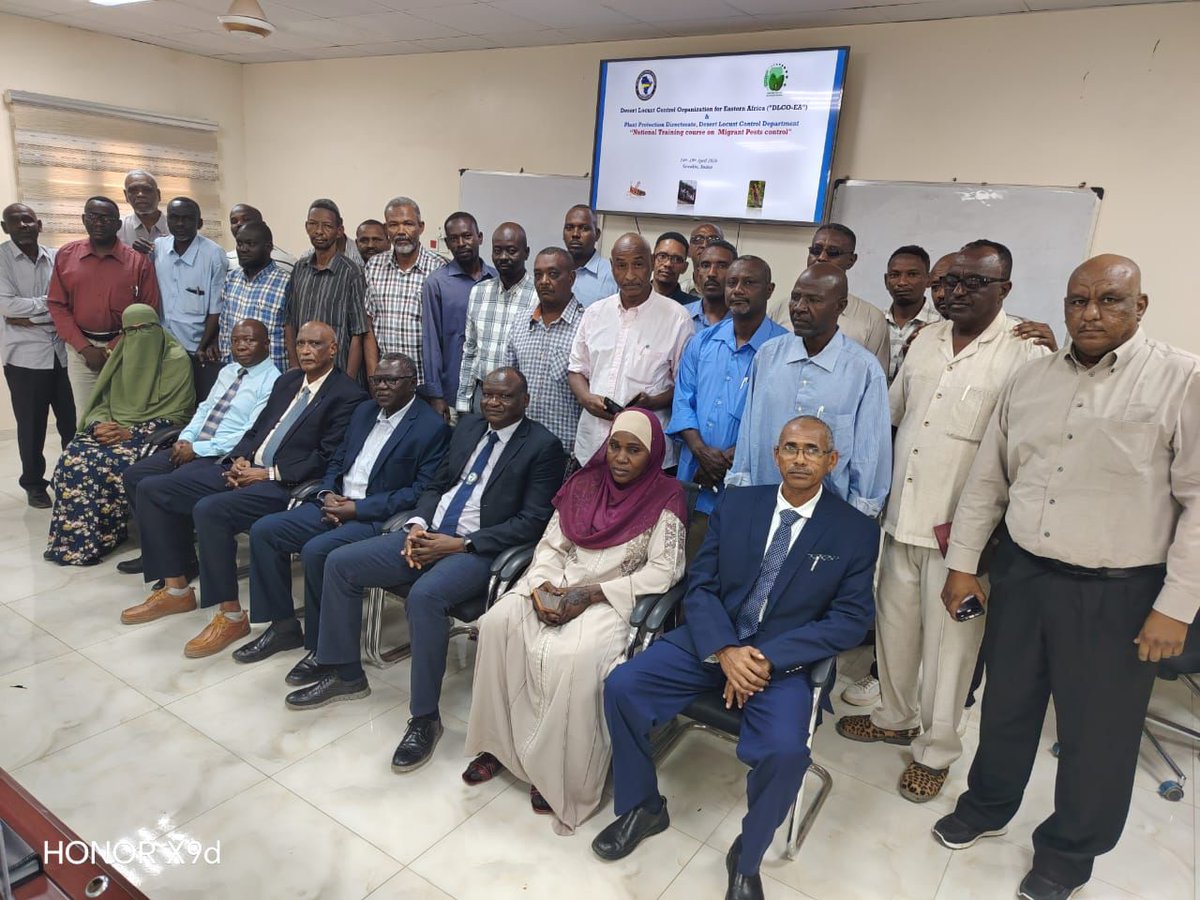
A team of plant protection officers from various states in Sudan are attending a 5-day migratory pest management training organised by @dlco_ea and Plant Protection Directorate, Ministry of Agriculture and Irrigation, Republic of Sudan at Soakin, Port Sudan. Emphasis is on Desert Locusts and Quelea birds, the two most devastating migratory pests in the country and the eastern African region at large. This will enhance the country's preparedness to migratory pests' detection and control for improved food security. #Foodsecurity #capacitybuilding
Mwesigwa M. Rwaheru tweet mediaMwesigwa M. Rwaheru tweet mediaMwesigwa M. Rwaheru tweet media
English
0
2
5
74
Mwesigwa M. Rwaheru
Mwesigwa M. Rwaheru@mwesigwarm·
Men have to step in and support the boy child, otherwise this buju buju will lead to weaker men who may not handle life's challenges
guwattc@guwattc1

@ManCaveUg Calling a 19 year old, Buju buju.

English
1
0
2
104