Mike Whaling

3.1K posts

Mike Whaling banner
Mike Whaling

Mike Whaling

@mwhaling

This is your world. Shape it, or someone else will. @30lines / #RentPress / Downtown @YCbus

Columbus, OH Katılım Temmuz 2008
1K Takip Edilen893 Takipçiler
Jake
Jake@JakehellerAI·
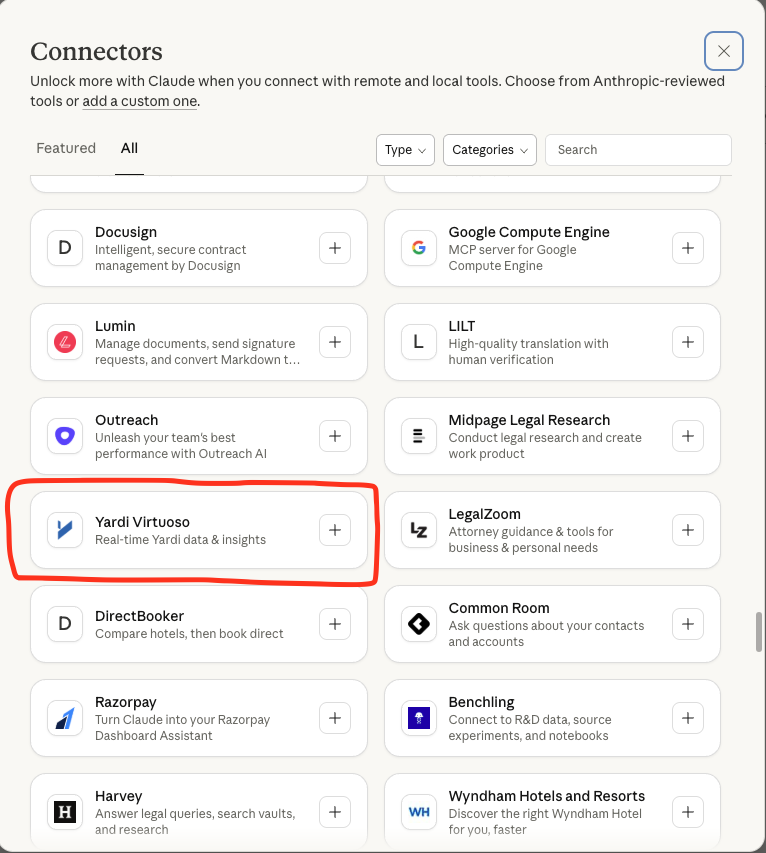
One of the biggest names in CRE is plugged into Claude Yardi Virtuoso connectors let you query your real time property data through a conversation Nuts "Where is rent delinquency highest across the portfolio right now?" "Which properties are trending over budget this quarter?" "What's our average days on market for vacant units by property?" the AI + CRE stack is getting real
Jake tweet media
English
24
10
330
56.4K
Mike Whaling
Mike Whaling@mwhaling·
@mbrewer @reason Imagine connecting this to your CRM and having the salesperson already know the prospect’s preferences the minute they walk in your door.
English
0
0
1
51
Mike Whaling
Mike Whaling@mwhaling·
@DallasAptGP @moseskagan NAA doesn’t do nearly enough to win the hearts and minds of the people, locally or nationally. It amazes me how much better single-family home builders and their trade groups are at PR.
English
0
0
1
44
Barrett Linburg
Barrett Linburg@DallasAptGP·
@moseskagan Serious thought NAA should spend some money to try and get this into editorial section of every major newspaper in the country
English
2
0
17
1.9K
Moses Kagan
Moses Kagan@moseskagan·
What every voter should know about housing policy 1. Rents reflect the balance of supply of apartments and demand for those apartments in a given area. That’s it; there’s no magic. If you want lower rents, you can hope for a recession that destroys jobs and, therefore, demand. Or you can add supply. 2. There is no amount of money that any big city government could feasibly spend that would add materially to supply. This is because, depending on the location, new apartments cost $250,000-1,000,000 to develop… building even a few hundred of those starts to stress any city budget, and many big cities need tens or hundreds of thousands. 3. On the other hand, investors (including pension funds and endowments, insurance companies, rich families, etc.) can collectively **easily** provide enough capital to build as much housing as we need **so long as they are confident they can get a reasonable return**. To get those investors to fund the creation of the housing our society so desperately needs, we must do two things: 1. Dramatically reduce the time & complexity associated with securing governmental permission to develop housing. This means reviewing and simplifying the overlapping regulations that constrain housing production: zoning codes, building codes, parking, ADA, etc. But it also means changing the cultures within the relevant governmental agencies from “default no” to “how can we help you?”. 2. Provide certainty around on-going regulation of apartment operations. The way investors get a return from building rentals is as follows: They hire managers to lease the apartments, collect the rents, pay operating expenses and any mortgage payments, and then send the investors the cashflow that remains. But governments all over the country have been restricting the manner in which apartment buildings can be operated in all kinds of ways. For example: Cities have been making it harder to screen tenants, while also making it much harder to evict tenants who don’t pay. You can see why both of those measures are politically popular. After all, who doesn’t want people to get second chances? And who wants anyone to get evicted? But, as a manager, the combination of those two regulations makes it much harder to predict, with any certainty, that the rent will get paid… and that makes it very difficult to get investors to provide capital to create more housing. Another example: Rent control. Again, I understand why renters love rent control and why politicians want to give it to them. But, if, as has been the case in NY, LA and San Francisco, city governments hold annual rent increases below the rate of growth in the operating expenses of the buildings, the cashflow payable to the investors shrinks… making them much less likely to invest capital in building more apartments. In conclusion: For ~every other good or service in the economy, we allow the market to function, and the result is that we have a surplus of choice at all price points (think of food or clothes or cars), which is spectacular for the consumer. If we want a surplus of choice at all price points in housing, we need to get comfortable with the idea of allowing the market to provide it. And that means allowing investors to build rental apartments *and* allowing them to operate those apartments in a manner consistent with making a reasonable profit.
English
101
168
1K
195.5K
Mike Whaling
Mike Whaling@mwhaling·
AI-generated deepfake influencers and UGC — that’s a thing now. (And just in time for election season … yay.) Time to replace the batteries in internal BS detectors … they’re going to need the extra juice. bit.ly/3VPg77f
English
0
0
2
95
Mike Whaling
Mike Whaling@mwhaling·
@moseskagan @SolveHousingUSA Sound economics and logic won’t convince the opposition. I’m convinced housing needs its own version of the dairy farmers’ “Got milk?” campaigns. Shift the dynamic in the court of public opinion — municipalities will pay attention when it’s what their constituents ask for.
English
0
0
0
23
Moses Kagan
Moses Kagan@moseskagan·
What everyone should know about housing policy: 1. Rents reflect the balance of supply of apartments and demand for those apartments in a given area. That’s it; there’s no magic. If you want lower rents, you can hope for a recession that destroys jobs and, therefore, demand. Or you can add supply. 2. There is no amount of money that any big city government could feasibly spend that would add materially to supply. This is because, depending on the location, new apartments cost $250,000-1,000,000 to develop… building even a few hundred of those starts to stress any city budget, and many big cities need tens or hundreds of thousands. 3. On the other hand, investors (including pension funds and endowments, insurance companies, rich families, etc.) can collectively **easily** provide enough capital to build as much housing as we need **so long as they are confident they can get a reasonable return**. To get those investors to fund the creation of the housing our society so desperately needs, we must do two things: 1. Dramatically reduce the time & complexity associated with securing governmental permission to develop housing. This means reviewing and simplifying the overlapping regulations that constrain housing production: zoning codes, building codes, parking, ADA, etc. But it also means changing the cultures within the relevant governmental agencies from “default no” to “how can we help you?”. 2. Provide certainty around on-going regulation of apartment operations. The way investors get a return from building rentals is as follows: They hire managers to lease the apartments, collect the rents, pay operating expenses and any mortgage payments, and then send the investors the cashflow that remains. But city governments all over the country have been restricting the manner in which apartment buildings can be operated in all kinds of ways. For example: Cities have been making it harder to screen tenants, while also making it much harder to evict tenants who don’t pay. You can see why both of those measures are politically popular. After all, who doesn’t want people to get second chances? And who wants anyone to get evicted? But, as a manager, the combination of those two regulations makes it much harder to predict, with any certainty, that the rent will get paid… and that makes it very difficult to get investors to provide capital to create more housing. Another example: Rent control. Again, I understand why renters love rent control and why politicians want to give it to them. But, if, as has been the case in NY, LA and San Francisco, city governments hold annual rent increases below the rate of growth in the operating expenses of the buildings, the cashflow payable to the investors shrinks… making them much less likely to invest capital in building more apartments. In conclusion: For ~every other good or service in the economy, we allow the market to function, and the result is that we have a surplus of choice at all price points (think of food or clothes or cars), which is spectacular for the consumer. If we want a surplus of choice at all price points in housing, we need to get comfortable with the idea of allowing the market to provide it. And that means allowing investors to build rental apartments *and* allowing them to operate those apartments in a manner consistent with making a reasonable profit.
English
70
89
543
106.1K
Mike Whaling
Mike Whaling@mwhaling·
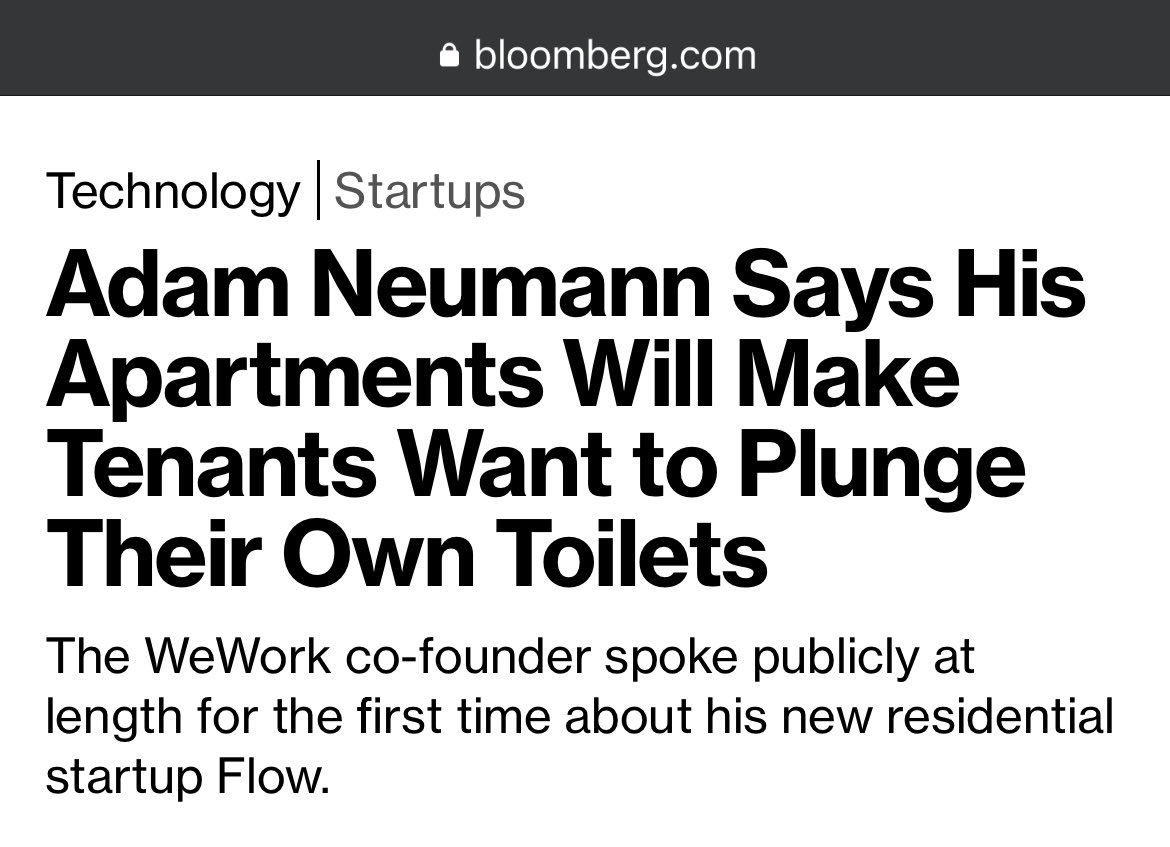
I have a feeling this one isn’t going to age well…
Mike Whaling tweet media
English
1
0
3
156
Axel Ragnarsson
Axel Ragnarsson@multifamwealth·
I would love to interview someone on The Multifamily Wealth Podcast who solely focuses on leasing apartments, maybe a someone who oversees leasing at a large PMco, some1 working on leasing tech, etc. Want to go deep on how the best operators approach leasing! Anyone have a rec?
English
6
1
14
5.5K
Mike Whaling
Mike Whaling@mwhaling·
@MultifamilyMad We see this all the time. Not only do residents stop paying, but all that “word gets around” shows up quickly as negative online reviews. Negative reviews = lower conversions = more ad spend needed to attract the next renter. NOI tanks. It can take years to break the cycle.
English
0
0
1
129
Multifamily Madness
Multifamily Madness@MultifamilyMad·
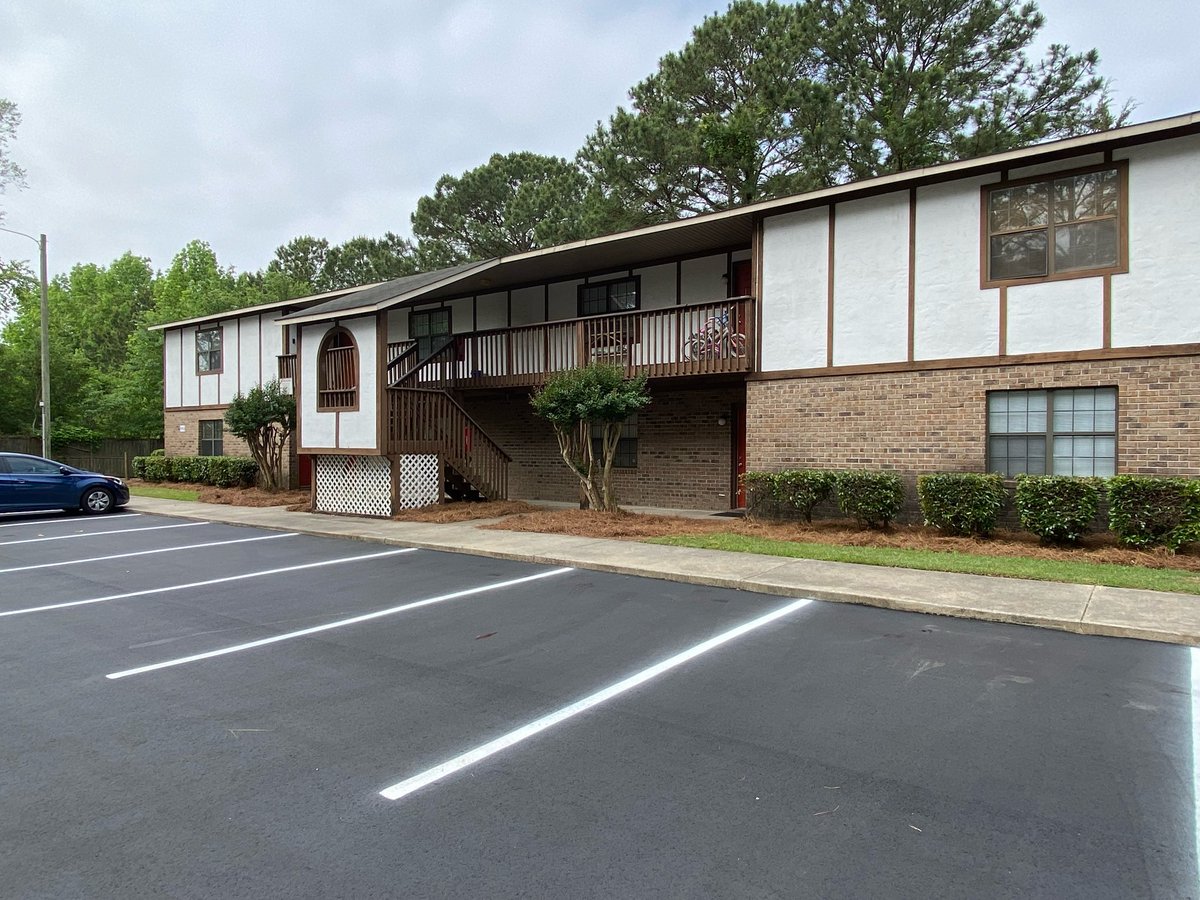
Problem w/ “value-add” investors today (before & after📸) Over the last 5 or so years, a lot of “value-add” investors have purchased a property with well below market rents & immediately start raising rents when they close the deal. No renovations, no improvements. They believe
Multifamily Madness tweet mediaMultifamily Madness tweet mediaMultifamily Madness tweet media
English
17
14
207
86.6K
Mike Whaling
Mike Whaling@mwhaling·
@JDModrak @pslohmann Not really my thing … I’m not much help on the migrations. Kim at @TheKSCGroup is the better person to ask. We work primarily on the marketing and automation, and AppFolio easily wins there over Breeze.
English
0
0
0
0
Peter Lohmann
Peter Lohmann@pslohmann·
Probably the #1 most common question I get is, what property management software do you recommend? Answer below:
English
25
18
186
0
Mike Whaling
Mike Whaling@mwhaling·
@JDModrak @pslohmann You’ll need to move up the Yardi chain and off of Breeze if you want serious integrations. If you’re considering AppFolio, their new Stack platform is open and adding partners quickly. (We’re one of them.)
English
2
0
2
0
JD Modrak
JD Modrak@JDModrak·
@pslohmann Anyone ever transitioned from Yardi Breeze to Appfolio? We’re having some buyers remorse on selecting Yardi, would love some more APIs
English
2
0
0
0
Matthew Russo
Matthew Russo@MatthewRusso·
Don't show me what you did. Show me the results.
English
1
0
1
0
John Blatchford
John Blatchford@JohnJBlatchford·
WeWork replaced the office. But the office is dying. We now need to replace work-from-home Sn easy place to walk in and work wherever you are. WeWork is bad at this: you need membership, app, access card, security guards, elevator, 20th floor...I'll just stay home.
English
15
2
37
0
Mike Whaling
Mike Whaling@mwhaling·
@bobbyfijan We see a huge uptick in usage with clients who actually program these spaces — chef demonstrations in the commercial kitchen, running/workout clubs, DJ or brand-sponsored party at the pool. Adds value for residents, but requires effort, so most don’t bother with programming.
English
0
0
4
0
Bobby Fijan
Bobby Fijan@bobbyfijan·
It's common knowledge that apartment amenities are just for leasing tours. Very few are used. And that's just accepted as a cynical reality. Such a wasted opportunity. Let's build things that actually add value to tenant. Initial lease #'s are critical ... but so are renewal %'s
English
53
11
290
0
Mike Whaling
Mike Whaling@mwhaling·
The city wants more affordable housing. A local developer steps up. But current residents push back because of "traffic concerns." (It's a total of 43 units across 2 locations.) NIMBYs being NIMBYs. bit.ly/3SyeINl
English
1
0
3
0
Mike Whaling
Mike Whaling@mwhaling·
Being an entrepreneur is like trying to put a puzzle together when all the pieces are constantly swirling. And you get to make up your own pieces and add whatever you want to the picture as you go. It's a wild ride, for sure.
English
0
0
0
0
Mike Whaling
Mike Whaling@mwhaling·
You think your software and processes are outdated? That’s nothing … just check out the cafeteria at the IRS. Yes, the cafeteria. Wow. wapo.st/3JHDOWM
English
0
0
0
0
Mike Whaling
Mike Whaling@mwhaling·
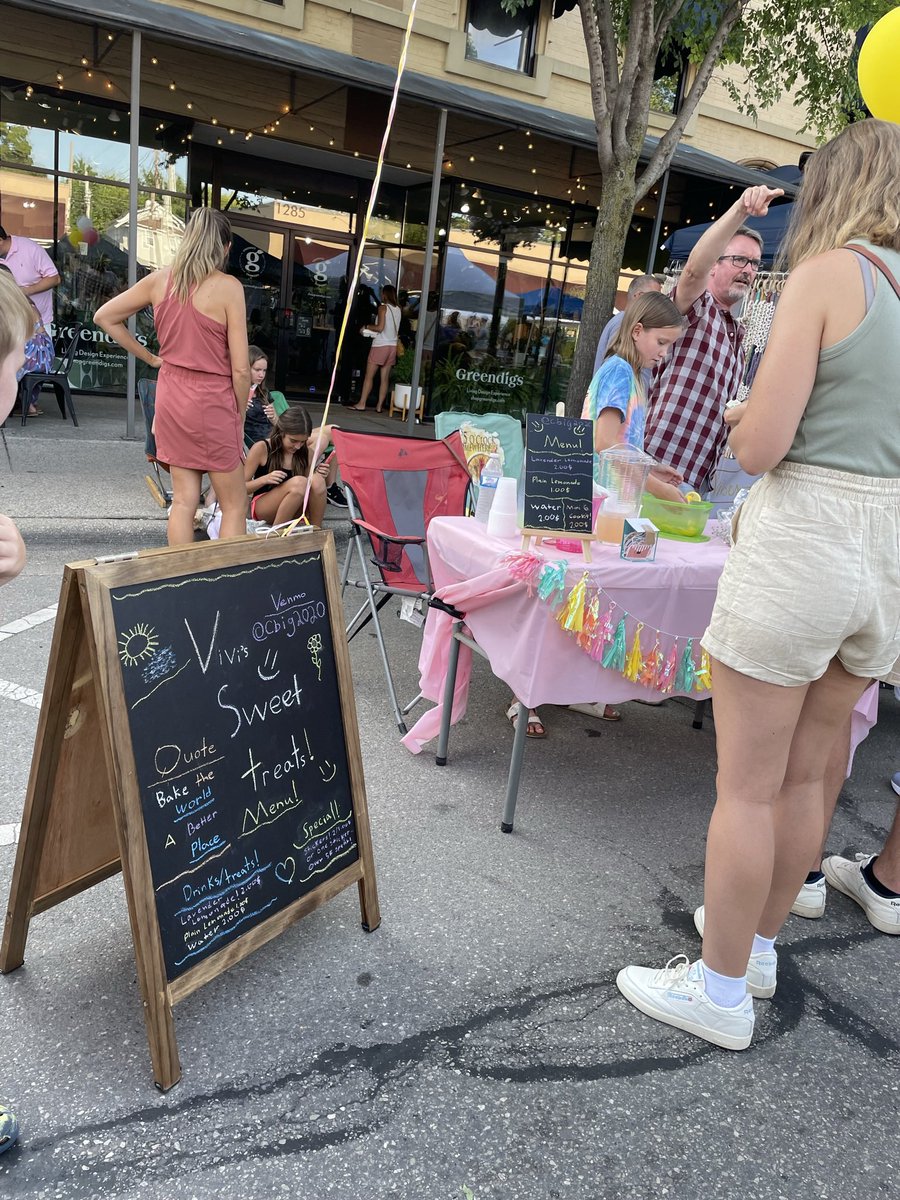
@pslohmann This young entrepreneur and her dad book a table at the street market every month to sell drinks and baked goods. She crushes it.
Mike Whaling tweet media
English
0
0
4
0
Peter Lohmann
Peter Lohmann@pslohmann·
Inspired by someone I talked to at a conference recently (can't remember who unfortunately): I want to start a micro family business that my whole family can do together, including my 4yo daughter. Something simple like making candles or soap. Anyone done this? Ideas/tips?
English
19
0
41
0
Mike Whaling
Mike Whaling@mwhaling·
@fortworthchris We recently started with @Wildsparq. Just getting started, but their team has been incredible to work with so far. Tailored a program built specifically for our team.
English
0
1
1
0
Chris Powers
Chris Powers@fortworthchris·
Are there any companies out there that provide ongoing leadership and management coaching for small business employees? Large companies have in-house training and "universities" - I'm wondering if there is a 3rd party service that offers that for SMBs.
English
47
4
101
0