MaxWell Biosystems

1.1K posts

MaxWell Biosystems banner
MaxWell Biosystems

MaxWell Biosystems

@mxwbio

We provide the most advanced #electrophysiology instrumentation to accelerate #drugdiscovery and advance basic #neuroscience research. #MEA #iPSC #Organoids

Switzerland Katılım Haziran 2016
895 Takip Edilen1K Takipçiler
MaxWell Biosystems
MaxWell Biosystems@mxwbio·
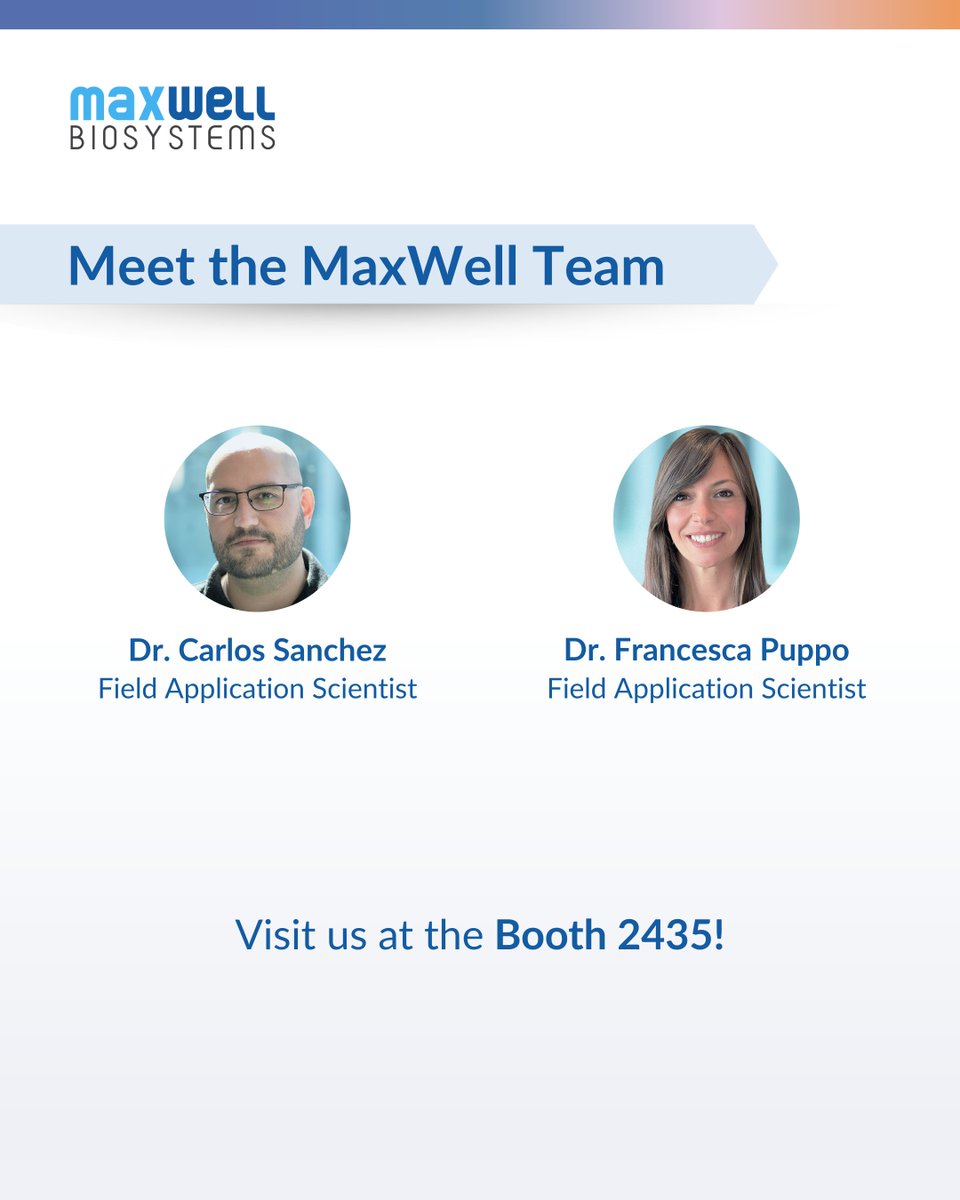
The Society of Toxicology (SOT) Annual Meeting returns to San Diego, our second home 🌴. Every year, SOT brings together toxicologists, researchers, and industry professionals working to understand how drugs, chemicals, and environmental exposures impact biological systems. When it comes to the brain, toxicity often shows up earlier than we think. Before structural damage becomes visible, neurons may already be changing the way they communicate. Measuring neural network activity allows researchers to capture these subtle functional shifts, revealing signs of neurotoxicity and compound effects that traditional assays may overlook. If you’re attending SOT in San Diego, stop by our booth and meet our Field Application Scientists, Dr. Francesca Puppo and Dr. Carlos Sanchez. They’ll be happy to discuss how our HD-MEA technology supports neurotoxicity research and functional safety assessment. #2026SOT #ToxExpo #Toxicology #Electrophysiology #MxWConnect
MaxWell Biosystems tweet mediaMaxWell Biosystems tweet media
English
0
0
2
35
MaxWell Biosystems
MaxWell Biosystems@mxwbio·
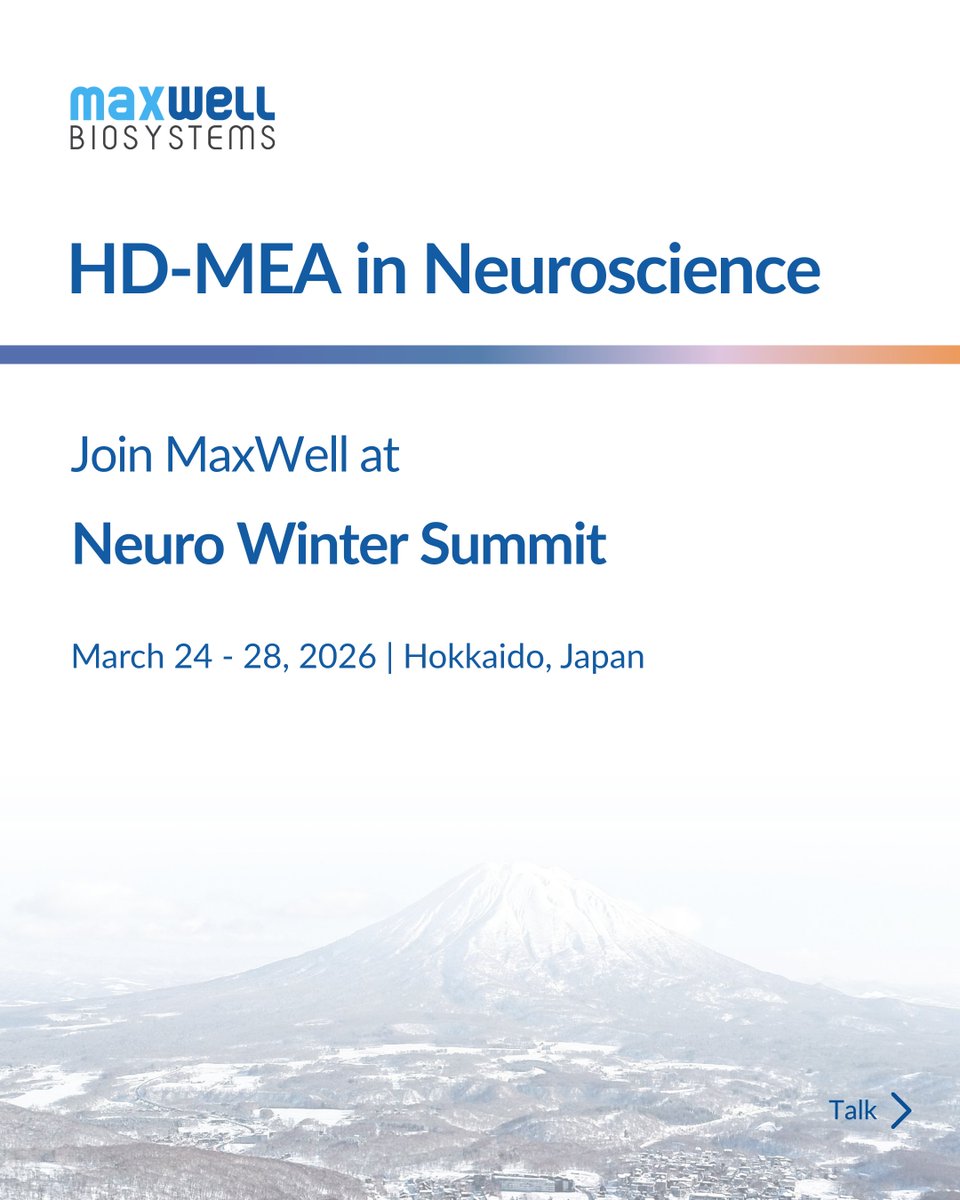
Breakthroughs in neuroscience happen when people come together and share ideas. Next stop: Hokkaido ❄️ We are heading to a meeting that brings together #research across the full spectrum of #neuroscience, from circuits to synapses, from plasticity to pathology. Come by our booth and meet our CEO @u_frey, and our Event and Account Manager Inés Blanc Giró, and discover how high-resolution #electrophysiology is opening new ways to explore neural networks and disease models. Join our talk to discover how these tools are driving new insights in neuroscience research. 🕒 Wednesday, 25 March, 2026 | 9:30 – 9:40 See you in Hokkaido! #Neurotechnology #BrainResearch #MxWConnect
MaxWell Biosystems tweet mediaMaxWell Biosystems tweet mediaMaxWell Biosystems tweet media
English
0
1
5
73
MaxWell Biosystems
🧠 It’s #BrainAwarenessWeek, and time to reflect on one simple question: How well do we actually understand brain disease? The next era of neuro disease modeling won’t be about building models alone, but also studying them in a reproducible way, with clear functional phenotypes and interpretable network-to-cell readouts. To truly understand brain disorders, we need to go beyond structure and genes, and start asking: 👉 What are neurons actually doing? 👉 How do networks behave in disease? 👉 Which phenotypes truly reflect patient biology? In this short video, Dr. Silvia Ronchi shares how we approach these questions using high-content electrophysiology, capturing activity from network dynamics down to the subcellular level, at scale. 🔗 More details below #Neuroscience #BrainHealth #DiseaseModeling #Electrophysiology
English
1
1
5
128
MaxWell Biosystems
🧠 Understanding how neural circuits develop, adapt, and shape brain function remains a central challenge in neuroscience. From neuronal identity and circuit assembly to brain states and behavior, researchers are revealing how complex neural networks emerge, refine, and reorganize across the lifespan. When these processes are disrupted, they can contribute to neurological and neurodegenerative disorders. We are looking forward to attending the SMART Symposium in Shenzhen, where leading scientists from across Asia will share new insights into neural development, plasticity, and the technologies accelerating brain research. ✨ Meet our team: Dr. @xue_xiaohan - Head of APAC Dr. @m_hruskaplochan - Scientific Business Developer Join us to learn how our next-generation High-Density Microelectrode Array (HD-MEA) technology is enabling more scalable modeling, phenotyping, and screening in neuroscience. 📌 Poster presentation “Label-Free Functional Characterization of iPSC-Derived Neurons at Subcellular Resolution ” Presented by @m_hruskaplochan Looking forward to inspiring discussions and new connections in Shenzhen 🇨🇳 #Neuroscience #SMARTSymposium #Electrophysiology #MxWConnect
MaxWell Biosystems tweet mediaMaxWell Biosystems tweet media
English
0
0
3
64
MaxWell Biosystems
🧠 Linking regional #forebrain identity to functional cortical network assembly. In a new Stem Cell Reports paper, Hernandez et al. establish mouse forebrain #organoids as a model to study how developmental cortical network activity is shaped by cellular composition. By comparing dorsal organoids, biased toward a more excitatory identity, with ventral organoids, which contain more interneuron-like populations, the authors show that differences in neuronal identity are sufficient to drive distinct trajectories of spontaneous activity and network organization. Using the MaxOne High-Density Microelectrode Array (HD-MEA) system, the team followed the activity of both organoid types longitudinally and identified clear differences in how these functional networks self-organize over time. High-resolution MaxOne recordings, combined with spike sorting and connectivity analysis, revealed distinct progression trends in synchrony and functional connectivity, indicating that dorsal and ventral organoids mature along different electrophysiological paths (Fig. 2,4). These findings highlight how regional cell composition and excitatory–inhibitory balance shape core features of cortical circuit assembly during development, even in the absence of external inputs. 👉 Read the full article here: mxwbio.com/resources/stem… 👏 Congratulations to Sebastian Hernandez, Hunter E. Schweiger, Isabel Cline, Gregory A. Kaurala, @ashashrobbins, Daniel Solis, Samira Vera-Choqqueccota, Jinghui Geng, Tjitse van der Molen, Francisco Reyes, Chinweike Norman Asogwa, @kvoitiuk, Mattia Chini, Marco Rolandi, Sofie R. Salama, Bradley M. Colquitt, @tal_sharf, David Haussler, Mircea Teodorescu, and Mohammed A. Mostajo-Radji from @ucsc, @ucsantabarbara, @BCC_CTC, University Medical Center Hamburg-Eppendorf, and the University of Liège. #Neuroscience #SpikeSorting
MaxWell Biosystems tweet media
English
0
1
4
105
MaxWell Biosystems
🚀 In space, time moves differently for the brain. 🧠 A single month in orbit can accelerate aging in brain organoids by nearly a decade. All eyes are now on the organoids that have just returned to Earth from the record-breaking International Space Station Cortical Organoid Research (ISSCOR) mission aboard the @SpaceX Endurance flight after 6 months in space. Led by Dr. Alysson Muotri and Dr. Aline Martins, this groundbreaking experiment sent nearly 200 cortical brain organoids into orbit to accelerate aging processes. The organoids were derived from neurotypical individuals of different ages as well as patients with Alzheimer’s disease. 🎯 The goal: Create advanced models of age-related neurodegeneration and unlock new possibilities for therapeutic screening. Now back on Earth, these organoids are undergoing in-depth analysis, including functional electrophysiology recordings on MaxWell Biosystems MaxTwo Multi-Well HD-MEA System, to uncover how space-accelerated aging impacts brain development, function, and neurodegenerative processes. A big shoutout to Dr. Natalia Chermont and Luisa Coelho for their key contribution in this amazing project. This experiment marks a major milestone for space biology and neuroscience. We are incredibly excited to see what these organoids will reveal. Brain research is entering a new orbit. 🌍✨ #Neuroscience #Organoids #AlzheimersResearch #SpaceResearch #Electrophysiology @SSCDiscovery
MaxWell Biosystems tweet media
English
2
2
9
144
MaxWell Biosystems
🇦🇺➡️🇨🇭 More than 10 days later, and we are still feeling the energy from Adelaide all the way to Zurich 🧠 The Human Nervous Systems (HNS) Model Symposium brought together an incredible community of neuroscientists united by a shared challenge: modeling the human brain more accurately to accelerate clinical translation. 💡 Across three inspiring days, we explored a wide range of diseases and approaches. What stood out most was the energy in the room: lively discussions sparked by the talks and exchanges between leading, mid-, and early-career researchers all working toward better brain models. The symposium concluded with a hands-on workshops, where participants also learned about HD-MEA recordings from live samples and plated brain organoids kindly provided by @STEMCELLTech. ✨ To top off the event, we also had a networking gathering overlooking Adelaide’s stunning skyline: the perfect end to a few days of science, collaboration, and new connections. 🚀 We are proud to have co-organized this event and to contribute to such a vibrant community shaping the future of neuroscience. 🙏 A huge thank you to all attendees and sponsors, and especially to Prof. Cedric Bardy and his lab for their partnership in making this fantastic event possible. #HNSModels2026 #Organoids #Electrophysiology #Neuroscience #MxWConnect
English
0
0
4
105
MaxWell Biosystems
🧠 What if we could directly observe how Alzheimer’s and Parkinson’s diseases disrupt neuronal networks? Capturing functional phenotypes is becoming essential to understand how neurodegenerative diseases alter neuronal activity, and to translate these insights into effective therapies. With high-resolution electrophysiology, researchers can link disease biology, neuronal dysfunction, and therapeutic response in advanced human models. At MaxWell Biosystems, our HD-MEA technology records neuronal activity from network down to sub-cellular resolution, enabling powerful functional readouts from iPSC-derived neurons, co-cultures, and organoid models of neurodegeneration. 🔬 Attending AD/PD™ in Copenhagen? Stop by our Booth 96 and discover how HD-MEA electrophysiology can elevate your neurodegenerative disease research. 📍 Meet our Field Application Scientists: 👩‍🔬 Dr. Elisa Toscano 👩‍🔬 Dr. Marilina Douloudi 👨‍🔬 Dr. Tom Dufor 🇩🇰 See you in Copenhagen! #ADPD2026 #AlzheimersResearch #ParkinsonsResearch #Neurodegeneration #Neuroscience #Electrophysiology #MxWConnect @adpdnet
MaxWell Biosystems tweet mediaMaxWell Biosystems tweet media
English
0
0
4
67
MaxWell Biosystems
MaxWell Biosystems@mxwbio·
🔁 What does it actually take to build a closed-loop experiment? As we launch our #neurocomputing content series, we are starting with one of the most common requests from the community: the building blocks and practical workflows behind closed-loop experiments. In this first blog post, Robert Jelitto and Dr. Zhuoliang (Ed) Li walk you through a step-by-step example of how to set up a closed-loop experiment using the MaxLab Live API. Along the way, we explore: 🔹  The core logic behind closed-loop paradigms; 🔹  A simple, reproducible demo setup; 🔹  How to move from “record and stimulate” toward a functional feedback loop. With this series, we aim to make neurocomputing more concrete, navigable, and reproducible for our research community. 👉 Read the blog here: mxwbio.com/updates/gettin… ❓ What closed-loop workflows are you currently exploring in your research? #HDMEA #Electrophysiology #Neuroscience #Neurocomputing
GIF
English
1
0
6
87
MaxWell Biosystems
MaxWell Biosystems@mxwbio·
🧠 Astrocytes enhance the regenerative capacity of the brain! In a recent study, Cruz et al.demonstrated that incorporating astrocytes into 3D cortical models significantly improves their ability to integrate into the microcircuitry of the mouse brain and promote neural regeneration. The authors bioengineered sophisticated 3D brain constructs composed of neurons and astrocytes, closely replicating the natural brain environment. These astrocyte-enriched models exhibited increased synaptic connectivity, elevated secretion of neurotrophic factors, and enhanced resilience to injury. Using the MaxOne High-Density Microelectrode Array combined with optogenetics, the researchers demonstrated that these constructs functionally integrated into the host brain circuits. They observed that the implants extended axons and formed synapses within the host cortex, promoting tissue repair, reducing inflammation, and supporting neuronal survival. Published in Advanced Science, this groundbreaking research highlights the potential of astrocyte-enhanced brain tissues to revolutionize treatments for neurodegenerative diseases and brain injuries. Congratulations to Dr. Elisa M. Cruz, Dr. Luana C. Soares, Dr. @grgbeal, Dr. @Neuromesso, Mohammed Abuelem, Mingyu Li, Caroline Andersen, Mirriam Domocos, Dr. Elisa Vitiello, Rabeah Abdul Razak, Marlene Lawston, Gabriel Moser, Talia Vasaturo-Kolodner, Dr. Mona Barkat, Prof. Roslyn Bill, Prof. Edward Mann, Dr. @LinnaZhou1, Dr. Mootaz Salman, Prof. @bayley_lab, Prof. @ZoltanMolnar64 and Prof. @francis_szele from the Department of Physiology, Department of Biochemistry, Department of Chemistry, BHF Oxford Centre of Research Excellence, Kavli Institute for NanoScience Discovery, and UK Dementia Research Institute, University of Oxford, Oxford, UK; National Institute of Mental Health and National Institute of Neurological Disorders, NIH, Bethesda, MD, USA; Faculty of Medicine, Alexandria University, Alexandria, Egypt; and Aston Institute for Membrane Excellence and School of Biosciences, Aston University, Birmingham, UK! 🔗 Check out the full article: mxwbio.com/resources/adva… @AstonAIME @OxfordChemistry @UniofOxford @OxNeuro @NIMHDirector @NIH @TheBHF @KavliOxford
MaxWell Biosystems tweet media
English
0
1
5
110
MaxWell Biosystems
MaxWell Biosystems@mxwbio·
🚨 Save the Date! Imagine bringing together the #community advancing #neuroscience, cell biology, #DiseaseModeling, #DrugDiscovery, and #Biocomputing, all exploring the future of in-vitro neural systems. The 5th In-Vitro 2D & 3D Neuronal Networks Summit is coming back! For this edition, we are honored to have Dr. @_Matt_Kelley (@AlexionPharma), Dr. @YoshihoIkeuchi (University of Tokyo), and Dr. @GiorgiaQuadrato (@USCStemCell) joining the Scientific Committee. Expect cutting-edge #science, stimulating discussions, and opportunities to connect with the community advancing neuroscience #research. 📅 Save the date: 16-18 September, 2026 More details coming soon: stay tuned! #Electrophysiology #MxWSummit2026 #Conference #MxWConnect
GIF
English
0
1
6
141
MaxWell Biosystems
MaxWell Biosystems@mxwbio·
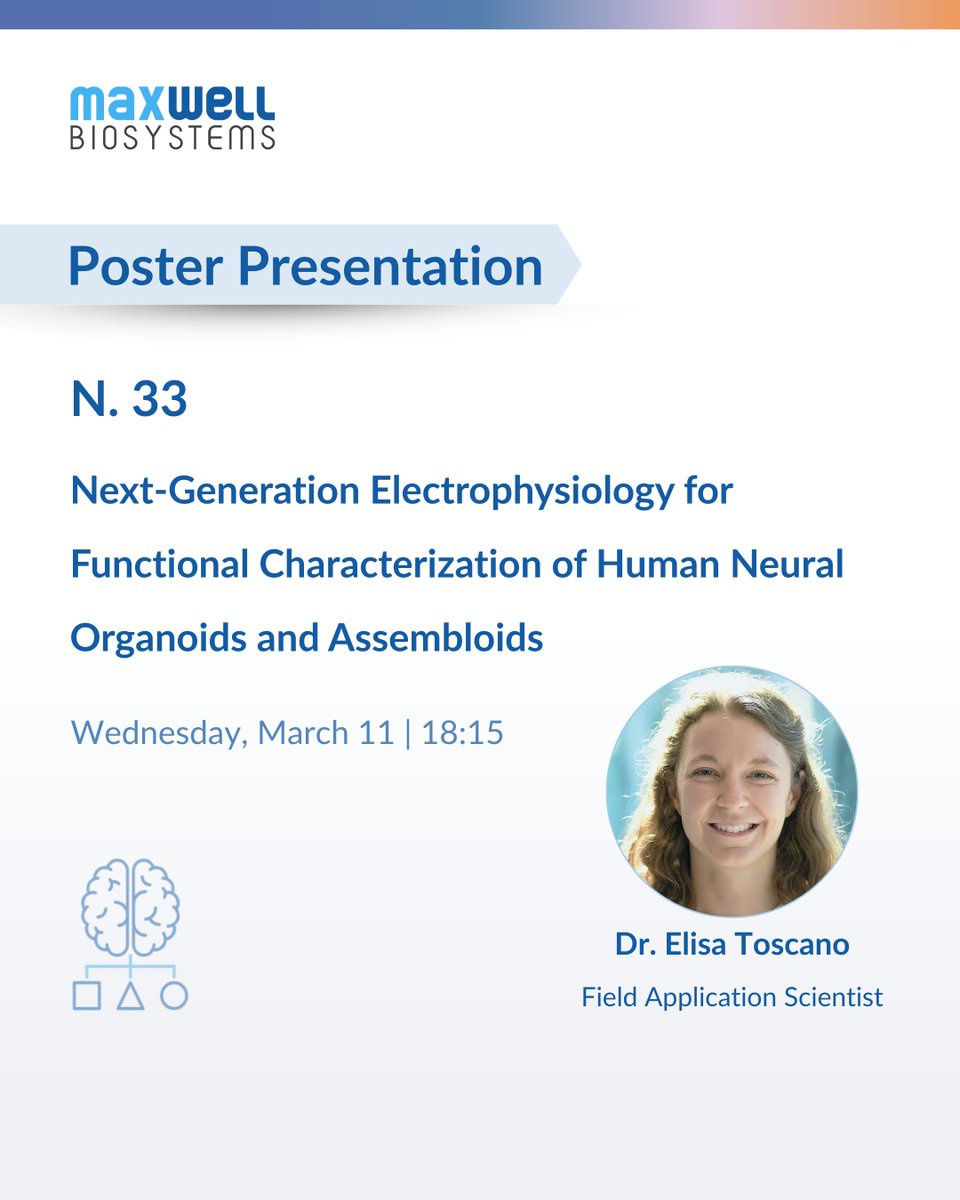
🧬 Heading to SY-Stem in Vienna? Come meet us and discover how high-resolution electrophysiology is unlocking functional insights in neural organoids and assembloids. We are excited to join the stem cell community at this year’s SY-Stem meeting and discuss how stem cell technologies are rapidly opening new possibilities, from scaling and automation to deeper functional insights. If you’re attending, come say hello to our Field Application Scientist, Dr. Elisa Toscano 👋 📌 Poster: Next-Generation Electrophysiology for Functional Characterization of Human Neural Organoids and Assembloids 🕒 Wednesday, March 11 | 18:15 🇦🇹 Let’s connect in Vienna! #StemCellResearch #iPSC #Organoids #Neuroscience #Electrophysiology #MxWConnect
MaxWell Biosystems tweet mediaMaxWell Biosystems tweet media
English
0
0
3
80
MaxWell Biosystems
MaxWell Biosystems@mxwbio·
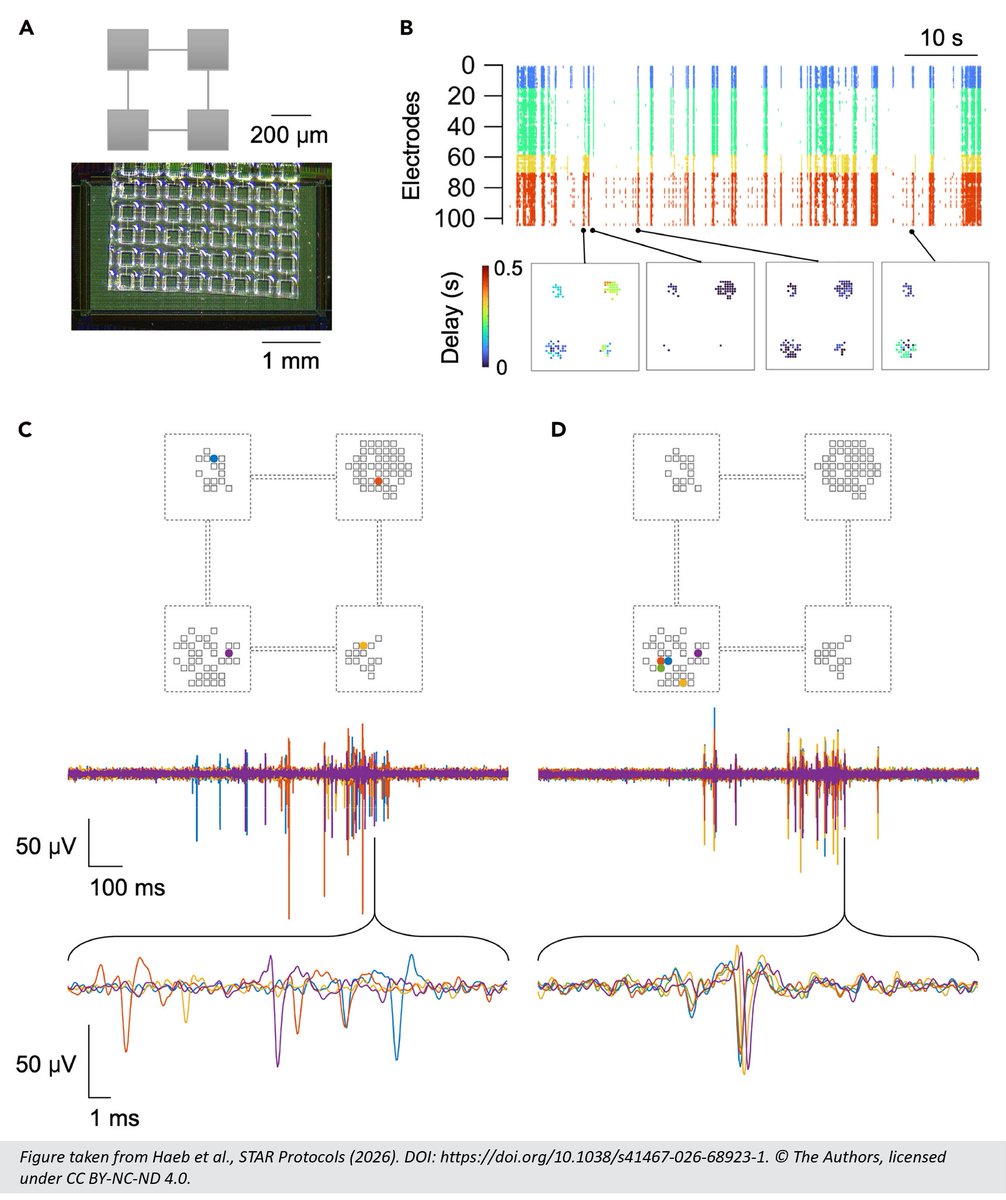
🧠💡 Have you ever imagined customizing network architecture directly on a chip? Recently, Haeb et al. introduced a comprenhensive protocol for designing tailored in vitro neuronal networks by integrating silicone-based microstructures with microelectrode arrays. By directly mounting microfabricated polydimethylsiloxane (PDMS) devices onto the microsensor areas, the authors achieved compartmentalization and precise control over neuronal connectivity. The flat topology of the MaxOne High-Density Microelectrode Array enabled tight adhesion of the PDMS devices to the chip surface while providing exceptional signal quality. This microenvironment customization enables replication of natural brain circuits and enhances research into neural dynamics and synaptic interactions. The protocol includes detailed, step-by-step instructions for preparing HD-MEAs, fabricating and bonding PDMS microstructures, culturing neurons, and optimizing conditions for network development. Published in STAR Protocols, this approach opens new possibilities for drug screening, neurodevelopmental studies, and neuroprosthetic advancements, paving the way for more precise and versatile neural interface technologies. Congratulations to Dr. Anna-Christina Haeb, Dr. Hideaki Yamamoto, Prof. @Paul_Roach, Dr. Daniel Merryweather, Yuya Sato, Dr. @NSC_BrainDamage, and Jordi Soriano from the @UniBarcelona and @idibaps, Barcelona, Spain; @tohoku_univ, Sendai, Japan; @waseda_univ, Tokyo, Japan; @lborouniversity, Leicestershire, UK; and CIBERNED, Madrid, Spain! 🔗 Check out the full article: mxwbio.com/resources/star… #HDMEA #PDMS #MicrophysiologicalSystems #OrganOnAChip #Neuroengineering #NAMs
MaxWell Biosystems tweet media
English
0
1
4
138
MaxWell Biosystems
MaxWell Biosystems@mxwbio·
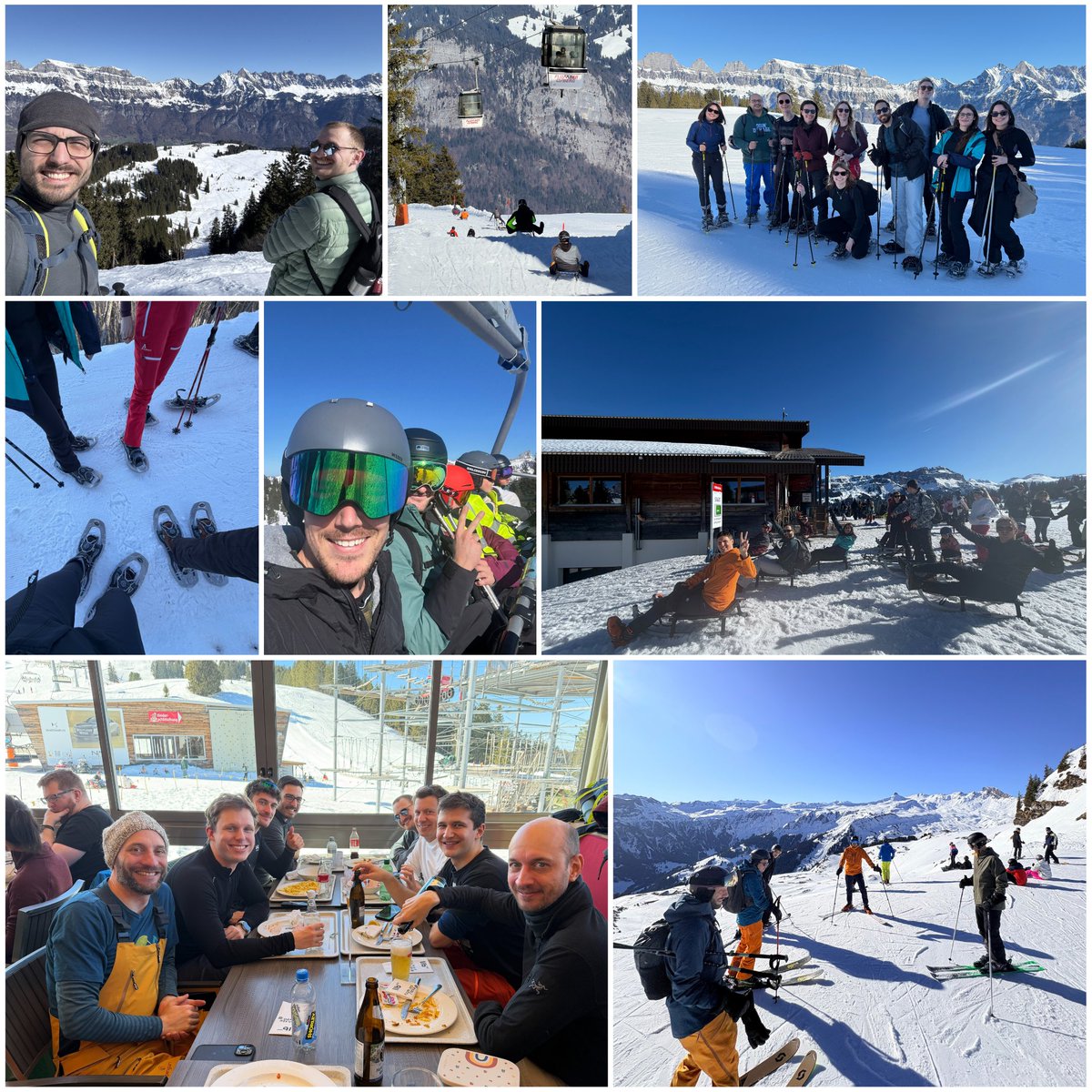
Snow, sunshine, and great company. Our annual MaxSnow Day is here once again ❄️⛷️ As part of our tradition, the MaxWell team headed to the snowy slopes of Flumserberg for a day of skiing, sledging, scenic hikes, and plenty of fresh mountain air. Moments like this reflect the MaxWell Way: behind the science and technology are people who work closely together every day. Collaboration, curiosity, and supporting each other, both in and outside the office. Taking a short break together outside the HQ is always appreciated. A big thank you to everyone who joined! #TheMaxWellWay #CompanyCulture #TeamBuilding #TeamMxW #SnowDay
MaxWell Biosystems tweet media
English
0
0
4
56
MaxWell Biosystems
MaxWell Biosystems@mxwbio·
Every breakthrough in neuroscience starts with a question. Questions like: 🧠 How do different brain regions communicate during development? 🧬 How do disease-associated mutations reshape neuronal networks? 🔬 And how can we recreate human brain circuits in vitro to study them? Behind each experiment are the scientists asking these questions, along with the challenges, ideas, and motivations that shape their work. That’s why we created User Stories: a space within our Community Voice where researchers share the stories behind their science. In our latest feature, Prof. Dr. @YoshihoIkeuchi discusses his work on reconstructing inter-regional neural networks from human iPSC-derived organoids and how electrophysiological readouts enable deeper insights into emerging brain circuits. Because progress in neuroscience is not only about collecting data. It’s about understanding the scientific questions that shape discovery. 🔎 Explore the Community Voice stories in the comments. #Neuroscience #iPSC #Organoids #ScientificCommunity #HDMEA
MaxWell Biosystems tweet media
English
2
2
11
5K