

eh
7.4K posts



Question for all the Pakistan Aviation Enthusiasts - Does Pak currently operate a sand/desert camo C-130 ?
English
@LindseyGrahamSC We hope Israel attacks us, so that we get to scratch our itch of killing them
English
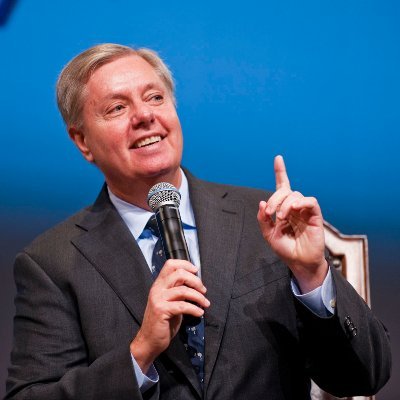
If this reporting is accurate, it would require a complete reevaluation of the role Pakistan is playing as mediator between Iran, the United States and other parties.
Given some of the prior statements by Pakistani defense officials towards Israel, I would not be shocked if this were true.
Jennifer Jacobs@JenniferJJacobs
Scoop via @CBSNews: As Pakistan positioned itself as a diplomatic conduit between Tehran and Washington, it quietly allowed Iranian military aircraft to park in its country, potentially shielding them from US airstrikes, sources told @JimLaPorta and me. Days after Trump announced the ceasefire in early April, Tehran sent multiple aircraft to Pakistan Air Force Base Nur Khan. Among the military hardware was an Iranian Air Force RC-130, a reconnaissance and intelligence-gathering variant of the Lockheed C-130 Hercules tactical transport aircraft. cbsnews.com/news/pakistan-…
English

Hot Take...
Fatah 5 is most probably a VLO subsonic cruise missile with a range ~1000 kms.

English
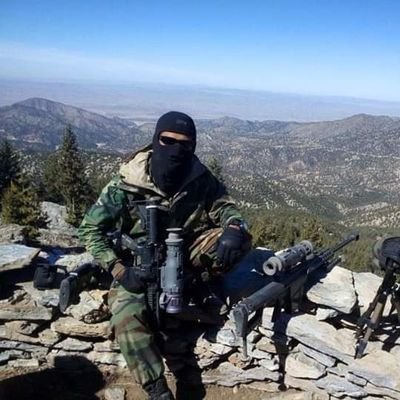
I hope you guys know what it really was now?
Yes, those were “Lenticular Clouds” caused by a historic climate change event, according to the Pakistan Weather Department 😅
But the message was clearly delivered to the guys hiding in bunkers across the neighbourhood.
🇵🇰 Zindabad
Casper@PakPMO22
It’s wild that people in India are waking up to the news that Pakistan just witnessed a rare display of the Northern Lights... But some group of people in New Delhi are not enjoying it at all 😄.
English

I think this thing is indigenously developed by Pakistan for the purpose of China pretending to be MTCR compliant even though it is not even a signatory of MTCR.
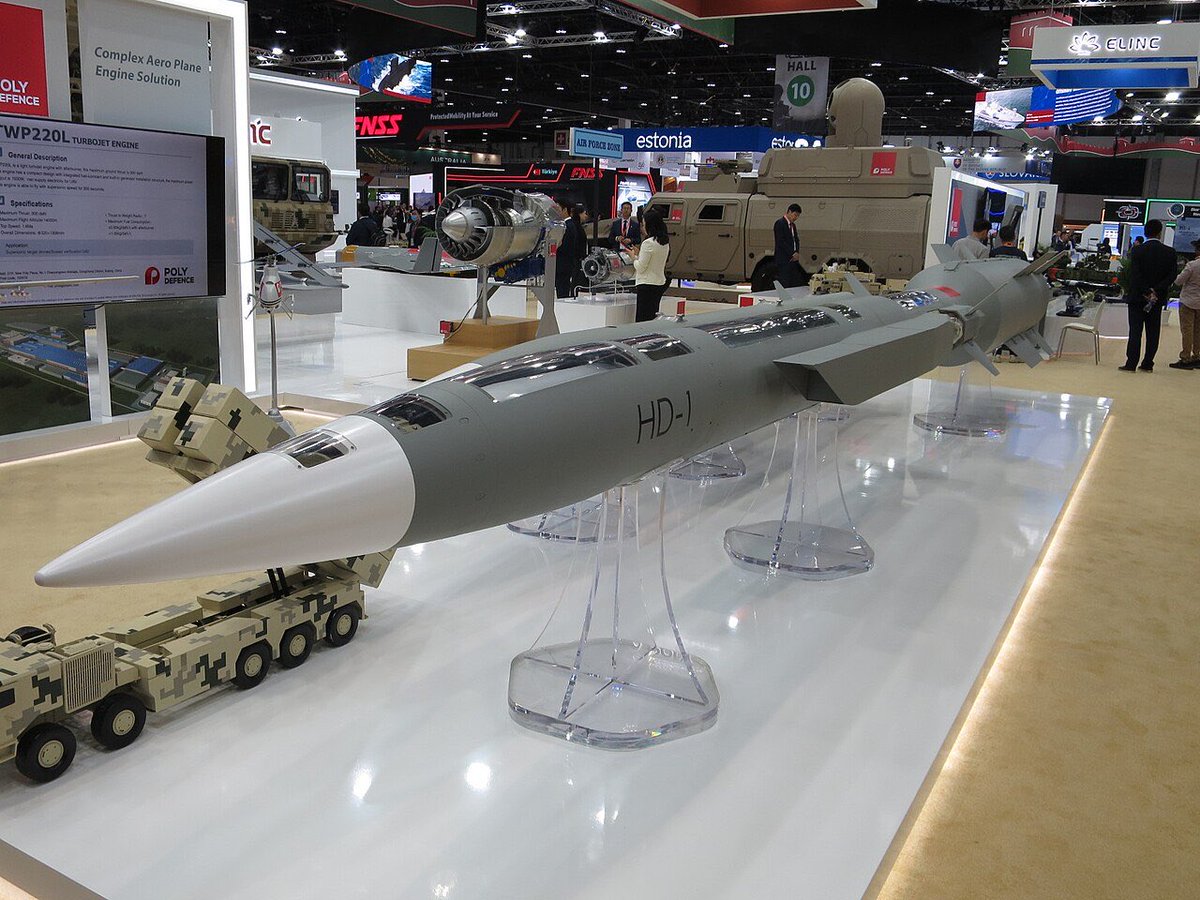
Pakistan Strategic Forum@ForumStrategic
Pakistan Army unveils it's latest indigenous equipment ⚔️🇵🇰 - Fatah-III Cruise Missile. - Long Range Rocket Dispensed Mine System. - Lance IR SAM. - 5th Bakhtar Shikan ATGM. - Short/Medium/Long Range Anti UAV Systems. - Robots. - Long Range Precision Weapon Systems.
English
@TalhaEjaz07ee As hopeless as future of IPPs when people go completely off-grid and you people get fucked on capacity agreements which your invested businesses couldn't provide.
English

It's called leasing.
I read the whole financial results of ENGROH.
That energy terminal doesn't even make that much money.
Do you want us shareholders to take loss on investment because you don't want to pay what you are owed?
I suspect that you don't know anything and are just rambling on and on for cheap internet browne points.
farrukh saleem@SaleemFarrukh
$538,535 a day, $200 million a year – $2 billion already paid In 2014, Pakistan entered into a 15-year agreement with Engro Elengy Terminal Limited for the deployment of the Floating Storage and Regasification Unit (FSRU) Exquisite at Port Qasim. The contract did not incorporate force majeure provisions applicable to Pakistan’s payment obligations. In 2016, Pakistan contracted a second LNG terminal with Pakistan GasPort Consortium Limited for the FSRU BW Integrity, also under a long-term, capacity-based framework. This contract, too, did not provide force majeure relief for Pakistan’s payment obligations. Cold truth: Two terminals. Two contracts. One common feature: payment without pause. In February 2016, Pakistan entered into a 15-year LNG supply agreement (2016–2031) with QatarEnergy for approximately 3.75 million tonnes per annum, priced at a Brent-linked slope of 13.37 percent. The contract includes force majeure provisions. In February 2021, Pakistan concluded a second 10-year agreement (2022-2031) with QatarEnergy, securing additional volumes at a lower Brent-linked slope of approximately 10.2 percent. This contract also incorporates force majeure provisions. Colder truth: Upstream, supply can be suspended under force majeure. Midstream, payments cannot. Imagine: The gas contract can stop. The terminal contract cannot. Lo and behold, on March 4, QatarEnergy invoked force majeure. LNG cargoes stopped. The upstream contract absorbed the shock. The terminals did not. Pakistan continued to pay $538,535 a day — for ships that had nothing to regasify, for capacity that could not be used, for gas that did not arrive. Imagine: Force majeure stopped the cargo. It did not stop the payment of $538,535 a day. Fact 1: Pakistani negotiators structured terminal contracts without reciprocal force majeure protection. Fact 2: Pakistani lawyers drafted agreements where payment obligations survived even when performance became impossible. Fact 3: Pakistani regulators approved tariff structures that treat “zero utilisation” as “full service.” Hard truth: This is not one error. This is a layered design. Every clause has a signature. Every payment has a decision behind it. The gas stopped coming to Pakistan because of force majeure. The payments continue because of Pakistan’s policy. So who stops the $538,535 a day meter? How about the Public Accounts Committee? The Public Accounts Committee must initiate a forensic review. PAC can issue binding directions to the Oil and Gas Regulatory Authority (OGRA) to reopen tariff determinations under “services not rendered” conditions. PAC can direct the Auditor General to quantify payments made vs utilisation. PAC can compel full disclosure. Oil and Gas Regulatory Authority can reopen tariff determinations. “No gas, no service” is not a slogan — it is a regulatory principle. Capacity charges can be reviewed where utilisation falls to zero due to force majeure upstream. SSGC is the contracting counterparty. It can formally invoke review provisions within the agreements, placing on record that upstream force majeure has rendered capacity non-operational. What about the Competition Commission of Pakistan (CCP)? Two operators. One port. Guaranteed dollar returns. And zero demand risk. This is not a textbook market. This is a structure that warrants examination. The CCP has the mandate to investigate abuse of dominance, collusive outcomes, and unfair market arrangements. The CCP can initiate a market inquiry, demand contract disclosures, and determine whether the structure restricts competition or transfers disproportionate risk to the public sector. The CCP can recommend structural remedies, including tariff rebalancing or contractual adjustments. The meter will not stop on its own. It will stop the day the decision makers decide that contracts must serve the country — not the other way around. Pakistan does not lack laws. Pakistan does not lack institutions. Pakistan does not lack options. Pakistan lacks one thing: the decision to act. The day that decision is made, the $538,535-a-day meter stops. pakobserver.net/538535-a-day-2…
English
@TalhaEjaz07ee Why should one care about individual investments in a private corp dealing with public in public sector?
You are the dumb fuck here
English
@name98unknown You are crazy.
Or
Illiterate
Or
Fool
Most probably all of the above
English
@mara_saidwhat There's a willow counterpart, sheesham, its a lovely tree, with vine like leaves, grows quick, and trunk thickens over time, has deep root network and incredible shade
English

@DanielZahoor The specific sector doesn't want people to think, but we know, the urge is there in india
English

Wake up: India will attack. If you think they won't, you're more delusional than they are.
Don't listen to online fools claiming they're afraid, that's just a half truth to keep you comfortable.
Face the reality of the situation before it hits you. It’s happening. Period.
English
The absolute hate i have for e bints
Penwoman@i_penwoman_
A woman is not Islamically obligated to do household chores either.
English
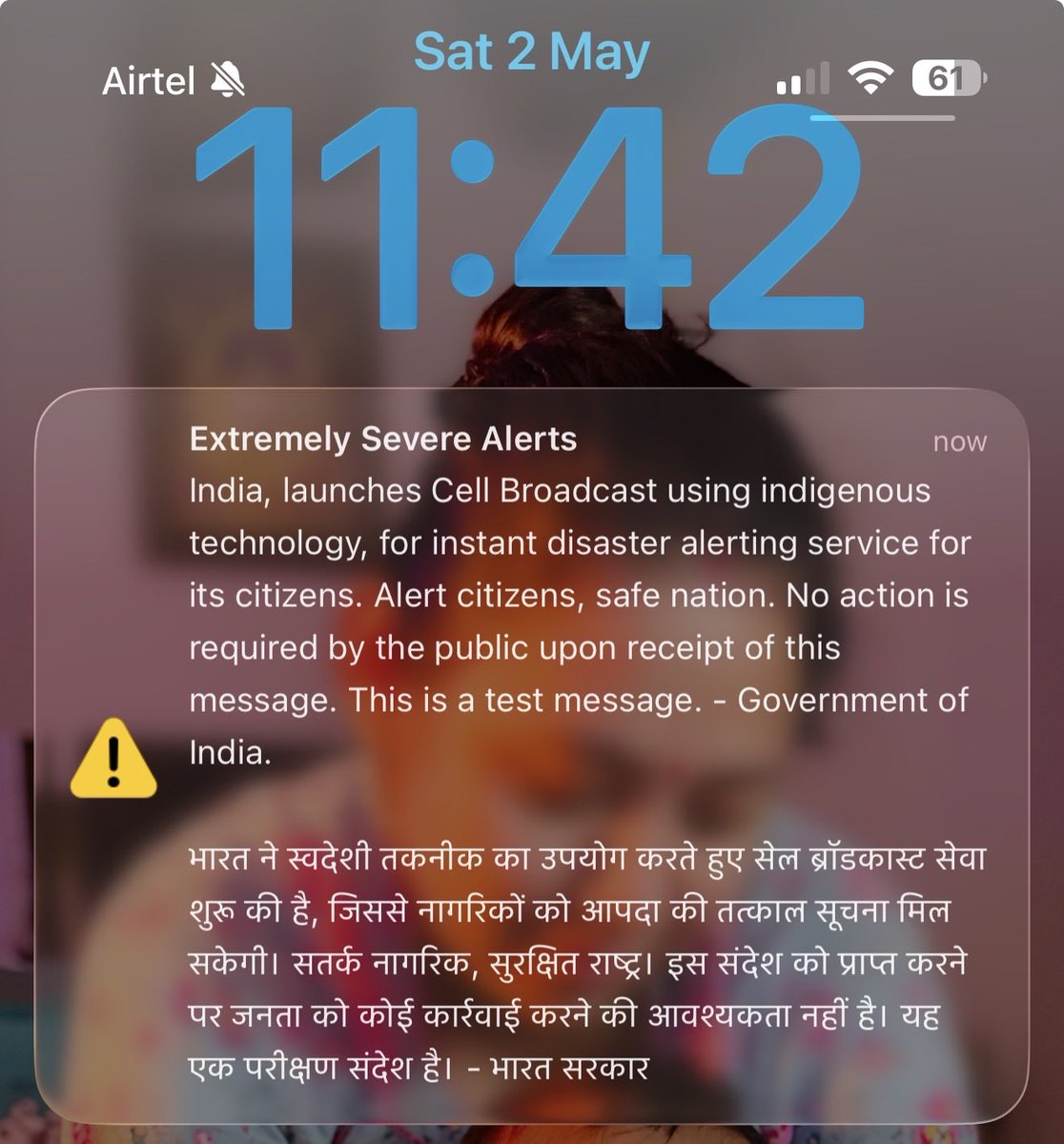
@War_Analysts Testing an actual emergency alert broadcast system, which we don't even have. Ndma sends out pathetic text messages instead of flash eam warnings, literally takes a few weeks to make, using ios and Android's built-in EAM System receiver
English

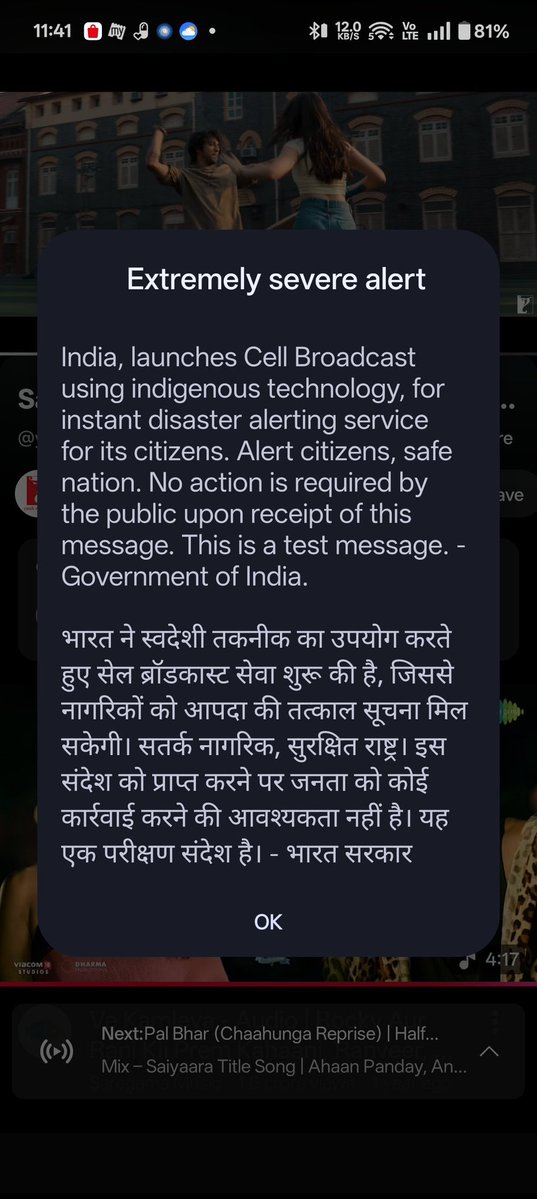
@Beyeffendi23 Recently tracker IA movements in Ludh, Luck, Amrit, Delhi, Faridkot etc.
True or false, any relation?
English
@The_SharkSlayer Or, we can make a seaborne launch platform, and launch in arabian sea/indian ocean, lessening the complications and disturbances.
English
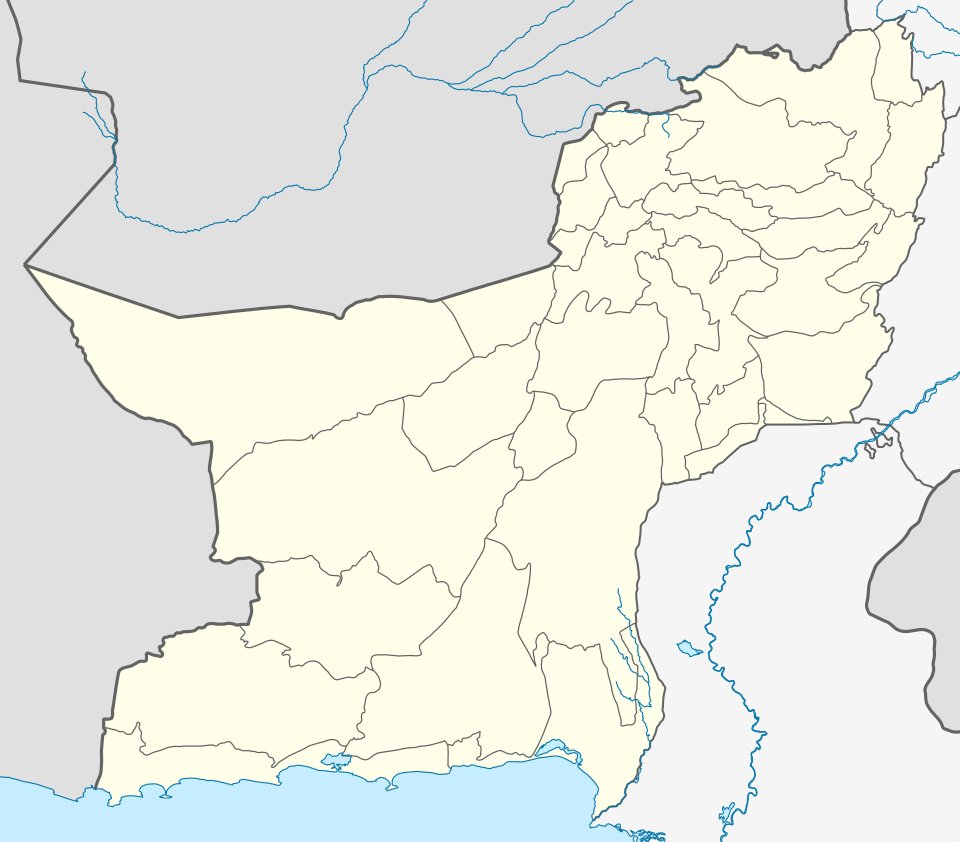
So we will have to do the next best thing, launch it from as south as we possibly can and guess what? we already have a launch facility at the southern edge of the country, yes I am talking about Sonmiani.
(8/14)
English
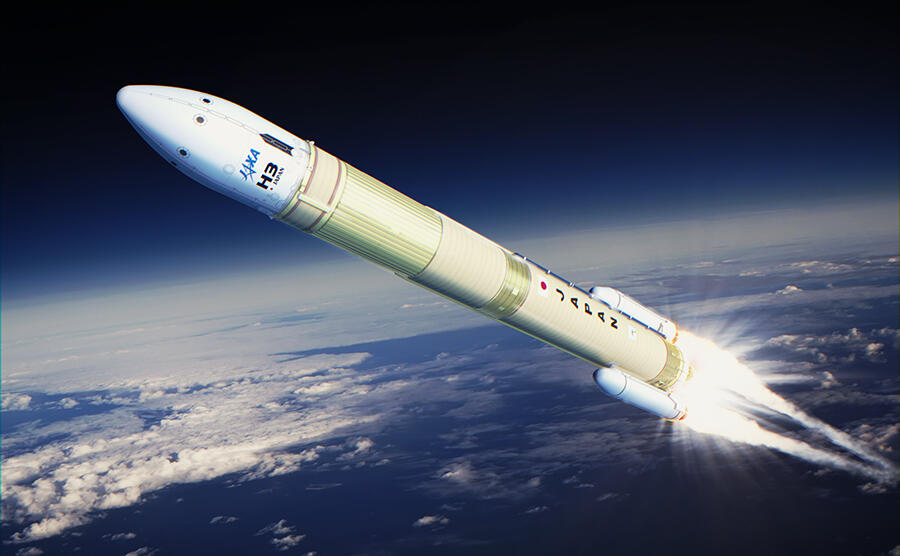
Project SpaceFalcon: How to Build an Orbital Rocket from Pakistan's Missile Arsenal
Okay since you guys are interested in rocketry, lets launch into the design and development of a Space Launch Vehicle from the parts already present in our strategic inventory.
(1/14)
English
@The_SharkSlayer May Allah give more to SUPARCO, and may we see launched from our shores.
English
@HassanAbbasian Not a "gap" per se, but essentially a year of effort to try every government university and famed universities collecting admission letters before choosing one.
English

Is taking a gap year after the 12th worth it? Why do most students in Pakistan do that before going to university and what are its effects on studies?
English


. @Nabeel1124 if I were to switch to an EV which one should I buy ?
Budget : max 1
English