
Nancy

333.8K posts

Nancy banner
Nancy

Nancy

@nancy091013

Retired nurse,love cats and politics #UniteBlue I'm fully vaccinated!👍#SUPER FAMILY#RoboticGang🌊

USA Katılım Aralık 2014
5.3K Takip Edilen5.1K Takipçiler
Nancy retweetledi
Muzeum Auschwitz
Muzeum Auschwitz@MuzeumAuschwitz·
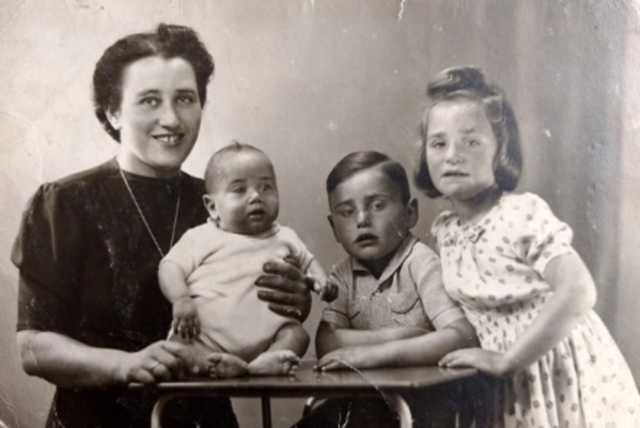
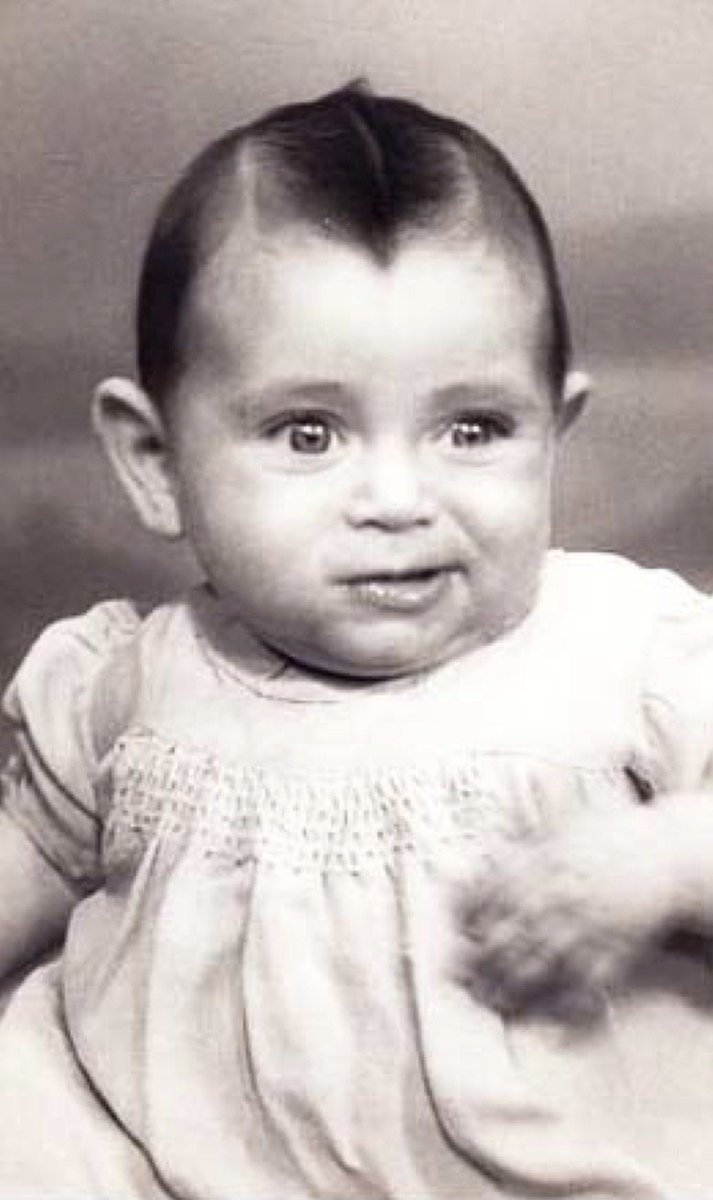
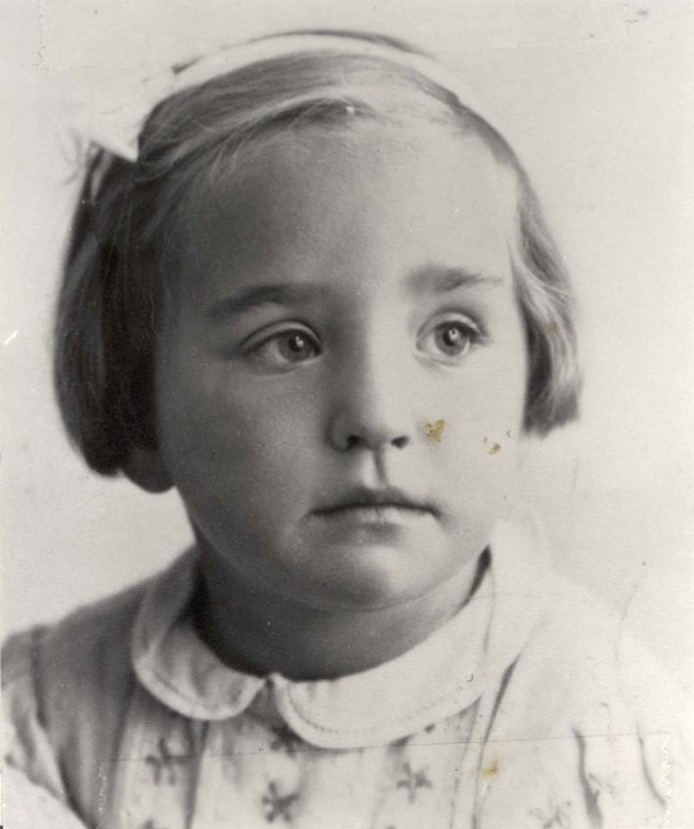
2 kwietnia 1935 | W Amsterdamie urodziła się holenderska Żydówka Lea Benjamins. W 1942 r. została deportowana do #Auschwitz wraz z matką Brancą oraz braćmi Simonem i Marcusem. Wszyscy zostali zamordowani w komorze gazowej.
Muzeum Auschwitz tweet mediaMuzeum Auschwitz tweet media
Polski
5
17
97
764
Nancy retweetledi
Sara Mary ⭐❤️
Sara Mary ⭐❤️@saniyafatma1278·
Happy 1st Birthday to my man Nemo 🧡
Sara Mary ⭐❤️ tweet media
English
8
5
101
680
Nancy retweetledi
John Cocker 🇺🇦
John Cocker 🇺🇦@joecocker15·
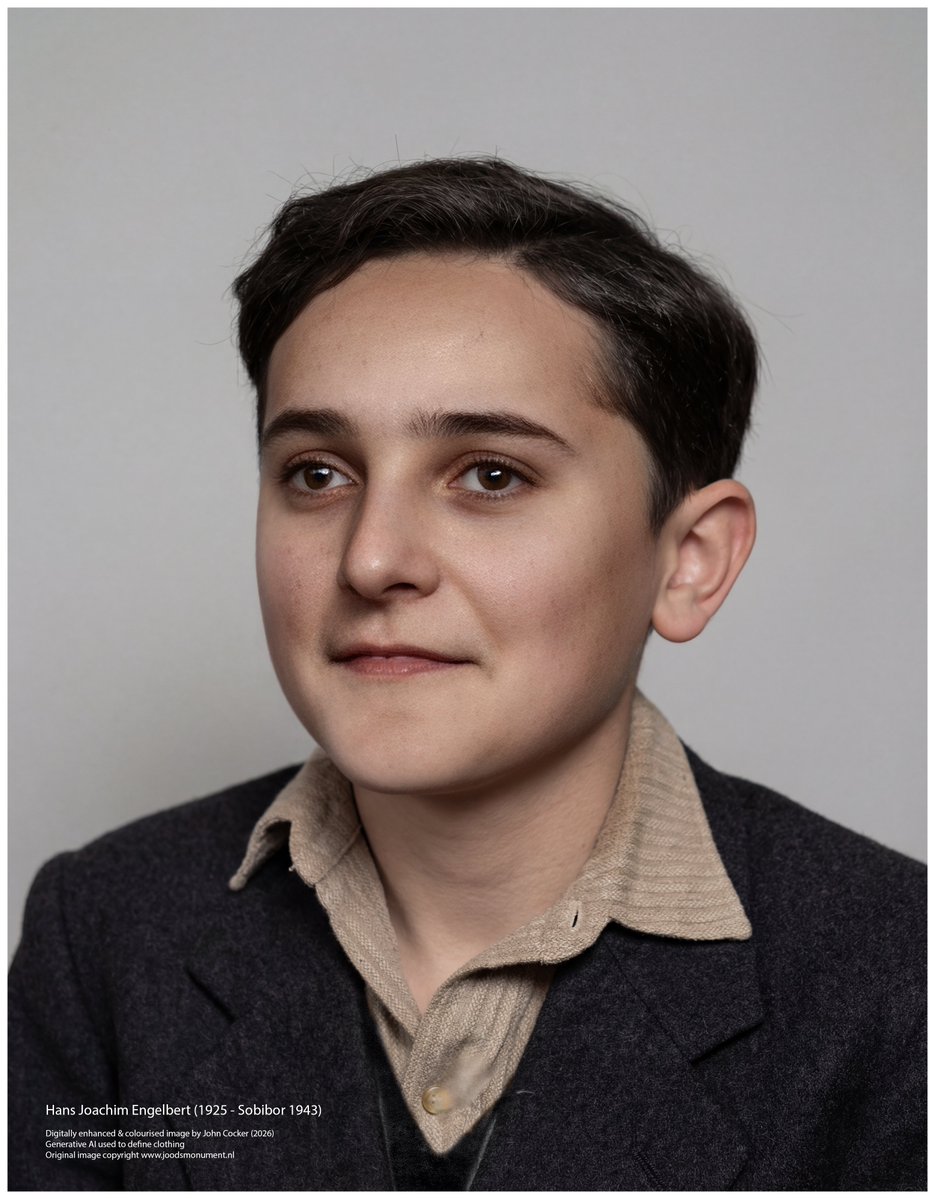
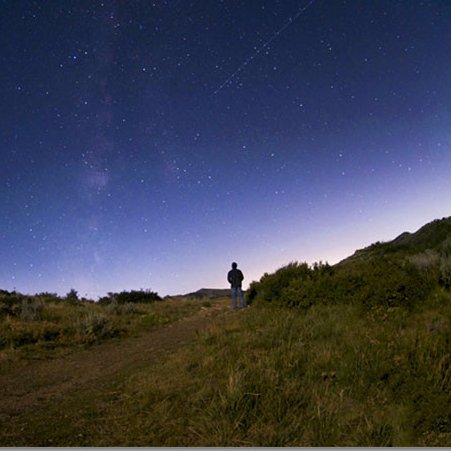
On this day in 1943, a 17 year old German Jewish boy who had fled to the Netherlands arrived at the Sobibor extermination camp where he perished. His name was Hans Joachim Engelbert Please support @Sticht_Sobibor
John Cocker 🇺🇦 tweet media
English
12
25
108
378
Nancy retweetledi
LION LOVERS
LION LOVERS@LIONLOVERS5·
So precious 💖 Giraffe pride!! Love seeing these three 😍 #LoveLions 🎥 rockfig_safari_lodge Instagram
English
5
16
198
2K
Nancy retweetledi
Tweets of Dogs
Tweets of Dogs@TweeetsOfDogs·
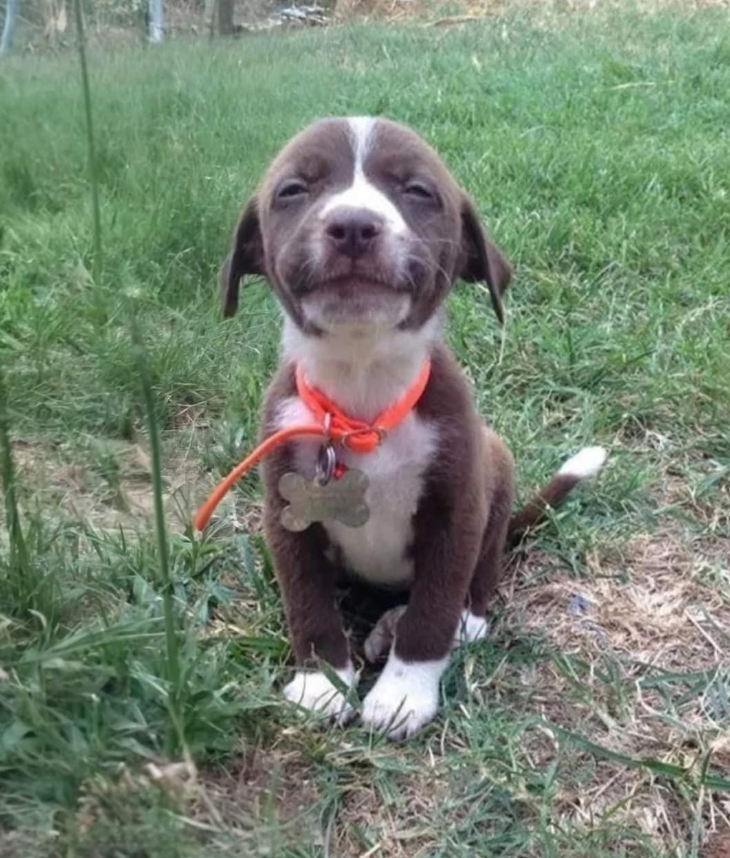
This little guy got adopted .. congrats hendrix ❤️
Tweets of Dogs tweet media
English
23
46
1.4K
7.5K
Nancy retweetledi
Remember The Fallen
Remember The Fallen@44MagnumBlue1·
U.S. Army Sergeant Clifton Parker Wheelhouse Jr. was killed in action on April 1, 1970 in Phu Yen Province, South Vietnam. Clifton was 19 years old and from Virginia Beach, Virginia. C Co, 3rd BN, 503rd Infantry, 173rd Airborne Brigade. Remember Clifton today. American Hero.🇺🇸
Remember The Fallen tweet media
English
61
128
519
2.7K
Nancy retweetledi
Muzeum Auschwitz
Muzeum Auschwitz@MuzeumAuschwitz·
2 kwietnia 1942 | W Hadze urodziła się holenderska Żydówka Mietje Blok. Do #Auschwitz dotarła 14 grudnia 1942 r. w transporcie 757 Żydów deportowanych z okupowanej Holandii. Była wśród 636 osób zamordowanych po selekcji w komorze gazowej.
Muzeum Auschwitz tweet media
Polski
7
18
118
594
Nancy
Nancy@nancy091013·
@Rainmaker1973 ❤️❤️❤️🌹🌹🌹🥀🥀🥀🙏🏼🙏🏼🙏🏼
QME
0
0
1
45
Nancy retweetledi
Massimo
Massimo@Rainmaker1973·
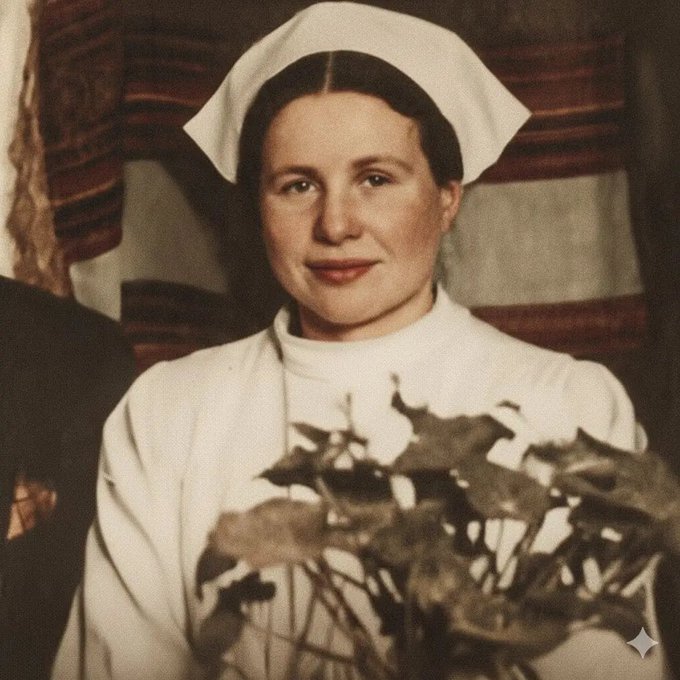
In the autumn of 1942, a slight, 32-year-old Polish social worker named Irena Sendler passed through the gates of the Warsaw Ghetto with a carpenter’s toolbox in her arms. Beneath the hammers and nails lay a drugged six-month-old infant, breathing softly, utterly silent. One cry would have meant instant death for both of them. Irena smiled at the guards; they waved her through. They never suspected that this quiet woman would repeat the journey 2,499 more times. The ghetto was a slow-motion extermination. Starvation, disease, and random murder stalked every street. Jewish parents faced a choice no human being should ever have to make: keep their child and watch them waste away, or hand them to a stranger who promised a chance—however thin—at life. Irena came officially to inspect for typhus. In reality, she came to steal children from death. Babies left in toolboxes or ambulances under false bottoms. Toddlers sedated and tucked into potato sacks. Older children led by the hand through the stinking, lightless sewers while German boots marched overhead. “Not a sound,” she whispered as rats scurried past their feet. She knew that the rescued children would be given new names, new religions, new families. Their pasts would vanish unless someone remembered. So, on fragile scraps of tissue paper, Irena wrote each child’s real name, their parents’ names, and their new hiding place. She rolled the papers tight, slipped them into glass jars, and buried them beneath an apple tree in a neighbor’s garden. If she were caught and killed, the truth might still survive. She was caught. On October 20, 1943, the Gestapo kicked in her door. They took her to Pawiak Prison and demanded the list. When she refused, they smashed both her legs with iron bars. Then her feet. Then her arms. For weeks the beatings continued. She never spoke. They scheduled her execution. On the appointed morning, guards dragged the broken woman from her cell. Instead of a firing squad, she found herself outside the prison walls—alive. The Polish underground council Żegota had bribed a guard to mark her file “shot while trying to escape.” Officially dead, Irena Sendler limped back into the shadows to keep working.When the war finally ended, the first thing she did was dig up the jars under the apple tree. She spent years trying to return the children—now scattered across convents, farms, and foster homes—to whatever family might remain. Almost no parents had survived. But the children had. Because of her, 2,500 Jewish boys and girls lived to grow up, to marry, to have children and grandchildren of their own—an entire secret branch of the human family tree that the Nazis never managed to cut down.For decades her story stayed buried deeper than the jars themselves. Then, in 1999, four high-school girls in rural Kansas stumbled across a brief mention of her name. They found the old woman still living quietly in Warsaw and brought her courage back into the light. Journalists called her the greatest rescuer of the Holocaust. Irena only shook her head.“I could have saved more,” she said. “That regret follows me to the grave.”Irena Sendler—armed with nothing but a ghetto work permit, a toolbox, and a refusal to look away—proved that even in the heart of the worst evil humanity has ever devised, one determined person can still keep the darkness from winning completely.
Massimo tweet media
English
74
1.5K
6.4K
215.9K
Nancy retweetledi
Rabbi Poupko
Rabbi Poupko@RabbiPoupko·
This is my cousin Ahuva Lieba Schlossberg from Radin. She was 24 years old when the Nazis came to her town and murdered her parents, husband and extended family. Ahuva Lieba fled to the frozen forests surrounding her town and her fight for survival began. She hid in the forest and survived on anything she could find there. Sometimes she met Polish and Jewish partisans and joined them. When Passover of 1944 approached, even as she lived in the frozen forests of Radin, Lieba began thinking of the upcoming holiday. A young widow in her 20s, she could not even begin to dream about baking matza as any kind of baking and assembling the equipment needed would give off their location to the Germans or Polish locals who would be happy to turn them in for a reward. She decided she would not eat any Chametz despite the fact that much of her nourishment came from the dark, stale bread they were able to fetch from nearby farms. Weeks in advance, she began collecting mushrooms, potatoes, and anything she could get her hands on in a bag so that she can eat those for the eight days of Passover. Lieba hid her bag of vegetables next to a tree in the forest in a secure location only she knew about. Two days before Passover as she was going to check on her secret stash of vegetables, to her horror, Lieba had realized they were no longer there; someone had taken them. Would this Passover be the first time she ate Chametz? Would she have to break her resolution to abstain from eating Chametz? Lieba took one of the last and most precious treasures she had: her deceased mother’s coat and her deceased father’s boots. In the dark of the night and in roundabout ways, lest she be traced or give away their hiding location, Lieba came to the home of a Polish farmer who knew her family and exchanged the coat and boots for a sack of vegetables. Her joy knew no bounds. In the ditch with the few survivors left, she convinced her friends to declare their bread ownerless, boiled snow in their pot to make it Kosher for Passover, and for eight days, they all ate vegetables. Her joy knew no boundaries. She survived this war and attempted to break the British blockade, coming on a ship named Wingate, honoring Charles Orde Wingate. She was deported to Cyprus and came into Israel in 1948. That is the courage and resiliency that has kept our people alive for more than 3000 years. Am Yisrael Chai!
Rabbi Poupko tweet media
English
53
198
965
10.7K
Nancy
Nancy@nancy091013·
@Eman5695 It’s more like they let you sleep in your bed🥰
English
1
0
2
25
Nancy retweetledi
Eman
Eman@Eman5695·
What's you opinion?
Eman tweet media
English
166
20
348
3.5K
Nancy retweetledi
UKRAINIAN SQUAD🇺🇦
UKRAINIAN SQUAD🇺🇦@ukrainiansquad·
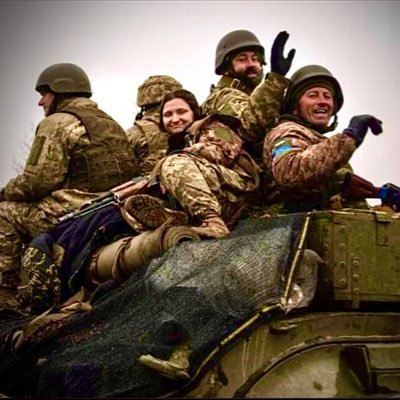
Pray for these warriors who still fighting on the front lines. Faces of Freedom 🙏
UKRAINIAN SQUAD🇺🇦 tweet media
English
192
554
4.7K
26.4K
Nancy retweetledi
Just saying
Just saying@kangaroos991·
Wave a 🇺🇦 flag if you stand with Ukraine and Zelenskyy! 🙏 🇺🇦 #SlavaUkraine 🇺🇦
Just saying tweet media
English
302
559
1.6K
8.6K
Nancy retweetledi
Dachshund Heaven USA
Dachshund Heaven USA@dachshund_heave·
Today is my birthday. Wish me a good one❤️
Dachshund Heaven USA tweet media
English
49
18
374
2.4K
Nancy retweetledi
Native American Pride
Native American Pride@native_am_pride·
🎂I hope I will gate a "wish " It's my Birthday🎉🥹
Native American Pride tweet media
English
77
39
259
2.6K
Nancy retweetledi
Auschwitz Memorial
Auschwitz Memorial@AuschwitzMuseum·
2 April 1942 | A Dutch Jewish girl, Mietje Blok, was born in The Hague. She arrived at #Auschwitz on 14 December 1942 in a transport of 757 Jews deported from the occupied Netherlands. She was among the 636 people murdered after selection in a gas chamber.
Auschwitz Memorial tweet media
English
45
297
1.3K
17.4K