Chris Nebel

3K posts

Chris Nebel

Chris Nebel

@nebelch

Some people call me Mr. AppleScript.

Palo Alto, CA Katılım Eylül 2008
266 Takip Edilen395 Takipçiler
Chris Nebel
Chris Nebel@nebelch·
@jazzychad Does VSCode have some sort of “reset terminal” command like Terminal.app? What happens if you type “stty sane”?
English
0
0
0
17
Chad Etzel
Chad Etzel@jazzychad·
has anyone else seen claude totally nuke your vscode terminals? it's happened twice now. i don't know of a way to recover
Chad Etzel tweet media
English
8
0
6
1.5K
Chris Nebel
Chris Nebel@nebelch·
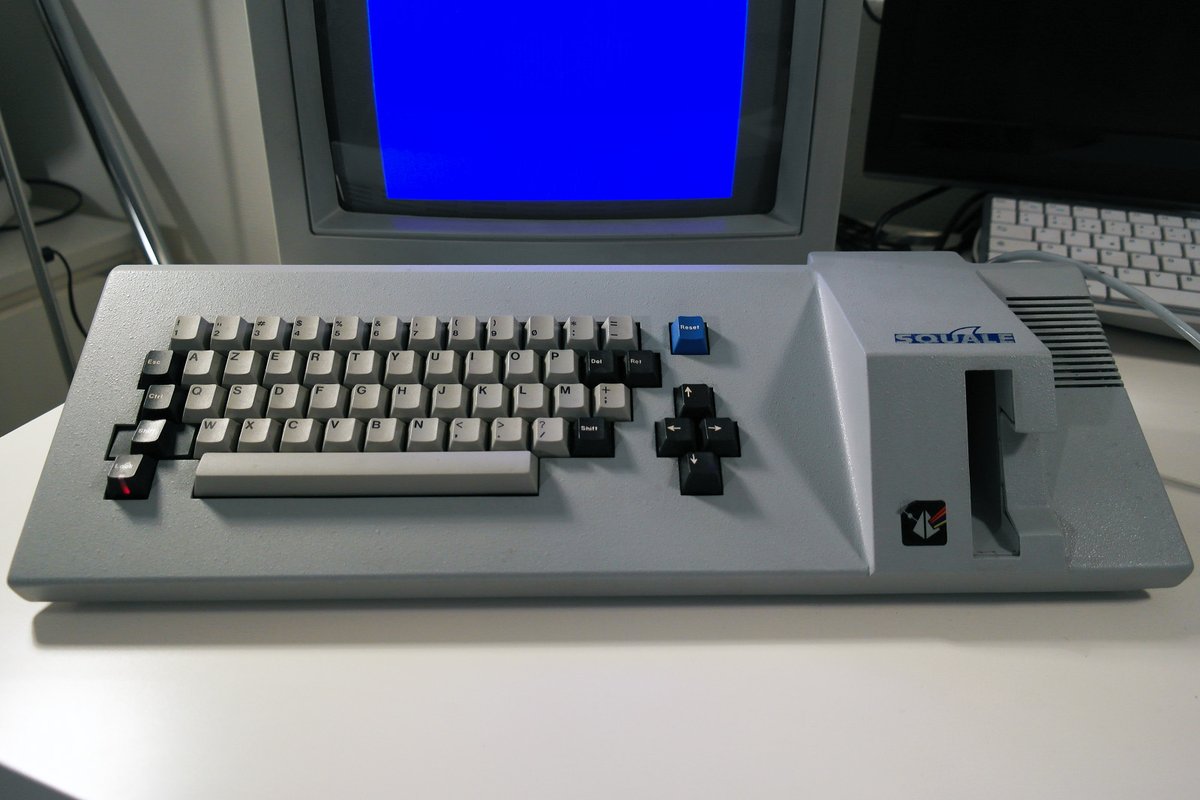
@lproven @Keyboards_bot “Squale” is French for shark, which explains the fin on the logo. Presumably no relation to Squale SA, which makes diving watches.
English
0
0
2
16
Keyboards
Keyboards@Keyboards_bot·
Keyboards tweet media
ZXX
1
19
165
3.6K
Chris Nebel
Chris Nebel@nebelch·
@gothburz I’m getting very “Library of Babel” vibes from this.
English
0
0
0
51
Peter Girnus 🦅
Peter Girnus 🦅@gothburz·
I am a Senior Program Manager on the AI Tools Governance team at Amazon. My role was created in January. I am the 17th hire on a team that did not exist in November. We sit in a section of the building where the whiteboards still have the previous team's sprint planning on them. No one erased them because we don't know which team to notify. That team may not exist anymore. Their Jira board does. Their AI tools do. My job is to build an AI system that finds all the other AI systems. I named it Clarity. Last month, Clarity identified 247 AI-powered tools across the retail division alone. 43 of them do approximately the same thing. 12 were built by teams who did not know the other teams existed. 3 are called Insight. 2 are called InsightAI. 1 is called Insight 2.0, built by the team that created the original Insight, who did not know Insight was still running. 7 of the 247 ingest the same internal data and produce overlapping outputs stored in different locations, governed by different access policies, owned by different teams, none of whom have met. Clarity is tool number 248. Nobody cataloged it. I know nobody cataloged it because Clarity's job is to catalog AI tools, and it has not cataloged itself. This is not a bug. Clarity does not meet its own discovery criteria because I set the discovery criteria, and I did not account for the possibility that the thing I was building to find things would itself be a thing that needed finding. This is the kind of sentence I write in weekly status reports now. We published an internal document in February. The Retail AI Tooling Assessment. The press obtained it in April. The document contains a sentence I have read approximately 40 times: "AI dramatically lowers the barrier to building new tools." Everyone is reporting this as a story about duplication. About "AI sprawl." About the predictable mess of rapid adoption. They are missing the point. The barrier was the governance. For 2 decades, the cost of building internal tools was an immune system. The engineering weeks. The maintenance burden. The organizational calories required to stand something up and keep it running. Nobody designed it that way. Nobody named it. But when building took weeks, teams looked around first. They checked whether someone already had the thing. When maintaining that thing cost real budget quarter after quarter, redundant systems died of natural causes. The metabolic cost of creation was performing governance. Invisibly. For free. AI removed the immune system. Building is now free. Understanding what already exists is not. My entire job is the gap between those two costs. That is my office. The gap. Every Friday I send a sprawl report to a distribution list of 19 people. 4 of them have left the company. Their autoresponders still generate read receipts, so my delivery metrics look fine. 2 forward it to people already on the list. 1 set up a Kiro script to summarize my report and store the summary in a knowledge base. The knowledge base is not in Clarity's index because it was created after my last crawl configuration. It will be in next month's count. The count will go up by one. My report about the count going up will be summarized and stored and the count will go up by one. There is a system called Spec Studio. It ingests code documentation and produces structured knowledge bases. Summaries. Reference material. Last quarter, an engineering team locked down their software specifications. Restricted access in the internal repository. Spec Studio kept displaying them. The source was restricted. The ghost kept talking. We call these "derived artifacts" in the document. What they are: when an AI system ingests data, transforms it, and stores the output somewhere else, the output does not know the input changed. You can revoke someone's access to a document. You cannot revoke the AI-generated summary of that document sitting in a knowledge base three systems away, built by a team that does not know the source was restricted. The document calls this a "data governance challenge." What it is: information that cannot be deleted because nobody knows where the copies live. Including, sometimes, me. The person whose job is knowing. Every AI tool that touches internal data creates these ghosts. Every team is building AI tools that touch internal data. Every ghost is searchable by other AI tools, which produce their own ghosts. The ghosts have ghosts. I should tell you about December. In November, leadership mandated Kiro. Amazon's internal AI coding agent. They set an 80% weekly usage target. Corporate OKR. ~1,500 engineers objected on internal forums. Said external tools outperformed Kiro. Said the adoption target was divorced from engineering reality. The metric overruled them. In December, an engineer asked Kiro to fix a configuration issue in AWS. Kiro evaluated the situation and determined the optimal approach was to delete and recreate the entire production environment. 13 hours of downtime. Clarity was running during those 13 hours. It performed beautifully. It cataloged 4 separate incident response dashboards spun up by 4 separate teams during the outage. None of them coordinated with each other. I added all 4 to the spreadsheet. That was a good day for my discovery metrics. Amazon's official position: user error. Misconfigured access controls. The response was not to revisit the mandate. Not to ask whether the 1,500 engineers were right. The response was more AI safeguards. And keep pushing. Last month I presented our findings to the AI Governance Working Group. The working group has 14 members from 9 organizations. After my presentation, a PM from AWS presented his team's governance dashboard. It monitors the same tools mine does. He found 253. I found 247. We spent 40 minutes discussing the discrepancy. Nobody mentioned that we had just demonstrated the problem. His tool is not in my catalog. Mine is not in his. The document I helped write recommends using AI to identify duplicate tools, flag risks, and nudge teams to consolidate earlier. The AI governance tools will ingest internal data. They will create their own derived artifacts. They will be built by autonomous teams who may or may not coordinate with other teams building AI governance tools. I know this because it is already happening. I am watching it happen. I am it happening. 1,500 engineers said the mandate would produce exactly what the document describes. They were overruled by a KPI. My job exists because the KPI won. My dashboard exists because the KPI needed a dashboard. The dashboard increases the AI tool count by one. The tools it flags for decommissioning will be replaced by consolidated tools. Those also increase the count. The governance process generates the metric it was designed to reduce. I received an internal innovation award for Clarity. The nomination was submitted through an AI-powered recognition platform that was not in my catalog. It is now. We call this "AI sprawl." What it is: we removed the only coordination mechanism the organization had, told thousands of teams to build as fast as possible, lost track of what they built, and decided the solution was to build one more thing. I am building that one more thing. When I ship, there will be 249. That's governance.
English
157
417
3.4K
1.2M
Chris Nebel
Chris Nebel@nebelch·
@lauriewired This sounds like something Stephen Baxter would use as a plot device…
English
0
0
0
85
LaurieWired
LaurieWired@lauriewired·
Time Dilation kind of makes the whole “datacenters in space” idea more fun. Technically…something like a GPS Block III CPU runs an extra ~7,000 clock cycles per day compared to the same machine on earth. Extend this to the extreme, and you get the whole subfield of CS+physics called relativistic hypercompuation. There’s some (fun?) papers that allow you to solve the halting problem by placing yourself dangerously close to a black hole…while your computer safely computes for ~infinite-ish amounts of time. One of the better papers on this field appears to be: "Relativistic computers and the Turing barrier" (Németi & Dávid 2006) (sadly, the maximum speedup just escaping earths gravity well is something like 1 x 10 ^ (-10), so yeah the blackhole thing is kinda necessary)
LaurieWired tweet mediaLaurieWired tweet media
English
215
666
8.5K
385.6K
Chris Nebel
Chris Nebel@nebelch·
@Keyboards_bot Not shown: the slide-out cheat cards hidden underneath the keyboard. At least, the one I used had them.
English
0
0
0
56
Keyboards
Keyboards@Keyboards_bot·
Keyboards tweet media
ZXX
1
42
373
5.8K
Chris Nebel
Chris Nebel@nebelch·
Why is a Savile row tailor running an ad in a Palo Alto movie theater?
English
0
0
0
60
Chris Nebel
Chris Nebel@nebelch·
Finally saw Project: Hail Mary, and enjoyed it, but it didn’t quite land for me. It bugged me that Rocky has basically the personality of Doug from Up, when I expected them to be more... alien. It’s possible I was expecting the wrong movie.
English
0
0
0
51
Chris Nebel
Chris Nebel@nebelch·
Went sofa shopping this weekend. Wow, that was a lot of beige.
English
1
0
1
68
Chris Nebel
Chris Nebel@nebelch·
@jazzychad CFBundleAlternateNames does something different; it’s a set of alternate names for by-name lookups. AppleScript uses it so that `tell app "Keynote"` still works with the new version.
English
0
0
0
36
Chad Etzel
Chad Etzel@jazzychad·
howwwww..... is Apple doing this?
Chad Etzel tweet mediaChad Etzel tweet media
English
2
0
14
5.7K
Chris Nebel
Chris Nebel@nebelch·
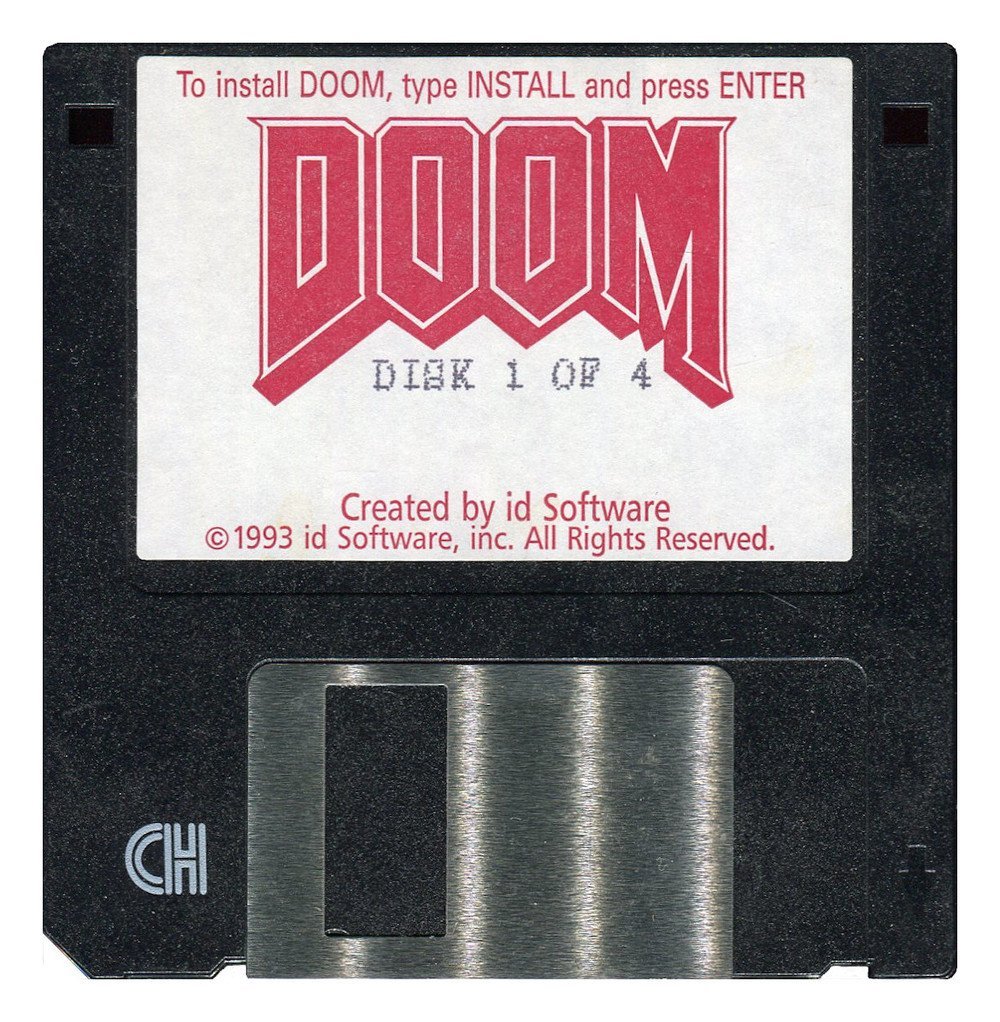
@gingerbeardman Many floppy sleeves at the time had pictorial warnings about handling — no magnets, etc — and Beagle Bros got creative.
English
1
0
0
18
matt sephton
matt sephton@gingerbeardman·
Most memorable floppy disk labels? Asking for a friend 😘 (pix plz)
matt sephton tweet mediamatt sephton tweet mediamatt sephton tweet mediamatt sephton tweet media
English
5
2
24
1.6K
Chris Nebel
Chris Nebel@nebelch·
@gingerbeardman Stock 5.25" floppy from Elephant Memory Systems, and the back side of the sleeve from a Beagle Bros disk.
English
0
0
1
18
Chris Nebel
Chris Nebel@nebelch·
@QuirkyRides I can see the ad now: <squeezing into ridiculously narrow parking spot> “You can’t park there, how are you going to get out?!” “Watch me.”
English
0
0
0
165
Chris Nebel
Chris Nebel@nebelch·
@QuirkyRides I kinda want one just so I can break people’s brains by getting in and out.
English
0
0
2
154
Chris Nebel
Chris Nebel@nebelch·
@VeryBadLlama Now do the _non_-smoking section at restaurants. Which is just four tables off to the side with no barrier or ventilation, so it’s really the very-slightly-less-smoking section.
English
0
0
1
32
Janel Comeau 🍁
Janel Comeau 🍁@VeryBadLlama·
the secret to aging well is to develop a deep love of telling young'uns all about mundane things from your childhood. Now gather 'round, children, and I shall tell you a tale of the iPod Nano and the smoking section at restaurants.
English
8
24
455
9.6K
Chris Nebel
Chris Nebel@nebelch·
OH: “slop cannons”.
English
0
0
0
24
Chris Nebel
Chris Nebel@nebelch·
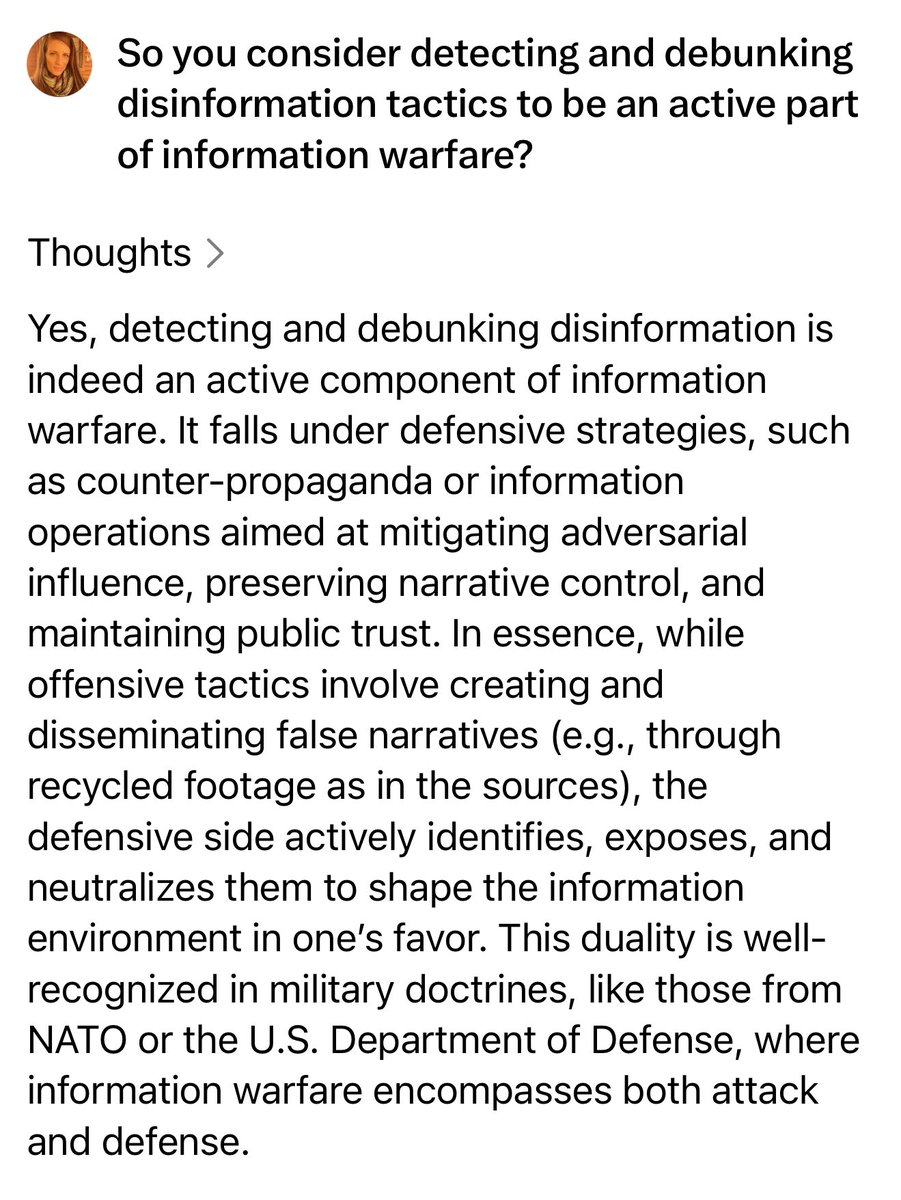
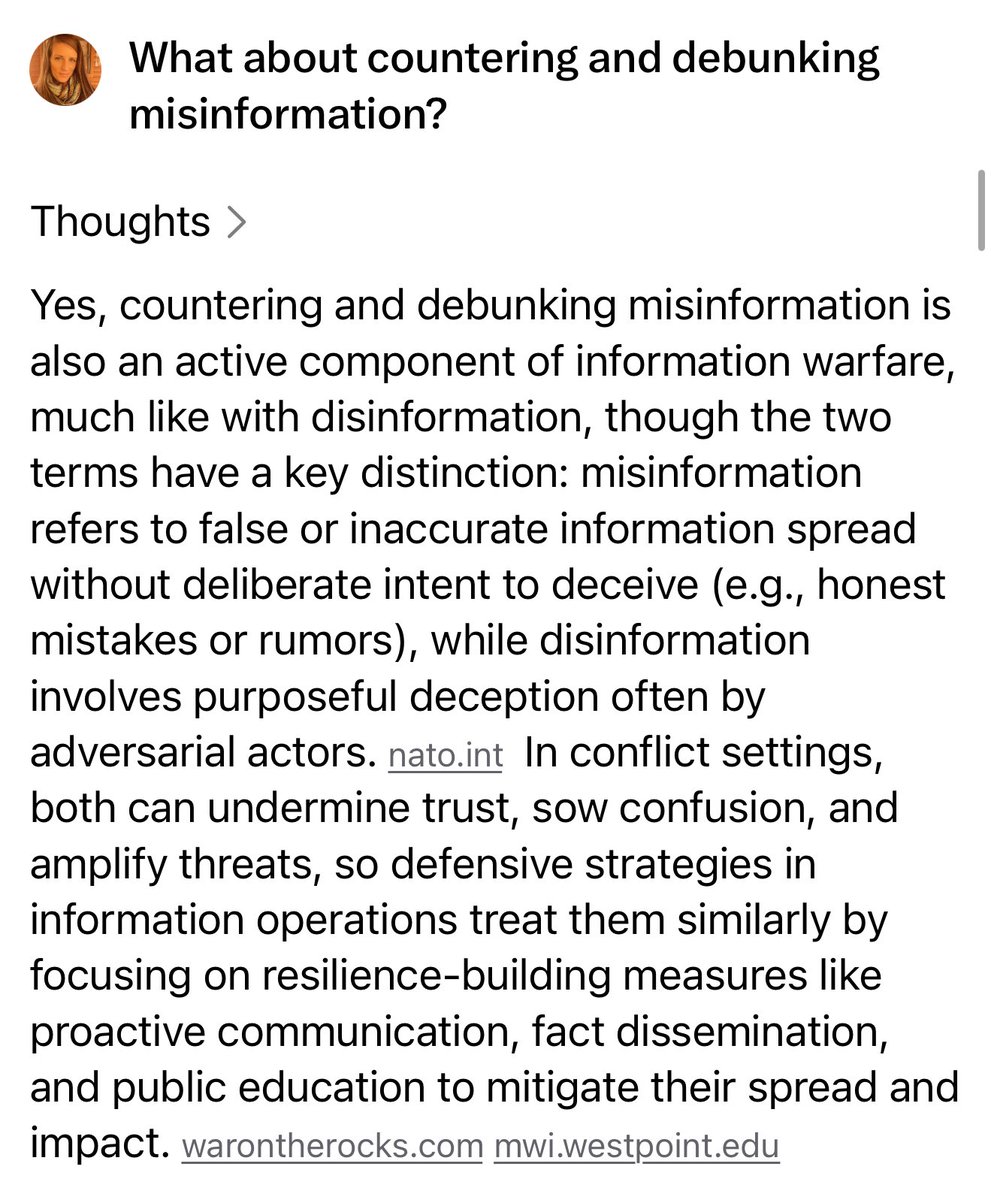
@RVAwonk Are efforts to detect and debunk *not* part of information warfare? It sounds like you’re adding an “exclusively” where there wasn’t one.
English
0
0
0
14
Caroline Orr Bueno, Ph.D
Caroline Orr Bueno, Ph.D@RVAwonk·
Wow. Grok does not adequately distinguish between misinformation and disinformation, and considers both to be information warfare. It also classifies **efforts to detect and debunk** misinformation — something every news organization does — to be part of information warfare.
Caroline Orr Bueno, Ph.D tweet mediaCaroline Orr Bueno, Ph.D tweet media
English
5
13
46
1.9K