Sabitlenmiş Tweet

I was late once.❤️
Trying to help others not be.💙
Follow if you’ve ever felt behind.💚
Please follow me friend.💛
You will not lack anything.🤍
@neo_drop33

English
👑NovaDrops🔥
353 posts

@neo_drop33
🚀 Fresh Crypto Airdrops 💎 Early • Free • Verified 🌍 Web3 | DeFi | NFTs 🔔 Turn on notifications ❤️Follow



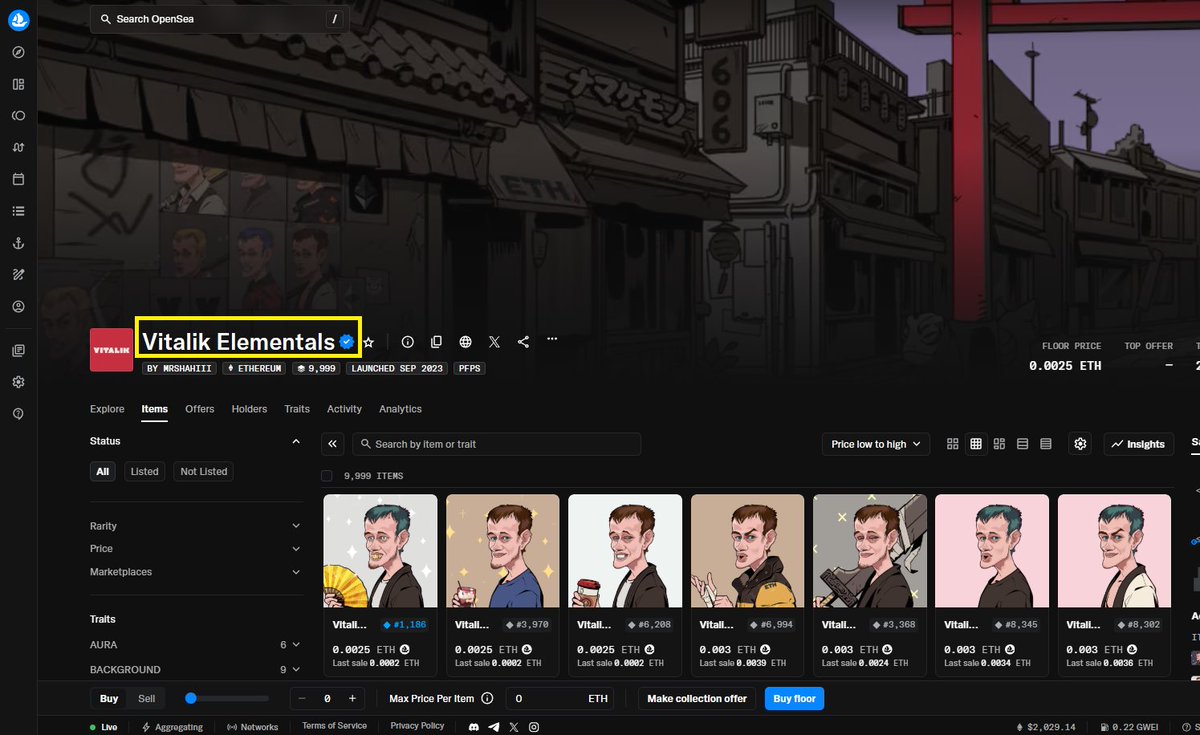
Some moments in crypto just stay with you forever.💙 Years ago, during the chaos of the @VitalikButerin Twitter hack 🌀… timelines moving too fast, wallets getting drained, nobody knowing what was real anymore. Somehow, one of my artworks 🎨 ended up becoming part of that on-chain story a strange, unexpected moment that spread across the community and turned into crypto lore. Seeing my art exist inside a real piece of crypto history felt surreal. Not because of hype, but because it showed how unpredictable, chaotic, and alive this space truly is. Every collection carries memories. Every block holds a story. Who was there that day? 👀 OGs remember 🖤

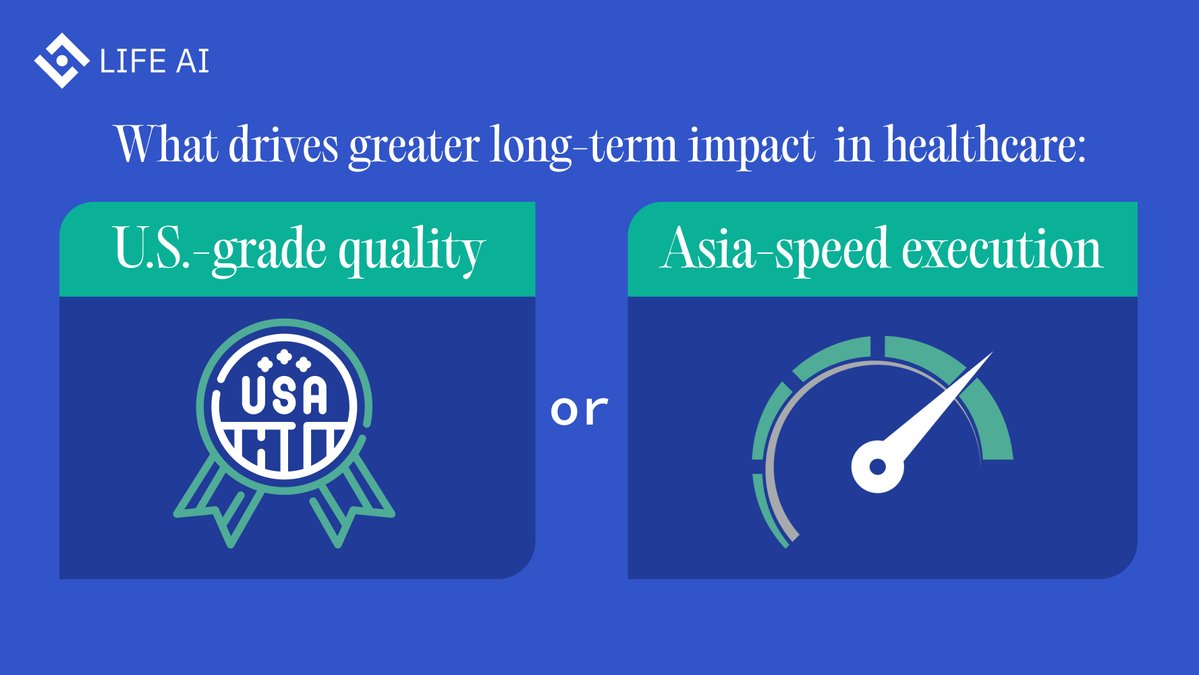
🩺 Community Question: In medical innovation, what drives greater long-term impact: U.S.-grade quality for rigorous validation and strict regulation or Asia-speed execution for faster approvals and rapid scale? Viewpoint A: U.S.-Grade Quality Through institutions like the U.S. Food and Drug Administration, the U.S. emphasizes deep clinical validation before approval. Rigor reduces risk, protects trust, and supports durable breakthrough innovation. Viewpoint B: Asia-Speed Execution Countries such as China and India accelerate approvals and deploy innovations at scale. Faster access can save lives, especially in high-burden diseases. 👇 Drop A or B and share your perspective.
💊 Community Question: Can AI help discover and develop new medicines much faster and cheaper than traditional methods? Viewpoint A: Yes. AI can rapidly test millions of drug ideas, cut early research time and costs dramatically, and in some cases bring medicines to patients years faster. Viewpoint B: Not fully. AI helps at the start, but human trials are still slow, expensive, and unpredictable, keeping overall drug development costly and time-consuming. If AI is expected to change how medicines are made, is the impact already real or mostly promise? 👇 Drop A, B, or share your perspective.
🩺 Community Question: If healthcare really is broken, what’s the best way to fix it? Viewpoint A: Break the current system and take on the big players, including drug companies, hospitals, and insurers, to change the rules and rebuild healthcare from the ground up. Viewpoint B: Build a new healthcare system alongside the old one, simpler, more human, and tech-driven, and let it grow until it becomes the better default. Your perspective can help shape the future of healthcare. Which path would you support? 👇 Drop A, B, or share your perspective. Tag someone who should weigh in on this.
🩺 Community Question: If healthcare really is broken, what’s the best way to fix it? Viewpoint A: Break the current system and take on the big players, including drug companies, hospitals, and insurers, to change the rules and rebuild healthcare from the ground up. Viewpoint B: Build a new healthcare system alongside the old one, simpler, more human, and tech-driven, and let it grow until it becomes the better default. Your perspective can help shape the future of healthcare. Which path would you support? 👇 Drop A, B, or share your perspective. Tag someone who should weigh in on this.
🩺 Community Question: If healthcare really is broken, what’s the best way to fix it? Viewpoint A: Break the current system and take on the big players, including drug companies, hospitals, and insurers, to change the rules and rebuild healthcare from the ground up. Viewpoint B: Build a new healthcare system alongside the old one, simpler, more human, and tech-driven, and let it grow until it becomes the better default. Your perspective can help shape the future of healthcare. Which path would you support? 👇 Drop A, B, or share your perspective. Tag someone who should weigh in on this.