Con ngại viết, có thể sợ bị nắm thóp, bắt bài hay không truyền đạt hết ý. Còn về nói thì cũng rào rào với đối tượng trương hàng phải lứa, gặp những người có địa vị, khách hàng cao cấp lại cụt từ, không mở được miệng. Chủ đề này của Dượng gãi đúng điểm ngứa, con xin tham gia ạ.
1. Vì sao có người cứ mở miệng là nói ào ào, nói trơn tru không vấp, tải lượng sức nặng ngàn cân với những từ vựng đắt giá, cách diễn đạt nghe rất dễ hiểu, giọng lên xuống bay bổng như dát vàng lỗ tai? Vì sao họ có năng lực nói?
Vì sao có người cứ đặt bút xuống viết hay gõ chút xíu trên điện thoại vài phút là ra 1 bài để đăng lên các mạng XH? Câu cú họ viết ngon lành, nội dung chặt chẽ, logic. Họ muốn độc giả khóc thì khóc, muốn họ cười thì cười, muốn suy tư thì cho suy tư, muốn giật mình thì cho giật mình. Vì sao họ có năng lực viết?
=> Tất cả là do họ có có chữ nghĩa trong não, đã nạp dần theo tháng năm. Khi cần xuất ra qua đường tay (viết) hoặc đường miệng (nói) thì chữ cứ thế mà tuôn ra, trào ra. Đó là 1 quá trình tích luỹ lâu đời từ thơ bé, chứ không phải ngày 1 ngày 2 mà có.
2. Chữ nghĩa nạp vô não bằng 2 con đường là đọc (qua mắt) và nghe (qua tai), gọi là tri thức. Tri thức sẽ để trong đó như 1 cái kho lớn, mình không nhận ra đâu, đến lúc cần thì não mình sẽ tự động đưa ra cho mình xài.
3. Lợi thế nói và viết rất quan trọng. Làm quan thì lên chức (không có lãnh đạo nào nói ấp úng hay vấp lên vấp xuống cả, dù là ông trưởng thôn), làm giáo viên thì học sinh mê, làm bán hàng thì chốt được nhiều hợp đồng, làm bác sĩ thì bệnh nhân cũng hâm mộ, làm gì thuộc lao động trí óc thì 2 kỹ năng nói và viết sẽ giúp mình vượt trội lên, có năng suất lao động tốt hơn.
4. Tui sẽ hướng dẫn các bé đọc sách để nạp vô đầu mình chữ nghĩa. Bắt đầu với 4 cuốn sách của các nhà văn nữ có năng lực về tiếng Việt xuất sắc, có tâm hồn lạc quan yêu đời, đi đây đi đó nhiều nên có sự khác biệt với các bút trong nước. Các bé biết 4 tác giả tui định nói ai hem? Có thích chương trình "nạp chữ nghĩa vô não" này hem, để lại suy nghĩ mình sau khi đọc các đoạn văn trên để tui coi có tư duy hem nhen. Có thì mới giúp được, có bột thì mới gột nên hồ.
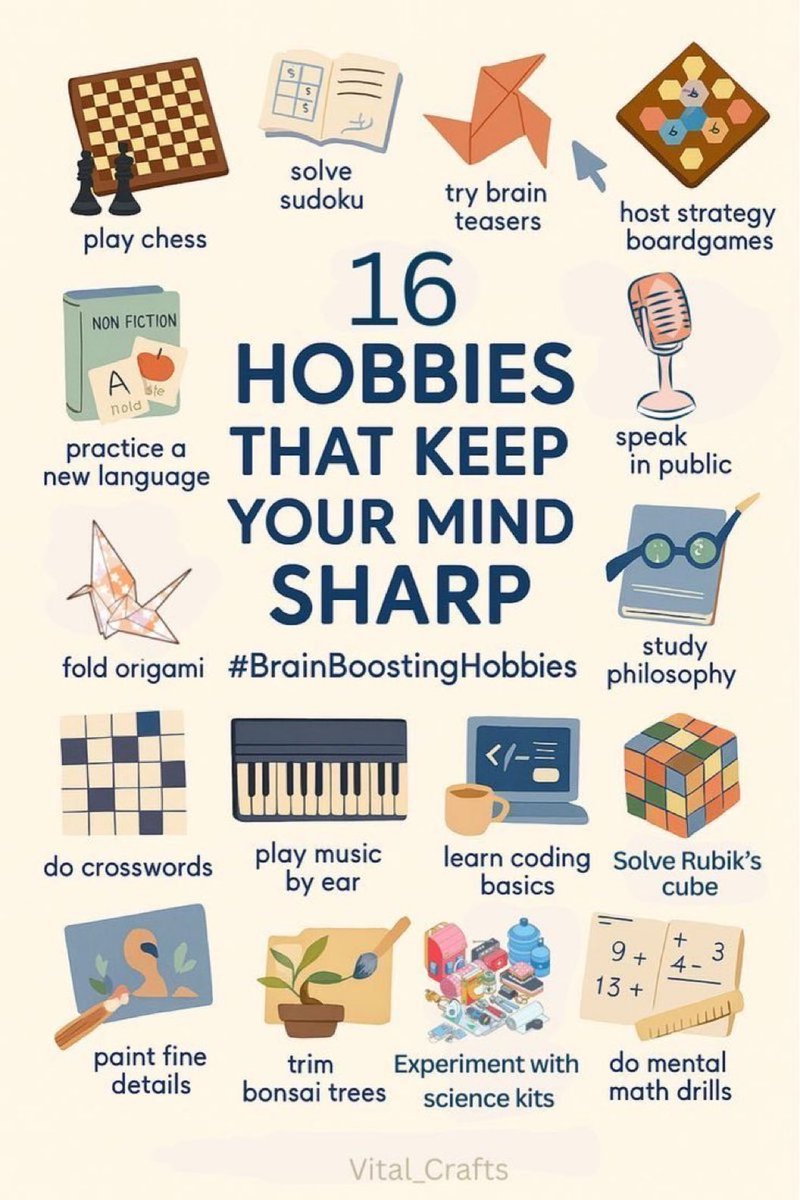
@HEALTH__LIVING Most of these raise dopamine temporarily.
Consistency is what makes it sustainable.
Without structure, even healthy habits become random.
Even productivity experts fall into 2AM rabbit holes.
Oliver Burkeman spent 10 years as The Guardian's productivity columnist.
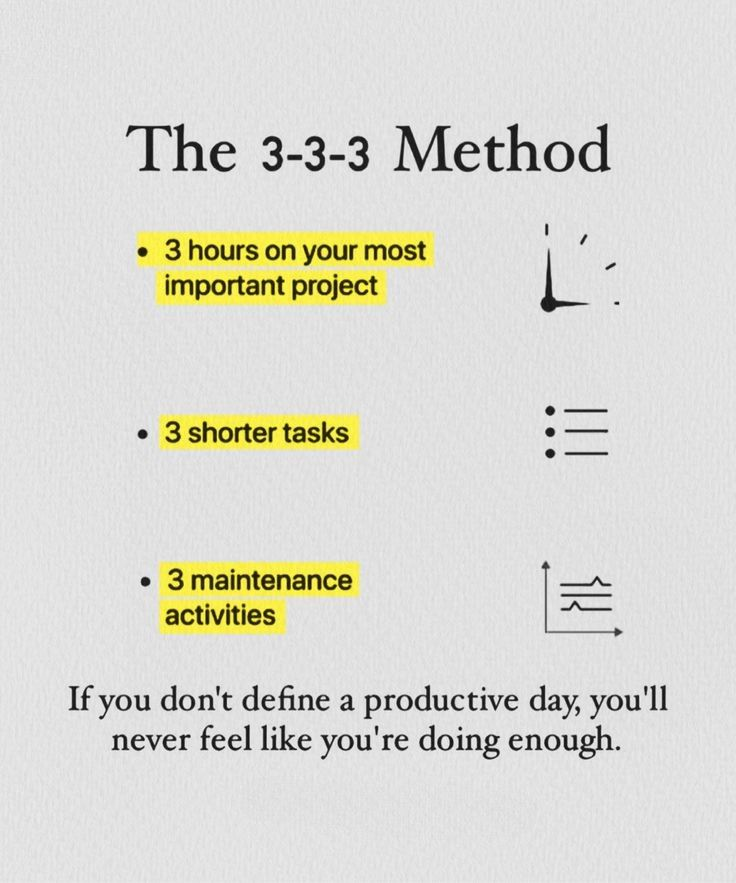
His 3-3-3 method is his confession and cure.
It defines a "good day" with just 9 commitments.
1) 3 hours for deep work.
Protect three uninterrupted hours for your single most important project.
Why three hours?
Research firm McKinsey studied how long knowledge workers can sustain peak cognitive performance.
Their data reveals:
• 180 minutes quadruples it
• 90 minutes of deep work doubles productivity
• Beyond three hours, cognitive returns collapse
Split it into two 90-minute blocks timed to your natural energy peaks, typically morning for 75% of people.
Just one priority.
2) 3 tasks to clear the pile.
Those emails you've been avoiding? The calls you keep postponing?
Pick three. Timebox them, assign each a fixed slot on your calendar and stop when time's up.
Research shows every context switch costs 23 minutes of refocus time and halves your output.
Contain urgent-but-small tasks in dedicated slots to prevent them from hijacking your deep work.
3) 3 activities to maintain your foundation.
Schedule three activities for health and relationships.
This isn't optional self-care.
Harvard's 85-year Grant Study found relationships predict 80% of life satisfaction more than wealth or achievement.
Productivity author @SahilBloom reports eliminating his "never enough" anxiety entirely. Performance coach Christian Schmid documents 4x output through consistent 180-minute blocks.
The counterintuitive truth:
Endless to-do lists create decision fatigue. But these nine strategic commitments create momentum.
With only 4,000 weeks and nine commitments, the question is:
What deserves your three hours today?
—
Thanks for reading!
Enjoyed this post?
Follow @BigBrainPsych for more content like this.
5 things rich people know that broke people don't:
1. Leverage beats hard work
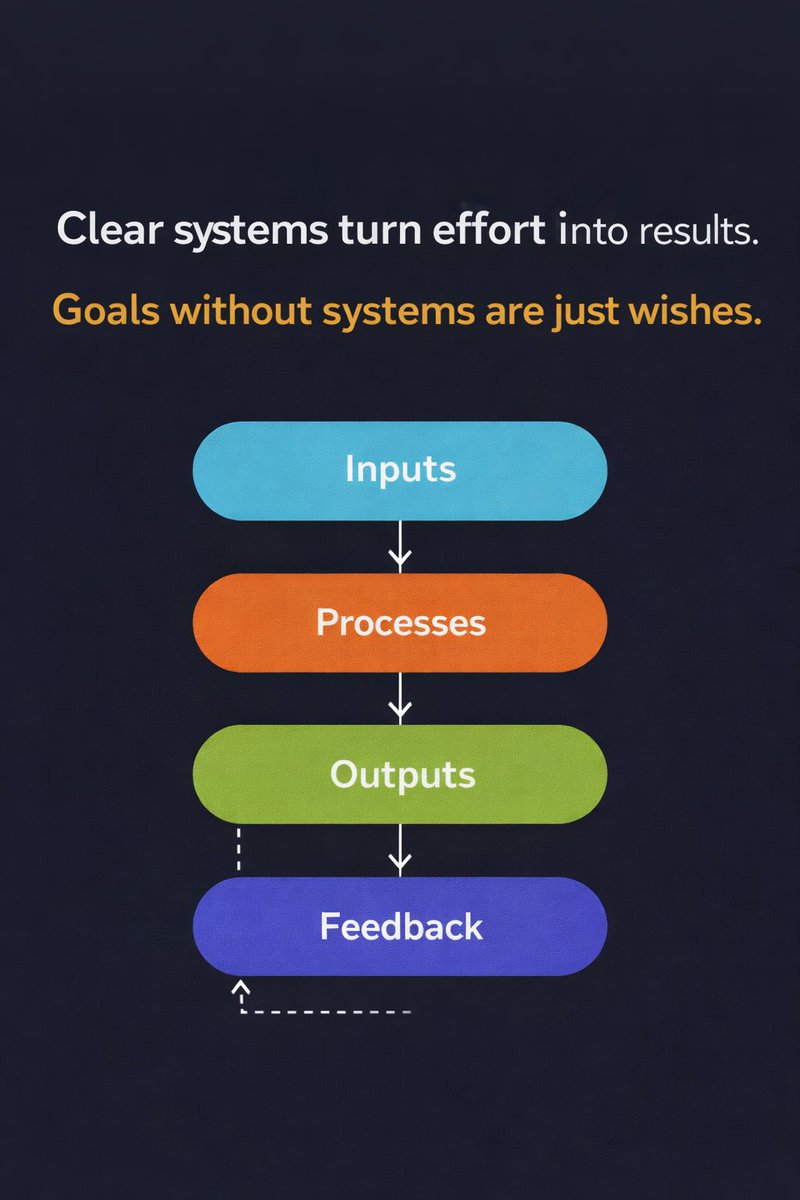
2. Systems beat motivation
3. Assets beat paychecks
4. Freedom beats status
5. Time beats money
Simple, but most people ignore all 5.
Build Systems, Not Just Goals
Every trader has goals. "I want to make 50% returns this year." "I want to be consistently profitable." "I want to quit my job and trade full-time."
Goals are good. They give you direction. They give you something to aim for.
But goals alone won't get you there.
What gets you there are systems.
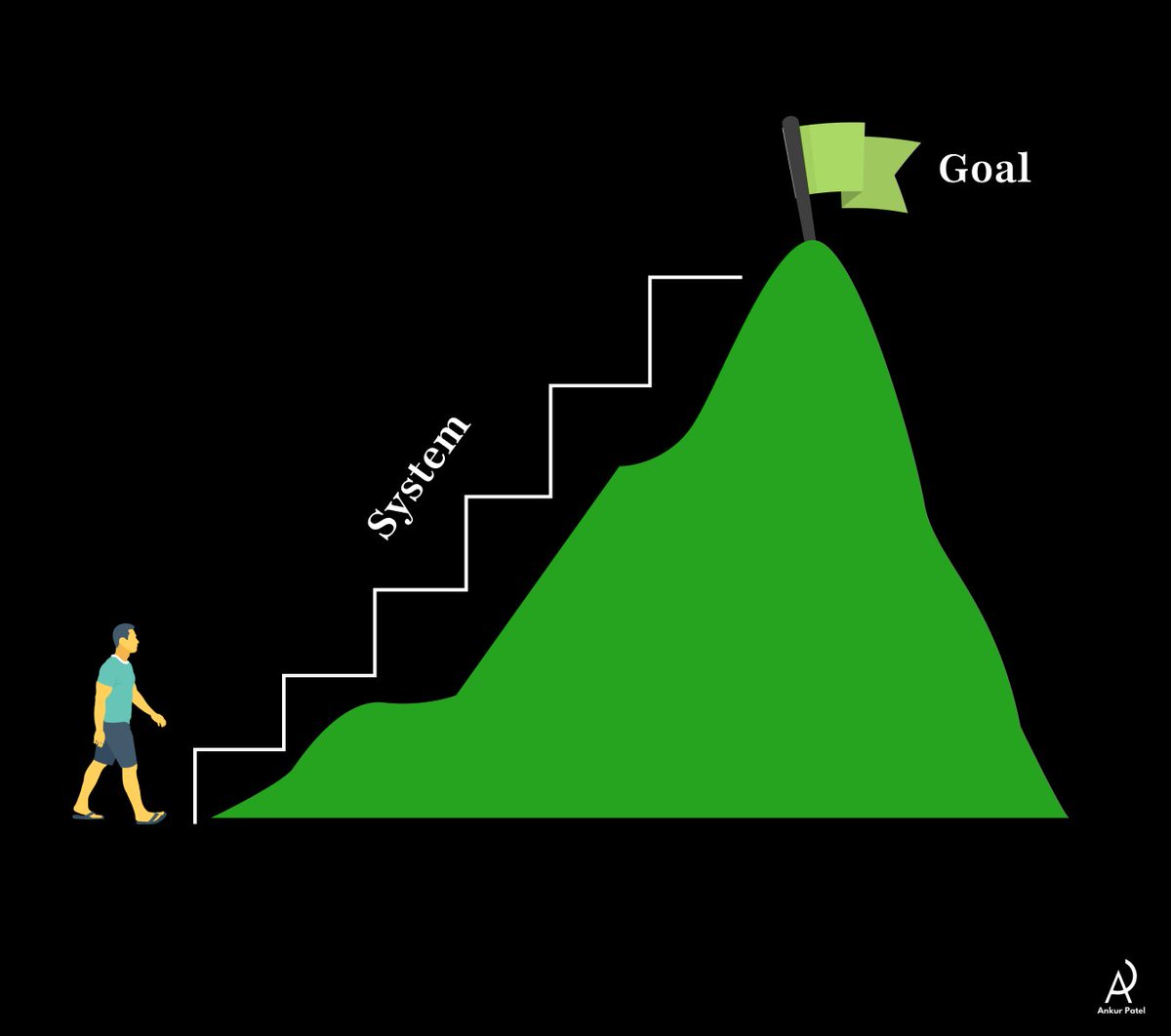
Goals are outcomes. Systems are the habits that lead you there. You can't control whether you make 50% returns this year - the market might not cooperate. But you can control whether you follow your trading system every single day.
Want to be consistently profitable? Build a system. A pre-market routine. A checklist for entries. Rules for position sizing. A process for reviewing your trades at the end of the day.
Want to make better decisions under pressure? Build a system. Write down your plan before you enter. Set your stops in advance. Define your exits before emotions kick in.
The goal is the target. The system is the arrow.
Most traders spend all their time thinking about goals. "How much can I make?" "When will I be profitable?" But they don't have a system to get there. They're just hoping, reacting, improvising.
Focus on building systems. Daily habits. Repeatable processes. The kind of structure that works whether the market is up or down, whether you're winning or losing.
Do that consistently, and the goals take care of themselves.