Neal Hansch

4.6K posts

Neal Hansch banner
Neal Hansch

Neal Hansch

@nhansch

CEO, Silicon Foundry @scnfoundry

San Francisco, CA Katılım Mart 2008
2.4K Takip Edilen2.1K Takipçiler
Neal Hansch retweetledi
Kearney
Kearney@kearney·
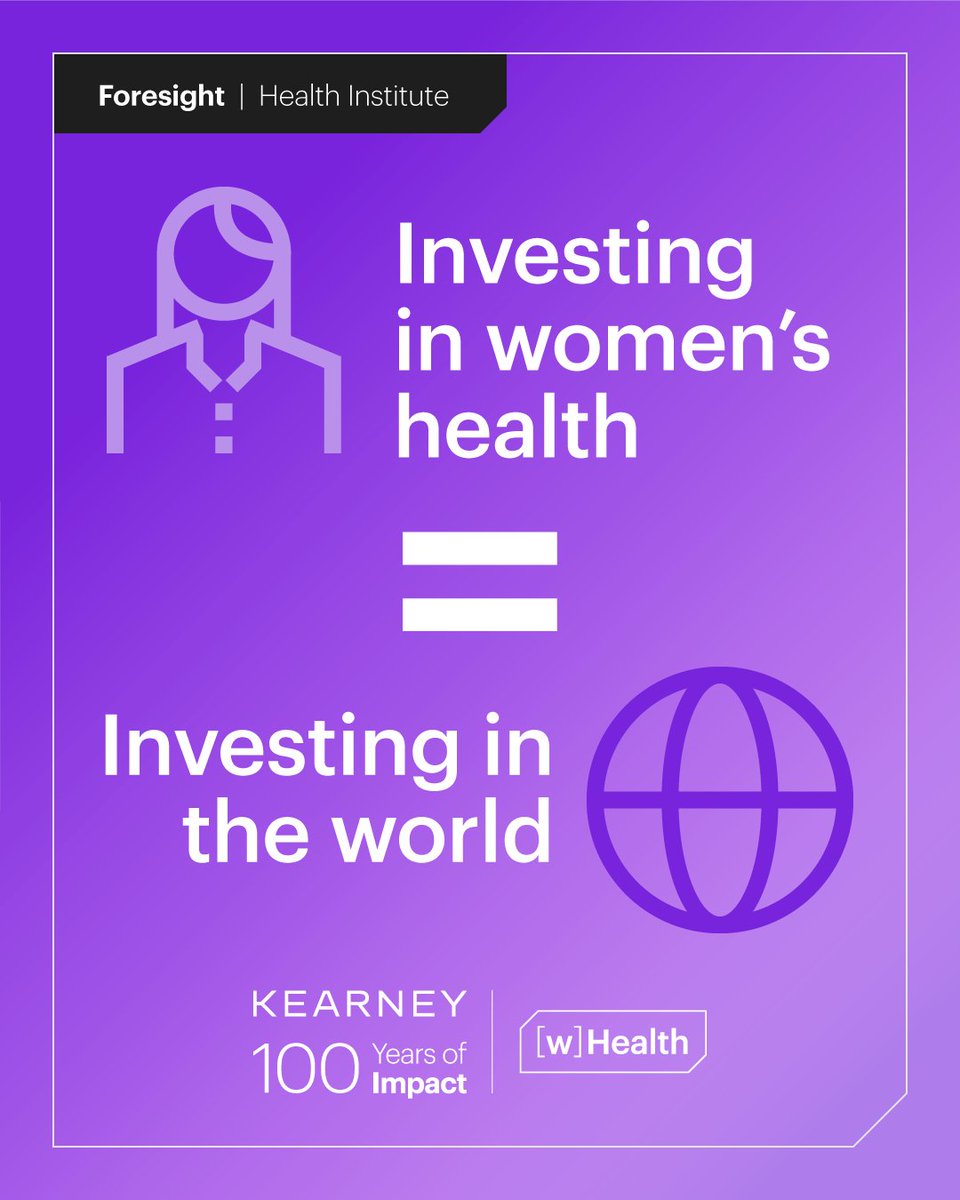
More research, stronger innovation, and greater investment in women’s health translate into stronger economies and societies. Learn how private capital can play a critical role in accelerating that progress: bit.ly/3NZ7XHL #wHealth
Kearney tweet media
English
0
3
4
348
Neal Hansch retweetledi
Kearney
Kearney@kearney·
Thought 2025 was a disruptive year for supply chain? Here are the top 5 supply chain trends for 2026 you need to know — courtesy of Kearney’s Per Hong in @GlobalTradeMag 👇 bit.ly/3OMMjX7
English
0
3
3
199
Neal Hansch retweetledi
Anthropic
Anthropic@AnthropicAI·
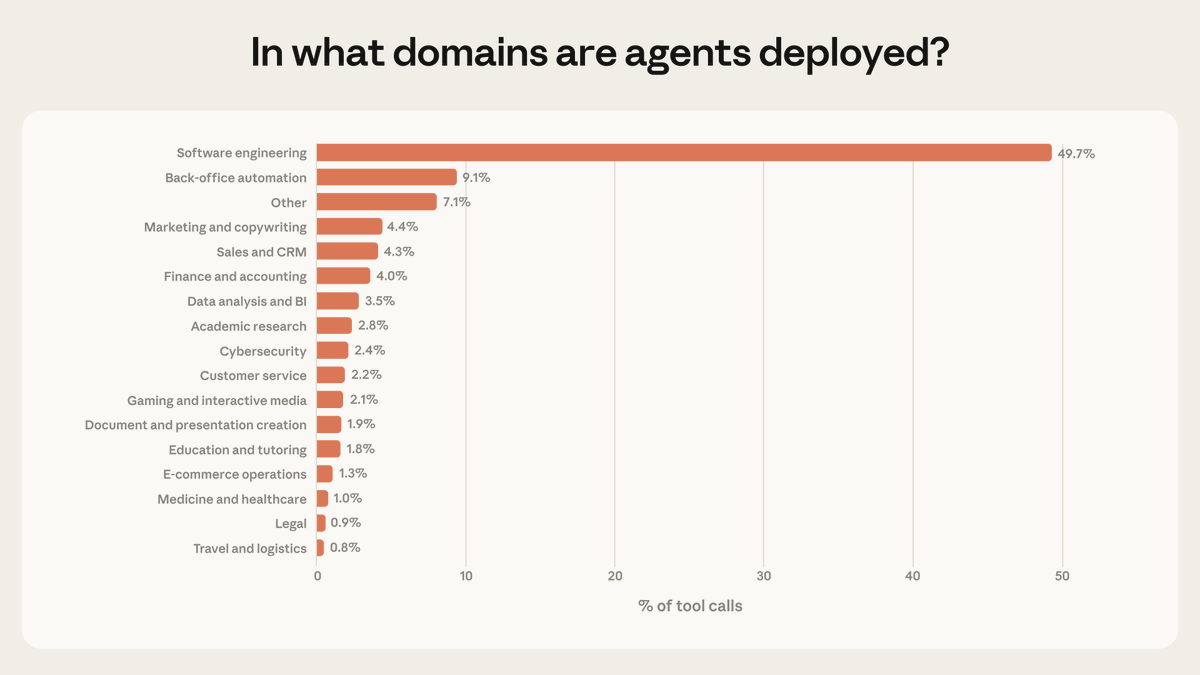
Software engineering makes up ~50% of agentic tool calls on our API, but we see emerging use in other industries. As the frontier of risk and autonomy expands, post-deployment monitoring becomes essential. We encourage other model developers to extend this research.
Anthropic tweet media
English
138
333
3K
1.9M
Neal Hansch retweetledi
Joshua Reed Eakle 🗽
Joshua Reed Eakle 🗽@JoshEakle·
It’s important that you understand what happened last night. Last night, Stephen Colbert interviewed Democratic Texas Senate candidate James Talarico, a candidate who, by all accounts, is on track in the polls to flip Texas blue. In response, Trump’s FCC reportedly threatened CBS if the interview aired. CBS caved and pulled the segment, citing “financial reasons.” In modern American history, no president has been more hostile to free speech than Donald Trump. But censorship always backfires. Here’s the full segment Trump didn’t want you to see.
English
3.3K
36.4K
127.7K
3.8M
Neal Hansch retweetledi
Kearney
Kearney@kearney·
This year’s @wef Davos underscored how much the operating environment for global business has changed. In @Ind_today, Kearney's Per Hong shares what stood out at Davos, and what it means for companies rethinking long-held globalization assumptions 👇 bit.ly/4rFYh38
English
2
4
7
257
Neal Hansch retweetledi
Aaron Levie
Aaron Levie@levie·
The corollary is that because of AI agents, every small business and entrepreneur now has the resources of a Fortune 500 at their disposal. Technology has always been about producing more abundance and better access to a given resource. We’ve done this with software for decades from mainframe to client-server to cloud. Each of these periods made technology 10-100X more accessible to more businesses. AI does the same now for all areas of knowledge work. Why is high end coding only available to a microscopically small set of companies in the world? Why are the vast majority of companies unable to afford great advertising? Why do only a small subset of companies get great legal advice, software security, research, and almost every other domain of knowledge work? AI brings all of these capabilities to companies of all sizes. The biggest opportunities in AI agents are figuring out what resources have most companies always wanted but never been able to afford or find before.
roon@tszzl

even minor aristocrats could not get the kind of tutor on demand for their kids that every single family who can pay twenty dollars a month can now

English
51
54
468
420.1K
Neal Hansch retweetledi
Aaron Levie
Aaron Levie@levie·
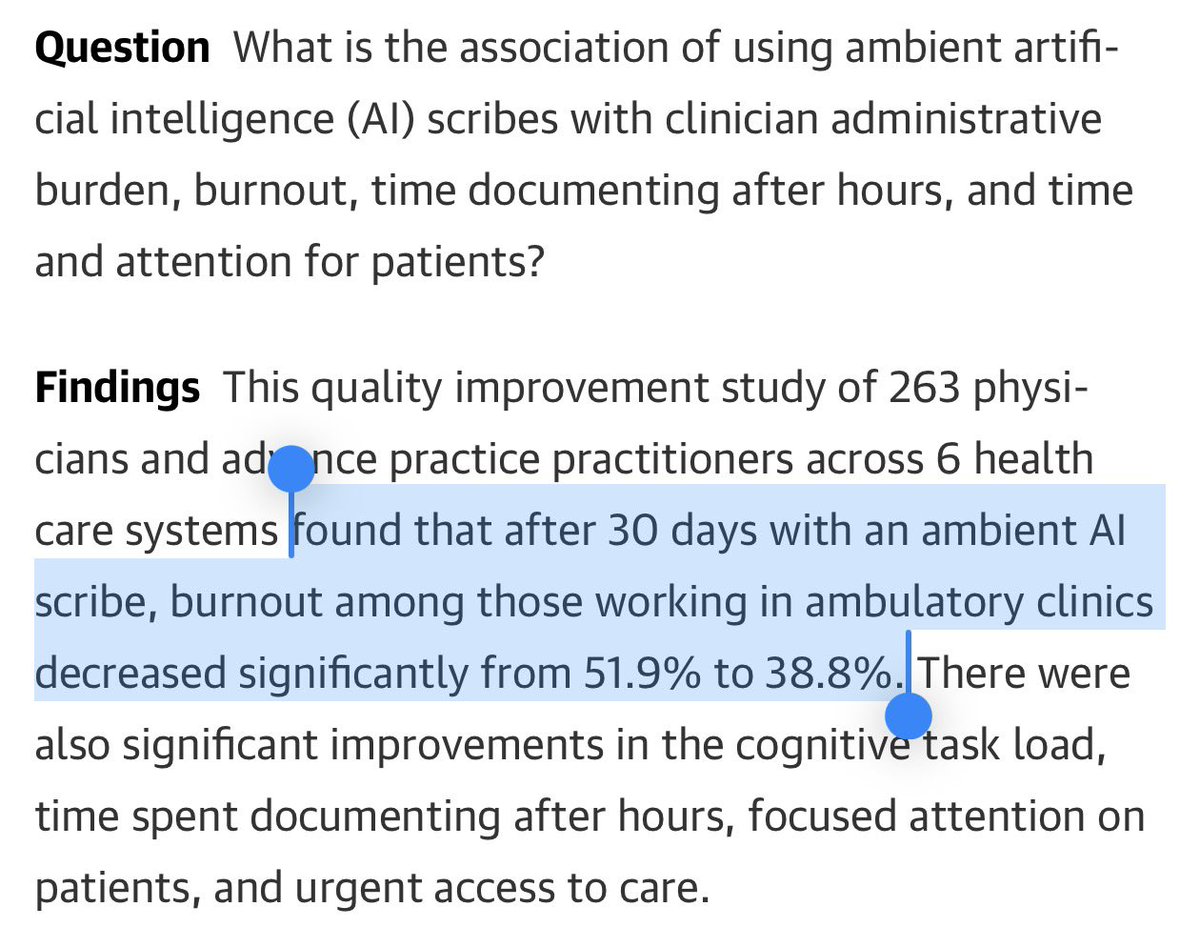
Great example of an immediate obvious benefit of AI. Doctors using AI scribes experience dramatically less burnout. In every field, a substantial part of our job is to do tasks that are necessary but unenjoyable. AI will largely eradicate this.
Aaron Levie tweet media
Ethan Mollick@emollick

The obsession with AI transformation obscures the fact that there are a ton of small, but positive and very meaningful, use cases across many fields. In this case, AI note-taking significantly reduces burnout among doctors & increases their ability to focus on their patients.

English
28
78
377
82K
Neal Hansch retweetledi
Daybreak Insights 🌅
Daybreak Insights 🌅@DaybreakInsight·
𝐄𝐧𝐭𝐞𝐫𝐩𝐫𝐢𝐬𝐞 𝐀𝐈 𝐀𝐠𝐞𝐧𝐭 𝐈𝐧𝐧𝐨𝐯𝐚𝐭𝐢𝐨𝐧𝐬: Our latest study analyzes the AI agent startups automating enterprise processes. We present the categories of innovation, critical trends, and real-world case studies. daybreakinsights.com/ai-agents/
Daybreak Insights 🌅 tweet media
English
0
4
4
264
Neal Hansch retweetledi
Kearney
Kearney@kearney·
Where can #energy and #utilities leaders go to talk about what’s next, not just what’s urgent? Kearney and Silicon Foundry’s The Collective // Energy + Utilities is a curated community of industry executives who are driving transformations in power, gas, and water. Members gain access to exclusive events, expert consultations, and breakthrough insights to help translate #innovation into impact. Join the executives who are shaping energy’s future. Learn more about The Collective and contact us for membership opportunities: bit.ly/4lLVRgt
Kearney tweet media
English
1
3
4
503
Neal Hansch retweetledi
Aaron Levie
Aaron Levie@levie·
It’s crazy how much AI Agents are going to change the core premise of software. Since the beginning of the industry, software has been something that enables people to do their work. We’ve spent decades building features that make people incrementally more productive when using the technology. Every feature has been in service of extracting a few percentage points of productivity improvement. But no matter how many features get built, software before AI was ultimately still bound by how fast the human using the tool was able to do their work. Word processing or coding was always constrained by the upper limit of how fast you could type what you wanted. Contract software was constrained by how quickly you could review a document. Sales tools were limited by your ability to add, review, or interact with clients. AI Agents flips this on its head. The new paradigm of software will soon be about AI Agents doing work for you, with humans used to plan, review and orchestration step in the process. Think about the impact of this. Now, all of software is effectively unbounded by the speed at which humans work. Or, better yet, even their availability in the first place. You can already see how this workflow is shaping up, mostly notably starting with AI coding. The new AI coding workflow often is to have an AI Agent generate some small or large chunk of code based on your prompt, and then you go through and review its work, often making a few changes and fixes in the process. In most cases this accelerates what you’re building meaningfully. Of course there still are plenty of bottlenecks elsewhere in the process, so you don’t capture all the productivity improvement, but you get a major jump. And these are just the early days. We’re also starting to see similar output improvements in other areas of work. Deep research will take work that used to take a few hours or days for an analyst and compress it into minutes. AI Agents that review contracts or generate proposals equally compress this much time as well. The workflows are all the same: send a task to an AI Agent, review the output and incorporate it into your work. The biggest impact is how we will need to think about and design software in the future. The tools that start to emerge (or that are reinvented) are no longer focused on how humans can become incrementally more productive in our work; instead, tools will be optimized for how we interact with AI Agents to make *them* orders of magnitude more productive and effective. This is about software the supports the planning, review, orchestration, and consumption of AI Agents’ work. This is truly a new paradigm of software that’s emerging.
English
48
84
444
107.3K
Neal Hansch retweetledi
Aaron Levie
Aaron Levie@levie·
This is correct. Too many AI takes are zero sum thinking. 3 other outcomes are more likely: AI reduces costs in one area leading to a surplus of spend in new areas, AI reduces prices which means new markets can afford the service, or AI lets you just do more for customers.
Joe Weisenthal@TheStalwart

It’s possible that AI will massively destabilize the economy in some way. But the theories about mass unemployment seem really half baked. Ok, a law firm cuts a bunch of associates. What are the partners going to consume with their new savings? Who’s going to supply it?

English
29
54
368
109.2K
Neal Hansch retweetledi
Arizona Baseball
Arizona Baseball@ArizonaBaseball·
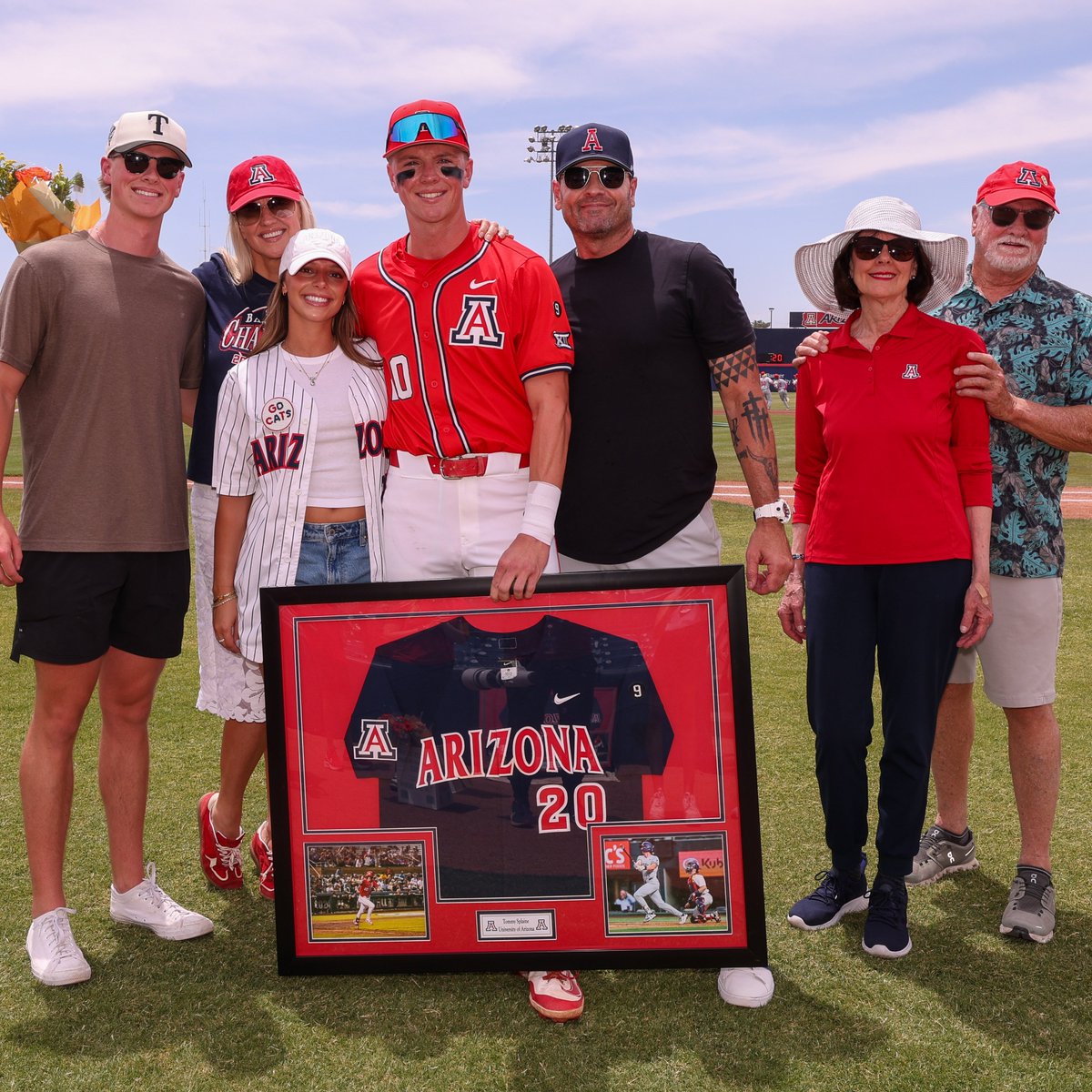
𝑺𝒆𝒏𝒊𝒐𝒓 𝑺𝒑𝒐𝒕𝒍𝒊𝒈𝒉𝒕 – @splaine_tommy 👏 Tommy, your leadership and reliability have been a cornerstone of our success for years. Thank you!
Arizona Baseball tweet media
English
4
10
82
15.8K
Neal Hansch retweetledi
Kearney
Kearney@kearney·
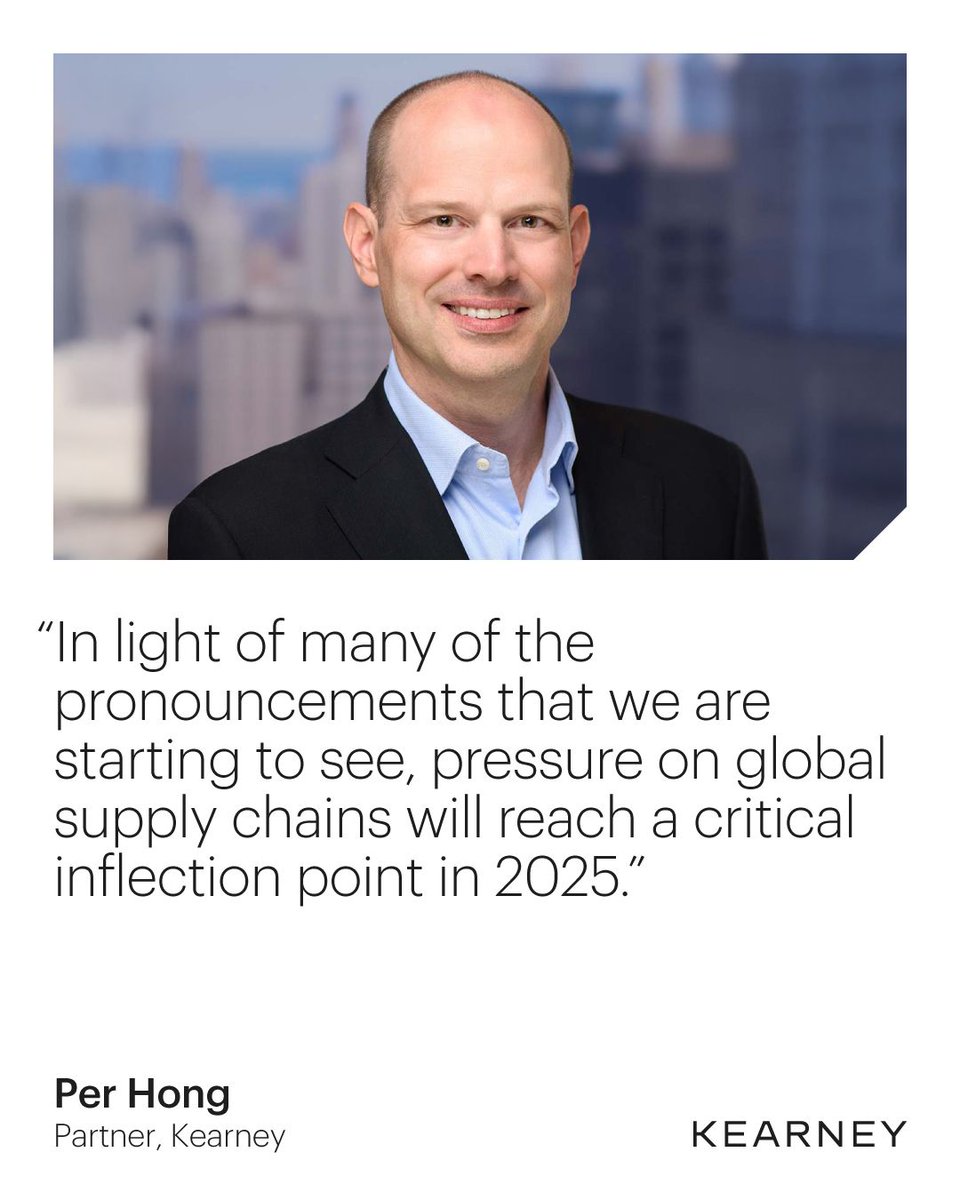
Global #supplychains are undergoing a major transformation, with even more changes on the horizon. In a recent @Bloomberg Businessweek episode, Kearney’s Per Kristian Hong shared exclusive insights from his World Economic Forum presentation on the report he co-authored, Beyond Cost: Country Readiness for the Future of Manufacturing and Supply Chains: bit.ly/4izmtzR
Kearney tweet media
English
0
1
3
497
Neal Hansch retweetledi
Kearney
Kearney@kearney·
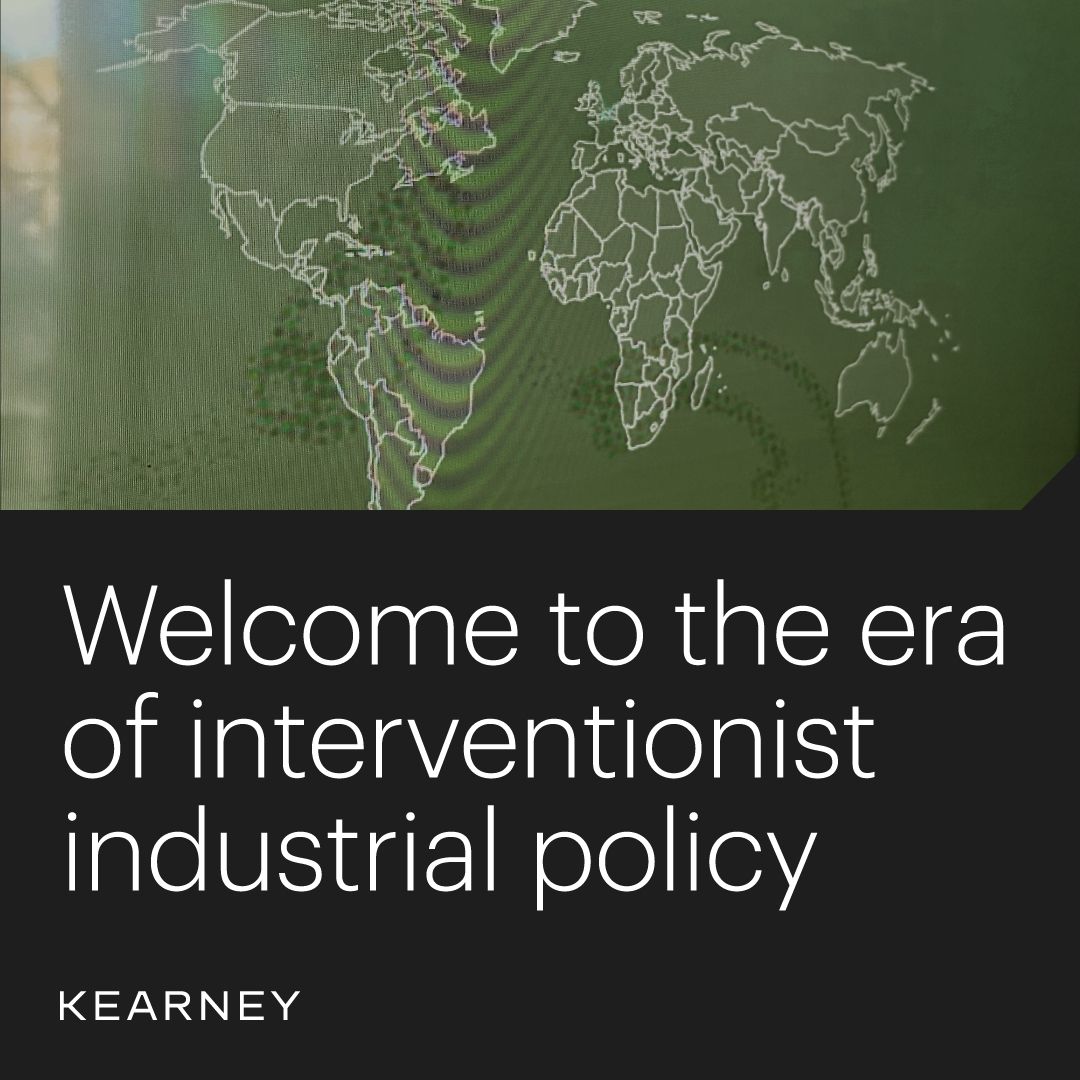
Between January 2023 and June 2024, more than 2,500 new government interventions related to industrial policy were documented, bringing the total number of industrial policy measures from 90 in 2009 to more than 15,000 in 2024 and marking the beginning of a new era of interventionist industrial policies around the world. Bob Willen, Kearney’s Global Managing Partner and Chairman, and Erik Peterson, Kearney Partner and Managing Director, Global Business Policy Council, reveal strategies to help your business thrive in this time of change: bit.ly/3Wl4fJD #WEF25
Kearney tweet media
English
0
4
3
636
Neal Hansch retweetledi
Kearney
Kearney@kearney·
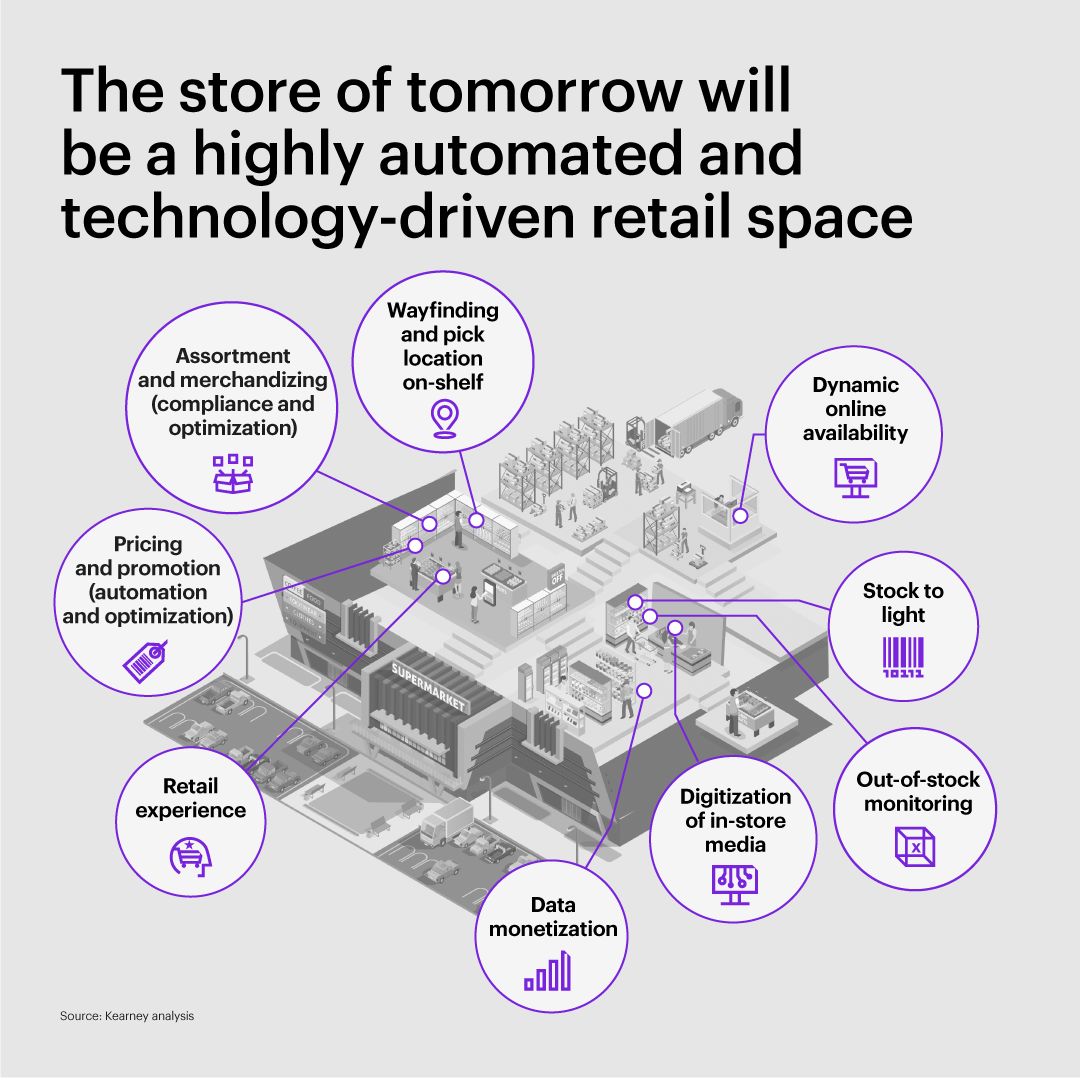
Any idea what the future of #retail could look like? Let’s have a closer look: bit.ly/4fLcaYb
Kearney tweet media
English
0
4
8
725
Neal Hansch retweetledi
Kearney
Kearney@kearney·
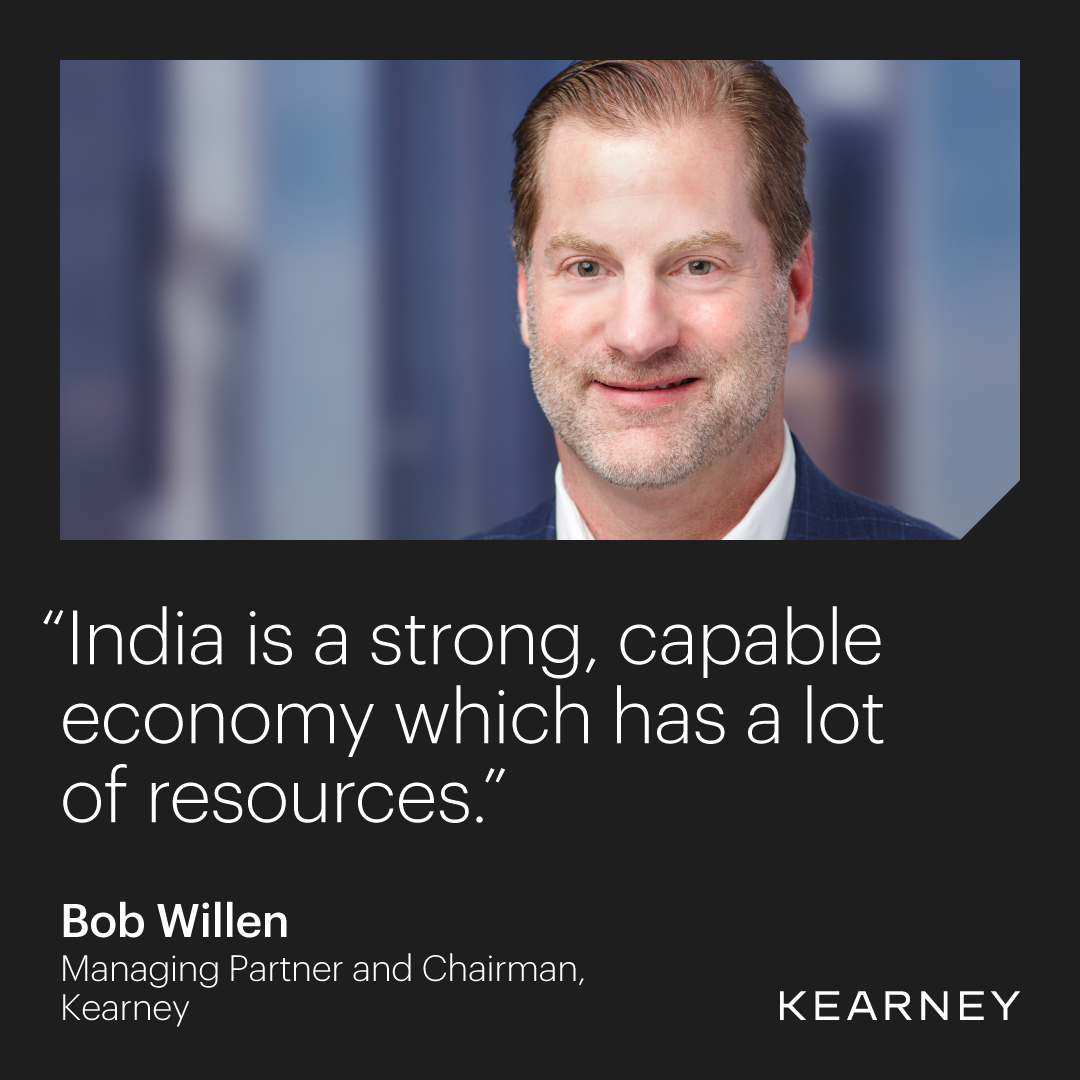
Bob Willen, Kearney’s Global Managing Partner and Chairman, shared his expertise in an interview with @timesofindia on #supplychain diversification. When asked about the Indian market’s role in supply chain dynamics, Bob noted, “I have seen incredible growth in India and we see a great potential here. There’s a domestic market, it’s not just a service market for the rest of the world.” Interested in other thoughts on what’s unfolding in operations today? Visit the Kearney Supply Chain Institute: bit.ly/3P1wIjv
Kearney tweet media
English
0
2
4
561
Neal Hansch retweetledi
Kearney
Kearney@kearney·
In a recent @TechTargetNews article, Kearney's Bharath Thota shares his insights, highlighting key #AI applications in cloud management, with examples such as: - Workload optimization - Predictive maintenance - Security - User interface (UI) Explore each example and more of his insights here: bit.ly/3Y6b2I8
English
0
2
1
443