Nico Coetzee 🚜🇳🇱

7.9K posts

Nico Coetzee 🚜🇳🇱 banner
Nico Coetzee 🚜🇳🇱

Nico Coetzee 🚜🇳🇱

@nicocoetzee1

Retweets and likes does not imply endorsement. Ownership of content belongs to the original tweeter.

Oosterbeek, The Netherlands Katılım Mayıs 2012
3.5K Takip Edilen991 Takipçiler
Jeff Bohren
Jeff Bohren@JeffBohren·
@SciGuySpace Agreed. Naysayers are missing the bigger point. Arguing that this is just an expensive thrill ride, miss how awesome it is that this experience is even possible in the first. I wish Blue Origin all the best and hopefully they can grow this into full space tourism.
English
4
0
6
3.4K
Blue Origin
Blue Origin@blueorigin·
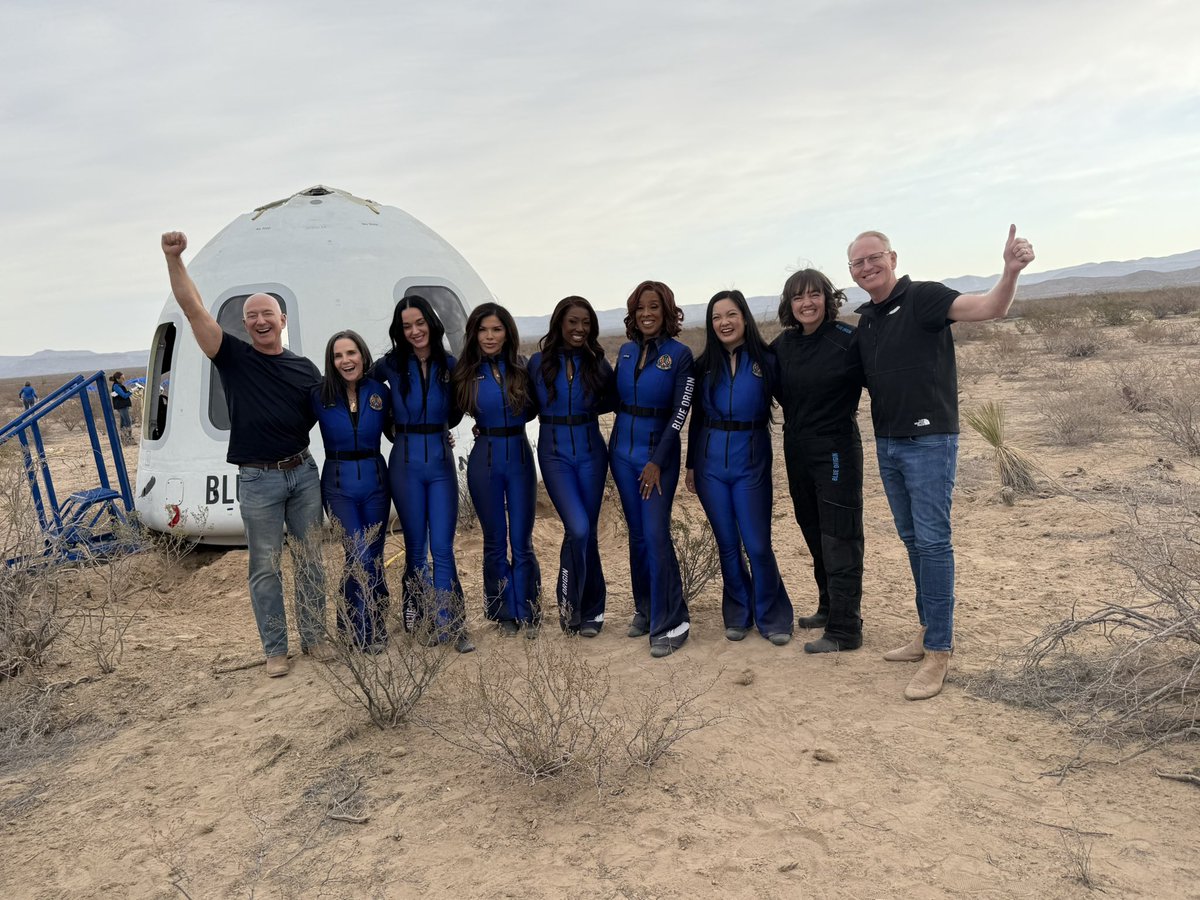
Space unlocks a view that shifts your perspective forever. On April 14, Blue Origin successfully completed its 11th human spaceflight for the New Shepard program.
English
681
344
2K
367.5K
Dave Limp
Dave Limp@davill·
What an amazing crew! Great flight this morning.
Dave Limp tweet media
English
1.7K
494
4.8K
905.3K
Nico Coetzee 🚜🇳🇱 retweetledi
Koninklijke Luchtmacht
Koninklijke Luchtmacht@Kon_Luchtmacht·
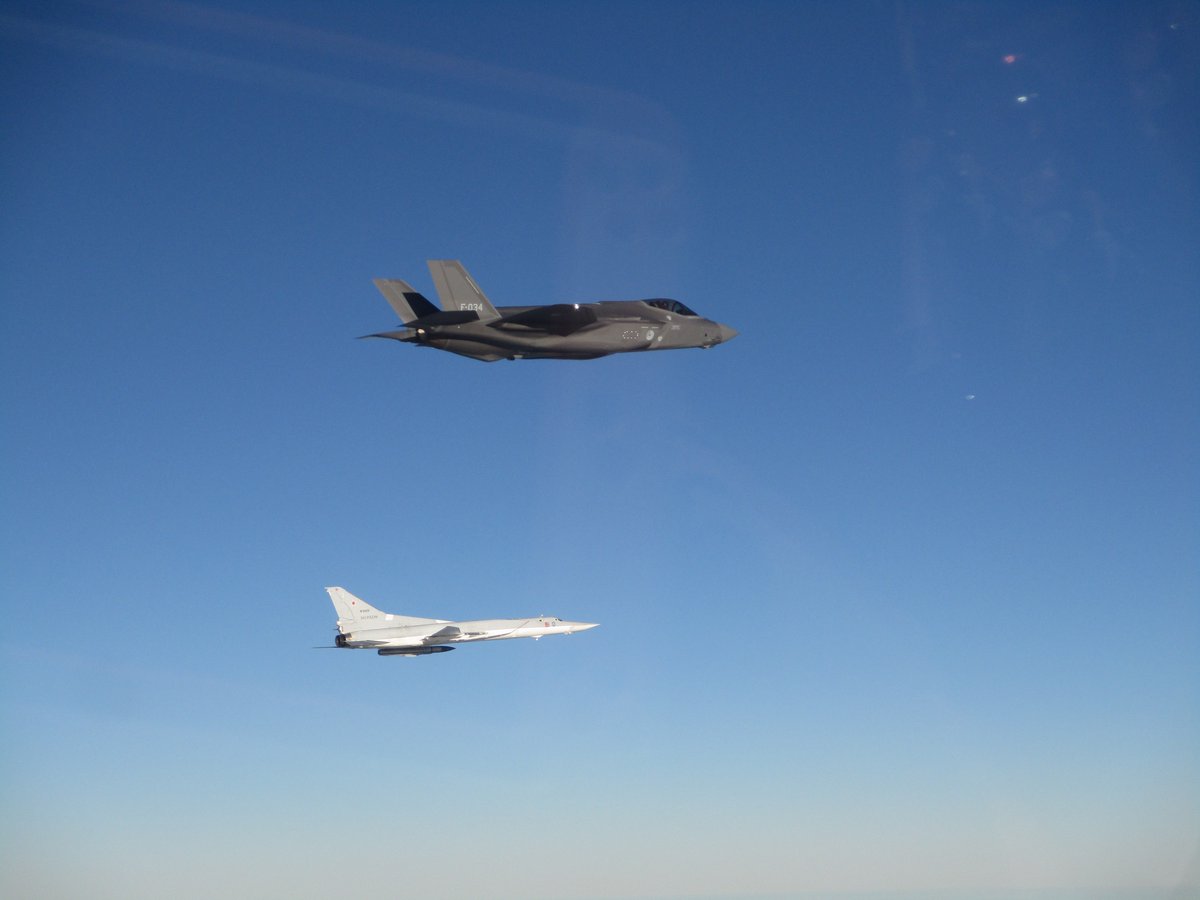
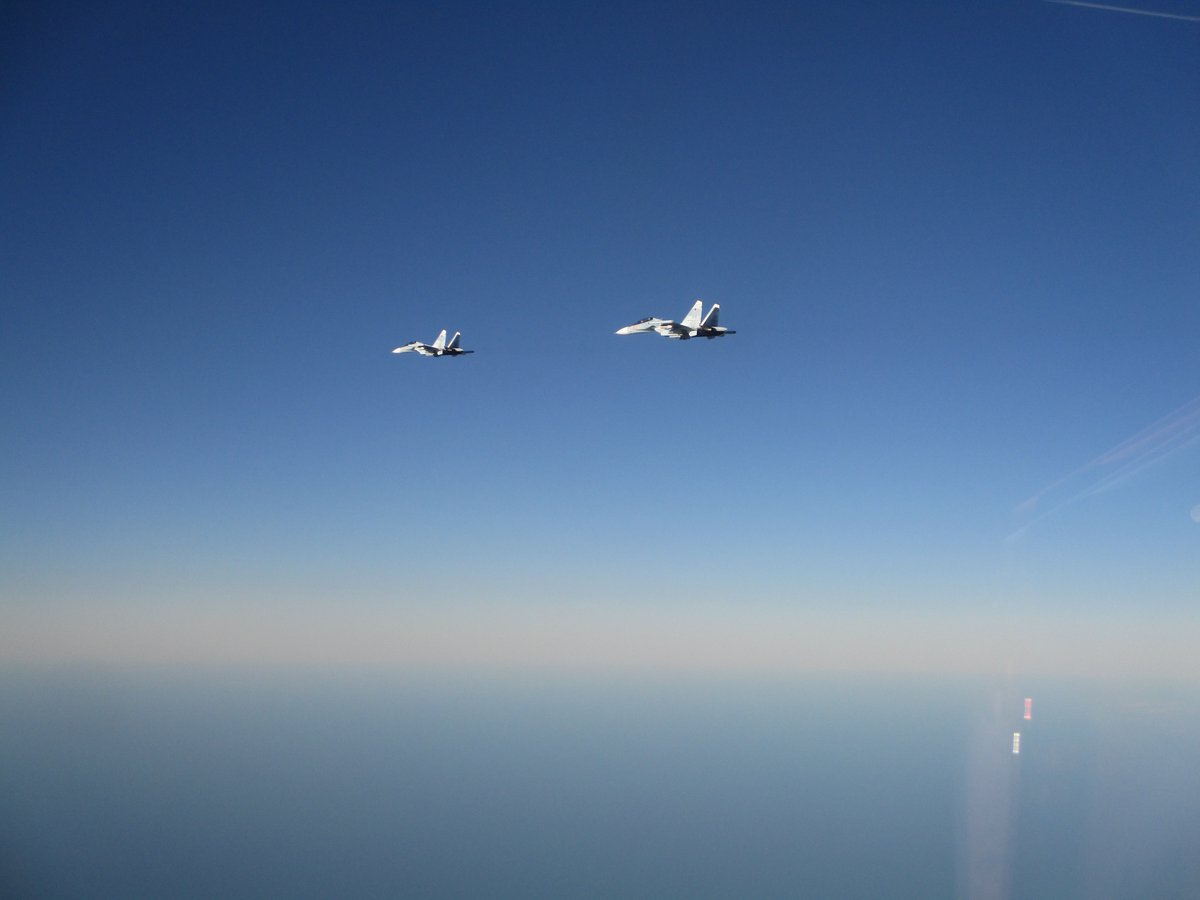
Twee Nederlandse F-35's zijn gister vanuit Estland opgestegen om twee Russische Su-27's en twee Russische Backfire-bommenwerpers te onderscheppen. Twee Zweedse JAS 39 Gripen namen het ten oosten van Gotland over van de F-35’s. #QRA #NATO 🇳🇱🇸🇪🇫🇮
Koninklijke Luchtmacht tweet mediaKoninklijke Luchtmacht tweet mediaKoninklijke Luchtmacht tweet mediaKoninklijke Luchtmacht tweet media
Nederlands
52
119
853
173.3K
Nico Coetzee 🚜🇳🇱
Nico Coetzee 🚜🇳🇱@nicocoetzee1·
@jolandgraf I hate it. How do I get my old environment back? And why do you force a trial onto people without giving us an option just to use the previous perfectly fine working environment?
English
0
0
1
139
Johannes Landgraf
Johannes Landgraf@jolandgraf·
Yesterday, we signed a seven figure contract, growing our enterprise revenue 10x since last year. Today, we launch our Act 2: Gitpod Flex. We want to give you all the building blocks to automate your software development lifecycle, starting with development environments. Here is what you get. -Automations: programmable tasks and services triggered on events unique to development environments - Gitpod Desktop: bringing cloud development environments to your laptop, starting with Mac - Runners: self-host in your cloud in three minutes - Dev Container: for base images, tools, and extensions - Zero-trust environments: ‘never trust, always verify’ every actor and service Try it for free in early access, no waitlist.
English
9
20
71
25.9K
Nico Coetzee 🚜🇳🇱 retweetledi
Mike the Warthog
Mike the Warthog@thyphoidjack·
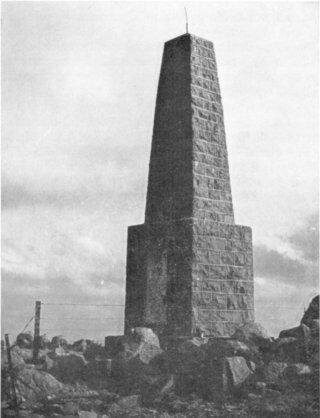
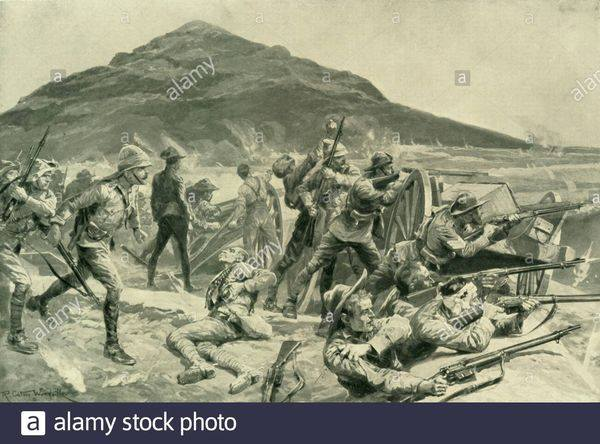
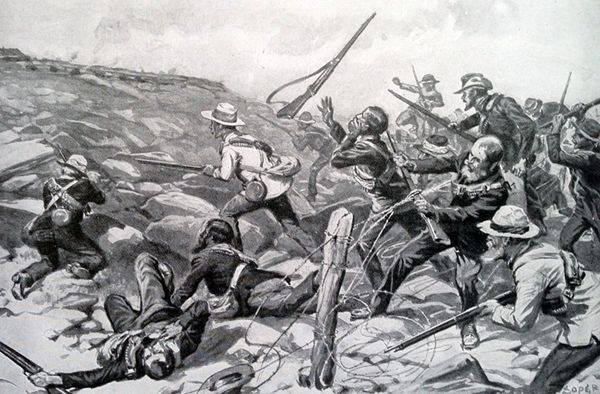
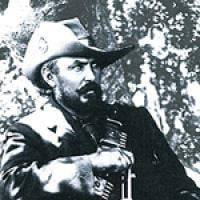
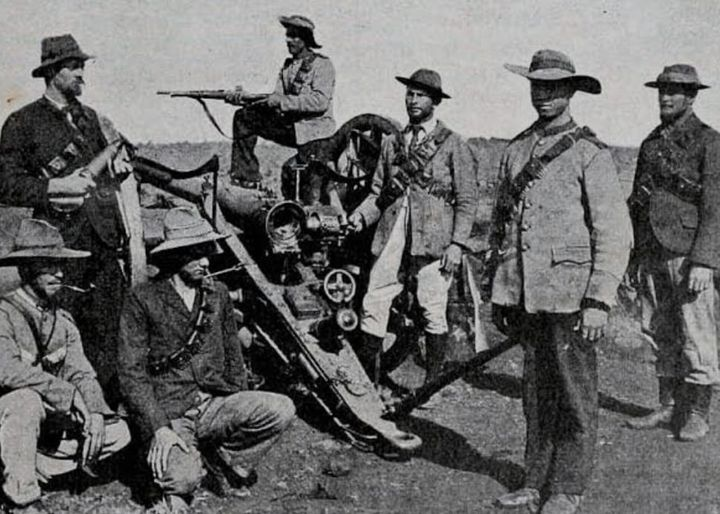
The Battle of Itala and Fort Prospect Early in September in 1901, Louis Botha, Commandant General of the Boer Republican Forces, started gathering the biggest raiding Commando of the guerilla war. With the arrival of the Spring rains, he made ready to move South. His Commando of tough, fighting men had come from Bethal and South Middelburg; from Ermelo, Carolina and Standerton, and numbered almost a thousand. They set out from Blaaukop, near Ermelo in the Eastern Transvaal, to begin the second Boer invasion of the Colony of Natal. Louis Botha, his brother Chris at his side, headed the biggest raiding Commando in this spring revival of Boer activity. They rode south-east, through Piet-Retief, avoiding the few British outposts and columns along their route, all the time gathering more men. Commandos from Wakkerstroom Piet Retief, Utrecht and Vryheid eventually swelled their ranks to over 2000 mounted men. Botha's plan was to invade Northern Natal, disrupt British control to the limit, then cut south to enter the Cape Colony and ultimately join forces with Smuts who had already succeeded in getting unto the Cape with his small force. An ambitious, but not impossible plan. British columns sent to catch him got bogged down in the muddy roads. Botha with no wheeled transport, was much better off. Using pack animals for carrying supplies, he averaged 10 miles a day with ease, the British barely three. By September 17th he had reached the Blood River Poort, also known as Spieshoek, about 15 miles west of Vryheid, there to await the Vryheid Commando under his brother-in-law, Cherry Emmett. After a skirmish at Blood river poort, Botha proceeded to Mt Itala. Through his field glasses he could see the British camp at the base of Itala. Further to the left, atop a smooth green dome of a hill, he could make out Fort Prospect. The distance between these two points was 14 miles. He could easily slip through.. The British Commanding Officer was an Irishman, Maj. A.J. Chapman, of the Dublin Fusiliers. Chapman was a professional soldier. At 38 he was Botha's junior by three months, campaign-hardened like his men. Unlike many of his fellow-officers of that period, Chapman was astute, wide-awake and extremely capable, as he had already proved in his successful defence of Utrecht. Early in September he decided to move his Nkandhla garrison forward to a new post at the foot of Itala almost at the apex of the Transvaal's southern enclave. The treeless summit of Itala, over 4800 feet high, slopes gently down to its base in the east, 1400 feet below, along a ridge over a mile in length. This ridge terminates in a narrow, steep spur at the bottom, concealing the outpost site below from the summit. Possession of this spur was the key to the British position. On the 23rd September, news first reached Chapman, indicating that he was in the path of Botha's southern thrust, and from then on his able corps of scouts, under Gordon Collins, kept him acquainted with his ever-increasing danger. He must fight if attacked, but only great skill and courage could save his small garrison of 220 if they were not to go the way of Gough. Fort Prospect, under Capt. Rowley of the Dorset Regiment, had 148 men manning a strong barbed-wire enclosed position. Rowley had already distinguished himself when he had led the victorious bayonet charge at Allemansnek. On the morning of Wednesday, the 25th, Chapman drew 80 men from Prospect to bolster the defences at Itala, for his scouts informed him to expect an attack that night. The men worked feverishly with spades and picks, digging trenches about 4.5 feet deep, skilfully laid in the trees at the wooded outpost site. Each trench was to cover those adjacent to it with flank fire. On the north side, a natural rock wall put the defenders on a platform overlooking all approaching ground. The Achilles heel of the position, the rock spur above the camp, was sangared (stone walled) right across, and a machine-gun set up to fire upwards to Itala. Two 15-pounder field guns firing shrapnel were also positioned below the spur. At dusk Chapman despatched Lieuts. Lefroy and Kane to the summit with 80 men. At the same time Botha despatched 1,800 of his men, keeping back only about 200. These divided into three groups. 600 under Chris Botha made for the summit of Itala; 800 under Opperman, Potgieter and Scholtz went by a different route to encircle the base camp and 400 under Emmett and Grobbelaar were to attack Fort Prospect. Full moon was two nights away and the clear night was lit from dusk to near dawn. The small British detachment watched and silently waited. Towards midnight the approaching sounds of the Boers could be heard. Soon a large body of men, about 600 in all, could clearly be seen approaching in the moonlight. At 100 yards the first British volley crashed out. Though caught, stunned and shattered the Boers recovered quickly. Scurrying forward from rock to rock, Chris Botha's men soon worked their way in and around their adversaries. Fighting was hard and bloody and soon weight of numbers began to tell. The small British force was too small to contain the attack. Kane died shouting that there would be no surrender and with him fell many others including Lefroy shot through the stomach, arm, leg and chin. In half-an-hour the summit was in Boer hands. Those British who still survived uncaptured retreated down the way they had ascended, fighting hack all the way until they were safe behind the sangared spur. They numbered only14. In the meantime the outpost had been surrounded and very heavy rifle fire was poured in from all sides. The Boers charged right up to the trenches, firing as they ran, only to be driven back at bayonet point. These veteran British troops had not experienced such ferocious attacking on such a scale at any time throughout the war. The Boers seemed possessed of a heroic madness which, but for the remarkably stubborn defence, would have carried all before it. The rifle fire from the trenches was like a curtain of lead beating down everything in its path. The full fury of the first attack lasted five hours, the defences of the outpost being strained to the limit. Casualties on both sides were high, but Chapman could least afford them for he had already lost 66 of the 80 men in his summit reception party - over 20 per cent of the garrison. By first light around 6 a.m., all firing had ceased, and the attack seemed to have spent itself. Dr. Fielding, the British Medical Officer, decided that he must go to the summit to attend to the wounded there. He, an orderly and two bearers left the sangars on the spur with a truce flag, but to his surprise, as he reached a wide hollow 600 yards up the ridge, he found a large body of Boers about to resume the attack. Fielding was immediately made prisoner but released and allowed to go on as soon as Commandant Opperman appeared. Fielding's work that day saved many lives on both sides. Almost immediately the attack was resumed more violently than before. The gunners, who had gallantly manned the two 15-pounders during the night, were too exposed now and were soon shot down. The guns ceased firing. The machine gun on the spur became hopelessly jammed and the battle now resolved into Lee-Metford against Lee-Metford, for the Boers were by now nearly all equipped with captured rifles. As the Boers tried to batter the defences to pieces with rifle fire. No cover could withstand this inferno, and men fell thick and fast, yet each attack melted away under the galling return cross-fire of the defenders. The position was reaching a stalemate and a battle of attrition developed. By now, Louis Botha, realising the importance of the sangared spur ordered that it be taken at all costs. This was an almost impossible task, for 600 yards of coverless ground had to be crossed. The troops behind the sangars were no mean shots themselves and blew each new attack to pieces before it got far. Meanwhile ammunition was getting very scarce on the spur and every effort to get boxes of cartridges up by man or mule failed, all being shot down from behind on that exposed suicidal face. In desperation Chapman called for volunteers. Several surviving artillery men came forward. The first two away were both shot down on the fire-swept slope. Dashing out, heedless of danger, went Driver F. G. Bradley to return eventually with both wounded men; then gathering an ammunition box he forced his way up the ridge to the spur.This feat he repeated, as though he bore a charmed life. For this act he was later awarded the Victoria Cross. For Emmett and Grobelaar their attack on Fort Prospect had been even less successful. Shrouded in mist, Prospect was forewarned of the attack by the firing coming from Itala. At 4.30 a.m. a blast of rifle fire shattered the night air, as an outpost discovered a large party of Boers attempting to cut the barbed wire on the perimeter. Shooting was fast and furious for a while and soon the Boers drew off. Although Capt. Rowley had only 80 men, Fort Prospect was extraordinarily strong, with stone redoubts, cleverly laid out trenches, a machine gun, and the lot surrounded by barbed wire. A second Boer attack before dawn was no more successful than the first, and thereafter they contented themselves with long range rifle-fire until they decided to withdraw about 4 p.m. The Boers lost about 60 men here, the British one killed and nine wounded. Rowley himself had a lucky escape when a bullet pierced his helmet, and grazed his forehead, but inflicted no other damage. At Itala the British losses were 22 killed and 59 wounded. In addition six native servants died and four were wounded. The Boer losses, as might be expected were much heavier. Early tallies stated that 332 bodies had been buried, but this figure was later corrected to 128. In addition, 21 others were buried at the laager site at Gelykwater, making a total of 149 dead. These included two of Botha's best Commandants, Scholtz and Potgieter. Opperman too was wounded. At Prospect 40 Burghers were buried. There were estimated to be about 280 wounded. At Itala the British artillery fired 63 shells and the troops 70 040 rounds of rifle ammunition. The true fury of this defence can be gauged by comparison with the Battle of Kambula which was the most expensive and the key battle of the Zulu war, and where the 2000 British troops fired 66 400 rounds. By nightfall on the 27th, Botha's advance had been checked. His frontal attacks against fortified positions had failed. His casualties were severe, and his ammunition stocks almost done. His position could have been desperate, but he was not the type of man to lose heart. He not only had to preserve the freedom of his Commando, but he had to get them back to the Transvaal. As so often happens, fortune favoured the bold, for by a stroke of gross British negligence, the supply wagon convoy, en route to Nkandhla from Melmoth, was allowed to fall into Botha's hands - 30 wagons with one White policeman and eight Zulus, six of whom were shot in the encounter. These supplies were manna to Botha, and setting off, first eastward and then to the north, he cleverly outwitted every single column and blockhouse line to get his men back to the Transvaal. Such was the mettle of this dynamic man that a month later he was able to launch his Commandos into the brilliant victory against Benson's Column at Bakenlaagte, near Kinros. As for Chapman, the Boer War offered him no more action. His gallant stand was rewarded by promotion. He retired from the army in 1919 as a Brigadier-General and died in 1950 aged 87. Acknowledgements SAMHS.
Mike the Warthog tweet mediaMike the Warthog tweet mediaMike the Warthog tweet mediaMike the Warthog tweet media
English
1
5
19
676
Nico Coetzee 🚜🇳🇱 retweetledi
Koninklijke Luchtmacht
Koninklijke Luchtmacht@Kon_Luchtmacht·
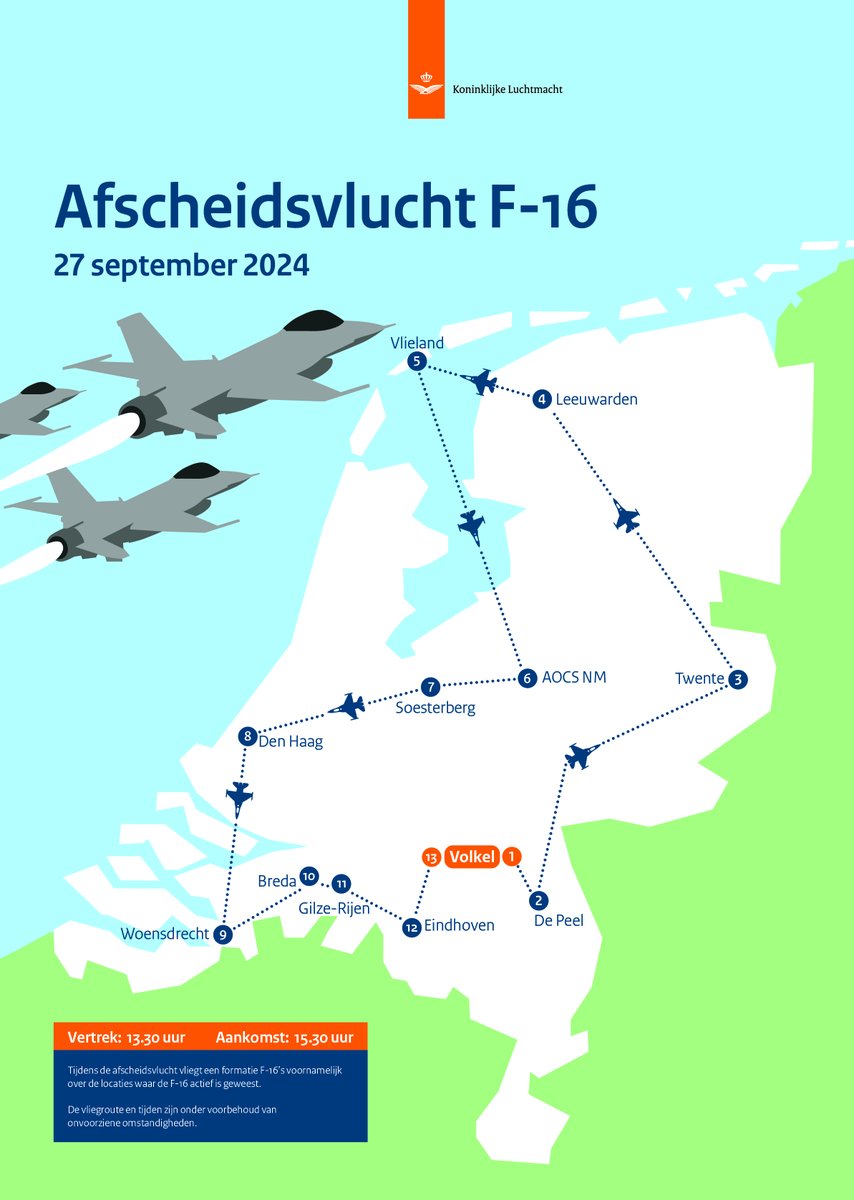
Tijdens de afscheidsvlucht vliegt een formatie F-16’s voornamelijk over de locaties waar de F-16 actief is geweest. De vliegroute en tijden zijn onder voorbehoud van onvoorziene omstandigheden. Lees meer 👉 bit.ly/4eAMEnu
Koninklijke Luchtmacht tweet media
Nederlands
165
215
958
148.1K
Nico Coetzee 🚜🇳🇱 retweetledi
Jeff Barr ☁️
Jeff Barr ☁️@jeffbarr·
After giving it a lot of thought, we made the decision to discontinue new access to a small number of services, including AWS CodeCommit. While we are no longer onboarding new customers to these services, there are no plans to change the features or experience you get today, including keeping them secure and reliable. We also support migrations to other AWS or third-party solutions better aligned with your evolving needs. Keep the feedback coming. We’re always listening.
English
63
250
608
220.1K
Nico Coetzee 🚜🇳🇱 retweetledi
Mike the Warthog
Mike the Warthog@thyphoidjack·
Nationalities of foreigners who fought on Boer side during the Anglo Boer War... Some research indicate that among the nearly 3,000 foreigners who served on the Boer side, in addition to a relatively large number of Dutch speakers (namely 687, including at least fifteen Belgians) there were also French (274), Germans (884), Irish (194; including Irish from the United States of America, other Americans (64), Norwegians (31), Finns (25), Swedes (109), Danes (39), Austrians (28), Hungarians (six), Russians (55), 42 Russian and other Jews, Swiss (26), Italians (119), one Spaniard, one Bosnian, four Portuguese, two Bulgarians, fourteen Greeks, one Algerian, at least one Brazilian and one Chilean.
Mike the Warthog tweet media
English
32
67
285
27.8K
NawtyByNature
NawtyByNature@bynaturenawty·
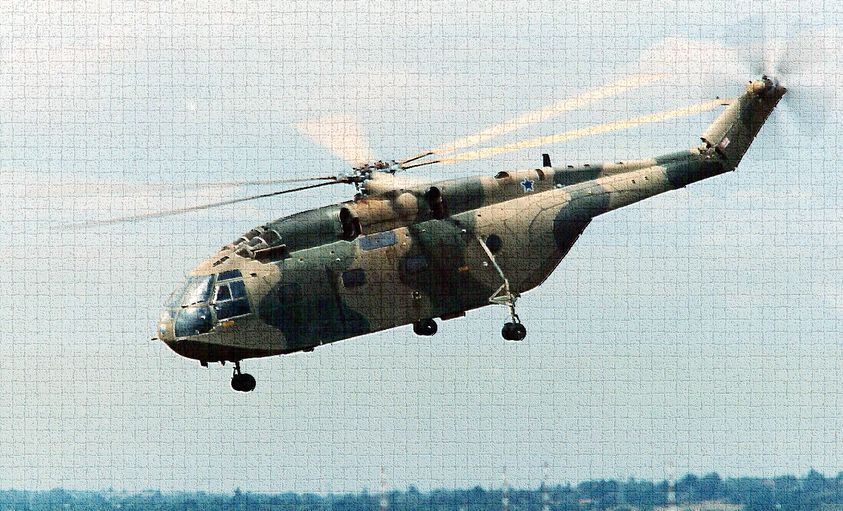
@thyphoidjack The one SAAF helicopter I that I always wanted to fly in, sadly they were decommissioned before I had the chance
English
1
0
1
39
Mike the Warthog
Mike the Warthog@thyphoidjack·
26 Jun 1967 : - The first SA-321L Super Frelon (serial 301) was delivered by sea. It arrived in Cape Town, after which the aircraft was re-assembled and test flown. A month later it was flown to Swartkop.
Mike the Warthog tweet media
English
4
3
79
1.5K