Ninad

297 posts

Ninad banner
Ninad

Ninad

@ninadtwt

full-stack engineer

Katılım Nisan 2021
110 Takip Edilen51 Takipçiler
Ninad retweetledi
Shishir
Shishir@ShishirShelke1·
Google COOKED with the new Gemini Intelligence UI 😮‍💨
English
26
46
1.5K
104.4K
Ninad
Ninad@ninadtwt·
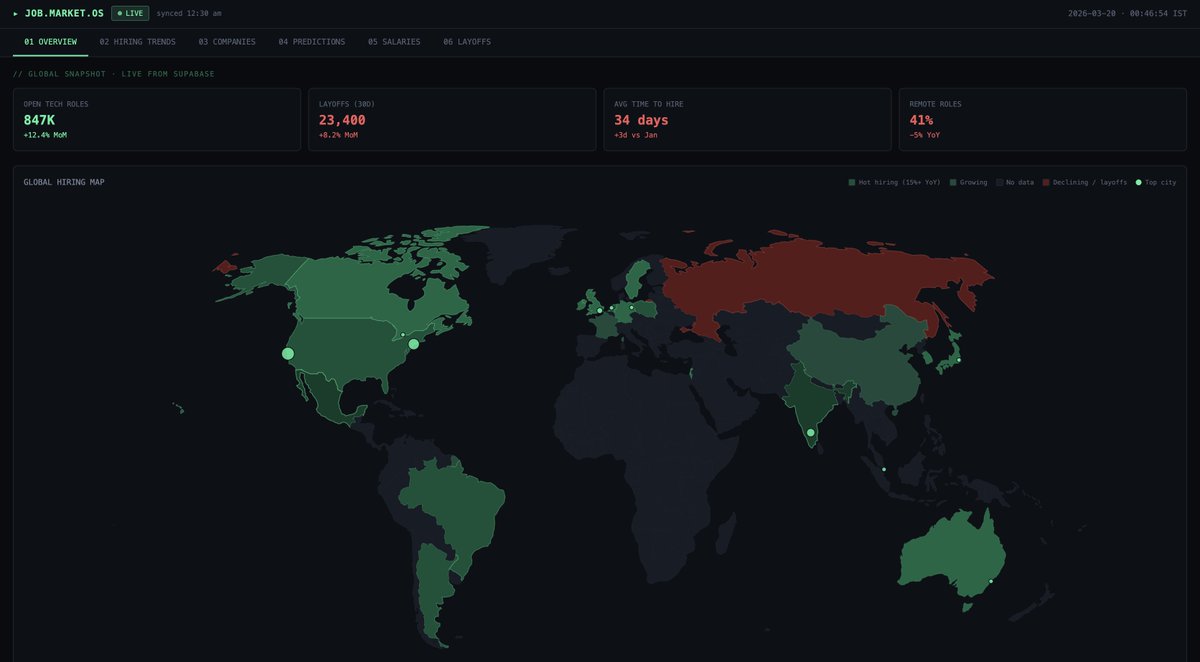
built a terminal for the tech job market. Free. No login. Real data. jobmarket.world
Ninad tweet media
English
0
0
3
105
void.
void.@iBuild·
.@legionsdev really cooked with evilcharts. imma use it in my pf site.
void. tweet media
English
4
0
44
1.6K
Ninad
Ninad@ninadtwt·
ai boosts productivity enough to offset its thirst, paving cleaner paths forward.
English
0
0
0
92
Ninad
Ninad@ninadtwt·
@mattyp framing tech as a narrative is what makes it stick with people
English
0
0
0
33
ahmet
ahmet@bruvimtired·
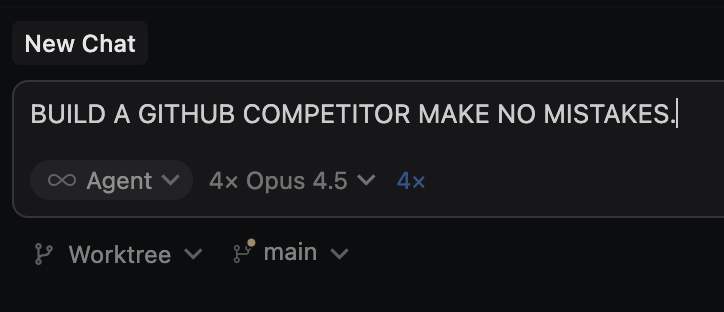
here we go guys.
ahmet tweet media
English
152
113
4.7K
177.2K
Ninad
Ninad@ninadtwt·
@iamsahaj_xyz perfect analogy with next.js and rsc! no vs needed
English
0
0
0
25
Sahaj
Sahaj@iamsahaj_xyz·
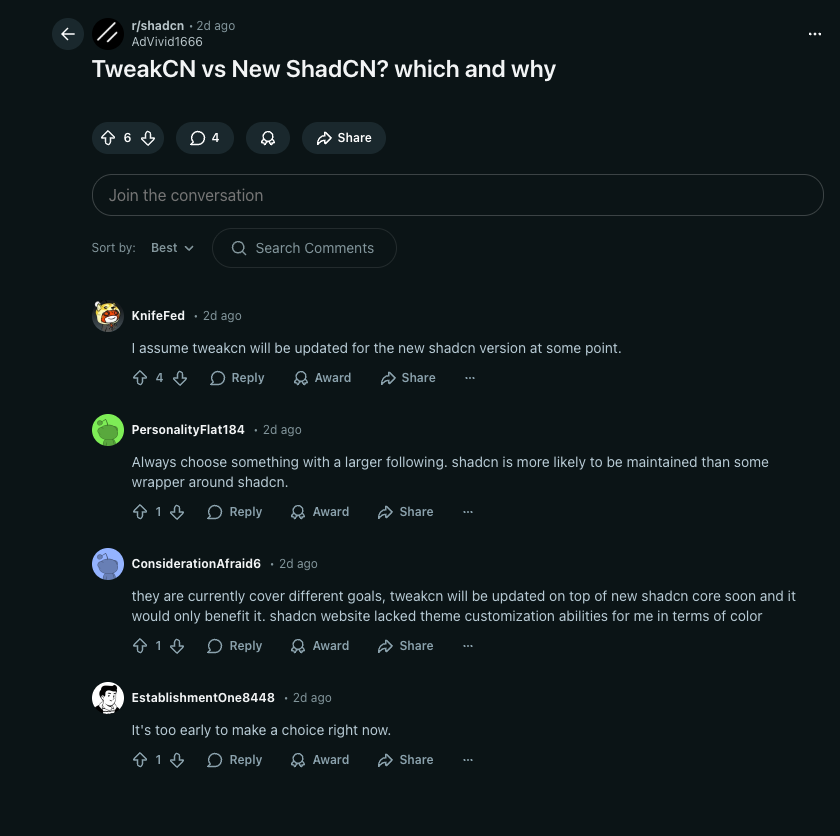
saw this thread on reddit it's like asking "Next.js vs RSC" just like RSC is just one paradigm in next.js, tweakcn is just a specialized theme editor for shadcn variables. shadcn/create is not a theme editor. it does come with some pretty nice starter themes. you can use both of them together!
Sahaj tweet media
English
5
0
27
2.6K
Bun
Bun@bunjavascript·
Bun v1.3.5 is compiling
Bun tweet media
English
31
21
1K
43.1K
Aarno
Aarno@TheGlobalMinima·
Calling this project “Aeroflow” The idea is to analyse patterns and forecast traffic of flights across a region (starting with Mumbai) It’s a fun (and real) problem to work on that covers multiple aspects of end to end ml systems. More detailed posts, resources and code soon Stay tuned
Aarno@TheGlobalMinima

Blueprint of ML System Design For most MLEs, ML is only 10% of the job. The engineering aspect is crucial and often requires skills from multiple fields. To begin, a good starting point is a robust design of how the ml models will interact with users and other services. These are the major components of a typical ML System Design: > Data Ingestion & ETL service > Data Storage & Feature engineering > Training (and Retraining) pipelines, model management > Inference service & monitoring This, along with the actual Machine learning and Data modelling need to be combined to create an architecture that can support and scale all the above functions. Data Ingestion & ETL service Sourcing of data is the first step in this design. While you're not responsible for actually finding the data (orgs have their sources), the existing sources are often scattered across multiple known sources. The major responsibility here is to design an extensive and fault tolerant system that can collect raw data coming in at different volumes and velocities, designing schemas and snapshots. Data storage & Feature engineering Once you have data consistently flowing into the system, the next step is to organize and persist it. This phase requires understanding of databases and data storage architectures. The significant challenge here is to engineer learnable features out of a raw dump of data. There are major considerations to be made in this phase > The data should have distributions and patterns > Chosen features should be available consistently. > No Personally Identifiable Information (PII) should be present / should be mockable > Features should be interpretable and explainable > Features must be computable at inference time under the same constraints as training A common tool used here is a feature store, which is used to maintain and version data specifically used for training the ml models Training pipelines & Model management With trainable features now available and consistently updated, it's time to train your ml model. This step requires proper monitoring since you train, evaluate and test models that may or may not end up in production. This is where the idea of Model Registry becomes prominent. A Registry allows you to record and version models along with their parameters and hyperparameters, data snapshots and other metadata. You also log metrics and errors over time, which help in choosing the best model for production. The training workflow is orchestrated using a DAG based system (Airflow, Prefect, etc.). These workflows need to be loosely coupled to ensure failures are graceful and logged. We'll cover more on this phase, since a large part of this phase is more machine learning than the engineering. Inference service & monitoring This part of the system faces the users. This is also the only source of real world feedback for the models, that ultimately becomes very crucial and should ideally influence the model's learning, either as a learnable feature or as a hyperparameter. The technique of inference depends on required frequency of predictions and the system. Here are a couple of scenarios: > The model faces real world users, the inference needs to be real-time and low latency. An API is the best way here. > The predictions are used in another service (another ml model // analytics), so inference needs to scheduled and batch the predictions. Here, another DAG based workflow or a serverless function with scheduled job works well. How to approach designing these systems Here are the first questions to ask: 1. what is the source of data, volume, variety and velocity. (Determines pipeline // storage choices) 2. what's the target feature, what are the most important features affecting it (this is from domain knowledge pov) 3. latency vs correctness (some cases need near absolute correctness, others need low latency, ask acceptable accuracy) 4. where are model predictions used (Choose between real time // batch inference) These are preliminary questions, which lead into further investigations Remember, no system design starts off with perfect choices, so it's essential to keep things simple initially. Add a feature store or tiered data architecture only when the complexity demands it. These systems evolve over time, and even years later are not perfect. The idea is to ensure that the architecture remains abstractive and extensible. Start simple, add complexity slowly.

English
6
2
40
1.8K
Ninad
Ninad@ninadtwt·
@tiyajain_ someone had way too much fun
English
0
0
0
199
Tiya
Tiya@tiyajain_·
lesson learnt ps: this is what happens when you forget to put a rate limit to your waitlist
Tiya tweet media
English
13
0
91
8.7K
Ayush Agarwal
Ayush Agarwal@ayushagarwal·
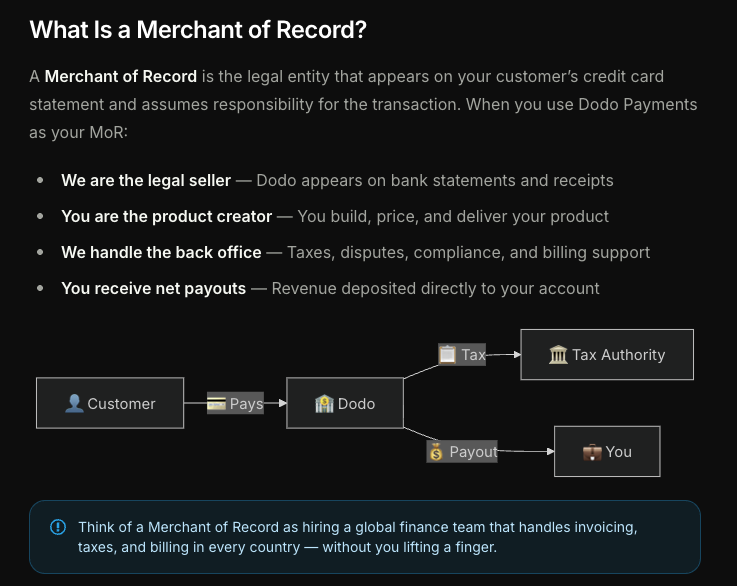
We get this question a lot: “What exactly is MoR and how do transactions work with @dodopayments?” So we finally wrote it all down. A clear, end to end breakdown of how Merchant of Record works, who handles what, how money flows, and why it simplifies taxes, compliance, and global payments for you. If you’re building SaaS or selling digital products, this one’s worth bookmarking 👇
Ayush Agarwal tweet media
English
4
3
44
2.4K
Subhashree.
Subhashree.@DramaIsMyAura·
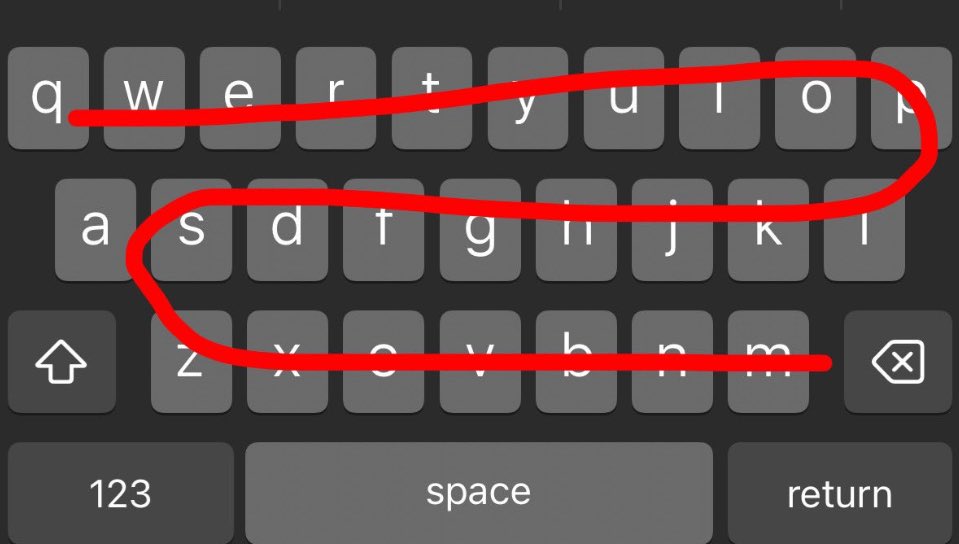
no cheating do this with your keyboard and reply with what you get
Subhashree. tweet media
English
35.6K
554
16.5K
6.5M
Ninad
Ninad@ninadtwt·
@benhylak the algo finally rewards real value instead of pure noise.
English
0
0
0
60
ben hylak
ben hylak@benhylak·
i feel like i'm playing x on easy mode nowadays
English
6
0
67
11.7K
Ninad
Ninad@ninadtwt·
@kunalvg build what people actually need, not what you think deserves attention. facts!!
English
0
0
1
24
Kunal Gandhi
Kunal Gandhi@kunalvg·
My only concern with crypto builders and creators is a sense of entitlement. I create or build, hence I deserve. Hmm, no. What you create needs real demand. Once you internalize that, you start building better things. Shed the entitlement. Learn how free markets actually work.
English
20
1
69
1.8K
Ninad
Ninad@ninadtwt·
@waitin4agi_ most apps die from lack of marketing, not lack of features. ship less, promote more.
English
0
0
0
90
Varun Mayya
Varun Mayya@waitin4agi_·
Adding new features to your app is a type of engineer gambling mindset. You assume that the next feature you build will somehow make your app go viral because users will discover it and start rapidly using it. It doesn’t happen anymore. Market what you have.
English
28
8
268
11.8K
Kartikey
Kartikey@KartikeyStack·
I’ve worked a lot with frontends, most performance issues aren’t "slow react"… generally they're… – big js bundles – unnecessary re-renders – blocking main thread – bad fetch timing it would be great to open dev tools :) The browser is the bottleneck.
English
3
0
11
643
Ninad
Ninad@ninadtwt·
@Harish_521 noted..... fullstack + ai tools
English
1
0
1
225
harish.rs
harish.rs@Harish_521·
I am no more hiring only "frontend devs" you need to skill up learn backend Learn how to use ai tools Frontend only will take you no where
English
31
2
164
7.6K
Mrinal
Mrinal@Hi_Mrinal·
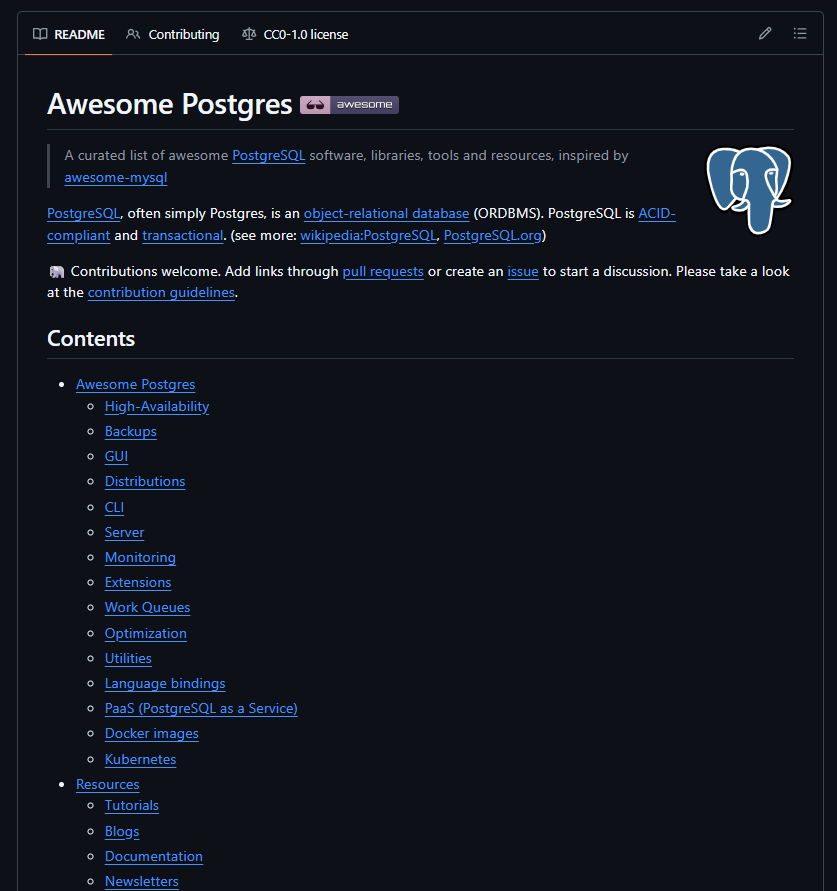
yoo, thought to share this here too ... One of the repositories which I genuinely look up to when searching something related to PostgreSQL github.com/dhamaniasad/aw…
Mrinal tweet media
English
4
23
331
13.1K
Ninad
Ninad@ninadtwt·
@orcdev base ui all the way. feels more modern and shadcn's update sealed it.
English
0
0
2
364
OrcDev
OrcDev@orcdev·
Poll ended, didn't expect this result
OrcDev tweet media
English
21
2
142
12.9K