Kyle Pholourie retweetledi

y’all really deserve awards, tv deals, money for this type of creativity
English
Kyle Pholourie
27.4K posts



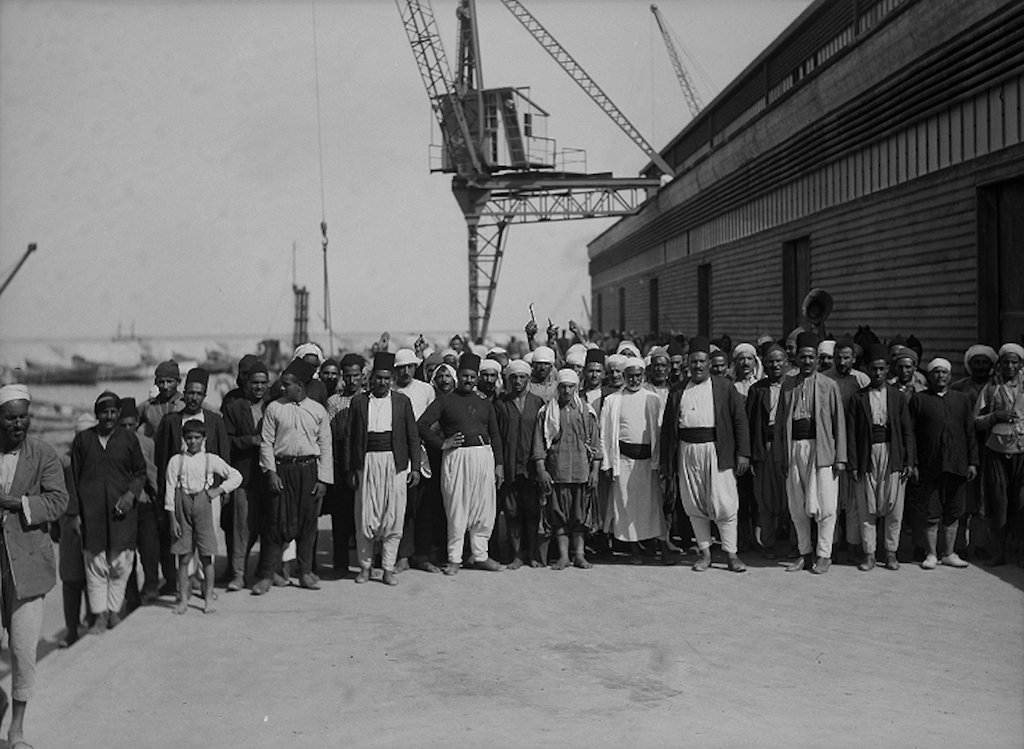
In 1596, the village of Yanun, in the West Bank, appeared in Ottoman tax registers with a population of 18 Muslim households. In modern times, Yanun was continuously populated since at least 1852. In 2025, the last families in the village were forcibly displaced by Israel.
Kazuma Okamoto has started the trend of hosting a gratitude circle in the dugout before every game 🙏

This is why Doug Ford wants to expand Billy bishop.

They didn’t just confiscate them; they deliberately destroyed them! Occupation police seize children’s footballs in the courtyards of Al-Aqsa Mosque and intentionally damage them before their eyes. Oppression that knows no bounds.


NEW: The Ontario government has purchased a used $28.9 million private jet for the use of Premier Doug Ford, the @TorontoStar has learned. The 2016 Bombardier Challenger 650 was delivered this week. thestar.com/politics/provi…


There are moments when reality leaves no room for interpretation. The cabinet’s decision of April 1, made in the midst of the war with Iran, is precisely such a moment. While the Israeli public is preoccupied with existential threats and security distractions, the government chose to approve the establishment of 34 new settlements in the West Bank. It is difficult not to see this as a cynical use of war as a smokescreen, intended to create facts on the ground in preparation for future annexation. Anyone still struggling to grasp the priorities need only examine the details: although most of the planned settlements are located within established settlement blocs, some are situated in northern Samaria—an area notably characterized by the absence of settlements. This indicates not merely expansion, but a deliberate move into new territories aimed at reshaping the geographic and political reality on the ground. Equally troubling is the fact that 32 of the 34 settlements are planned outside the route of the existing security barrier. This exposes the gap between the security rationale long presented to the public and the reality on the ground. If the barrier was built to ensure security, why insist on expanding settlement activity beyond it? The answer is clear: ideology, not security, lies at the heart of this policy. It should also be emphasized that these locations remain approximate, as no official map has been published and no final coordinates have been determined. This ambiguity is hardly incidental; it enables the advancement of far-reaching policies away from public scrutiny, avoiding real-time criticism. Thus, while soldiers fight on the front lines and Israeli society bears the burden of war, the conflict is being exploited to shape an irreversible reality on the ground. This decision is not a security measure but a unilateral political move—one that deepens the conflict and distances any prospect of a future agreement. For those seeking proof that war is also being used as a political instrument, it appears plainly in this cabinet decision.