
Sabitlenmiş Tweet
Oracle
801 posts

Oracle retweetledi

I want a private life. A slow life away from the chaos. Cozy & comfortable in my own space. Thinking about life. Observing the world. Focusing on things that matter. A quiet day, sunlight, coffee, music, books, good food, good people and some silence. Depth over noise. That'll do
English
Oracle retweetledi

Structure builds high agency children.
Parenting becomes simple when it rests on a minimal set of principles.
All behavior can be evaluated through four rules.
1. Reciprocity Rule
Do not do to others what you would not accept done to you. Do for others what you expect from them. Be just and do not accept unjust treatment.
2. Truth Rule
Say only what you are willing to stand behind. Say what must be said.
3. Property Rule
You own yourself and your future. Protect your body, time, and work, and respect the body, time, and work of others.
4. Responsibility Rule
You are responsible for your actions, your words, your things, and your promises.
These four rules form the governing architecture of the home.
Every correction refers back to one of them.
When a child acts out, the question is simple.
Which rule did you violate?
The child learns to evaluate his own behavior against a stable standard.
Limits become self-generated.
Bedtime aligns with responsibility to tomorrow’s commitments.
Screen use aligns with stewardship of attention and respect for shared time.
Speech aligns with truth.
Conflict aligns with reciprocity.
Damage aligns with repair.
Young children require direct direction while reasoning develops.
As reasoning strengthens, correction becomes instruction.
Instruction strengthens judgment.
Judgment strengthens self-regulation.
The child learns to say, I know this violates reciprocity.
I know this disrespects property.
I know this avoids responsibility.
At that point, the parent assists with mindfulness and follow-through.
The standard remains constant.
The enforcement becomes increasingly internal.
Identity and principle must develop together.
The child sees himself as worthy of good treatment, and responsible for giving that treatment to himself.
He sees himself as part of something greater than himself, bound to family and future.
For the sake of those he is connected to, he maintains his body, his word, and his relationships.
He sees himself as virtuous, practicing honesty, discipline, fairness, and accountability.
Identity directs behavior.
Behavior reinforces identity.
A home built on these four rules produces high-agency adults.
High-agency adults reason from principle.
They evaluate authority.
They repair harm.
They govern themselves.
Structure is simple.
Four rules.
Consistent reference.
Long-term sovereignty.
Brad Wilcox@BradWilcoxIFS
New @FamStudies: Almost "every rule a parent imposes makes parenting feel harder. But virtually every parental-enforced rule is linked to better parent-child relationships." ✔️ Strict bedtime ✔️ Screentime limits ✔️ Dedicated HW time = Happier teen. @lymanstoneky's latest:
English

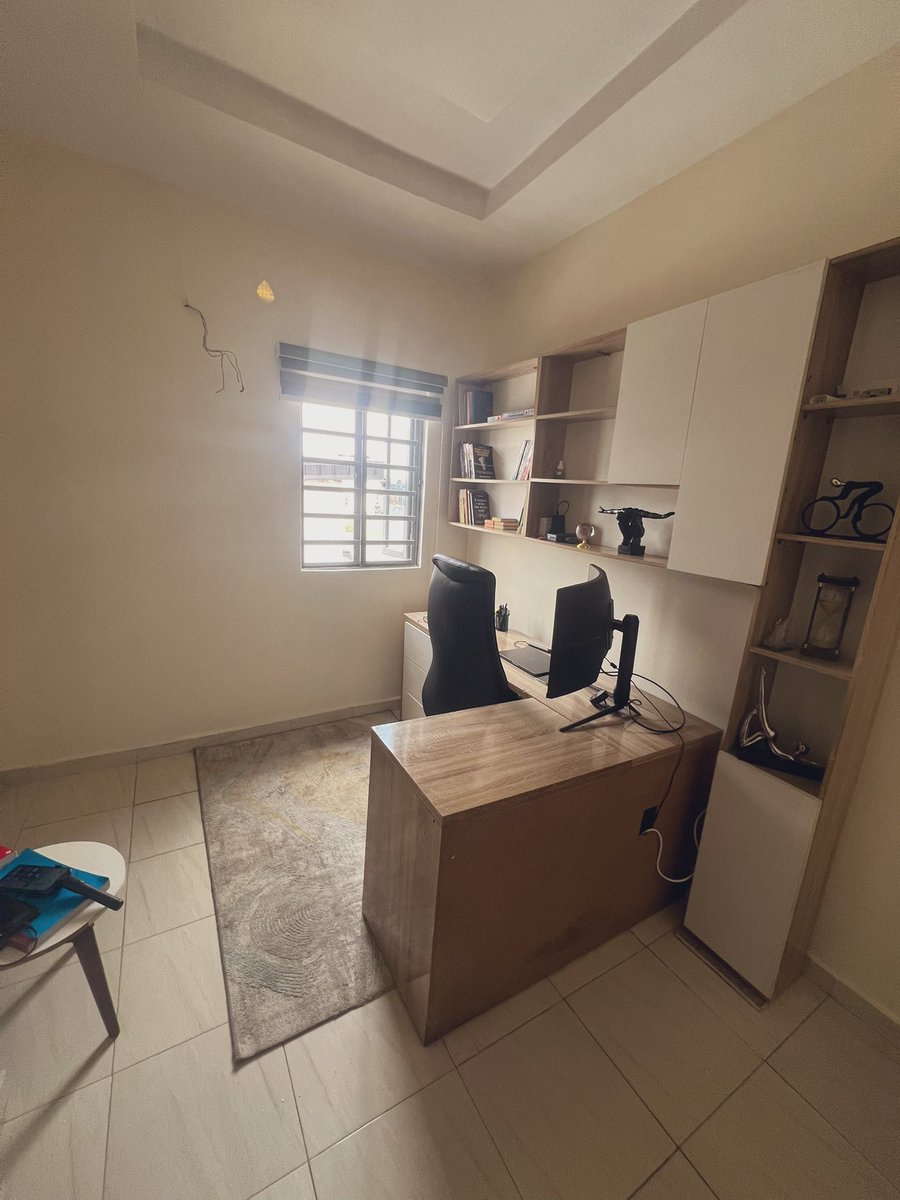
I'll take you guys through the journey of setting up this apartment into a man cave.
Whether it takes 1 month, or 1 year...I go show una. small small, we go run am.
Chris Obike | ECE Expert@chris_obike
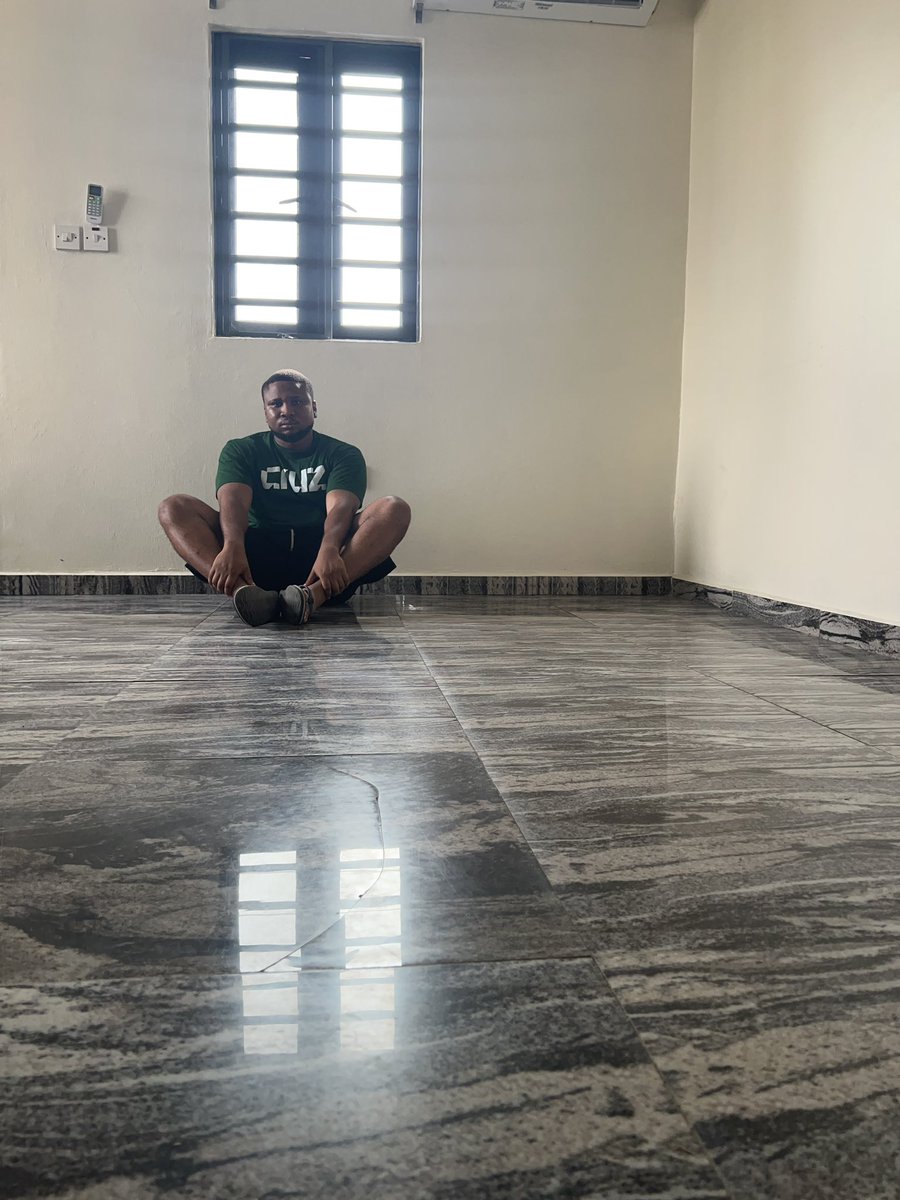
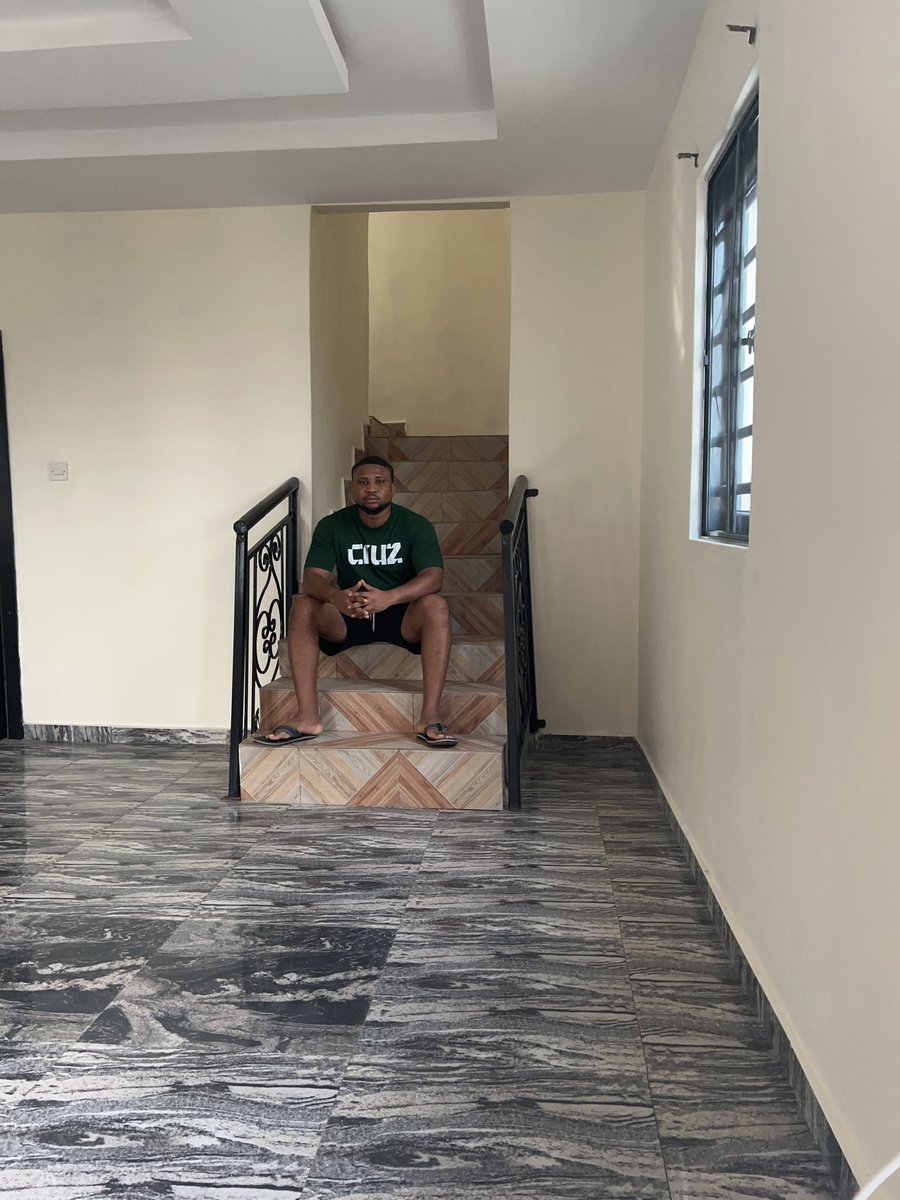
I don use all my money rent house for Lagos
English
As a working man, it only makes sense that the first place to take care of is my home office.
Very important. 50% done ✅

English
I don use all my money rent house for Lagos

English
Oracle retweetledi
I saw this post and it stopped me because this is something I’ve been teaching for a long time.
The data isn’t surprising to me. Structure improves relationships. We’ve seen it over and over again with the families we work with at Tensai.
But here’s what I want to add to the conversation.
The reason most parents struggle with structure isn’t because they don’t believe in it. It’s because structure requires something from them first.
Whatever standard you set for your child, you have to keep it yourself. That’s where it falls apart for a lot of families.
You tell your child “no cursing” but they hear you curse.
You tell them “put the phone down” but you’re scrolling through yours at dinner.
You set a bedtime for them but you have no discipline around your own sleep.
Children are watching. And when they spot the gap between what you say and what you do, they stop taking the rules seriously.
Not because they’re rebellious. Because they’re honest.
They see the hypocrisy and they call it out. And most parents aren’t ready for that conversation.
So the first step to building structure for your child is building it for yourself.
Now here’s the part that connects to what I teach daily.
A lot of parents come to us wanting their child to perform better academically. “My child doesn’t want to read.” “My child can’t focus.” “My child hates studying.”
But when we look at the home, there’s no structure supporting that outcome. No dedicated study time. No screen limits. No homework routine.
The child has unfettered access to devices, entertainment, distractions.
Everything in the environment is working against the very thing the parent is asking for.
You can’t demand academic performance in a home that’s structured for entertainment.
Structure is what makes everything else possible. The bond. The discipline. The academic results. It all falls to the level of structure you have in place.
And yes, I agree with the original post. High warmth plus high structure is the winning formula.
You can absolutely have a deep, loving bond with your child while maintaining firm boundaries. Those two things aren’t in conflict. They strengthen each other.
But I’ll add one thing.
Structure alone doesn’t build a child who wants to learn. It creates the environment where learning can happen.
The desire comes from something else. It comes from how the child feels when they study. From what happens after the effort.
From whether the experience is rewarding or punishing.
That’s a whole other conversation. And I’ll share more on that soon.
Dr Danish@operationdanish
We now have evidence that gentle parenting doesn’t work. Here’s an uncomfortable truth about parenting no one wants to say out loud: The data is not kind to gentle parenting. According to teenagers, strict curfews. strict bedtimes, screen limits, device drop off times, dedicated homework blocks, and sleepover restrictions IMPROVE higher relationship quality. And yes, parenting difficulty goes up. Of course it does. Leadership is harder than appeasement. For the past decade we have been sold a watered down, Instagram friendly version of “gentle parenting” that often collapses into boundary avoidance, endless negotiation and emotional processing without enforcement. Parents terrified of saying no because they do not want to rupture connection. But connection without authority is not connection. It is dependency. When parents impose structure, the relationship improves. Teenagers report better parent child relationship quality in homes with curfews and rules. Younger kids report better relationships in homes with screen limits and bedtimes. Even device drop off times correlate positively. Why? Because structure is not cruelty. Structure is love made visible. A bedtime says: your brain matters more than your entertainment. A screen limit says: your dopamine system is not fully developed and I will guard it until it is. A curfew says: your safety matters more than your social standing. That is not authoritarianism. That is caring. Boundaries create friction. Friction creates growth. The parent absorbs the short term discomfort so the child does not pay the long term cost. Children do not experience well calibrated limits as rejection. They experience them as stability. The human brain craves predictability. Predictability reduces anxiety. Reduced anxiety strengthens attachment. That is why relationship quality goes up. Notice something else in the data. The strongest effects are around time structure. Bedtime. Homework. Devices. Outside play. These are environmental constraints. They scaffold executive function. The winning formula is not tyranny. It is high warmth plus high structure. The modern failure mode is high warmth plus low structure. That is just abdication of responsibility wrapped in empathy. Children need leadership, not negotiation. They need adults who can tolerate their anger. They need boundaries that do not move every time emotions spike. They need someone whose prefrontal cortex is fully myelinated. The harder path produces the stronger bond. Because when a child feels that someone is strong enough to hold the line, they relax. And relaxed nervous systems build durable relationships.
English
Oracle retweetledi

In the age of LLMs, it is now more and more accessible to create systematic investment processes; but to create one, you need to first be able to describe it.
As I saw on X somewhere recently, the most popular programming language of 2026 is english.
One of the most common question I get is what does a systematic investment process even look like? My goal is for you to understand enough to decide if you want to participate in the markets as a systematic investor.
Systematic investment processes are essentially pipelines that connects data to investment decisions. Every systematic strategy, no matter how sophisticated, follows the same fundamental architecture (with a few adjustments).
Data -> Features -> Signals -> Portfolio -> Execution
I wrote an article that discusses how a beginner might attempt to put this pipeline together so that he may start searching for signals to build his own systematic investment process.
(If you are interested in reading this, I will be giving out free articles to some retweets!)
English
@quansimodo @Rufyb @NaijaGoldaMeir Akpifo, would you know any more boring 9ja businesses which are undervalued? Not investment advice of course
English

@NaijaGoldaMeir @Rufyb Boring businesses are the best in Naija. Not many options beyond foam. Limited number of competitors with scale.
English

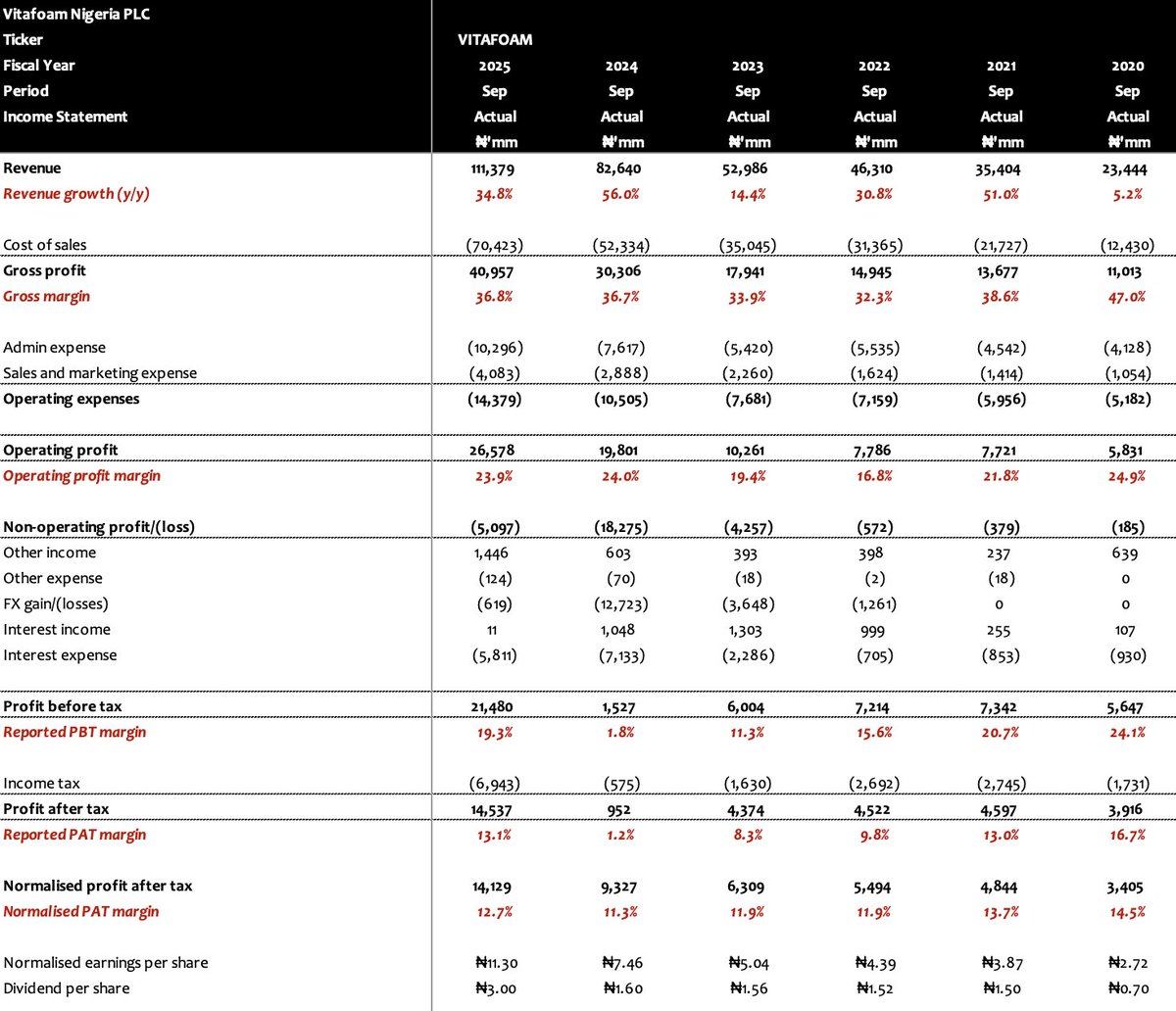
Audited numbers are now out. The update here is the ₦3.0 per share dividend declared, plus a 1-for-5 bonus issue.
This means that shareholders will receive a free Vitafoam share (worth ₦94 in the market) for every 5 units they own.
If we combine the cash dividend of ₦3.0 with the bonus issue, we are talking about an implied dividend yield of 23%. Now, this is my company. The market will smoke on Monday.
Rufybaba@Rufyb
Vitafoam FY 24/25 Interim Numbers My darling. Lad be doing its thing steadily with no noise. 50% y/y normalised profit growth on a 35% revenue growth. Operating cash flows were amazing. Revenue growth trend FY 24/25: +35% FY 23/24: +56% FY 22/23: +14% FY 21/22: +31% FY 20/21: +51% FY 19/20: +5% Value, value!
English
Oracle retweetledi


Oracle retweetledi

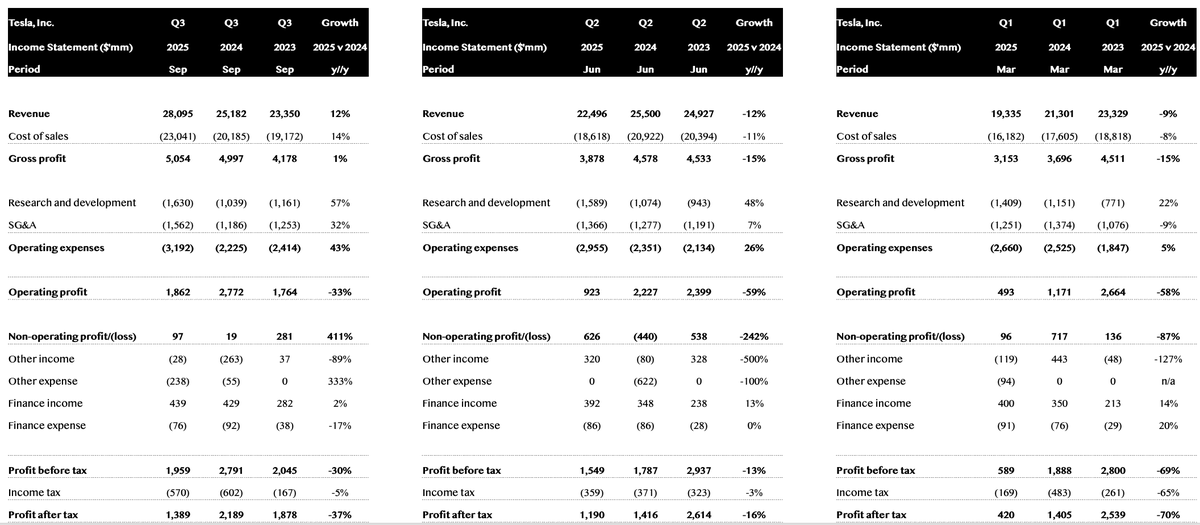
Tesla Q3 2025 Results...
Tesla’s profitability remains weak, as reflected in the 33% y/y decline in operating profit, but topline growth suggests demand pressures might have eased. The EV market is very competitive, and Tesla has been facing the heat in recent times.
Rufybaba@Rufyb
My coys reporting this week Tuesday, Oct. 21: Netflix, Coca-Cola Wednesday, Oct. 22: Tesla Thursday, Oct. 23: Blackstone, Intel Friday, Oct. 24: Procter & Gamble
English
Oracle retweetledi

Chronic lying rewires your mind, wrecks trust, and may even open the door to Alzheimer’s.
Here’s what the science says about why we keep lying, and what it does to us.🧵
English

I will keep saying this: it's a tragedy to me that a lot of Igbo kids are very familiar the story of Avatar and the four elements. But do not know that the four market days of Igbo culture match exactly with those four elements or why.
We are miseducating our young people. Parents, take your kids to the village. Take them to community meetings.
Let them understand their culture. Teach them at home.
English
Here for it!
Zemedeneh Negatu@Zemedeneh
Three African countries forecast amongst the world’s 20 largest economies with a combined GDP of $30 trillion. Source: @GoldmanSachs #Nigeria #Egypt #Ethiopia The most astonishing growth is Ethiopia. Its GDP, which was only $8.6 billion at the beginning of this century, forecast to top $6.2 trillion. Two other African countries - #Southafrica and #Ghana - are included amongst the 34 largest economies. Every time I see this data, it reaffirms my confidence and keeps me optimistic about Africa’s future despite the challenges, which I have discussed previously in my speeches, media appearances and social media platforms.
English
I was talking to an artiste friend today and the crux of my conversation is that there are a ton of people who say they want certain outcomes, and perhaps genuinely they want it. But they're averse to doing the amount of work, at the level of sustained and disciplined engagement that those outcomes require. They just half way do it.
I find that behavior very irritating.
Either do what is required, accept the outcomes that match what you're willing to do, or go want something else.
But when you choose something then commit to it. Stop pussyfooting around with it.
When you're not a child.
English
When I tell people to not make money their aim and focus on value and purpose, they always tell me: you say that cos you grew up privileged (middle class, btw) so you don't know the struggle.
That's why I always point them to Tunde. He has been vocal about his beginnings. You saw in real time how he pursued love, purpose and building greatness in others.
You're seeing also everything that has come out of that. There are few rooms in this world he wouldn't be welcome at. He's raised millions and transformed many lives.
Do you think he would have done that if all he was chasing was money?
English
Looking at my kids now and I can see the little things that made my parents proud!
𝑴𝒂𝒂𝒙 𝑻𝒉𝒆 𝑾𝒂𝒗𝒆🪐⚡@maaxthewave
My father told me recently, there are different types of people within his level at his office: One, those that don't care about their children or a legacy. Didn't build a home instead have rented for years but own expensive cars. They don't cater properly for their children.
English

I firmly believe in constructing robust financial structures when it comes to personal finance. My primary focus is on building wealth, especially during your active phase when it’s easier to increase your income.
Regarding income, I won’t consider moving or changing jobs for a 10-40% increase. It’s not worth it because that doesn’t significantly impact my earnings. It’s just another scoreboard that doesn’t lead to transformative change. >50% increase is a different story, as it allows me to expand my lifestyle while I continue to build my wealth.
Liquidity is crucial for me; it gives me the freedom to move seamlessly across assets.
I love wealth that is quiet! When people can’t afford to stay how much you have, but they know you hold the bar and have the means!
English