Alvin Ng Lai Oon retweetledi
Alvin Ng Lai Oon
2.3K posts

Alvin Ng Lai Oon
@owlvin_ng
Associate Dean (International), School of Medical and Life Sciences, Sunway University, Malaysia | Secretary, Asian CBT Association | Clinical Psychologist
Sunway City Katılım Nisan 2017
285 Takip Edilen285 Takipçiler
Alvin Ng Lai Oon retweetledi

Survey on: Unpaid Care & Impact on Families of Children with Disabilities.
Hope to improve policies/services.
Answer if you provide unpaid care for child with disability (including >18yrs). Mothers, fathers, siblings, etc.
Deadline 31 May 2026
forms.gle/4pKGYhovoCRufM…
English
Alvin Ng Lai Oon retweetledi

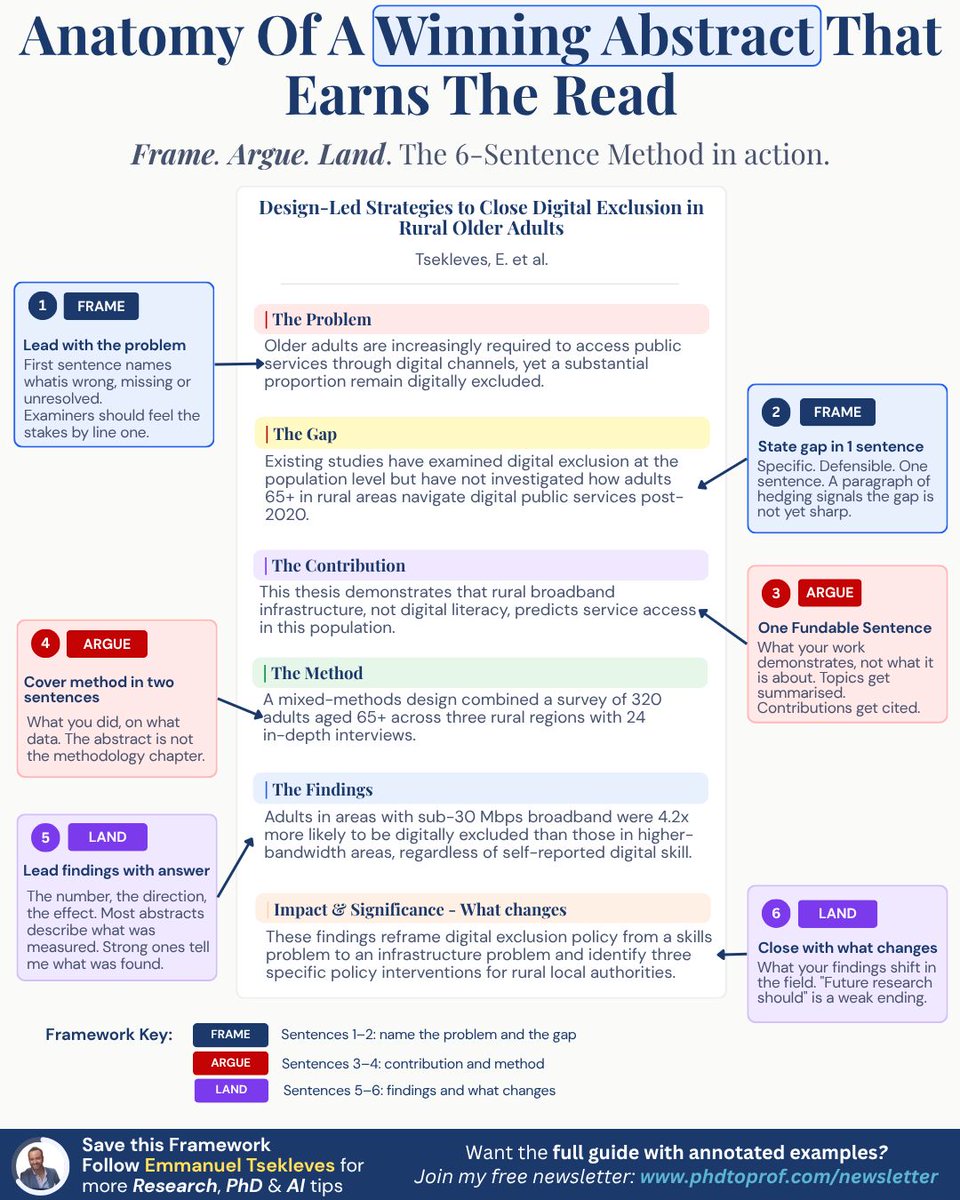
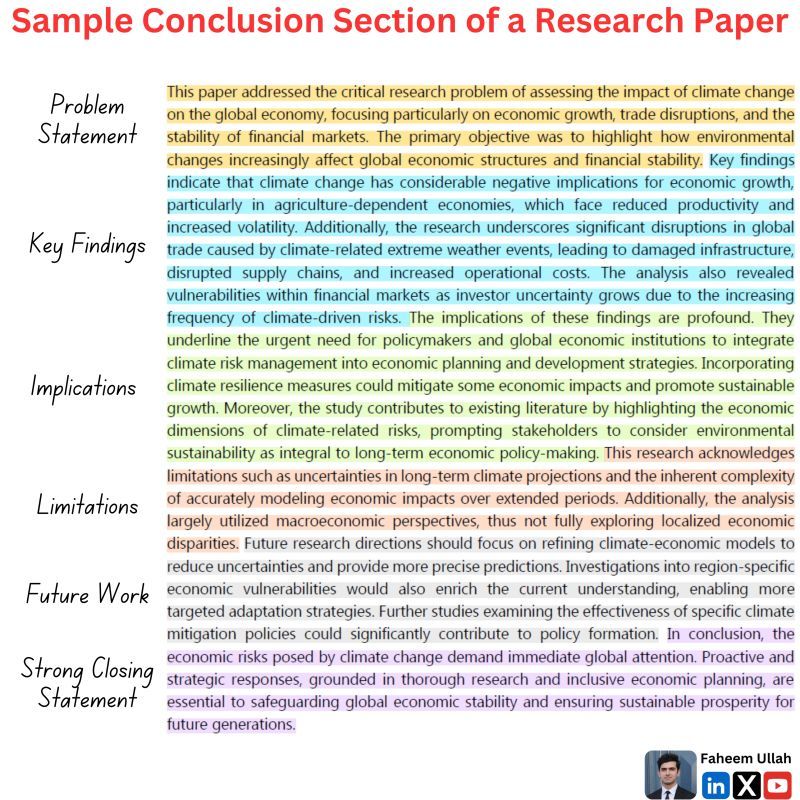
PhD Students - Here is an example of a good conclusion.
A good conclusion should have the following 6 parts.
𝟏. 𝐑𝐞𝐬𝐭𝐚𝐭𝐞 𝐭𝐡𝐞 𝐑𝐞𝐬𝐞𝐚𝐫𝐜𝐡 𝐏𝐫𝐨𝐛𝐥𝐞𝐦
Begin by revisiting the research problem or question that your paper addressed. This reminds the reader of the core focus of your study and sets the stage for summarizing your findings.
𝟐. 𝐒𝐮𝐦𝐦𝐚𝐫𝐢𝐳𝐞 𝐊𝐞𝐲 𝐅𝐢𝐧𝐝𝐢𝐧𝐠𝐬
Provide a brief summary of the main findings of your research. Highlight the most significant results and insights that emerged from your analysis. This should be concise and focused on the most impactful data.
𝟑. 𝐃𝐢𝐬𝐜𝐮𝐬𝐬 𝐭𝐡𝐞 𝐈𝐦𝐩𝐥𝐢𝐜𝐚𝐭𝐢𝐨𝐧𝐬
Explain the implications of your findings. Discuss how they contribute to the existing body of knowledge, their practical applications, or their relevance to future research. This helps to contextualize your work within the broader field.
𝟒. 𝐀𝐜𝐤𝐧𝐨𝐰𝐥𝐞𝐝𝐠𝐞 𝐋𝐢𝐦𝐢𝐭𝐚𝐭𝐢𝐨𝐧𝐬
Address any limitations of your study. Acknowledging these limitations demonstrates academic integrity and provides a balanced view of your research. It also opens the door for future research opportunities.
𝟓. 𝐒𝐮𝐠𝐠𝐞𝐬𝐭 𝐅𝐮𝐭𝐮𝐫𝐞 𝐑𝐞𝐬𝐞𝐚𝐫𝐜𝐡 𝐃𝐢𝐫𝐞𝐜𝐭𝐢𝐨𝐧𝐬
Based on your findings and limitations, propose areas for future research. This can inspire other researchers to explore related questions and expand on your work.
𝟔. 𝐄𝐧𝐝 𝐰𝐢𝐭𝐡 𝐚 𝐒𝐭𝐫𝐨𝐧𝐠 𝐂𝐥𝐨𝐬𝐢𝐧𝐠 𝐒𝐭𝐚𝐭𝐞𝐦𝐞𝐧𝐭
Conclude with a powerful statement that reinforces the importance of your research. This could be a call to action, a thought-provoking quote, or a reflection on the broader implications of your work. Anything you'd like to add?
For more, please subscribe my YouTube Channel.
YouTube Channel Link:
youtube.com/watch?v=Qge0hd…

YouTube

English
Alvin Ng Lai Oon retweetledi

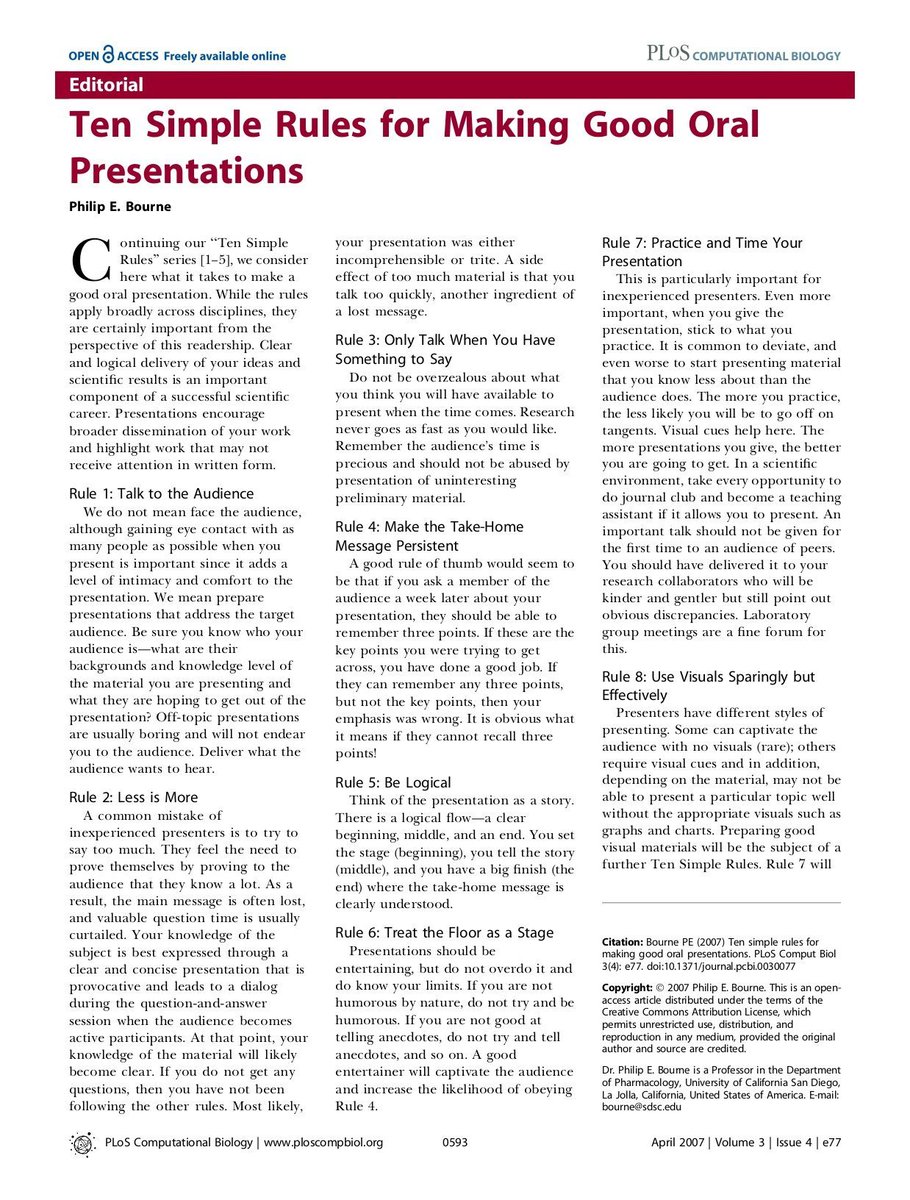
A MIT professor gave a 1-hour lecture in 2019 that has 18 million views.
He died 5 months after recording it.
It was his final gift to the world.
Patrick Winston taught at MIT for 50 years.
The smartest engineers on earth sat in his classroom.
And he spent his last lecture teaching them the one skill their degrees never covered.
How to speak.
15 lessons that will change how you communicate forever:
Never open with a joke. Your audience is not ready to laugh yet. Open with a promise of what they will know by the end.
Your ideas are like your children. You are too close to them. What is obvious to you is invisible to everyone else. Explain the obvious.
The 5-minute rule: the first 5 minutes of any talk determine whether people will listen for the next 55. Spend more time on your opening than anything else.
Repeat your most important idea 3 times in 3 different ways. Once is never enough.
Build a fence around your idea. Tell people what it is NOT before you tell them what it IS.
Verbal punctuation. Pause. Let the idea land before moving to the next one.
Ask questions nobody will answer. Then wait 7 seconds. The silence is not awkward. It is processing.
Never read your slides. Your audience can read. They cannot listen and read simultaneously.
Use the board not the slides. Writing forces you to slow down. Slowing down forces clarity.
Inspire before you inform. Nobody learns from someone they are not inspired by.
End with a contribution not a summary. Tell them what you gave them. Not what you said.
Never say thank you at the end. It is weak. End with something that lands.
Stories make ideas stick. Data makes ideas understood. You need both. In that order.
The quality of your communication determines the quality of your ideas in the eyes of the world. Not the ideas themselves.
Practice is not preparation. Practice IS the skill.
Patrick Winston understood something most people spend their entire careers missing.
Your ideas are only as powerful as your ability to transfer them into someone else's mind.
You can be the smartest person in the room and be completely invisible.
Or you can master communication and make average ideas feel like breakthroughs.
He chose to spend his last lecture teaching this.
Watch it tonight.
Bookmark this first.
Follow @cyrilXBT for more lessons from the people who built the future.
English
Alvin Ng Lai Oon retweetledi

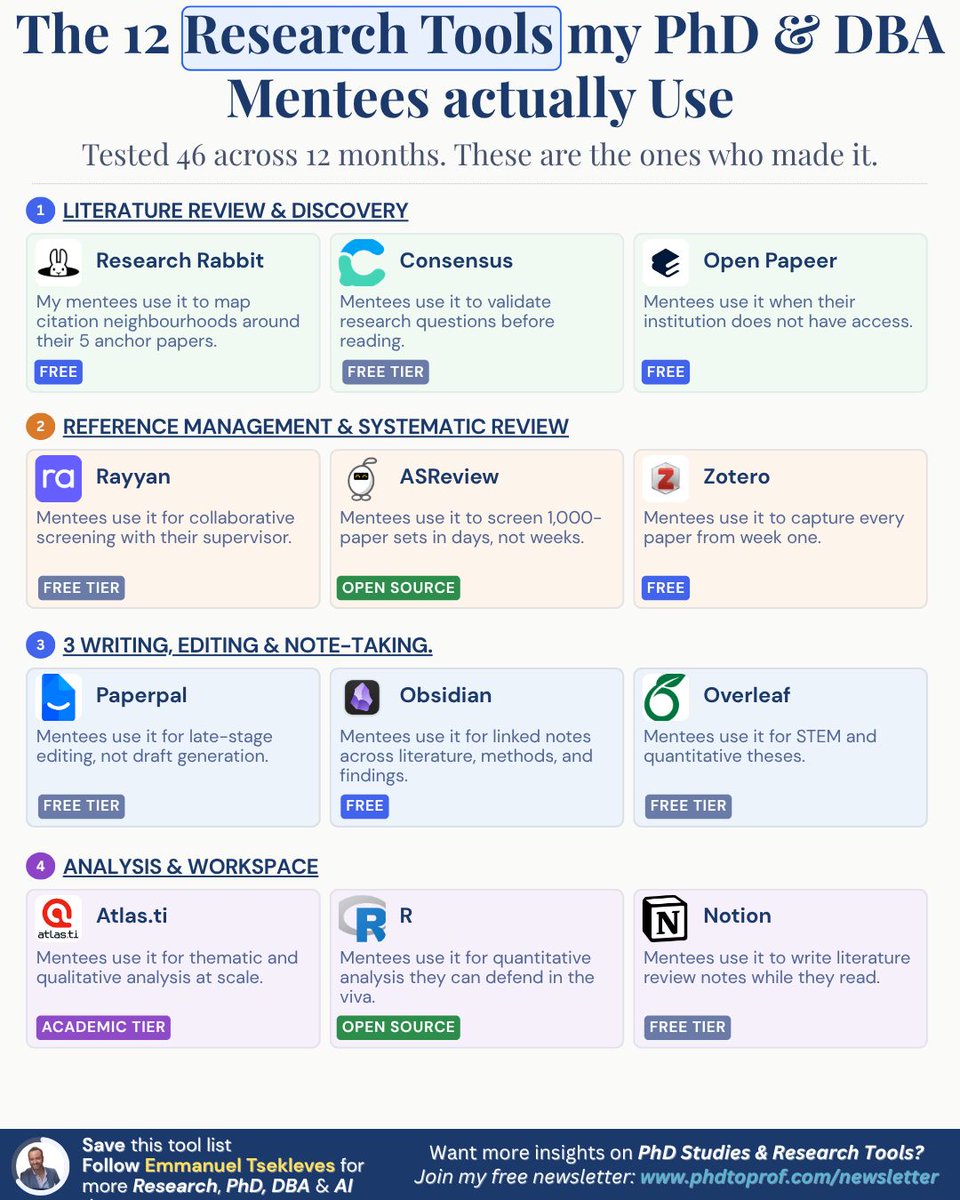
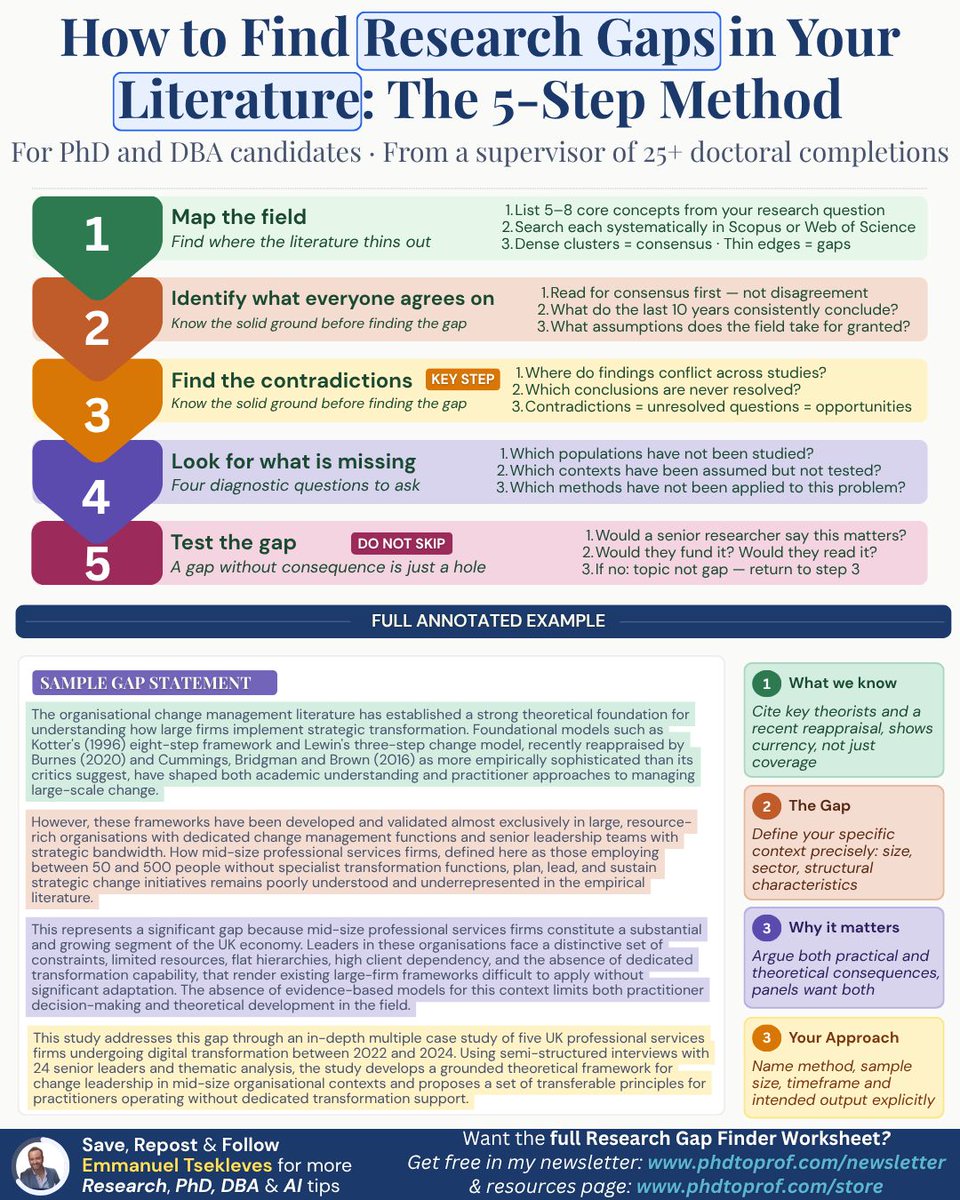
Some students reached out to have a look at their thesis.
Here are some (easy to fix) mistakes that keep showing up!
Whether it's a PhD or MSc thesis, these oopsies were everywhere.
💬 𝗪𝗵𝗮𝘁 𝘄𝗼𝘂𝗹𝗱 𝘆𝗼𝘂 𝗮𝗱𝗱?
-------------------------
Useful find? Pass it on!
🔄 Retweet
Want FREE tips on using AI in research?
𝐒𝐢𝐠𝐧 𝐮𝐩 to join 16K+ #researchers
🔗 in bio
And click @RaziaAliani + follow + 🔔
I test AI tools to simplify your #research & #analysis
(& 𝘤𝘰𝘯𝘥𝘶𝘤𝘵 𝘵𝘳𝘢𝘪𝘯𝘪𝘯𝘨𝘴 𝘰𝘯 𝘵𝘩𝘦𝘮)
---------------------------
#academicwriting #thesis

English