
Sabitlenmiş Tweet
Paras
785 posts


Paras
@parasdevlife013
Building @Neatlogs | Write. Break. Debug. Repeat.
India Katılım Eylül 2023
121 Takip Edilen40 Takipçiler

random blr lessons
never order from meghna if you live alone
English
Love the design that feels first? Want to solve a real problem with an amazing team? Then, come build with us
neatlogs@neatlogs
we’re hiring for a UI/UX designer (remote) someone who is: • design + feel first • strong craft, ships fast • solid with tools (figma/framer) • uses AI in their workflow bonus: • experience designing devtools products drop your best work or DM @BetterSayAJ your portfolio
English

Paras retweetledi

@RoundtableSpace I don't think deepseek v3.2 special matches the gemini 3.1 pro level
English

OPEN SOURCE MODEL ALTERNATIVES FOR CLOSED MODELS:
* OPUS 4.6 - GLM 5 / MINIMAX M2.5
* GPT 5.2 HIGH - KIMI K2.5 THINKING
* GPT-5.2 - QWEN3.5-397B
* GEMINI 3.1 PRO - DEEPSEEK V3.2 SPECIALE
* NANO BANANA - QWEN IMAGE EDIT
English

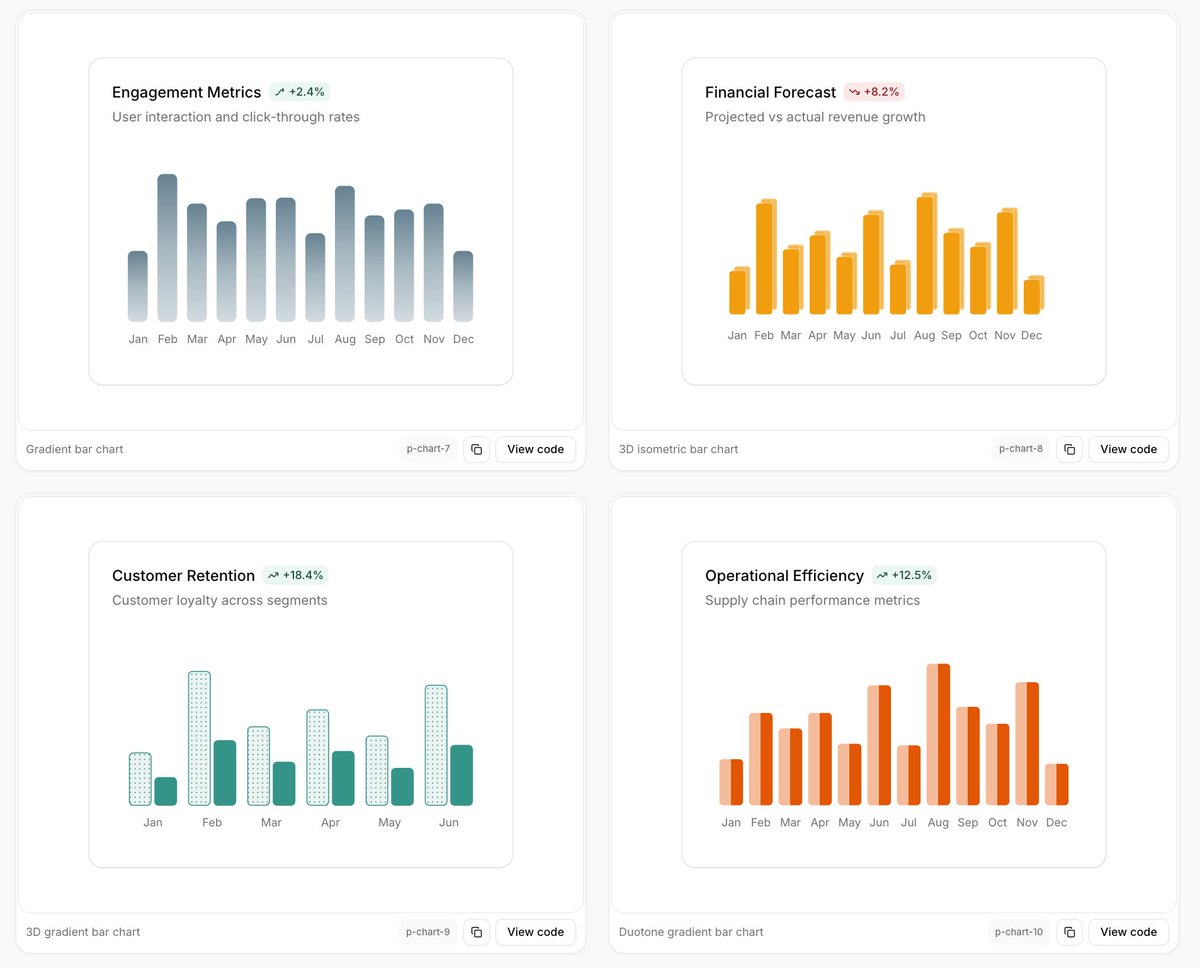
The @shadcn ecosystem just got stronger ⚔️
New open source library: shadcnspace.com
Really impressive blocks & templates.
Definitely trying this out in a real project soon.
English



We just released 𝚛𝚎𝚊𝚌𝚝-𝚋𝚎𝚜𝚝-𝚙𝚛𝚊𝚌𝚝𝚒𝚌𝚎𝚜, a repo for coding agents.
React performance rules and evals to catch regressions, like accidental waterfalls and growing client bundles.
How we collected them and how to install the skill ↓
vercel.com/blog/introduci…
English


English

I literally laugh when I see people comparing TanStack Start and Next.js like one is automatically better. Most devs follow hype, most humans follow hype
disclaimer : I love both @tan_stack start and @nextjs and daily I use it but comparing them superficially is nonsense here I want to talk on both sides of the coin around both the frameworks
let me make a hardcore and naked rant around this firstly people compare it with
Bundle size. People always start here. Stop. That is surface-level nonsense. TanStack Start gzipped is smaller, 100–120 kB. Next.js bigger, 150–176 kB. Smaller doesn’t automatically mean faster.
If your SSR isn’t optimized, your tiny bundle doesn’t help at all. Next.js ships more JS because it runs the RSC runtime, streaming, and hydration logic. That’s intentional, not bloat.
Comparing bundles here is like comparing a bicycle to a freight truck. One is small, one actually carries the load.
smaller bundle size in start ≠faster first paint if SSR isn’t optimized.
export default function Page() {
return (
<>
English
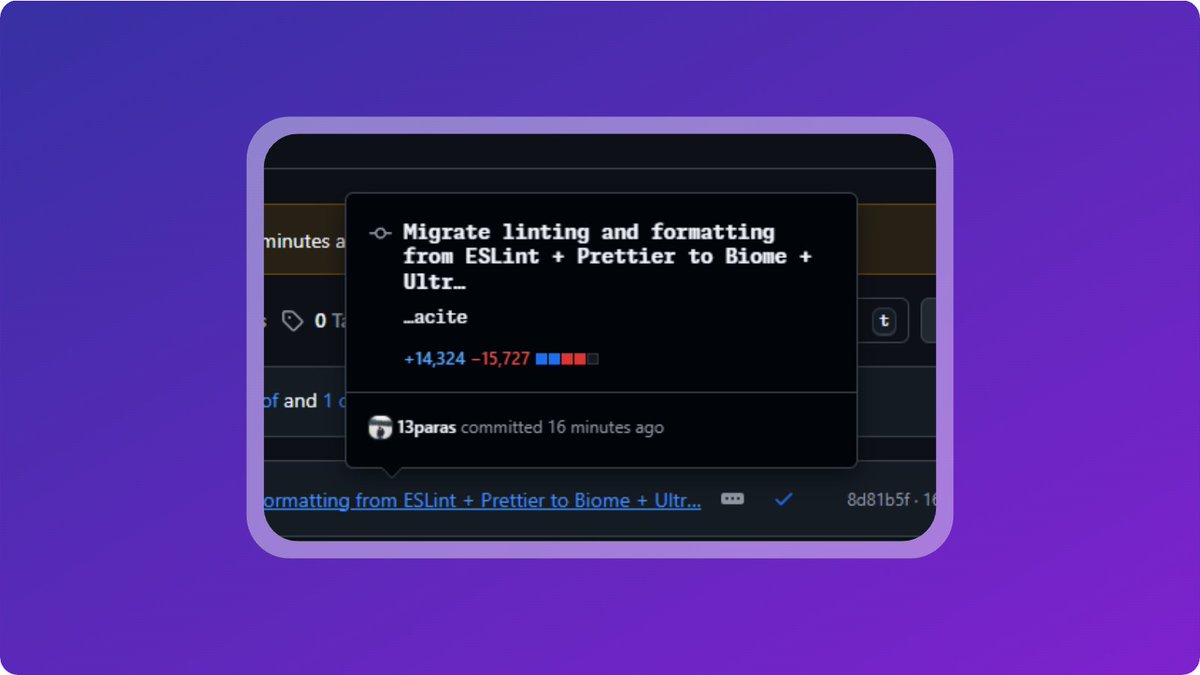
Just switched @neatlogs linting & formatting from Eslint + Prettier to @biomejs + Ultracite V7 🚀
14k+ lines of code changed, but definitely worth it.
Shoutout to @haydenbleasel for buildint Ultracite - setup was quick
English






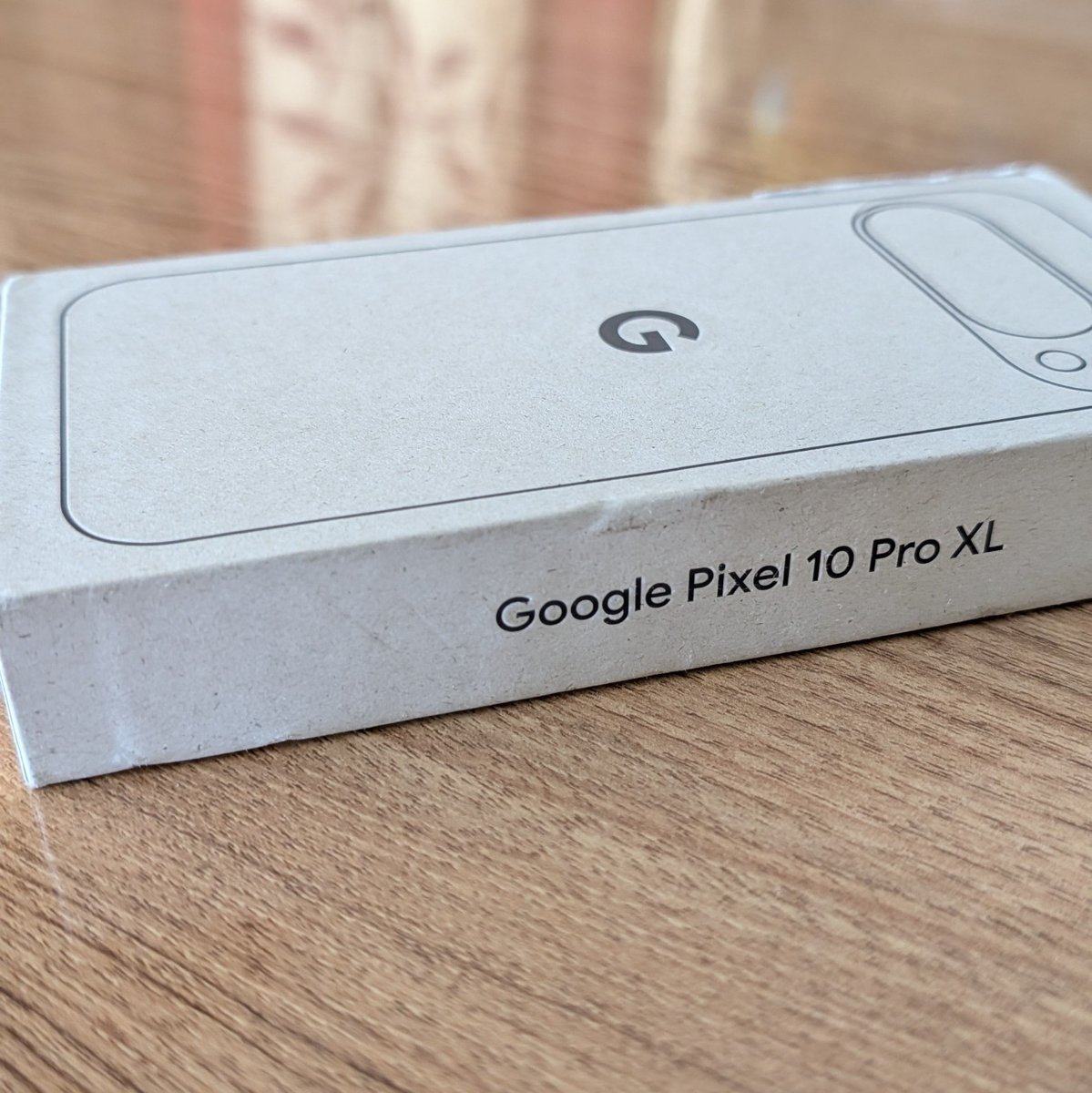
@breathMessi21 @arpit_bhayani It's good for daily use, and I don't think he is someone who always sticks with his phone or plays games on it.
So pixel is fulfilling his priorities
English

@arpit_bhayani Mid range performance for one lakh plus phone 😂😂
English


I think going into 2026, as a developer, you'll have to accept that AI is "a thing" and won't go away.
Take advantage of it or ignore it (if you can) but don't hope for it to disappear.
I think there's a bubble that will burst at some point but that does not imply that the technology will disappear.
It does have its use and it does change things.
But just to be clear: AI is NOT that thing that will make you as a developer obsolete. Vibe coding is not the future for devs. It may be good for one-off, throwaway software but that's it.
Instead, I convinced using & controlling AI assistants is the future. Just as we've used auto-completion before AI.
Obviously, the amount of usage will differ on the problem you're tackling and it's easy to rely on AI too much.
I've said it before: Don't limit your skill level to that of the AI you're using. Instead, combine your skill & knowledge with AI assistants.
At least, that does work for me.
English