paging any asteroseismology folks and/or other related enthusiasts…
(tryna see something)
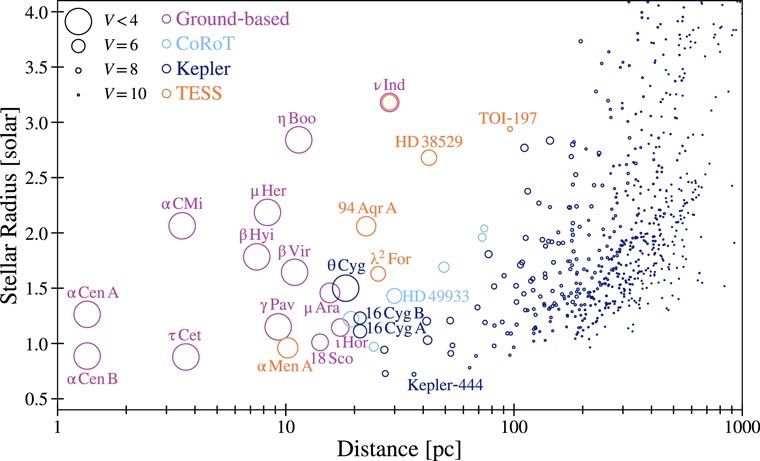
do you have a favorite asteroseismic detection that you do not see on the attached figure? If so, send me the star name and reference below!👇🏼
L'activité solaire varie selon un cycle régulier d'environ 11 ans, où son champ magnétique s'inverse.
Des signes d'inversions magnétiques ont aussi été observés chez une petite étoile naine rouge, AD Leonis, dont le champ magnétique est 1000 fois + intense que le Soleil.
1/2
[Actu #Sciences@IRAP_France] Surveillez les champs magnétiques stellaires : ils sont changeants !
Travaux publiés dans la revue @AandA_journal impliquant Stefano Bellotti et ses collègues
➡️bit.ly/3S6rupo
PAPER DAY!
Another huge effort from a diverse team of asteroseismologists, spectpolarimetricians, and others to help unlock the secrets of the exoplanet host star lambda Serpentis.
Interested in the possibility of PLANETARY ENGULFMENT? Read on: arxiv.org/abs/2308.09808
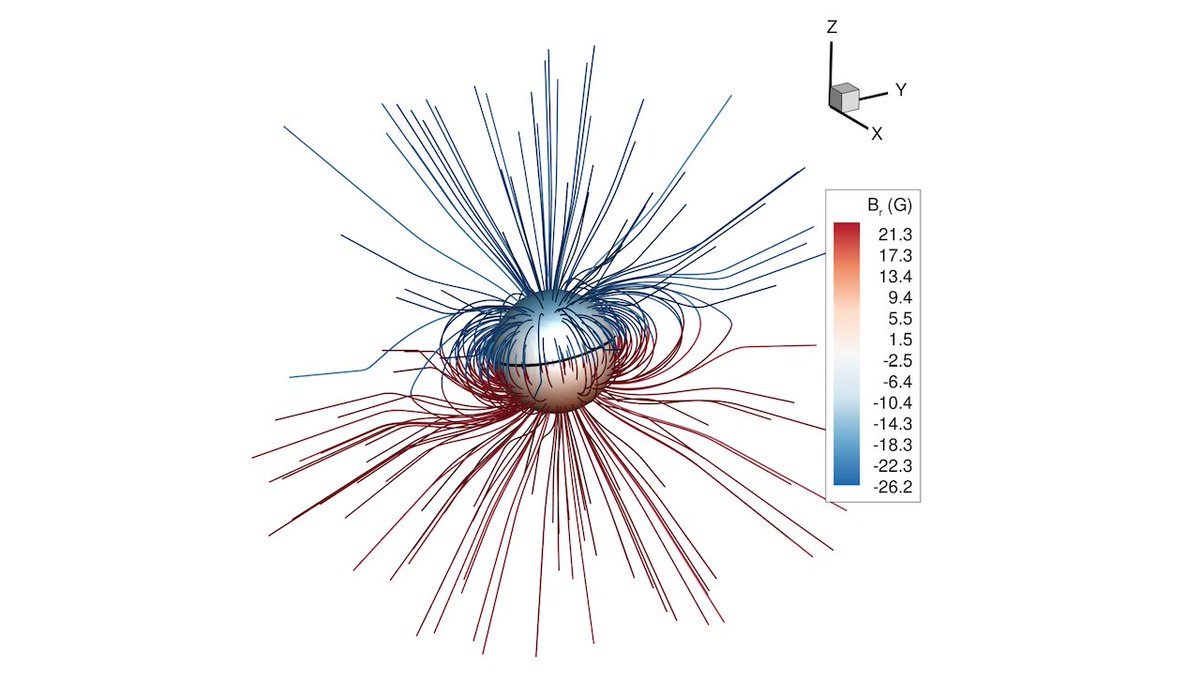
Monitoring the large-scale magnetic field of AD Leo with SPIRou, ESPaDOnS and Narval. Toward a magnetic polarity reversal?
S. Bellotti, et al. A&A
—> a substantially increased dipole obliquity, while the topology remained predominantly poloidal and dipolar
arxiv.org/abs/2307.01016
PAPER DAY! Coming to @arxiv this evening: "Constraints on Magnetic Braking from the G8 Dwarf Stars 61 UMa and tau Cet".
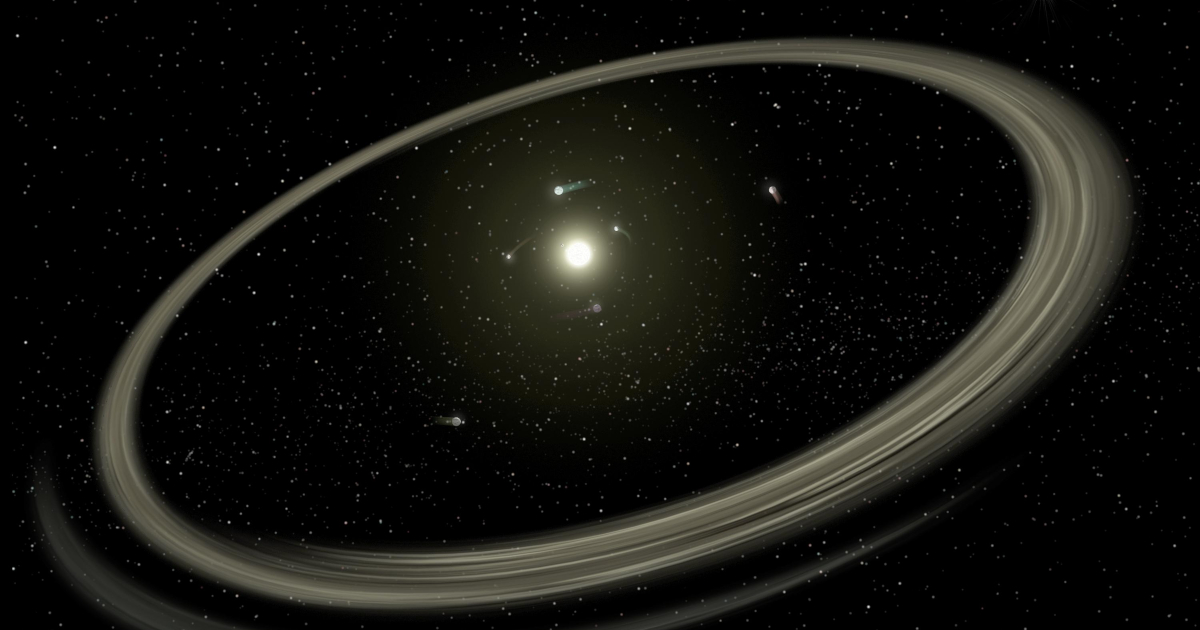
Let's talk about tau Ceti, the nearest single G-type star to the solar system (3.7 parsecs), which hosts several planets (two near the HZ) and a debris disk.
(2) Complete Zeeman Doppler Imaging map of the younger G8 star 61 UMa from the hard work of @pascalou_petit and the #BCool team.
ALSO: archival Ly-alpha (@NASAHubble) and X-ray data, rotation periods from @MtWilsonObs, radii and masses from interferometry, asteroseismology, etc.