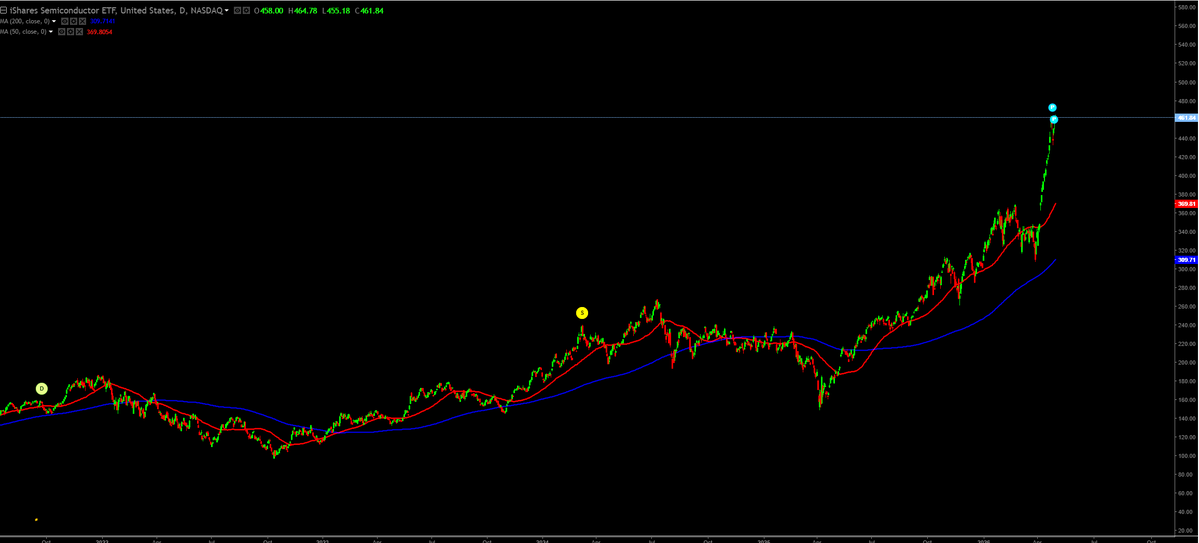
@LariAlen Depending on entry timeframe. But generally no
English
Pasikookoo (ström/sö)
3.9K posts
@pasikookoo
Oikeistolaisvasemmistolaiskeskustalaine Esitetyt näkemykset eivät ole omiani. Äö. n 385. Sosiaalisesti hankala. En omista mitään ja en ole sen takia onnellinen


Katselen #Yle puoli ysin uutisisia. Ääneen oli päässyt Vailla vakinaista asuntoa ry:n edustaja. Häneltä jäi kertomatta, että asunnottomuuteen liittyvään ohjaukseen, neuvontaan, itsenäistymisen tukemiseen ja päiväkeskustoimintaan on vuosina 2017-2026 myönnetty STEA-avustuksia yli 70 järjestölle ja 497 kohteelle noin 63,5 miljoonaa euroa. Luvussa ei ole mukana asuntojen hankinta- ja korjausavustuksia (B-avustukset). Avustukset ovat siis valuneet palkkoihin ja toimitilamenoihin. Asunnottomuudellakin voi rahastaa🤔 Lähde luvuille: avustukset.stea.fi/download



China just quietly killed the diesel heavy truck with brutal economics. 2025 data now in: >231,100 electric heavy trucks sold (+182% YoY) >Dec 2025 Market Share: 53.9% (EVs outsold diesel) >Fleet owners saving $170k per truck over a 10-year cycle electrive.com/2026/01/23/yea…





Kaveri kertoi pojastaan joka opiskelee automaatiotekniikan dippainssiksi 4. vuosikurssilla. Ennen vanhaan nämä osaajat revittiin teollisuuteen ja muihin alan hommiin. Nyt yksi kurssilta oli saanut kesäksi alan työtä Lapista kaivokselta. Hieman semmoin 'WTF?' -fiilis tuli.



After the Islamic Republic of Iran was established in 1979, one of its earliest and most invasive policies was the enforcement of a mandatory hijab for women, implemented gradually through legal measures, workplace regulations, and public directives. By 1980, the regime had intensified pressure on women to conform to this dress code, sparking a historic wave of resistance. In a landmark protest that year, Iranian women of all backgrounds, Muslim and non-Muslim, veiled and unveiled, took to the streets, joining hands to assert their autonomy and challenge the state’s imposition. The demonstration was not without its tensions: among the crowds were men who vocally supported the law, chanting slogans such as “death to the unveiled,” aiming to intimidate women into submission. Yet despite this hostile environment, women stood together in solidarity, their diversity of attire becoming a powerful symbol of unity. They collectively protested not only the mandatory hijab law but also the broader forces of reactionism that sought to curtail personal freedom and impose rigid control over their bodies. Unfortunately, despite their courage and unity, the protest did not succeed in overturning the policy. The mandatory hijab law was fully enforced, marking a painful setback for women’s rights in Iran.