I just claimed my .agent domain and joined the .agent community! get yours now and help shape the future of autonomous agents #RLRPLT6G" target="_blank" rel="nofollow noopener">agentcommunity.org/join#RLRPLT6G @agentcommunity_
English
Pedra
5.3K posts

@pedraxbt
• Research Contributor at @ModularCrypto • Researcher at Boost Research • Resenheiro no @corujacripto • brazilian 🇧🇷


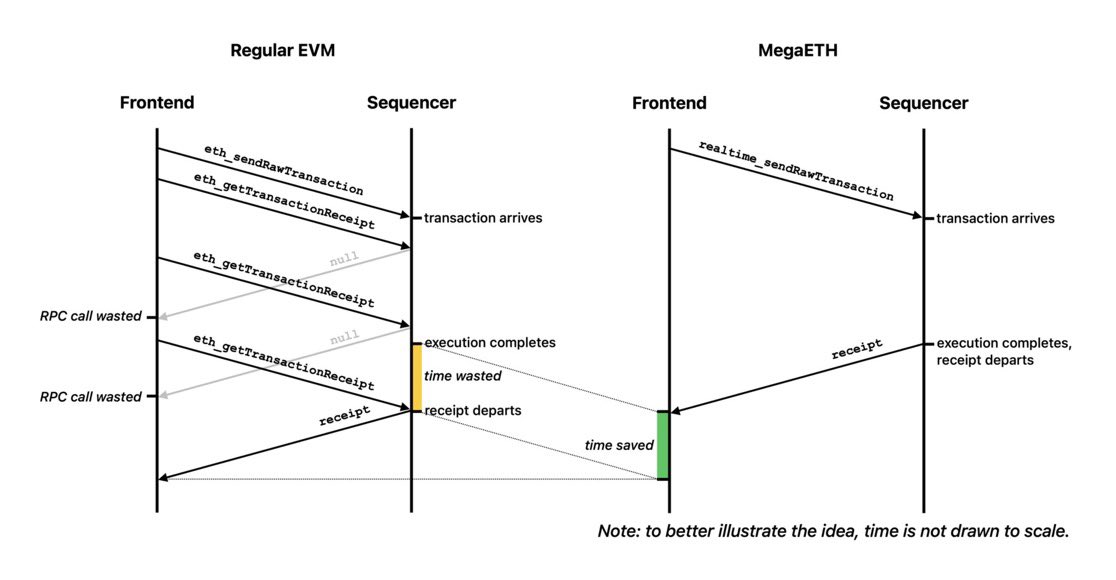
MegaETH powers extreme apps what do I mean by extreme? - extremely onchain - extremely fun - extremely exogenous - extremely creative - extremely lucrative just use "extremely onchain" as an example, we could have worked with a DEX that only uses the blockchain for settlement ( super easy). however, I ask our team: what's the point of building the fastest chain when the apps aren't using the power of the chain? use @worldmarketsinc as an example, the DEX has no backend. let me repeat: World Market is a DEX that has NO BackEnd. meaning no indexer-driven API layer, no relayer, and no centralized application server sitting between the user and the protocol. its UI talks directly to MegaETH’s JSON-RPC endpoints, can be downloaded and run locally, and anyone can build an alternative interface. that is prolly the most cypherpunk design you'll ever seen in the entire DEX landscape. most dexes introduce indexers, caches, and proprietary backends, which become hidden trust assumptions and operational chokepoints, in their design. WM relies directly on MegaETH RPC, it treats chain state itself as the application’s live data source. That makes the system more permissionless, more censorship resistant, easier to fork, and less dependent on centralized infrastructure. we built the most performant RPC infrastructure so applications dont have to be forced to go back to Web2-style architecture.
"Effective immediately, all National Security TARIFFS, Section 232 and existing Section 301 TARIFFS, remain in place, and in full force and effect. Today I will sign an Order to impose a 10% GLOBAL TARIFF, under Section 122, over and above our normal TARIFFS already being charged..." - President Donald J. Trump


Intent and Supporter only whitelists 4 days remaining. Participate & confirm eligibility here; flyingtulip.com/eligibility Public sale 02/16 Token transferable 02/23 Commonly asked questions answered below.

[ ZOOMER ] JUMP TRADING TO ACQUIRE A STAKE IN POLYMARKET IN EXCHANGE FOR PROVIDING LIQUIDITY: BBG

Os bancos estão se MIJANDO de medo. Eles acabaram de perceber que uma startup cripto "autista" qualquer, operando de um WeWork com US$ 20 milhões em T-Bills (Tesouro Americano) e um front-end em React, está prestes a implodir toda a base de depósitos de US$ 17 trilhões dos EUA… …oferecendo 4,9% de rendimento em uma stablecoin, enquanto o JPMorgan te dá 0,01% e um cartão de débito que vence em dois anos. “MAS ISSO NÃO É JUSTO” – disse todo lobista de banco na história. Agora o sistema bancário — esse Godzilla feito de soja, fita isolante e 11.000 agências físicas — está choramingando para o Congresso tipo: “Isso não é justo! Se as pessoas puderem obter rendimento sobre seus dólares fora do banco… elas podem sair do banco!” Não me diga. Esse é o ponto. Vocês prenderam todo mundo em um Ponzi de rendimento zero por uma década enquanto imprimiam US$ 7 trilhões, e agora estão chocados que as pessoas queiram sair? O que vem a seguir? Vocês vão processar a água por ser molhada? Isso é uma briga de rua regulatória entre o código e a burocracia; entre a liquidez global que liquida em cinco segundos e a carcaça podre de Bretton Woods vestindo um terno feito de panfletos do FDIC. E adivinha só? A Casa Branca está promovendo conversas de paz. Sim. A equipe do Trump acabou de convidar a Circle e a Coinbase para se sentarem com o Jamie Dimon e dizerem a ele que o futuro do dólar pode não envolver o Jamie Dimon. Consegue imaginar o clima nessa reunião? “Oi Jamie, conhece o Brian da Circle. Ele tokeniza T-Bills com seis engenheiros e um servidor no Discord. Ele está levando 3% dos seus depósitos e zero dos seus custos regulatórios. O que acha?” A realidade é que toda vez que um desses bancos diz “estamos preocupados com a estabilidade financeira”, o que eles querem dizer é: “Por favor, não deixem esses goblins das criptomoedas interromperem nossa capacidade de colher rendimento em cima da classe média baixa com cartões de crédito a 18% e contas correntes a 0%.” Eles querem que o esquema de proteção deles seja codificado em lei. Tipo: “você não pode oferecer rendimento em stablecoins a menos que seja um banco licenciado”, ou seja: “Nós perdemos o barco, então vamos explodir o cais.” Os bancos não conseguem competir. Vamos modelar a situação: Um banco: 11.000 agências, 75.000 caixas, sistemas legados de 1982 e um CFO que acha que Solana é um tipo de peixe. Circle: 25 pessoas, 100% lastreado em T-Bills, resgates 24/7, rendimento transmitido on-chain como se fosse a Netflix. Agora, deixa eu ser brutalmente simples... Quem vence? Os caras com lobbies de mármore ou o protocolo que transforma dólares em ativos ao portador que geram rendimento? Os bancos estão jogando na defesa contra o rendimento das stablecoins... mas o que acontece quando o pessoal entender que as stablecoins são apenas um vetor de transição para a saída monetária total? O que acontece quando as pessoas usarem stablecoins para pular para tesourarias de Bitcoin com autocustódia? Você passa de “5% de rendimento sobre o estoque de T-Bills da Circle” para “30% de CAGR (taxa de crescimento anual) no poder de compra em um ativo ao portador que não pode ser diluído e vive fora do ciclo da morte do FMI”. Isso é o xeque-mate. Os bancos estão com medo do USDC + USDT. Espere até que cada dona de casa esteja fazendo yield farming de dividendos de STRC em suas contas de aposentadoria usando um app de Lightning Network. Estamos substituindo toda a arquitetura fiduciária por um buraco negro monetário.

The banks are PISSING THEMSELVES. They’ve just realized that some autistic crypto startup in a WeWork with $20 million in T‑Bills and a React front-end is about to nuke the entire $17 trillion U.S. deposit base… …by offering 4.9% yield on a stablecoin while JPMorgan gives you 0.01% and a debit card that expires in two years. “BUT THAT’S NOT FAIR” – every bank lobbyist ever Now the banking system, this Godzilla made of soy, duct tape, and 11,000 physical branches, is whining to Congress like: “This isn’t fair! If people can earn yield on dollars outside the bank… they might leave the bank!” No shit. That’s the point. You locked everyone into a zero‑yield Ponzi for a decade while printing $7 trillion, and now you’re shocked people want out? What’s next, are you gonna sue water for being wet? This is a regulatory street fight between code and bureaucracy, between global liquidity that settles in five seconds and the rotting husk of Bretton Woods wearing a suit made of FDIC pamphlets. And guess what? The White House is hosting peace talks. Yes. Trump’s team just invited Circle and Coinbase to sit down with Jamie Dimon and tell him that the future of dollars may not involve Jamie Dimon. Can you imagine the mood in that meeting? “Hi Jamie, meet Brian from Circle. He tokenizes T-Bills with six engineers and a Discord server. He’s taking 3% of your deposits and none of your regulatory costs. Thoughts?” The reality is that every time one of these banks says “we’re concerned about financial stability,” what they mean is: “Please don’t let these crypto goblins disrupt our ability to harvest yield off the lower-middle class with 18% credit cards and 0% checking accounts.” They want protection rackets codified into law. Like “you can’t offer yield on stablecoins unless you’re a licensed bank,” aka: “We missed the boat, so let’s blow up the dock.” Banks can’t compete. Let’s model it: A bank: 11,000 branches, 75,000 tellers, legacy core systems from 1982, and a CFO who thinks Solana is a fish. Circle: 25 people, 100% T-Bill backing, 24/7 redemptions, yield streamed on-chain like Netflix. Now let me make this brutally simple... Who wins? The guys with marble lobbies or the protocol that turns dollars into yield-bearing bearer assets? The banks are playing defense against stablecoin yield... but what happens when it clicks that stablecoins are just a transition vector to full monetary exit? What happens when people use stablecoins to bootstrap into Bitcoin treasuries with self-custody? You go from “5% yield off Circle’s T-Bill stack” to “30% CAGR in purchasing power in a bearer asset that can’t be diluted and lives outside the IMF death loop.” That’s endgame stuff. The banks are scared of USDC + USDT. Wait until every mom in Omaha is yield farming STRC dividends from their Roth IRAs using a Lightning app. We’re replacing the entire fiat architecture with a monetary black hole. reuters.com/sustainability…



Embrace the penguin.