

pericles_lindblom
1K posts

pericles_lindblom
@pericles_lind
Artist 🇬🇷🇫🇮 Neoclassicism | Greek Antiquity | Portraits © protected | Prints, Originals, Commissions
Katılım Şubat 2021
18 Takip Edilen503 Takipçiler

pericles_lindblom retweetledi
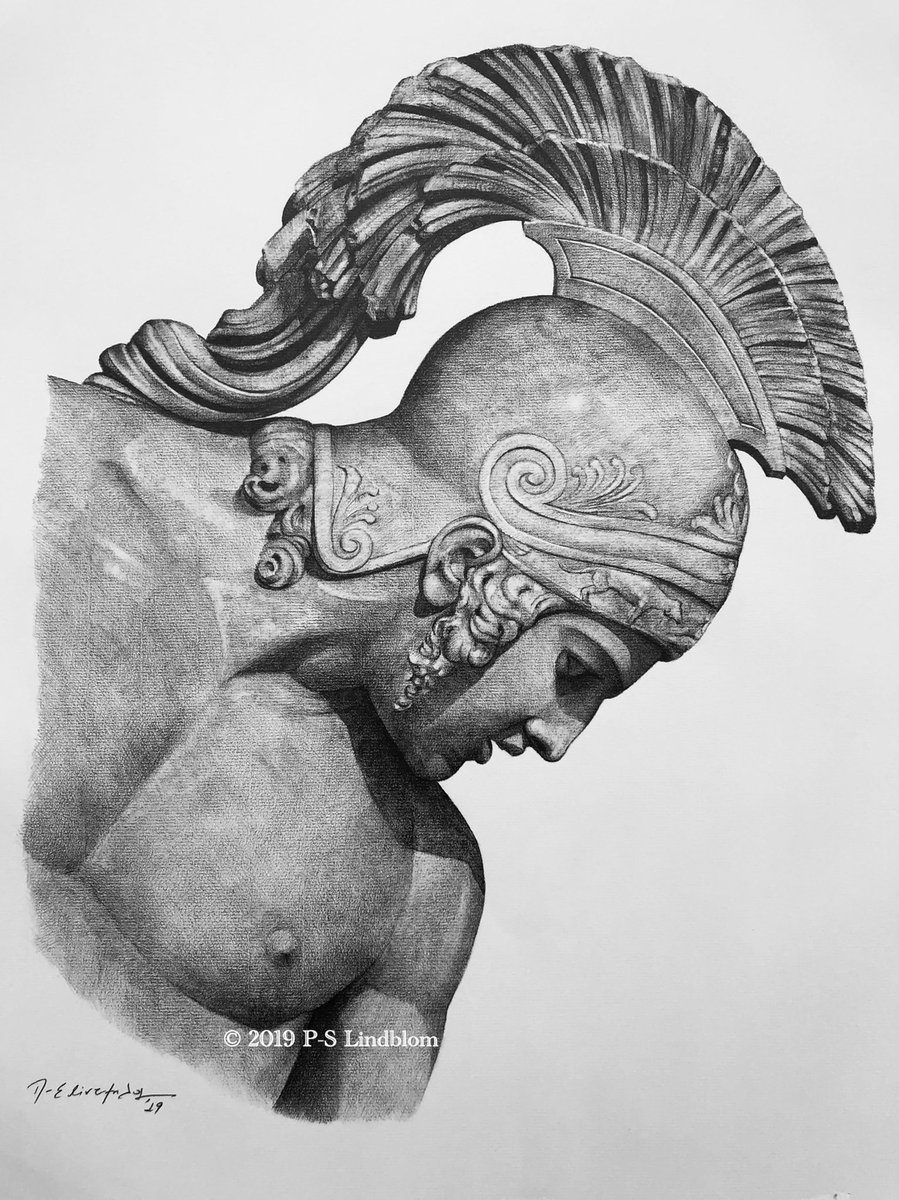
“If I hold out here and I lay siege to Troy, my journey home is gone, but my fame shall be immortal. If I voyage back to the fatherland I love, my pride, my glory dies.”
Homer, Iliad 9.412
«εἰ μέν κ᾽ αὖθι μένων Τρώων πόλιν ἀμφιμάχωμαι,
ὤλετο μέν μοι νόστος, ἀτὰρ κλέος ἄφθιτον ἔσται·
εἰ δέ κεν οἴκαδ᾽ ἵκωμι φίλην ἐς πατρίδα γαῖαν.»
Ὅμηρος, Ἰλιάς 9.412
Achilles says he would lose fame if he were to return home to his “beloved fatherland;” he has therefore chosen to stay at Troy, knowing that his decision means his own imminent death, but will thereby earn the reward of “immortal fame”.
Α pencil drawing of the marble statue of Wounded Achilles (Achille ferito) by the Italian sculptor Innocenzo Fraccaroli (1805 - 1882), made in 1842. Now in the Galleria d’Arte Moderna in Milan.
Heroism was essential to the ancient Greeks, for heroes and heroines offered models for living one’s life. The word “hero” is a Greek word with three meanings, linked to lineage, era, and behavior.
For the Greeks, heroes were stronger and greater than men in later times. Heroes were also physically handsome, in part because – even without a divine parent – they were descended from the gods.
The essence of heroic action is risking one’s life. Hector has learned to fight in front where it is most dangerous. Yet that’s also where one wins great glory.
The premise of heroism then is mortality – even with one divine parent, heroes and heroines will die. Risking one’s life in battle is a defining feature of heroism.
In addition, heroes are honored by their people and may even achieve what Homer calls “imperishable glory,” the distinction of having singers recall great feats of heroes long after their deaths.
The heroic code is enforced by public pressure, indeed, an essential part of warrior society is public esteem or, alternatively, public disgrace. Those who risk their lives are honored in society; those who are cowards and run away from battle are disgraced in the eyes of society.
All artwork © protected.
Slide 2 : Limited edition prints, 48cm x 33cm, 50 copies, FREE SHIPPING WORLDWIDE.
@blondemantis Grateful for your support! Happy you like them 🙏🏻🙏🏻🙂
English
pericles_lindblom retweetledi

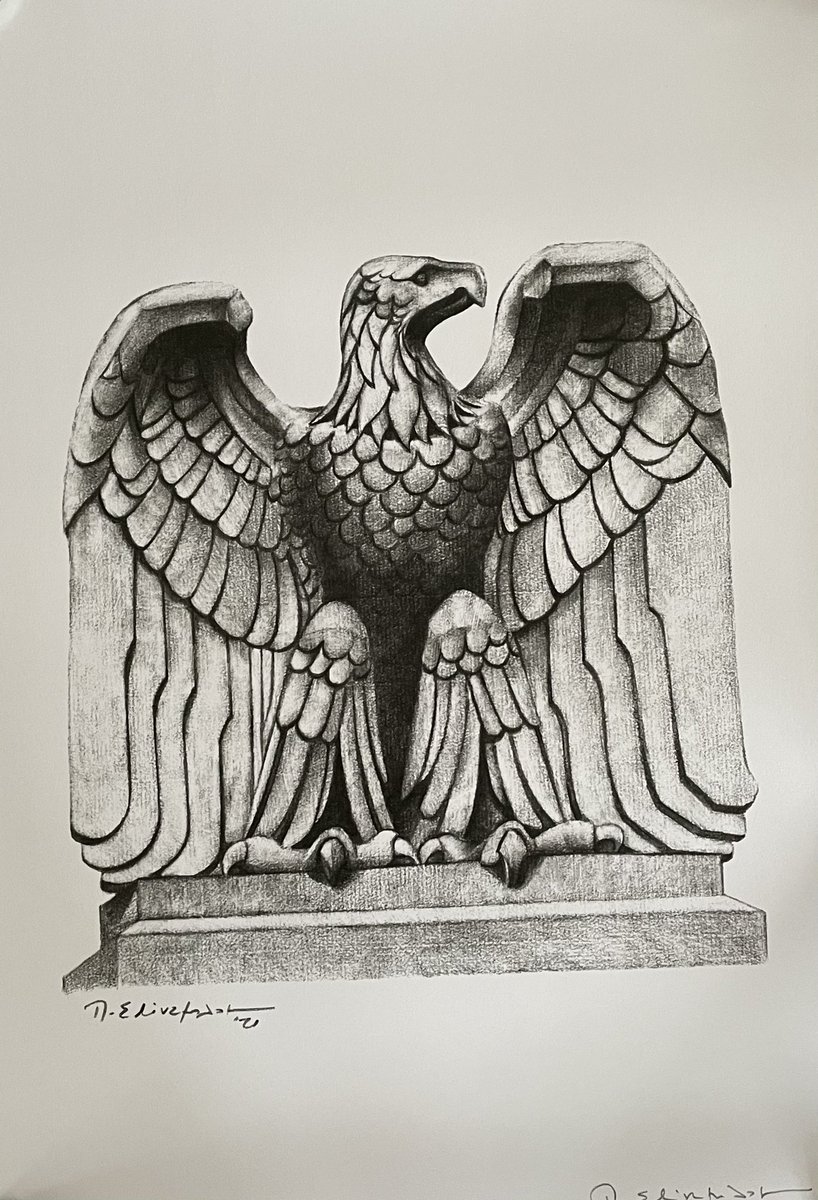
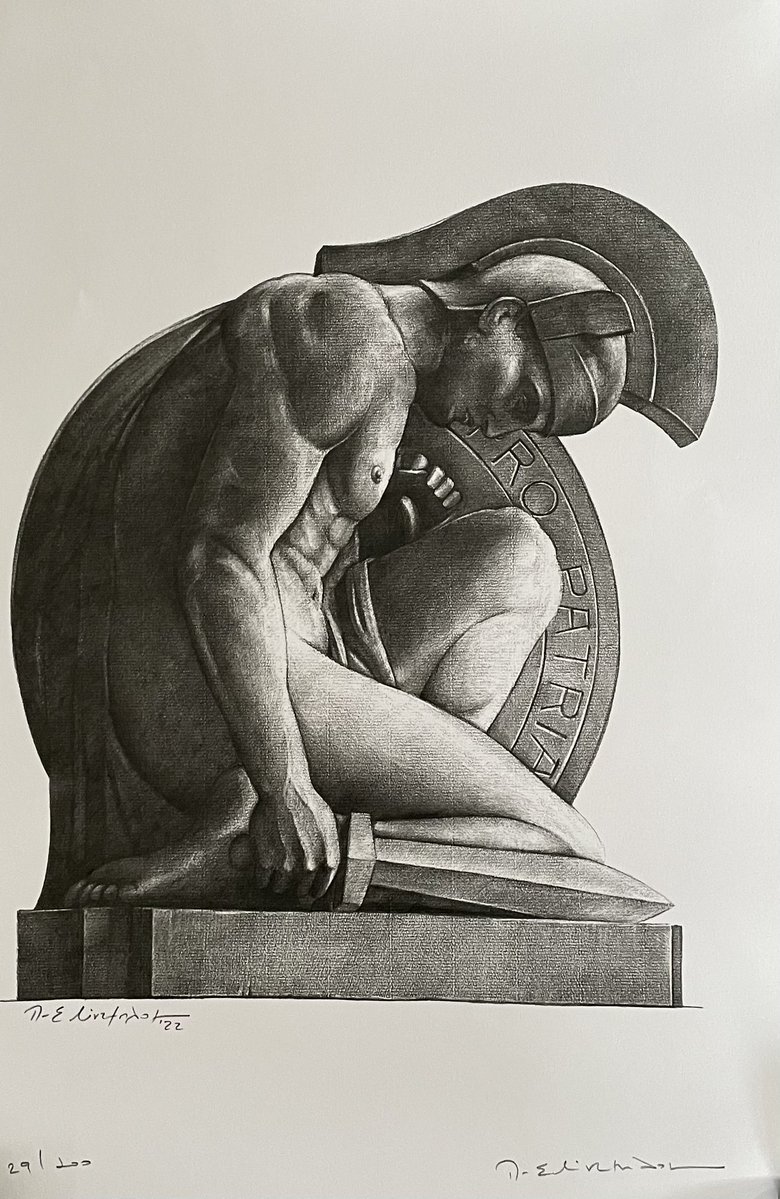
Can’t tell you how thrilled I am to have original artwork by @pericles_lind. His drawings leap off the page — moving, inspiring, and utterly captivating. Pericles is an artist for our time, and it would be a mistake to miss the opportunity to acquire his work. Secure yours now. His name is destined for greatness.


pericles_lindblom@pericles_lind
SPECIAL SALE LIMITED EDITION PRINTS All numbered and hand signed BUY 1 & GET 1 FREE BUY 2 & GET 3 FREE BUY 3 & GET 5 FREE FREE SHIPPING WORLDWIDE pericleslindblom.com
English
pericles_lindblom retweetledi
“Nietzsche emphasizes courage or in fact quite literally MANLINESS, ANDREIA, as THE most necessary quality for the philosopher to possess before all others, as the indispensible prerequisite for the philosophical way of life.” @costin_eats


English
pericles_lindblom retweetledi
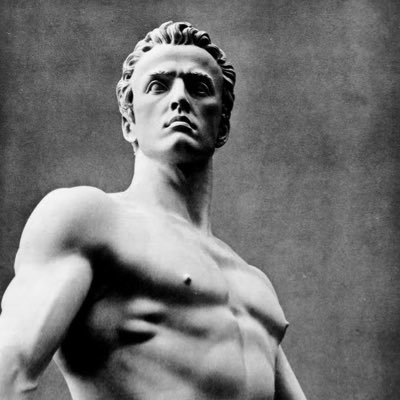
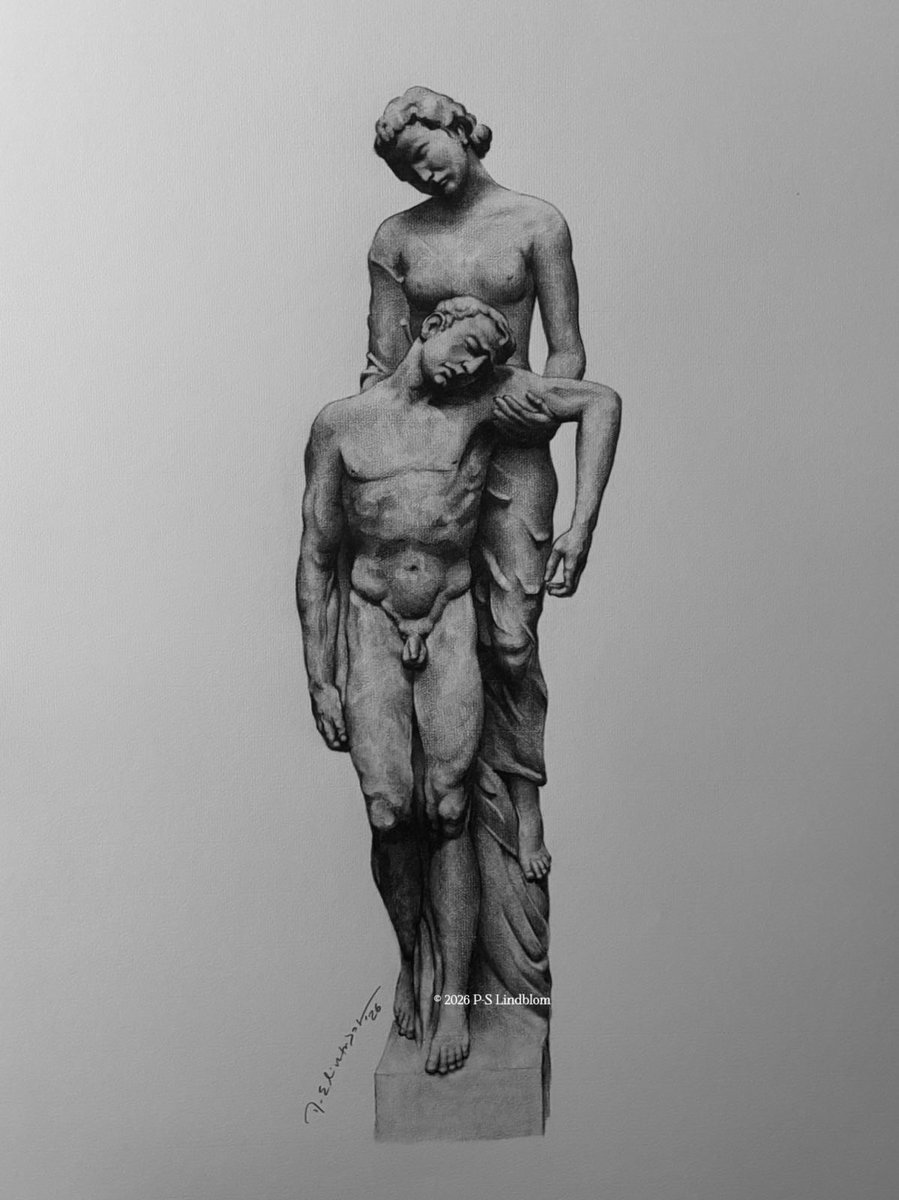
Finished! A pencil drawing of Josef Thorak’s “The Last Flight” (German: Der letzte Flug).
Created in 1940, depicting a dramatic, wartime scene featuring a German pilot, symbolizing aviation heroism, shown as a woman holding a dead soldier.
Showcased at the House of German Art (Haus der Deutschen Kunst).
This sculpture is remarkably similar to the Pennsylvania Railroad World War II Memorial sculpture, Angel of the Resurrection (1952), by Walker Kirtland Hancock (1901-1998) which stands in Philadelphia’s 30th Street Station. The plaster model for that sculpture is in the Museum of Fine Arts, Boston. Hancock’s lifeless soldier is shirtless, with pants, and is being supported in the same way as Thorak’s, only by the Archangel Gabriel instead of a symbolic woman.
Josef Thorak (7 February 1889 in Vienna, Austria – 26 February 1952 in Bad Endorf, Bavaria) was an Austrian-German sculptor. He became known for oversize monumental sculptures, particularly of male figures, and was one of the most prominent sculptors of pre WWII Germany.
In 1937, he was named professor of sculpture at the Munich Academy of Fine Arts. Albert Speer referred to Thorak as “more or less my sculptor, who frequently designed statues and reliefs for my buildings”.
Well known for his “grandiose monuments”, Thorak was nicknamed “Professor Thorax” because of his preference for muscular neo-classical nude sculpture.
Thorak received the grand prize of the Prussian Academy of Arts in 1928 and a golden Papal medal in 1934 for his contribution to the Exhibition for International Christian Art. He was nominated in 1937 for the first German National Prize for Art and Science.
A street was named for him in Salzburg in 1963.
All artwork © protected.
Limited edition prints will be available soon !
English
pericles_lindblom retweetledi
You're doom-scrolling. You have nothing better to do. You should read my article on Heidegger and Evola on Substack.
open.substack.com/pub/thumonster…
English
pericles_lindblom retweetledi
Day 4 work in progress…A pencil drawing of Josef Thorak’s “Der letzte Flug” (English : The Last Flight).
Created in 1940, depicting a dramatic, wartime scene featuring a German pilot, symbolizing aviation heroism, shown as a woman holding a dead soldier.
Showcased at the House of German Art (Haus der Deutschen Kunst).
This sculpture is remarkably similar to the Pennsylvania Railroad World War II Memorial sculpture, Angel of the Resurrection (1952), by Walker Kirtland Hancock (1901-1998) which stands in Philadelphia’s 30th Street Station. The plaster model for that sculpture is in the Museum of Fine Arts, Boston. Hancock’s lifeless soldier is shirtless, with pants, and is being supported in the same way as Thorak’s, only by the Archangel Gabriel instead of a symbolic woman.
Josef Thorak (7 February 1889 in Vienna, Austria – 26 February 1952 in Bad Endorf, Bavaria) was an Austrian-German sculptor. He became known for oversize monumental sculptures, particularly of male figures, and was one of the most prominent sculptors of pre WWII Germany.
In 1937, he was named professor of sculpture at the Munich Academy of Fine Arts. Albert Speer referred to Thorak as “more or less my sculptor, who frequently designed statues and reliefs for my buildings”.
Well known for his “grandiose monuments”, Thorak was nicknamed “Professor Thorax” because of his preference for muscular neo-classical nude sculpture.
Thorak received the grand prize of the Prussian Academy of Arts in 1928 and a golden Papal medal in 1934 for his contribution to the Exhibition for International Christian Art. He was nominated in 1937 for the first German National Prize for Art and Science.
A street was named for him in Salzburg in 1963.
All artwork © protected.
Limited edition prints will be available soon !

English
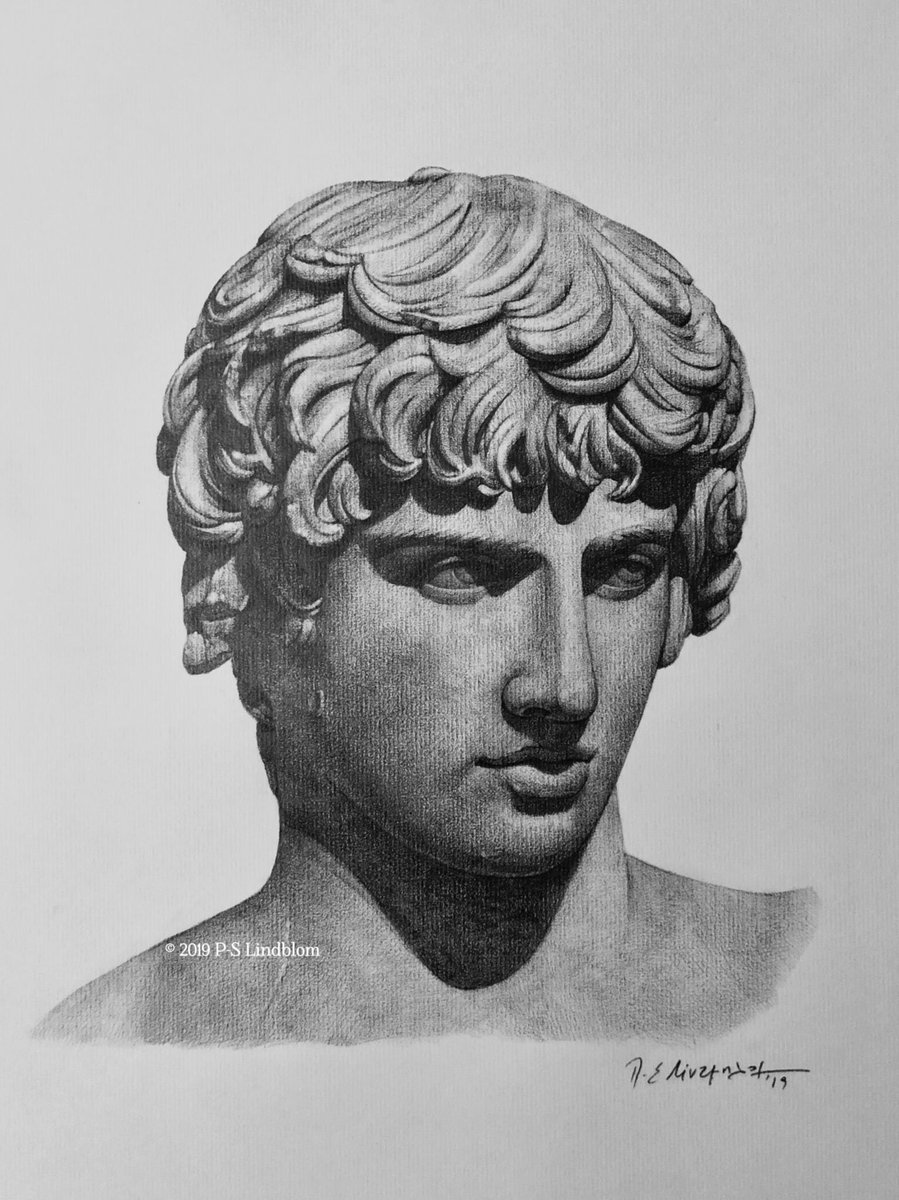
A pencil drawing of head of the portrait bust of Antinous (Greek : Ἀντίνοος) in the National Archaeological Museum of Athens, Thasian marble, 130 - 138 AD.
All artwork © protected.
Limited edition prints available.
48cm x 33cm, 50 copies
FREE SHIPPING WORLDWIDE
English
pericles_lindblom retweetledi

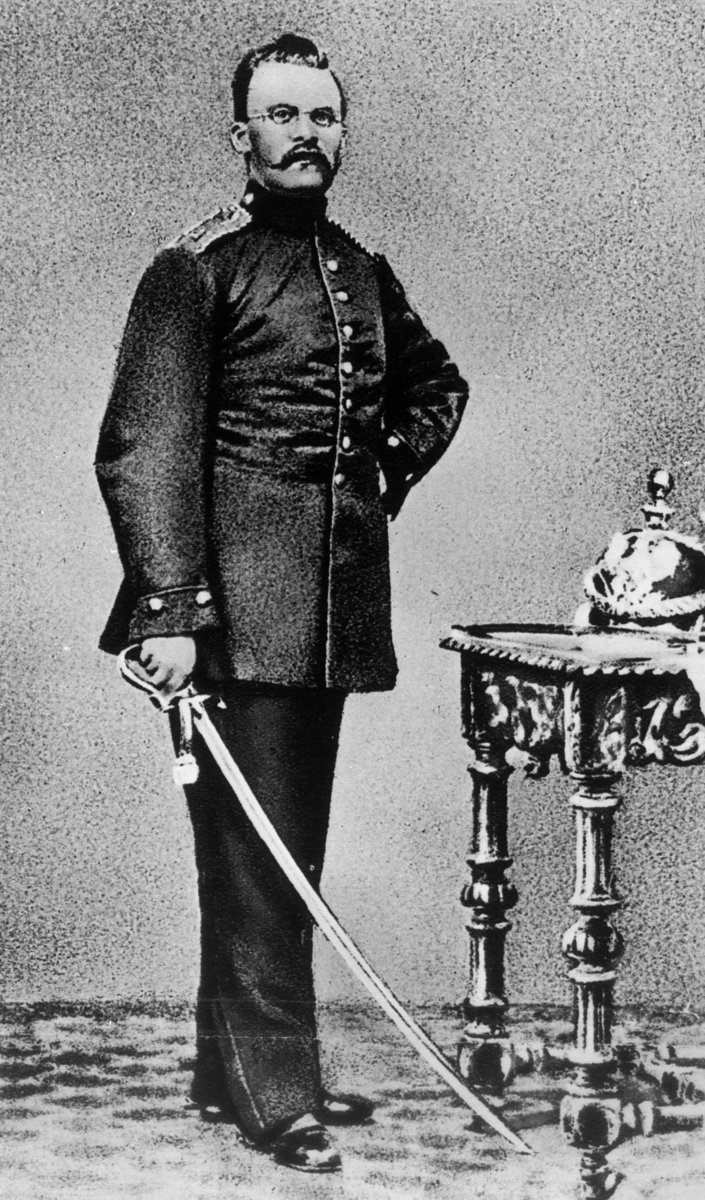
Absolutely. I have written forty-four essays, yes forty-four, on Friedrich Nietzsche, and translated or helped translate many of his works into English through presses like Arktos, Legend, and others. And still, every time I mention him, even in passing, the same plebeian reflex asserts itself on cue, the same tired distortions delivered with absolute confidence and no comprehension.
I have even written two full essays on his military service alone, and on his courage, on and off the battlefield.
I no longer respond to the chuds on Nietzsche. They are not engaging with the man; they repeat what they have been told, or what their limited intellect permits them to grasp at. Most have never read him, and many who have still fail to understand him, because his philosophy is not for everyone, nor is it meant to be, yet they judge as canaille all the same.
English
pericles_lindblom retweetledi
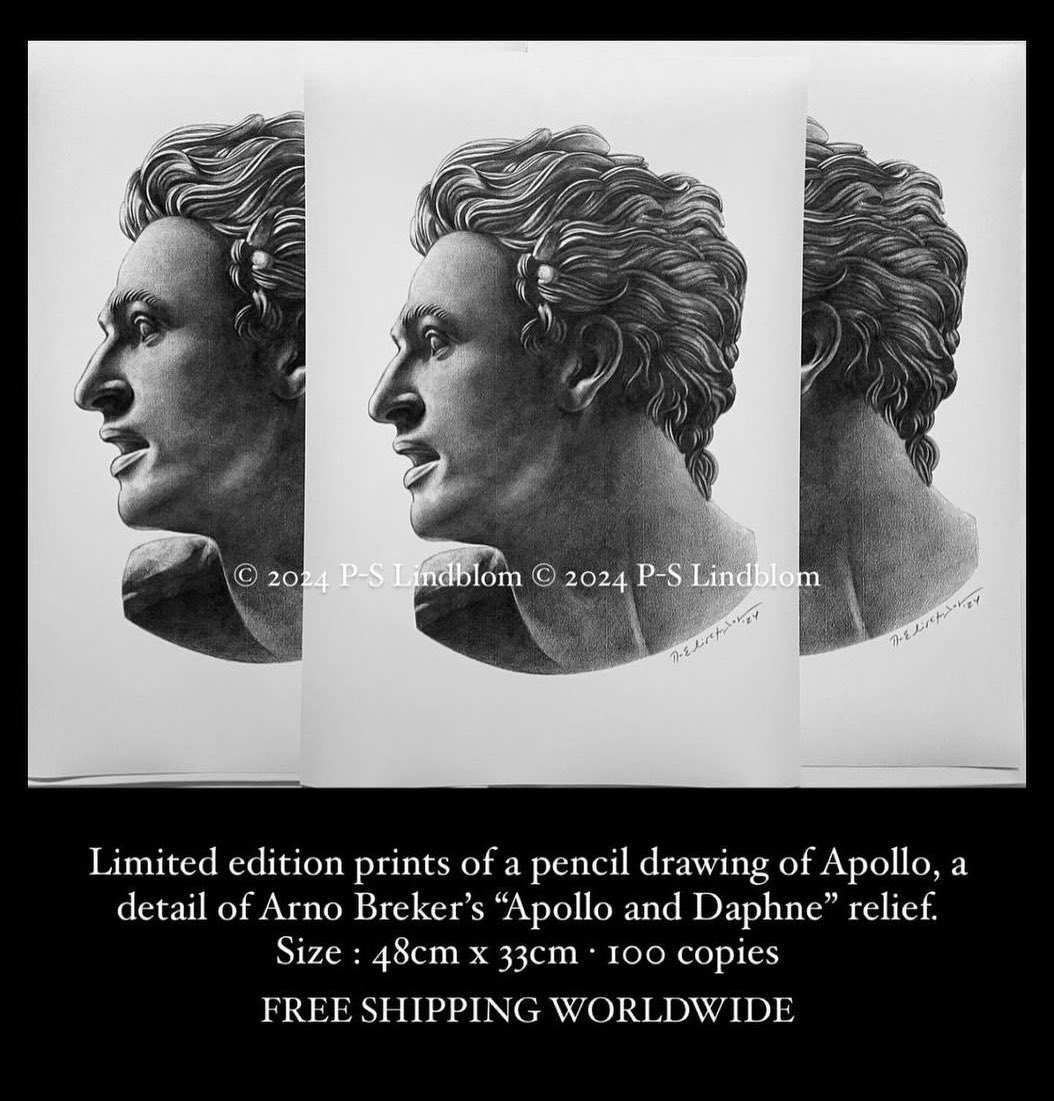
Limited edition prints of a pencil drawing of Apollo, a detail of Arno Breker’s “Apollo and Daphne” relief, 1940.
48cm x 33cm, 100 copies, FREE SHIPPING WORLDWIDE
© 2024 P-S Lindblom
DM for more details
pericleslindblom.com/artworks/apoll…
English
pericles_lindblom retweetledi
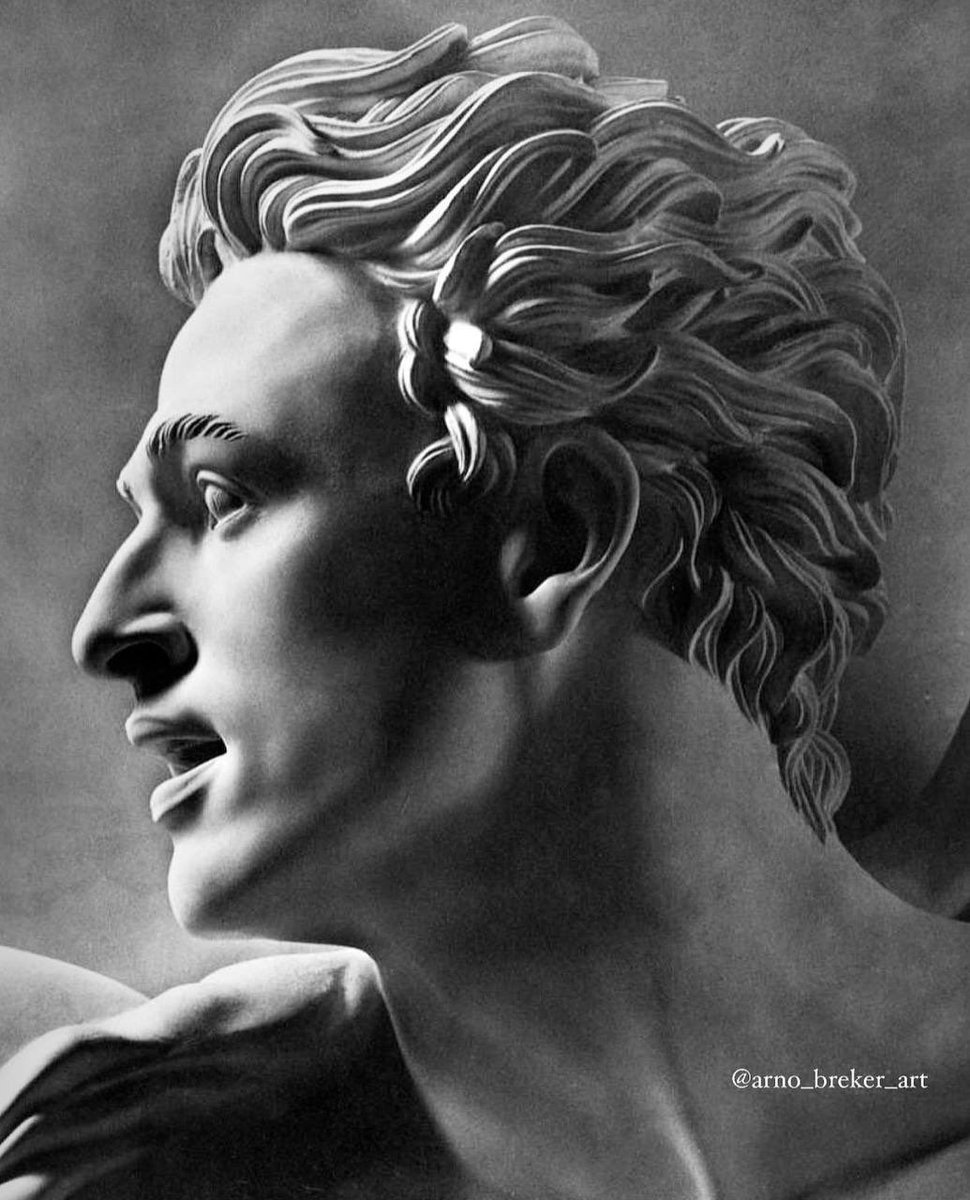
A detail of Apollo from the “APOLL UND DAPHNE” (APOLLO AND DAPHNE) relief sculpture, 1940.
From the special edition of prints of Breker’s works ; Ewald König (ed.) - Arno Breker. Lichtbilder von Charlotte Rohrbach - 1943
Photo © Charlotte Rohrbach
The nymph is chased by Apollo and is transformed into a laurel tree. Ovid, Metamorphoses I, 452–567.
Apollo and Daphne is a transformation myth. No written or artistic versions survive from ancient Greek mythology, so it is likely Hellenistic in origin.
The myth purportedly explains the origin of the laurel tree and its connection to Apollo, although “Apollo was emphatically associated with the laurel before the advent of the Daphne myth.”
Along with “Apollo and Daphne”, Breker created in total 2 mythological motif large-scale bas-reliefs. The counterpart “Eurydice and Orpheus” was created in 1944.
Created at a size of 240 cm x 285 cm x 40 cm, the plaster model was exhibited in the Great German art exhibition in Munich in 1944.
Slide 2 : Limited edition prints of a pencil drawing of Apollo, a detail of Arno Breker’s “Apollo and Daphne” relief, 1940.
48cm x 33cm, 100 copies, FREE SHIPPING WORLDWIDE
© 2024 P-S Lindblom
DM for more details
pericleslindblom.com/artworks/apoll…
Deutsch
pericles_lindblom retweetledi

pericles_lindblom retweetledi
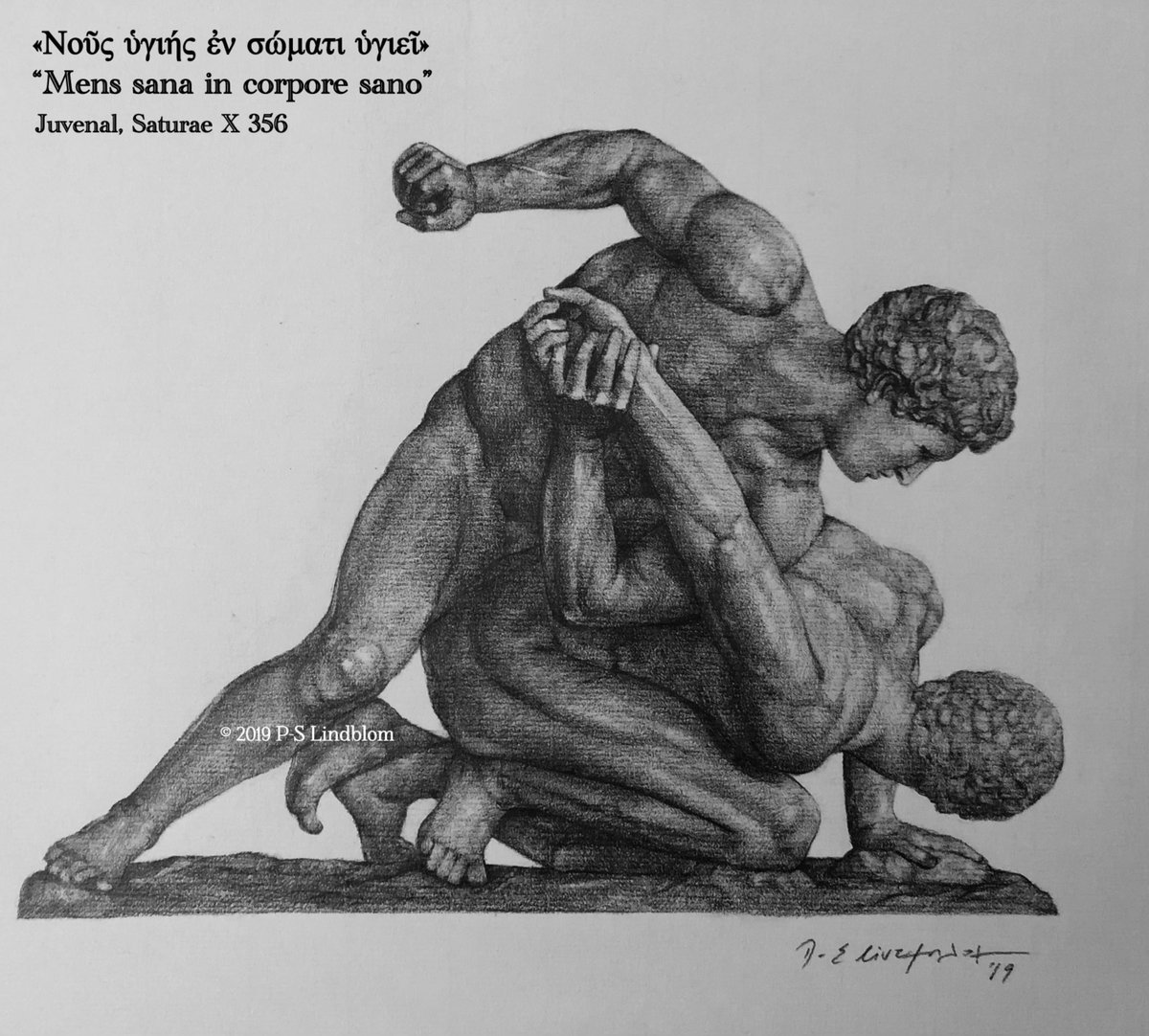
“Mens sana in corpore sano”
«Νοῦς ὑγιής ἐν σώματι ὑγιεῖ»
Mens sana in corpore sano is a Latin phrase from Saturae X of the Roman poet Juvenal (10.356). It is the first in a list of what is desirable in life: “orandum est ut sit mens sana in corpore sano” - You should pray for a healthy mind in a healthy body.
A pencil drawing of The Wrestlers (also known as The Two Wrestlers, The Uffizi Wrestlers or The Pancrastinae), a Roman marble sculpture after a lost Greek original of the third century BC. It is now in the Uffizi collection in Florence, Italy.
The two figures are wrestling in a position now known as a “cross-body ride” in modern folkstyle wrestling. The upper wrestler has his left leg entwined with his opponent’s left leg, with his body across the opponent’s body, lifting the opponent’s right arm.
In a well-known modern series of wrestling moves, the upper wrestler would now try to lift his opponent’s arm above his head to force a pinning move called the “Guillotine.” Their muscular structure is very defined due to their physical and sustained effort.
Pankration (Greek: Παγκράτιον) was an unarmed combat sport introduced into the Greek Olympic Games in 648 BC. The athletes used boxing and wrestling techniques but also others, such as kicking, holds, joint locks, and chokes on the ground, making it similar to modern mixed martial arts. The term comes from the Ancient Greek word παγκράτιον (pankrátion), meaning “all of power” (from παν- (pan-) ‘all-‘ and κράτος (krátos) ‘strength, might, power’).
However, pankration was more than just an event in the athletic competitions of the ancient Greek world; it was also part of the arsenal of Greek soldiers – including the famous Spartan hoplites and Alexander the Great’s Macedonian phalanx. It is said that the Spartans at the Battle of Thermopylae fought with their bare hands and teeth once their swords and spears broke.
All artwork © protected.
Limited edition prints available, hand signed and numbered.
48cm x 33cm, 50 copies
FREE SHIPPING WORLDWIDE
Català
He went down to Florida to get some sun on his skin and to swim in the ocean. ☀️ 🌊
He met up with his best bro. They went down to the river, took their shirts off and talked politics and religion. They drank whiskey and smoked cigars. They drank raw milk. They shot guns in the woods and ate fresh, local oysters for lunch.
He fell in love with the local barista girl at his new favorite coffee shop.
He swam and sunbathed and watched the Body Fascists rule the beach.
He instantaneously regretted boarding the flight for home.

English
March 25 1821, a Revolution that lead to the Independence of a Nation.
A pencil drawing of “The Occupation of the Salona fortress on Easter Day 1821”, after Louis Dupré.
All artwork © protected.
Limited edition prints
48cm x 33cm, 21 copies
FREE SHIPPING WORLDWIDE

English
pericles_lindblom retweetledi
A pencil drawing of The Doryphoros (Greek : Δορυφόρος “Spear-Bearer”) of Polykleitos, one of the best known Greek sculptures of Classical antiquity, depicting a solidly built, muscular, standing warrior, bearing a spear balanced on his left shoulder. A reconstruction by Georg Roemer created in 1920, unfortunately destroyed during the Second World War in 1944. Rendered somewhat above life-size, 212 cm high, the lost bronze original of the work would have been cast circa 440 BC, but it is today known only from later Roman marble copies. The work nonetheless forms an important early example of both Classical Greek contrapposto and classical realism; as such, the iconic Doryphoros proved highly influential elsewhere in ancient art. The renowned Greek sculptor Polykleitos designed a sculptural work as a demonstration of his written treatise, entitled the Κανών (or ‘Canon’), translated as “measure” or “rule”), exemplifying what he considered to be the perfectly harmonious and balanced proportions of the human body in the sculpted form. Polykleitos used distinct proportions when creating this work; for example, the ratio of head to body size is one to seven. The figure’s head turned slightly to the right, the heavily-muscled but athletic figure of the Doryphoros is depicted standing in the instant that he steps forward from a static pose. This posture reflects only the slightest incipient movement, and yet the limbs and torso are shown as fully responsive. The left hand held a long spear; the left shoulder (on which the spear originally rested) is depicted as tensed and therefore slightly raised, with the left arm bent and tensed to maintain the spear’s position. The figure’s pose is classical contrapposto, most obviously seen in the angled positioning of the pelvis. The figure’s right leg is straightened, depicted as supporting the body’s weight. The left leg bears no weight and the left hip drops, slightly extending the torso on the left side. The right arm hangs positioned by the figure’s side, bearing no load.
All artwork © protected.
Limited edition prints available, hand signed and numbered.
48cm x 33cm & 65cm x 50cm
50 copies each
FREE SHIPPING WORLDWIDE
pericleslindblom.com/artworks/the-d…

English
…the most impressive rendering he has seen and that he was “sad to see them leave his shop” because “he had been looking at them everyday”.”
All prints available on my website
🔗 in bio / pericleslindblom.com
English
A collection of my prints in a private collection in the U.S.
Extremely happy to get this message : “I also want to let you know the gentleman that owns the shop and did the framing...was soo impressed with your work. He told me he is an artist and the detail on the building is..
English