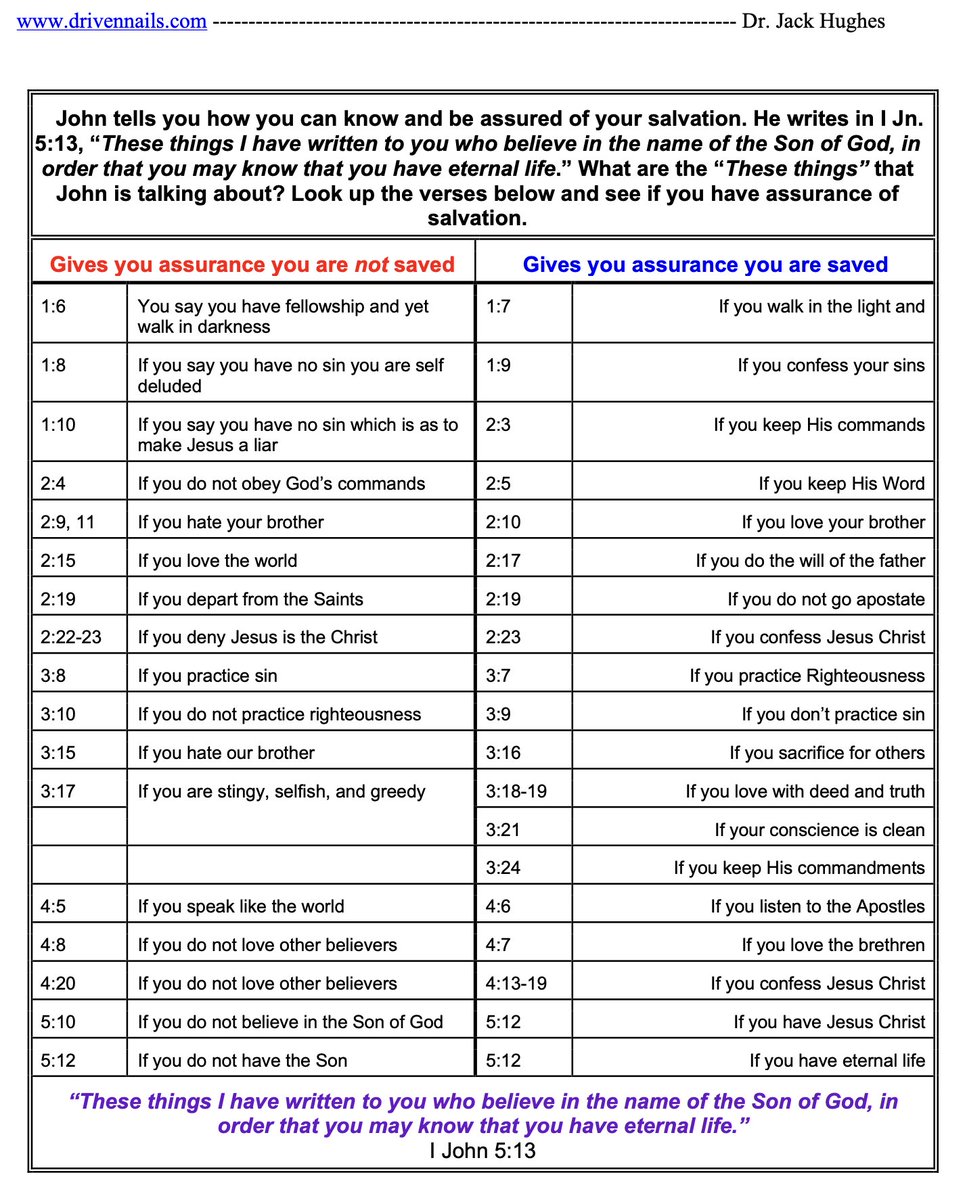
@DearS_o_n @grok are these posts self pity slop? Getting the same thing from multiple accounts
English
Pete Boere
1.5K posts

@pete_b
Been here longer than Elon


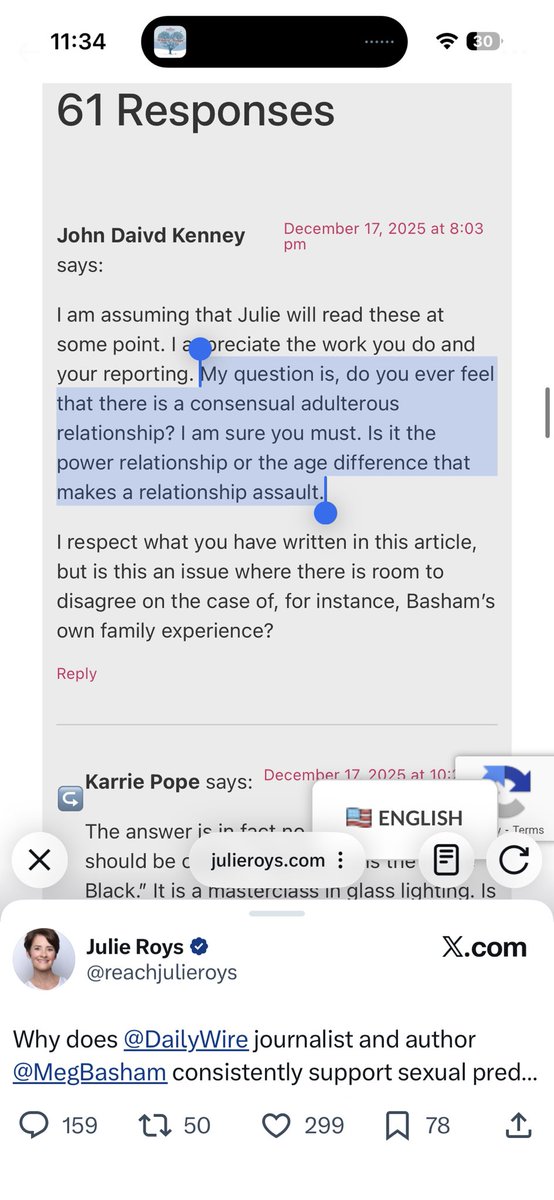
Beyond the cost and malfeasance of the Guidepost investigation, why does this abuse debate matter? I think @reachjulieroys’ response to the question of whether adultery can take place between two adults where there’s a power imbalance illustrates why this has important theological implications. Asked if she believes adultery can happen where there’s a power imbalance, she essentially says no, that adultery only happens “between peers.” If there’s a power imbalance, then it’s abuse. In her op-ed attacking me, she objected to my describing this view as Marxist. But as you can see in her response here, that’s a fair characterization. The Marxist framework views society through the lens of inherent power imbalances rooted in economic and social structures. Marx argued that the bourgeoisie hold systemic power over the proletariat, creating an exploitative, oppressive dynamic. A "power imbalance only" definition of abuse mirrors this by treating power disparity as the root cause of the harm, rather than specific harmful actions (like violence, coercion, or threats). It shifts focus from individual behavior and personal sinful choices to hierarchy. Feminist models of abuse such as the Duluth Model explicitly frame abuse as men using patriarchal power to control women. It is the very definition of Cultural Marxism in that it discounts consent, agency, and individual choice in favor of systemic power structures. I believe this is why, when discussing solutions, you will so often see the feminist me too activists say that the solution must be systemic – – women placed in roles of power like the pulpit. A biblical understanding of abuse is very different, emphasizing personal moral responsibility regardless of status. Scripture recognizes that anyone, regardless of social position, can sin or be sinned against. Jesus teaches in Mark 7:21–23 that "from within, out of the heart of man, come evil thoughts... wickedness... All these evil things come from within, and they defile a person." Abuse stems from internal corruption and willful choices, not automatically from unequal status. Humans possess free will to choose obedience or sin, even in unequal dynamics. Joseph resists Potiphar's wife's advances despite her power over him (Genesis 39); his refusal shows that the less powerful can still exercise moral agency and righteousness. Conversely, the more powerful can sin gravely, but the imbalance doesn't erase their responsibility—or excuse sin from the weaker party. The Bible stresses that all are accountable for their actions and mutual sin can occur in relationships, however imbalanced. Scripture calls everyone to repentance without presuming the "powerful" is always the oppressor. Solutions in Scripture focus on heart change through repentance and faith in Christ, not “tearing down hierarchies,” which is how JD Greear (who has also favored various forms of cultural Marxism) promised to address abuse in the SBC. So yes, this is a debate over wokeness and ideology. And the implications for women’s souls and how they are shepherded could not be higher.