

Peter
416 posts

Peter retweetledi

William Osler (1905) remind us not to listen too closely to the chronic complainers in medicine, as “there are such in every calling” and the source of discontent usually comes from within.

English
@rbarbosa91 @doctimcook Where is this written? I would like to read it entirely!
English
Peter retweetledi

The original Cormack and Lehane paper
-widely cited
-but how well do you know it?
Tim Cook@doctimcook
Most means more than half. So for POGO it’s anything >50% It’s a common misconception that grade 1 means ‘full view of the cords’ The C&L grading is more often incorrectly quoted then correctly quoted in papers The original Cormack and Lehane paper had multiple issues. pubmed.ncbi.nlm.nih.gov/6507827/ One is that thee are no data and wildly inaccurate (overoptimistic) estimates of how infrequent Grade 3 & 4 views are. Estimate grade 3 1:2000 and grade 4 <1:100,000. These are fanciful: grade 3 is 5.8% The second is that the images of grades don’t match the text description. This includes that in the Grade 3 image posterior laryngeal structures are clearly visible The third and final problem with the C&L paper is that the grades don’t correlate with increasing difficulty with intubation. Difficulty increases -mid grade 2 (need a bougie) -in grade 3 if you can’t lift the epiglottis (need to do something fancy) This is resolved by the practical grading published in 2000 by some whippersnapper upstart …-publications.onlinelibrary.wiley.com/doi/full/10.10… In summary The paper has no data The estimates of incidence are wildly inaccurate The scale is imprecisely described The scale is very poorly remembered and quoted The scale is of very limited practical value Apart from that it’s great… @Anaes_Journal @dasairway
English

Air France flight AF1380
CDG- LHR
Squawking 7700 (emergency)
Track here 👉 airnavradar.go.link/bSXsu
@AirNavRadar

English
Peter retweetledi

Peter retweetledi

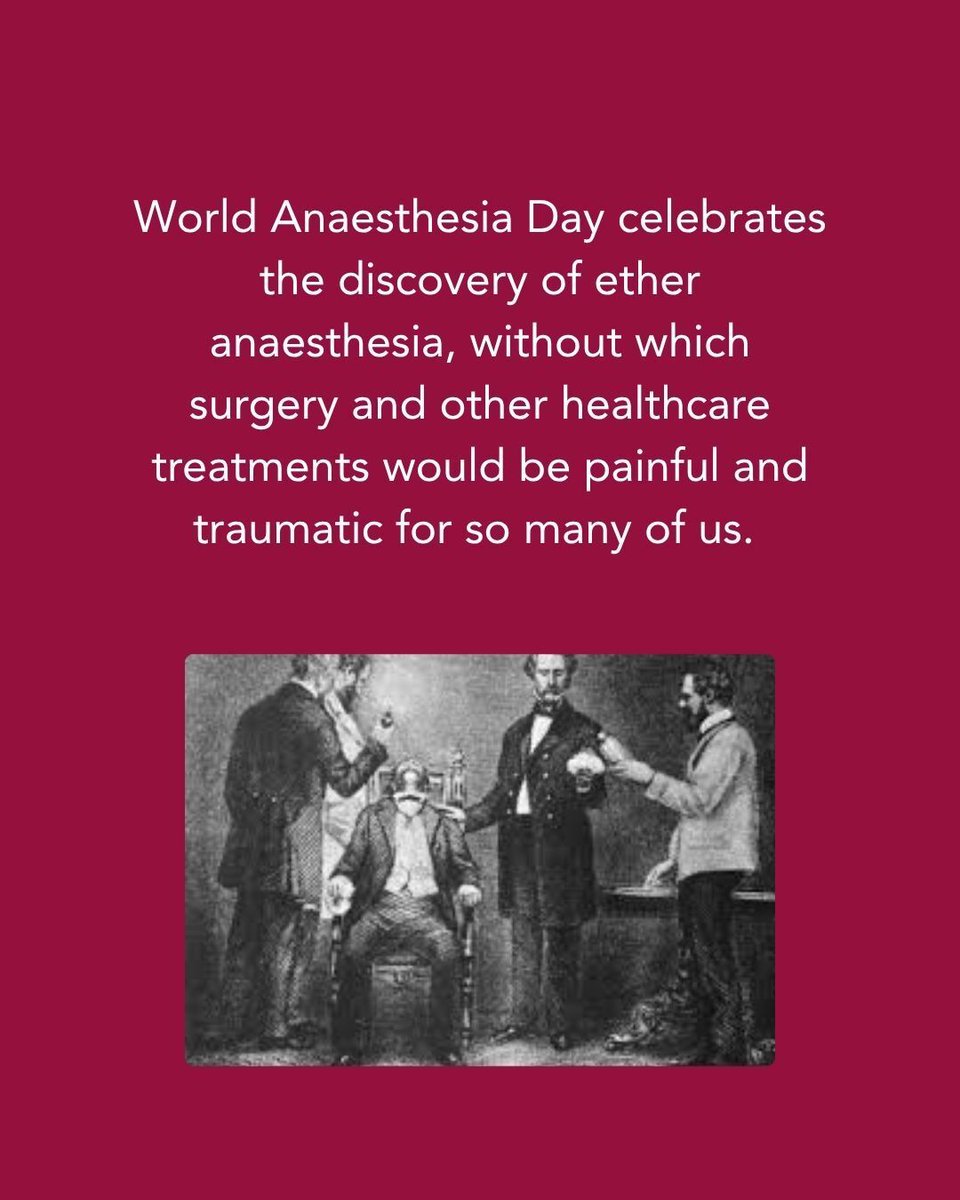
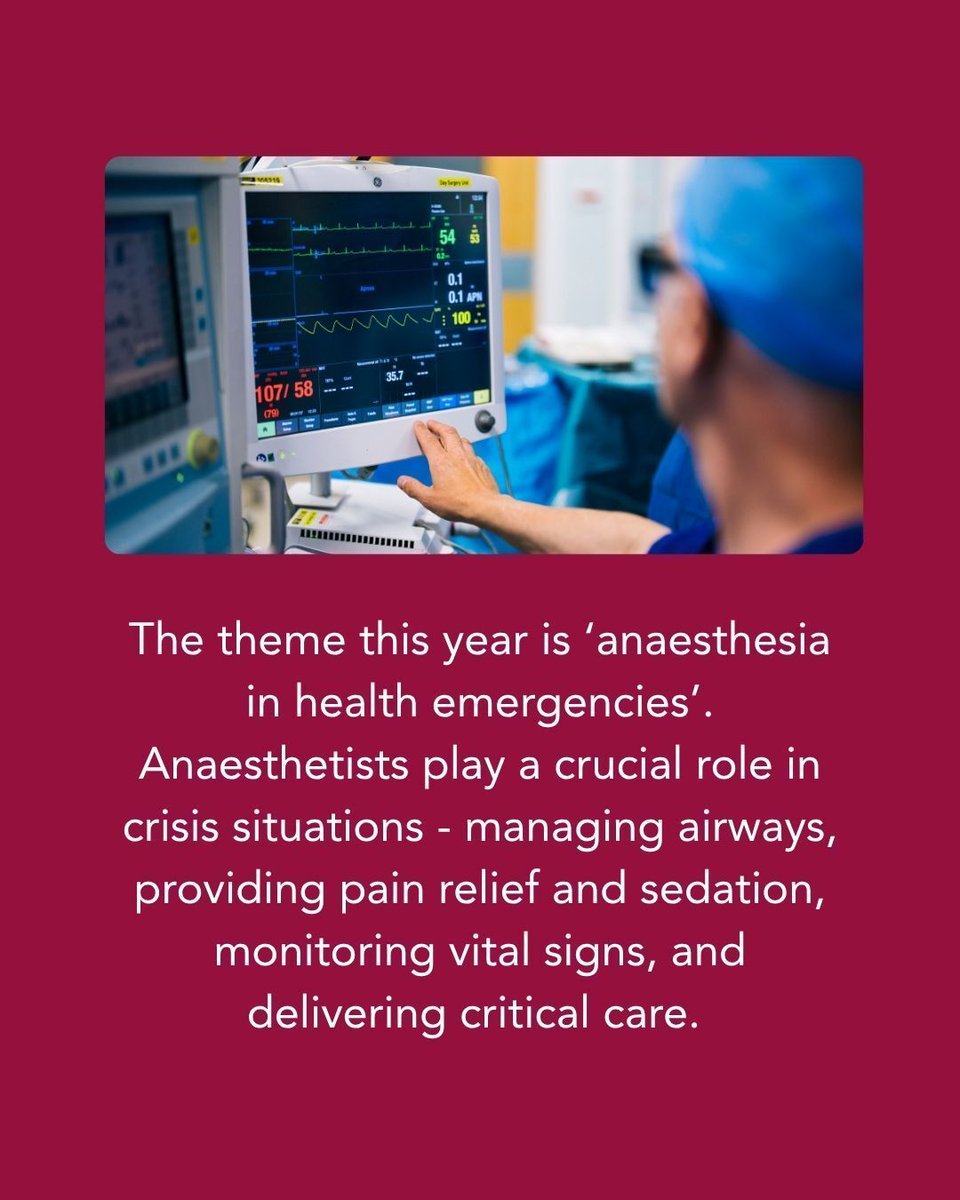
“In an emergency, every second counts.” 💙
This #WorldAnaesthesiaDay, Federacion Argentina de Asociaciones de Anestesia, Analgesia y Reanimacion (FAAAAR) reminds us of the skill, empathy, and commitment behind every safe surgery.
#WAD2025 #Anaesthesia
English
Peter retweetledi
The stylet should NEVER pass the glottis. ALWAYS withdraw it as the TT is advanced
Tube passage improved by
- proper head and neck positioning (most often neglected)
- small tube (6.6.5 ID)
With this difficulty is very uncommon
Additional options
- soft tip tube
- 180 degree rotation so TT curve aligns with anatomical curvature
In practice it simply should not be a real problem
GIF
English
Peter retweetledi

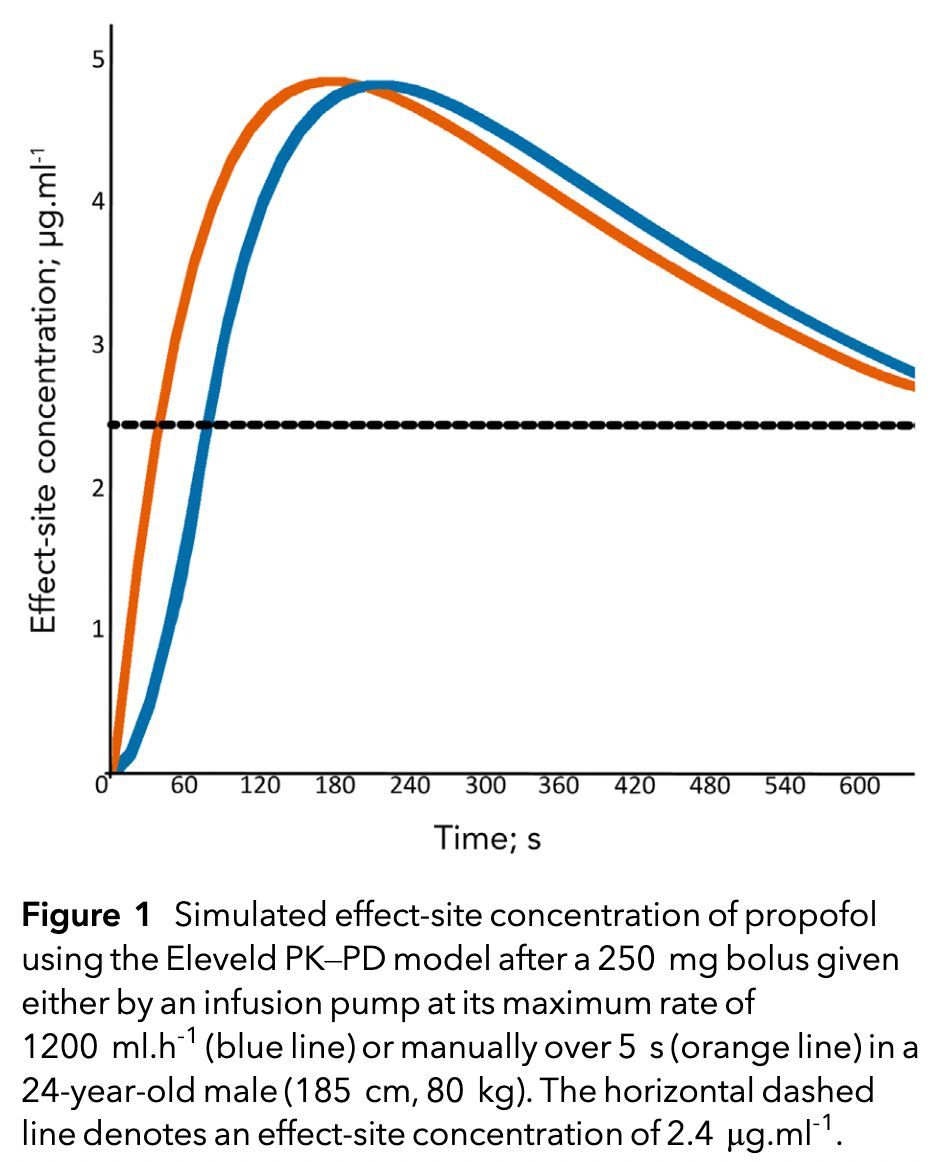
Total intravenous anaesthesia (TIVA) for rapid sequence induction (RSI)
Worried your TIVA infusion is too slow for RSI?
Why not work with your local manufacturer to develop an ‘RSI-TCI’ mode for your target-controlled infusion pumps?
#anaesthesia #MedTwitter #pharmacology
doi.org/10.1111/anae.7…
English
Peter retweetledi
Are you looking for some practical advice for implementing videolaryngoscopy for all intubations?
Look no further!
#anaesthesia #MedTwitter
@Fionafionakel @doctimcook
doi.org/10.1111/anae.1…


English
@MedgibbonsCathy @Anaes_Journal Neither me. Can't understand why so many collegues still do it, event for a short term cath. A nobrainer.
English

@Anaes_Journal Statlock all the way - haven’t sutured a CVC in years !!
English
What sutures should we use to secure central lines?
Surgical practice guidelines suggest antimicrobial-coated monofilament sutures may be better than silk.
What do you think?
#anaesthesia #surgery #medicine
buff.ly/Hd7iSVp

English
@Anaes_Journal No sutures anymore. Statlock, or Securacath as we do for PICC.
English
Peter retweetledi
Flowchart of diagnosis, management and patient outcomes for central venous catheter-related arterial trauma incidents
#anaesthesia #medicine @intensiveperson
buff.ly/4kbds1u

English
Peter retweetledi

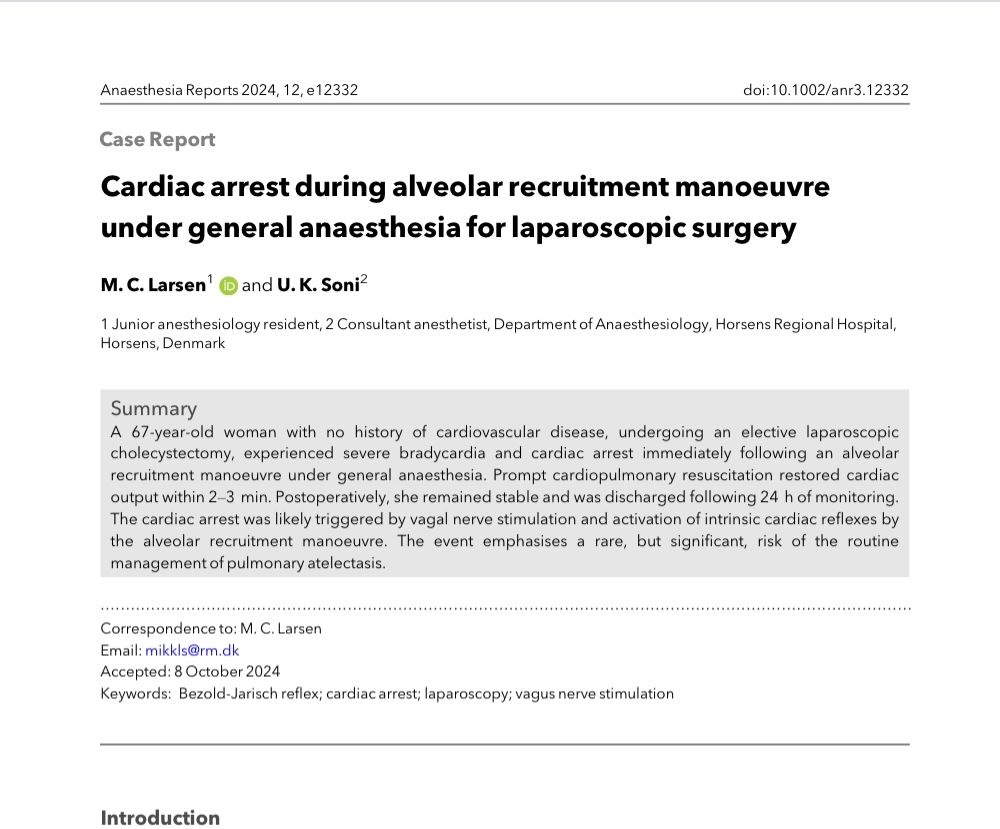
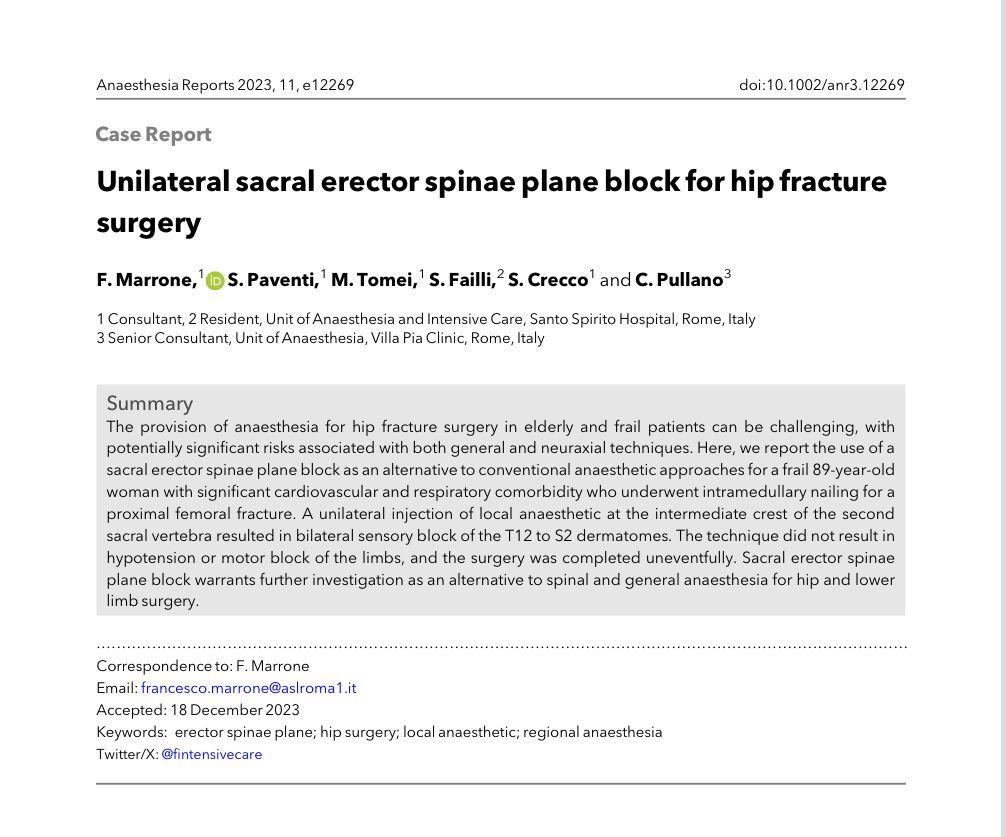
In at (a joint) Number 5 of our most read articles of the year are:
Cardiac arrest during a recruitment manoeuvre
buff.ly/404rg5V
AND: Unilateral erector spinae block for hip surgery
buff.ly/4go3fw7
@fintensivecare #anaesthesia #FOAMEd #Regional #anesthesia
English
English
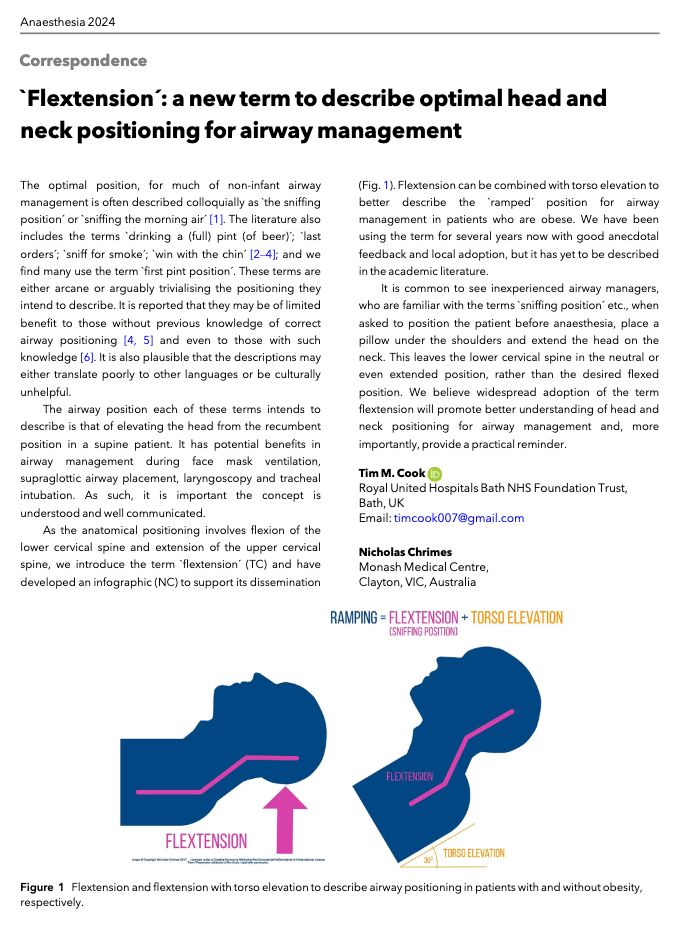
How do you describe the position you put a patient in for intubation?
• 'the sniffing position’?
• 'win with the chin'?
• 'first pint position'?
@NicholasChrimes & @doctimcook propose a new term - 'flextension'.
Your thoughts?
#AnSky #MedSky #AirwaySky
buff.ly/4eSw2Yo
English
Peter retweetledi
Cardiac arrest after a lung recruitment manoeuvre during anaesthesia.
Has anyone else had this happen?
This interesting case report is #openaccess #anaesthesia #anasthesia #FOAMed
…-publications.onlinelibrary.wiley.com/doi/full/10.10…

English
Peter retweetledi

Verurteilung einer ehemaligen Zivilangestellten im Konzentrationslager Stutthof rechtskräftig bundesgerichtshof.de/SharedDocs/Pre…
Deutsch