Visiting the Florida Gulf coast next week. I'll be spending a little time in the areas of Fort Myers, Sarasota-Bradenton, and St. Petersburg-Tampa.
Recommendations welcome. ☀️
Sorry to hear you’re stuck on a plateau with an A1C of 7.1, that’s frustrating.
Some people have advanced metabolic damage and insulin resistance that diet alone can’t fix quickly. In those cases, working closely with a doctor (and possibly medication) is often necessary alongside dietary changes.
A practical approach centers on large animal protein/fat meals with light foraging on small amounts of berries, greens, other plants or a small animal protein/fat snack (hard boiled egg for example) to support gut health and fill nutrient gaps, while keeping insulin low. Don’t eat to fullness between big meals, just enough satiate hunger. Spreading those large meals further apart (up to 30+ hours using foraging or fasting in between) can help break stubborn insulin resistance.
Fixing long-term damage is a slow process. You didn’t get here overnight, and full recovery won’t happen overnight either. Progress gradually, monitor your glucose closely, and prioritize safety.
As always, talk with your medical professional.
Great points, Gary.
For those with insulin-resistant fat cells, 16 hours often isn’t enough for deep lipolysis to kick in. Extending that window is usually needed to break the resistance and get the fat cells metabolically active again.
The natural dinner-to-breakfast fast is an easy way to start. Slowly push dinner earlier and breakfast later in the day. Making both meals no-carb animal protein and fat helps keep insulin lower and supports the reset.
If you finished dinner by 7 PM last night and skip breakfast until 9 AM, you just completed a 14-hour fast.
No extreme discipline. No starvation. Most of it happened while you slept.
Here is what occurred in that window.
Insulin dropped to its lowest point of the day. Fat burning switched on. Autophagy began clearing damaged cellular debris. Growth hormone spiked overnight.
You do not need a 72-hour fast to get the benefits.
A consistent 12 to 16 hour window is enough to shift your metabolism, improve insulin sensitivity, and activate your body's repair systems.
I mostly agree with Sama here.
A vegan diet requires a laundry list of supplements, while a truly carnivorous diet has far fewer gaps. Small amounts of fruits and vegetables can help bridge those gaps based on their nutrient profiles to reduce the need for supplements.
For vitamin C, you have three realistic options:
A) Supplements
B) Eat about 800 grams (1.75 lbs) of raw liver daily (much of it is destroyed when cooked)
C) One medium red bell pepper
I’ll take option C.
This is the core pattern of what I call the Darwin Diet: a large, stand-alone animal protein and fat meal, followed by light foraging of small handfuls of berries, greens, or limited nuts, never to fullness, to stave off hunger until the next animal meal.
Fermented foods are also a great modern substitute for the naturally rotting material our ancestors ate to maintain a healthy gut microbiome.
Things vegans say:
"The diet is complete and natural."
Things vegans must take to avoid neurological damage:
- B12 (synthesised in a bacterial fermentation tank in Germany)
- Vitamin D3 (typically derived from lichen because the animal version is forbidden)
- Iron (because plant iron has the bioavailability of a sealed envelope)
- Zinc (because phytates bind it in your gut and remove it before you can use it)
- Omega 3 (algae oil, factory grown, shipped frozen across oceans)
- Iodine (because nothing growing on land reliably contains it)
- Calcium (because the calcium in spinach is bound to oxalates and you can't access most of it)
- Creatine (or your cognition takes a measurable hit)
- Taurine (or your retina starts complaining)
- Carnosine (good luck synthesising it)
A diet that requires a chemist to assemble it in a laboratory before it becomes survivable is not, by any reasonable definition, the natural state of the human animal.
It is the cosplay version of eating.
🚨 CRUISE SHIP FROM HELL: 3 DEAD, HANTAVIRUS CONFIRMED ABOARD LUXURY MV HONDUS – How Did a Rodent-Borne Killer Board an Expedition Vessel in the Middle of the Atlantic? ⚓️☠️🩺💉⚕️🔥
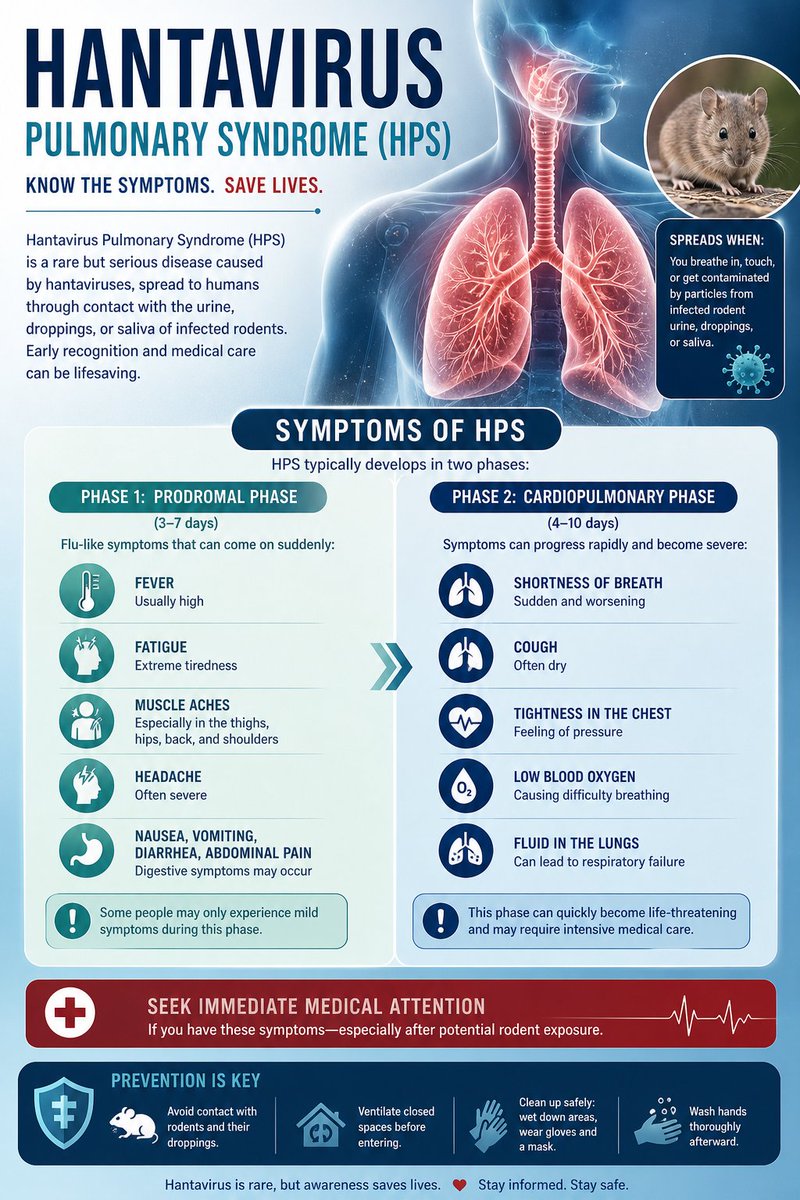
Three passengers are dead. One confirmed hantavirus case (a 69-year-old UK national now fighting for life in a Johannesburg ICU). Five more suspected. Two crew symptomatic. The sleek polar explorer MV Hondius — flagship of Oceanwide Expeditions, fresh from Ushuaia, Antarctica, and the Falklands — is now anchored off Cape Verde, denied full docking. Public risk “low,” says WHO. 🤡 But they cannot identify the source and transmission mechanism? Still unexplained.
Hantavirus Pulmonary Syndrome (HPS) isn’t some exotic lab leak — it’s a classic zoonosis, aerosolized from rodent urine, feces, and saliva. Fatality rate ~38% in the Americas. Incubation 1–8 weeks. No person-to-person spread in most strains. So how does this virus — endemic to South American rodent reservoirs — suddenly ignite mid-ocean on a “state-of-the-art” expedition ship? Stowaway mice from Patagonia ports? Poor pest control in luxury cabins? HVAC systems turning invisible “rodent dust” into a deadly mist? Or a biosecurity blind spot the entire cruise industry has ignored since COVID exposed how fast confined spaces amplify threats?
This isn’t just tragic. It’s a scholarly red flag for maritime biosecurity in the 21st century: remote expedition cruising meets ancient rodent-borne killers. The Hondius route map tells the story — from the wilds of Tierra del Fuego straight into the open Atlantic.
Watch this raw passenger statement from onboard (a vlogger speaking for families trapped in uncertainty): they’re not “just a story” — they’re people desperate for clarity, safety, and home. The ship has begun rationing food and beverages. The fear is palpable.
The cruise industry sells “adventure without risk.” Reality just delivered a lethal reminder: nature doesn’t do marketing. Demand full transparency on pest logs, ventilation protocols, and port inspections — NOW.
Biosecurity isn’t optional at sea. It’s survival.
#HantavirusOutbreak#MVHondius#CruiseShipNightmare#ZoonoticThreat#BiosecurityFail#RodentVirusAtSea#AtlanticHorror#WHOAlert#ExpeditionCruise
(Share if you value truth over tourism spin. Eyes open, passengers — the next voyage could be yours.)
@thegarybrecka 10 for me. On the tail end of a now 39 hour fast. Getting ready to workout and have a nice big animal protein and fat meal to end the fast.
On a scale of 1 to 10, how would you rate your energy today?
Not your mood. Not your productivity. Your raw physical energy from the moment you woke up until right now.
If you are consistently below a 7, that is not normal. That is a signal.
Your body is telling you something is missing...
Sleep quality. Nutrient deficiency. Hormonal imbalance. Chronic inflammation.
A few more quick tips (hopefully not repeating things you already know):
Once you cut open a fruit or vegetable, freeze whatever you don’t eat right away.
Most frozen vegetables are actually lower in histamine than “fresh” produce in stores. They’re usually blanched and flash-frozen shortly after harvesting, which stops microbial activity that raises histamine levels.
@Pier_Lauri@Syracusemiami@thegarybrecka Ideally, yes. Unfortunately, life throws curve ball all the time. If you have an extremely hectic workweek, prepping and freezing is the safer alternative to trying to find something low histamine on the run.
The single best thing you can do for your nutrition this week takes 60 minutes today.
Prep your proteins...
Cook 2 lbs of ground beef or chicken thighs.
Hard boil a dozen eggs.
Portion out Greek yogurt containers.
Wash and cut your vegetables.
That is it.
When protein is ready to eat, you eat protein. When it is not, you reach for whatever is convenient, and convenient is almost never optimal.
60 minutes of Sunday prep eliminates 5 days of poor decisions.
Start before 3 PM while you still have the energy.
I mostly agree. My apologies to my fully carnivorous friends, but humans are flexible omnivores by design.
Our large intestine is built to ferment small amounts of fruits, greens, and other plant matter. This process supports gut health, nutrient absorption, and produces beneficial short-chain fatty acids.
There are also essential vitamins and nutrients in plants that we can’t get in proper quantities from a pure carnivorous diet. (Feel free to eat over 1.5 pounds of raw beef liver daily for your vitamin C, I’ll stick with a red bell pepper.)
This is the core pattern of what I call the Darwin Diet: a large, stand-alone animal protein and fat meal, followed by light foraging (small handfuls of berries, greens, or limited nuts) never to fullness, to stave off hunger until the next animal meal.
Fermented foods are a great modern substitute for the naturally rotting material our ancestors ate to maintain a healthy gut microbiome.
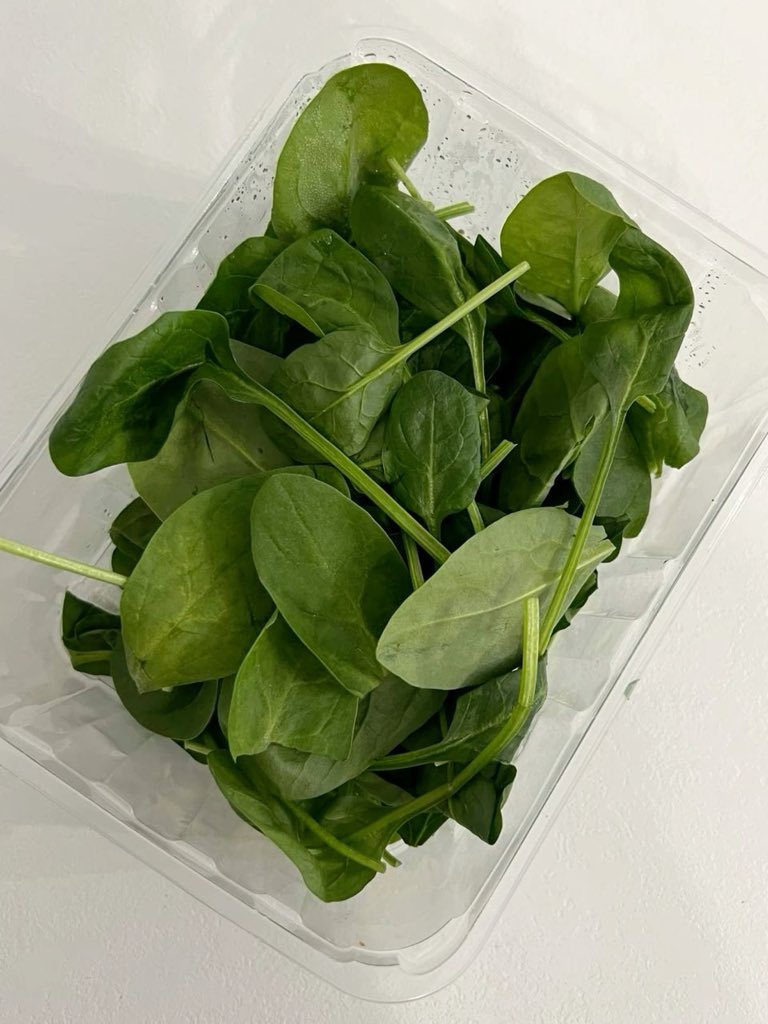
A “healthy” green smoothie sent a woman to PERMANENT DIALYSIS — IN JUST 10 DAYS.
Biopsy showed her kidneys had been crystallizing themselves TO DEATH.
it’s called acute oxalate nephropathy.
raw spinach → 500-1,000mg oxalate per serving → plasma oxalate 3x → crystals deposit in kidney tubules → kidneys fail.
a single 100g serving pushes urinary oxalate to levels seen in primary hyperoxaluria — a genetic kidney disease.
you don’t have the disease. your smoothie produces the same urinary load.
three peer-reviewed cases. AJKD, Cureus, Case Reports in Nephrology. all on dialysis. all from green smoothies. all had risk factors — gastric bypass, CKD, diabetes. their kidneys were functioning when they started.
if you take NSAIDs daily, are diabetic, have had a kidney stone, or have had gastric bypass — you’re closer to the edge than you think.
your dietitian will tell you to eat more greens — I won’t.
📉👶 Birth rates across many developed countries, including the United States, have been steadily declining for years. Recent CDC data shows U.S. fertility rates remain near historic lows, while countries around the world are sounding alarms over shrinking populations and aging workforces.
One positive trend? Teen pregnancy rates have dropped dramatically over the last two decades. That means more young people are finishing school and planning their futures. 🙌📚
But overall, fewer adults are having children and experts point to many reasons:
💰 Rising cost of living
🏠 Expensive housing
👩💼 Career pressures
🍼 Childcare costs
⚖️ Delayed marriage and family planning
🏥 Access to abortion and birth control
No matter where people stand politically, the numbers show fewer babies are being born. A smaller future workforce could create challenges for economies, retirement systems, healthcare, and long-term growth. 📊🌎
At the same time, families and communities are the heartbeat of society. ❤️ The future will depend on creating a world where people feel financially and emotionally secure enough to raise children if they choose to.
#BirthRates#FutureGenerations#EconomicTrends
I mostly agree, but humans are flexible omnivores.
Our gut is designed for both animal protein/fat and light plant foraging. Non-animal foods helped bridge the gaps between large carnivorous meals. Our ancestors typically ate big protein/fat feasts followed by small amounts of fruits, greens, and limited nuts — never to fullness, just to sustain them until the next kill.
Fermented foods are a great modern substitute for the naturally rotting material they once ate to maintain a healthy gut microbiome.
People love to say humans are omnivores like it settles the argument. Have a bit of everything, balance is key, the spectrum is wide, who's to say really.
Fine. Let's not say. Let's open the bonnet and look at the engine.
Two diets. Same human. Let's check the equipment.
Stomach acid:
Human pH 1.5. Lower than most carnivorous birds. Equivalent to scavengers. Strong enough to dissolve raw bone fragments and kill the bacteria on flesh several days dead.
True herbivores: pH 4 to 6. Designed for plant fermentation. Couldn't kill a salmonella infection on its best day.
Gut length:
Human: short. Roughly 4.5 times body length. Ideal for digesting concentrated, easily absorbed animal foods.
Herbivores: 10 to 12 times body length. Built for slow plant fermentation in vast hindgut chambers we do not possess.
Teeth:
Forward-facing eyes for hunting, canines for tearing, incisors for biting flesh.
Herbivores: side-mounted eyes, flat molars, no canines, jaw moves laterally to grind cellulose.
Brain:
Built on long-chain omega-3s, cholesterol, and saturated fat. Available in concentration only from animal sources.
Tripled in size during the Pleistocene, the exact period our ancestors became apex predators.
Required nutrients:
B12, retinol, K2, heme iron, taurine, creatine, carnosine, EPA, DHA. None available in plants. All available in animals.
Historical record:
Every traditional culture, in every climate, on every continent, ate animals. The variation was in which ones.
Vegan civilisations: zero. Across ten thousand years of recorded human history. Not one.
The conclusion writes itself.
We are facultative carnivores. We can stretch. We cannot pretend.
You are NOT “starving”!
There are around 3,500 calories in a single pound of human adipose tissue, along with a supply of fat-soluble vitamins and nutrients. Our physiology evolved to handle extended periods without food. Days or even weeks of scarcity were common for our ancestors. (And no, I’m not advocating weeks-long fasting.)
A good portion of the hunger drive is chemically induced by fat cells. Insulin-resistant adipose tissue sends false “starving” signals to the brain even when the body has plenty of fuel.
Gradually working up to 24–48 hour fasting windows helps break that insulin resistance and restore proper metabolic function.
@kidnapperhunter@thegarybrecka The can of sardines is a perfect no-carb animal protein/fat combo. It gives you steady energy with minimal insulin response. Great choice!
@thegarybrecka I've discovered that just one can of sardines at 9 a.m. will now carry me until 11:30-12:00 when I eat my first meal. Beginning to really enjoy the 14-hour fast...
Apologies in advance that this is a bit long, but histamine sensitivity and MCAS aren’t simple topics.
Both conditions are tied to the immune system, with many triggers: stress, infections, medications (especially antibiotics and vaccines), and other factors. The response often circles back to the gut and the omentum (the part of your adipose tissue that acts as the first line of defense in the gut).
A few practical things that can help calm histamine and mast cell responses:
Stop eating and drinking (except a small amount of water) 3 hours before bed. This limits residual histamine activity, lowers cortisol during early sleep, and supports deeper restorative rest.
Start your day with a well-tolerated animal protein and fat meal. If pan-frying, try beef tallow, it’s one of the least reactive cooking fats. This sets up a low-insulin, low-histamine start to the day. Insulin resistance and histamine intolerance create a vicious circle.
Consider an exclusion diet to identify and remove food stressors.
Restore your gut microbiome. Normally I’d recommend kimchi, sauerkraut, or other fermented foods, but they are high in histamine. Use a good pre- and probiotic supplement instead.
Reduce stressors when possible. Mental and physical stress are major triggers. Keep workouts gentle (walking is often best early on) and find ways to ease mental stress.
This doesn’t have to be a forever condition. The immune system can often be retrained to stop overreacting to normal stimuli.
As always, consult your medical professional before starting any new protocol.
@phightbigpharma@Syracusemiami@thegarybrecka Very, very interesting. Thank you. I have this condition. Dried fruits set it off or anything containing Sulphur Dioxide. Has been the bane of my life for the last 8 years. I wonder why it developed suddenly after not having any allergies or sensitivity before. I live in 🇬🇧
Histamine levels in food build over time due to natural microbial activity; the fresher, the better.
For anyone on a low-histamine diet or with MCAS, avoid refrigerated leftovers whenever possible. If you’re not eating something right away, freeze it immediately after cooking. Freezing drastically slows histamine production. Even “low-histamine” foods can become problematic in the fridge.
Be honest:
What the most physically painful thing you’ve ever survived?
For me, 2 babies with no meds, racing 5 stages in Belgium on a bicycle with 2 broken ribs and most recently, 13 weeks post op from rotator cuff & biceps tendon reattachment….,
You?