Congratulations @brookwardana OAM an inspiring teacher, lecturer & instructional coach whose impact on education has been recognised with a Medal of the Order of Australia today for her services to Early Childhood Education. @ShapingmindsAus@fogartyedvance
@edulorechris We have implemented it this year Chris, unsure of what the data is looking like. Students enjoy it and have mentioned improvements in spelling. We run it 3-6. It has helped with routine and structure for students first thing each morning.
Is there any school that has implemented Spelling Mastery successfully that can share any data? I’ve heard great things but would love to see some data to back it up.
Today, we held our third staff meeting using this new structure, which includes instructional rehearsals. This time, our focus was on refining our pair-share routines. We had valuable discussions, sharing ideas on how to fine-tune our routines for even greater effectiveness.
Announcing 'Assessment and Reporting in Primary English'. Many schools are on an improvement journey, particularly when it comes to reading & writing assessment, curriculum & instruction. Register your interest for this practical series running in Sem 2: forms.gle/rvH7M2EqajNAWk…
ANYONE can start a vending machine business with:
• $0 down
• No license
• No experience
So I created a complete course that shows you exactly how to do it.
• Like this
• Comment "Course" & I'll DM you the entire thing
*Must follow, 24 Hours Only*
Passive income is your key to freedom.
I make 6-figures a year while I sleep.
So I created a Full-Guide with the 10 best passive income streams you can start right now.
• Like this
• Comment "Free"
& I'll DM you the guide.
*Must Follow, 24 Hours Only*
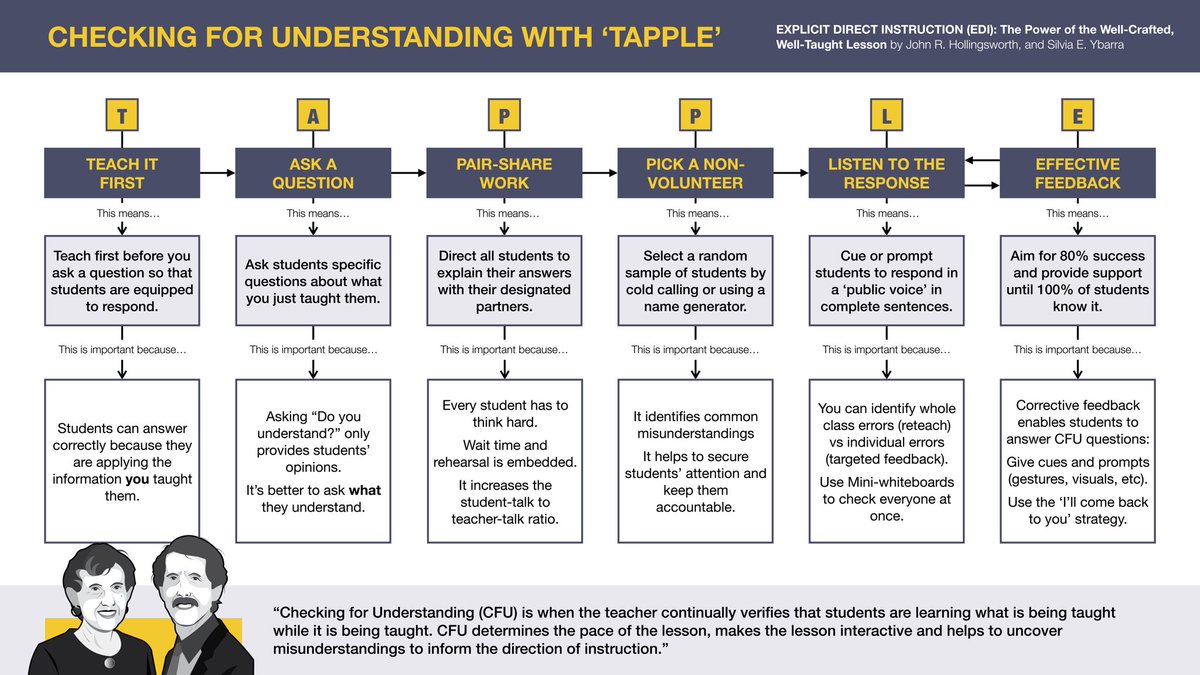
Highly recommend ‘Explicit Direct Instruction (EDI)’ by Hollingsworth, and Ybarra. The ‘TAPPLE’ acronym they introduce is ingenious for memorising their steps for Checking for Understanding. Designed this diagram to show just how interactive EDI is…
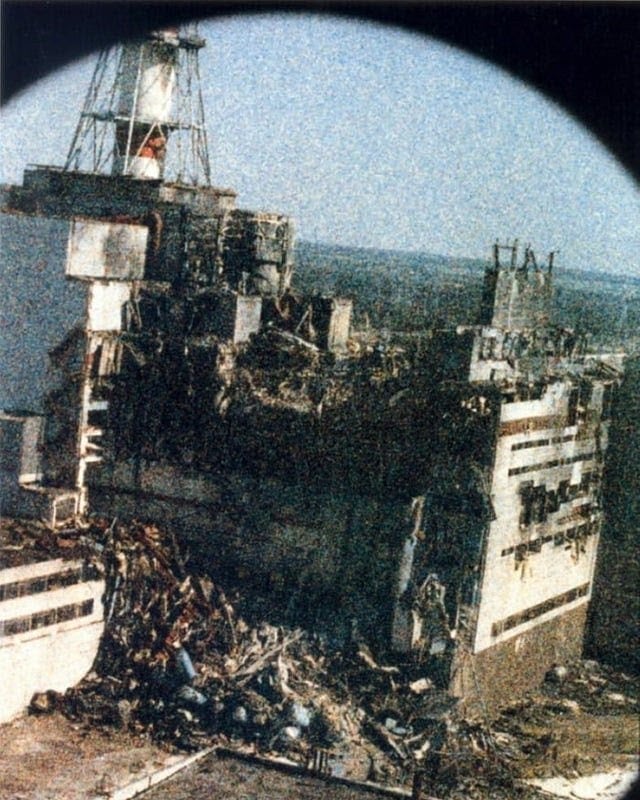
This is the first image captured of Chernobyl, taken 14 hours after the explosion on April 26, 1986.
The photo was snapped from a helicopter assessing radiation levels over the disaster area.
The image is grainy due to the intense radiation in the air, which began damaging the camera film as soon as it was exposed.
Igor Kostin, the photographer, found that the radiation affected his camera's motors after about 20 photos.
When he processed his films, only the image above was usable.
All other photos, affected by high radiation levels, came out completely black.
Kostin's visit to Chernobyl was not legal or approved by the authorities. The incident's news was largely hidden.
However, Kostin was later given permission to photograph the disaster site, the evacuation of residents in Pripyat, and the 30 km zone around the power plant.
His images helped reveal the catastrophe to the world.
Despite his closeness to the site, Kostin did not receive deadly amounts of radiation.
He died in a car crash in 2015 when he was 78.
@pizzlemckenzie@Brad_Nguyen_ Acadience is all saved and ready to go. I was going to trial it with our year 2 class but just haven’t quite gotten to reading the manual yet!