

Hrishitha
1.9K posts

Hrishitha retweetledi


Hrishitha retweetledi


Hrishitha retweetledi

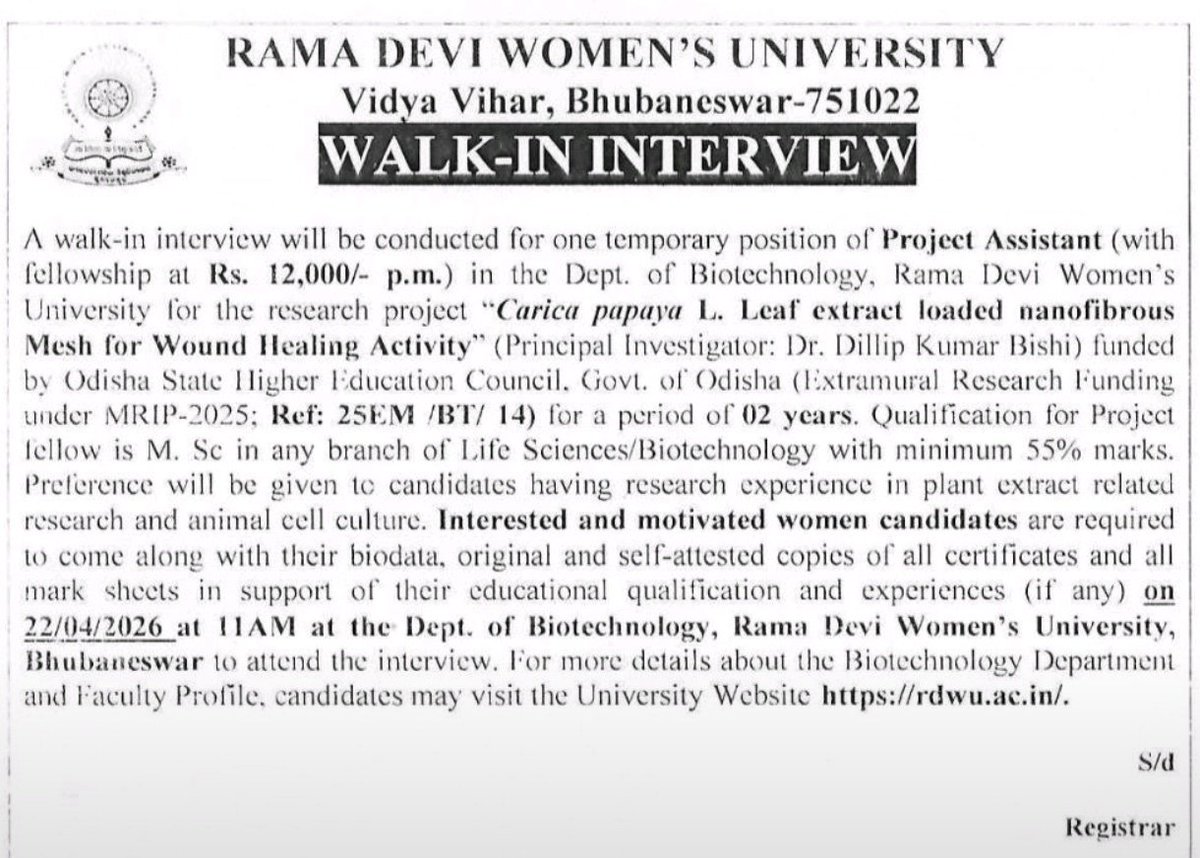
Dear @suryabanshibjp @DHE_Odisha , if a MSc graduate with experience in cell culture seems cheaper than a daily wage labourer to you, probably close the PG departments and disband the faculties and hire daily wage labourers instead for research.
English
Hrishitha retweetledi

@pradh50600 troncol nahi hota 🤣
Sadie@Sadie_NC
Don't get between a mama lioness and her cub. This lion found out the hard way.
Euskara
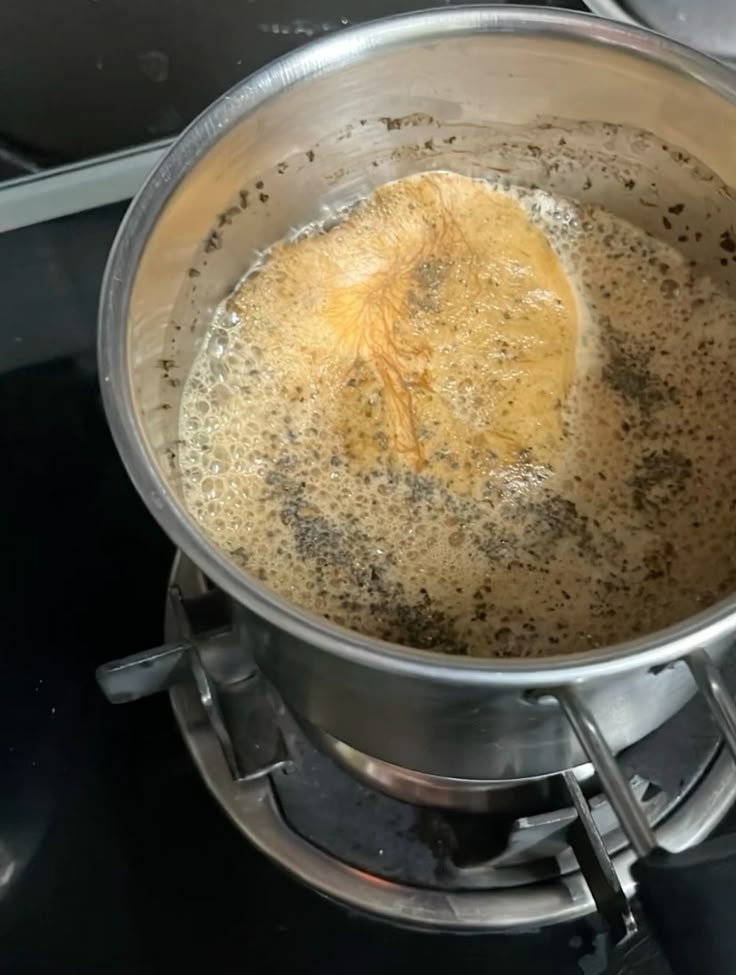
😎 bina chai dimag ghum jata hai
Guhan@TheDogeVampire
Another reason why we say, india is not for beginners 💀
हिन्दी
Hrishitha retweetledi


True🤣 only women can understand
D.@Lush_Beauty1
Sometimes as a woman you don't understand whether you are hormonally sad, menstrually sad, ovulationally sad, seasonally sad or actually sad
English
Hrishitha retweetledi

Hrishitha retweetledi

🚨 YOUNG DOCTOR : I am quitting my job.
"I was asked by my female boss to admit nearly every patient, even when it was not required" 😳
"ICU stays were stretched to increase hospital bills"
"No salary is bigger than ethics & patient safety"
English
Hrishitha retweetledi

Hrishitha retweetledi

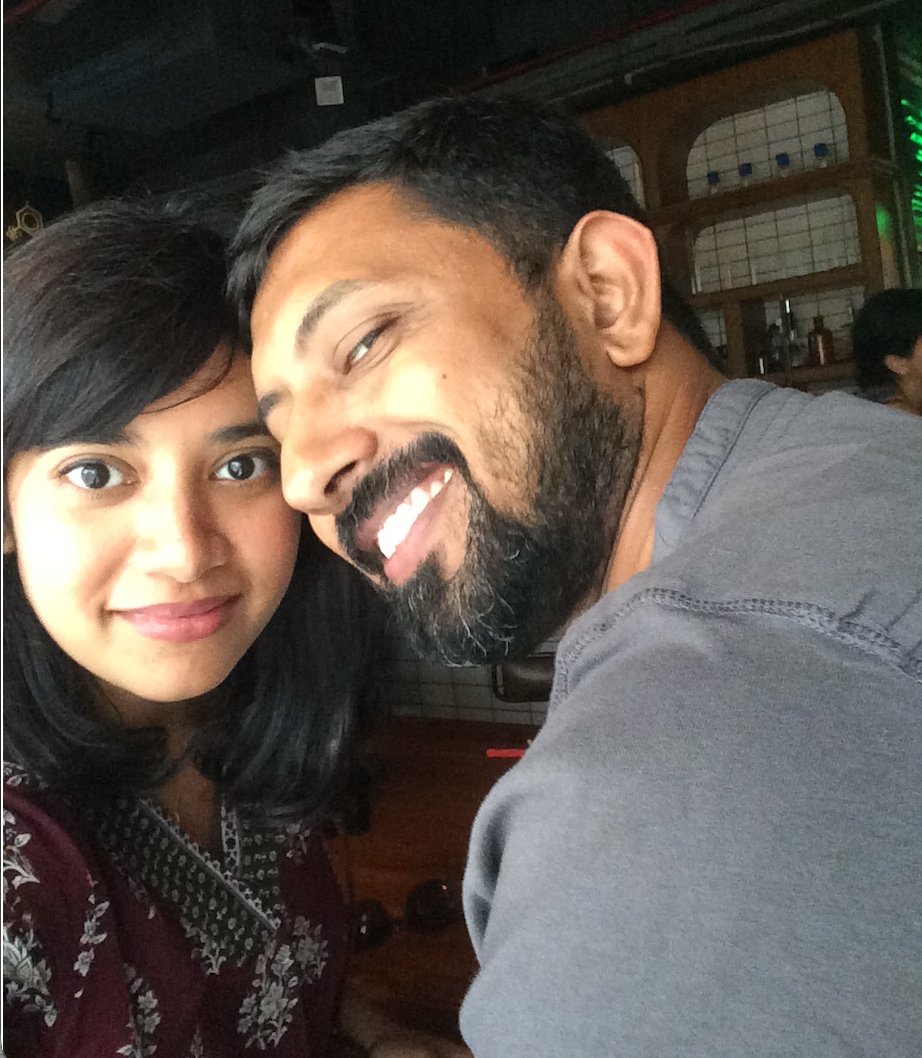
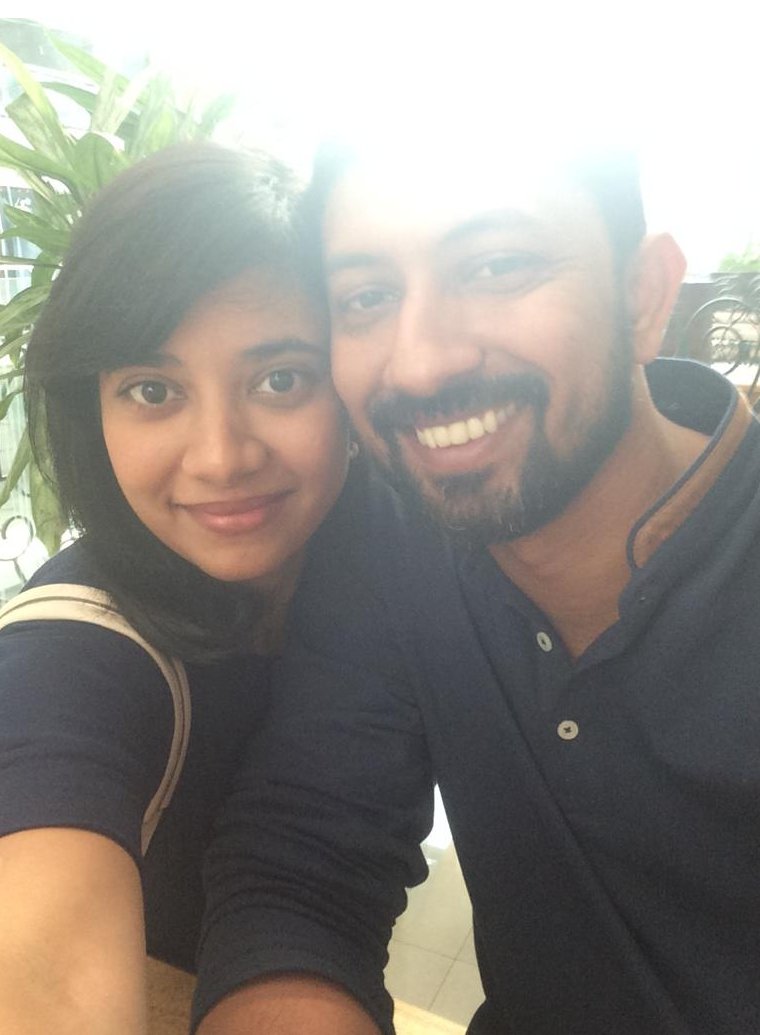
When I asked her to marry me, I was broke. My bank account was in overdraft.
She still said yes.
Our wedding feast was just vada pav and tea. It was all I could afford.
5 days later, I left for Europe to race. I returned 5 months later in a wheelchair, nearly paralyzed.
She looked after me while expecting our first child.
4 years later, she had the courage to send me back for another round the world race.
8 months later, I returned victorious.
Behind every win is a partner who is rarely seen, like the wind in the sails.
Here is to the unsung partner. Happy wedding anniversary!

English
Hrishitha retweetledi

I started practicing gratitude around third year of my college. I was completely lost, depressed, surrounded by toxic people and unsure of what to do.
I even started praying as an atheist and somehow… things shifted. Better people, better energy and even career-wise things started working out.
Gratitude and prayer didn’t just help me survive that terrible phase, they actually changed my life. The negativity faded and I found more positive, uplifting people (yes, that includes the amazing people I found here)
Highly recommend practicing gratitude. I feel more optimistic, energized and glowing noww 😃✨
PS: grateful for cats and the amazing people I met on twitter 😆
The Curious Tales@thecurioustales
🚨BREAKING: 8 weeks of gratitude practice physically rebuilds the neural pathways between your memory and reward centers. Your brain physically rewires itself every time you feel grateful. Eight weeks of intentional gratitude practice creates measurable structural changes in the neural pathways connecting your hippocampus to your ventral tegmental area. The memory center starts talking to the reward center in a fundamentally different way. New synaptic connections form. Existing ones strengthen. The physical architecture of how you process positive experiences rebuilds itself. Most people approach gratitude like a mood they can choose to feel. A psychological vitamin they remember to take when life gets difficult. The neuroscience reveals something far more profound. Gratitude is a biological intervention that sculpts brain tissue. Researchers tracked participants practicing gratitude exercises for two months using brain scans. They watched new neural highways construct themselves in real time. The anterior cingulate cortex developed stronger connections to the medial prefrontal cortex. The brain learned to route positive emotional experiences through higher order thinking centers instead of storing them as fleeting feelings. Every positive experience you’ve ever had exists as a neural trace in your memory network. Most sit dormant, accessible only when something external triggers the specific sensory combination that originally encoded them. You smell coffee, suddenly remember a conversation from years ago. Random. Unreliable. Outside your control. Gratitude practice systematically rewires that retrieval system. After two months, participants could voluntarily access positive memories with increasing ease. Their brains had built stronger pathways between memory storage areas and emotional processing centers. They experienced deeper emotional resonance during memory retrieval. The quality of remembering itself had improved. The participants also started noticing positive details in their present environment they had previously filtered out. Their attention systems recalibrated. The same neural pathways pulling positive memories forward were scanning current experiences more thoroughly for elements worth encoding as positive memories. Their brains became biased toward collecting evidence that life contains meaningful moments. Most cognitive interventions try to change how you interpret negative experiences. Gratitude practice changes how thoroughly you notice positive ones. It teaches your visual and emotional processing systems to detect opportunities and pleasures that were always present but neurologically invisible. The timeline reveals something crucial about neural plasticity. Weeks one through three showed minimal structural changes. Participants felt slightly more positive, but brain scans looked identical to baseline. Weeks four through six showed the first measurable increases in gray matter density. Weeks seven and eight revealed entirely new neural network formation. Two months. Your nervous system can physically restructure itself with consistent practice. The method was almost embarrassingly simple. Participants wrote down three specific things they felt grateful for every evening, explaining why each mattered. No meditation apps. No guided visualizations. Just pen, paper, and the requirement to identify gratitude targets with enough detail that their brains had to actively search for positive elements. Specificity drives the neural development. General statements like “I’m grateful for my family” generate different brain activity than precise observations like “I’m grateful my daughter laughed at my terrible joke during dinner because it showed me she still finds me funny despite growing more independent.” The brain needs detailed targets to practice connecting memory specifics to emotional rewards. After eight weeks, participants developed a fundamentally different relationship with their attention and memory systems. Someone whose brain automatically scans for and emotionally amplifies aspects of experience that make existence feel worthwhile. The neural pathways remain permanent after practice ends. Gratitude carves lasting roads through consciousness.
English
Hrishitha retweetledi

Love is when someone wants your all, even when your all is a mess.
English
Hrishitha retweetledi

🚨BREAKING: 8 weeks of gratitude practice physically rebuilds the neural pathways between your memory and reward centers.
Your brain physically rewires itself every time you feel grateful.
Eight weeks of intentional gratitude practice creates measurable structural changes in the neural pathways connecting your hippocampus to your ventral tegmental area. The memory center starts talking to the reward center in a fundamentally different way. New synaptic connections form. Existing ones strengthen. The physical architecture of how you process positive experiences rebuilds itself.
Most people approach gratitude like a mood they can choose to feel. A psychological vitamin they remember to take when life gets difficult. The neuroscience reveals something far more profound.
Gratitude is a biological intervention that sculpts brain tissue.
Researchers tracked participants practicing gratitude exercises for two months using brain scans. They watched new neural highways construct themselves in real time. The anterior cingulate cortex developed stronger connections to the medial prefrontal cortex. The brain learned to route positive emotional experiences through higher order thinking centers instead of storing them as fleeting feelings.
Every positive experience you’ve ever had exists as a neural trace in your memory network. Most sit dormant, accessible only when something external triggers the specific sensory combination that originally encoded them. You smell coffee, suddenly remember a conversation from years ago. Random. Unreliable. Outside your control.
Gratitude practice systematically rewires that retrieval system.
After two months, participants could voluntarily access positive memories with increasing ease. Their brains had built stronger pathways between memory storage areas and emotional processing centers. They experienced deeper emotional resonance during memory retrieval. The quality of remembering itself had improved.
The participants also started noticing positive details in their present environment they had previously filtered out. Their attention systems recalibrated. The same neural pathways pulling positive memories forward were scanning current experiences more thoroughly for elements worth encoding as positive memories.
Their brains became biased toward collecting evidence that life contains meaningful moments.
Most cognitive interventions try to change how you interpret negative experiences. Gratitude practice changes how thoroughly you notice positive ones. It teaches your visual and emotional processing systems to detect opportunities and pleasures that were always present but neurologically invisible.
The timeline reveals something crucial about neural plasticity.
Weeks one through three showed minimal structural changes.
Participants felt slightly more positive, but brain scans looked identical to baseline. Weeks four through six showed the first measurable increases in gray matter density. Weeks seven and eight revealed entirely new neural network formation.
Two months. Your nervous system can physically restructure itself with consistent practice.
The method was almost embarrassingly simple. Participants wrote down three specific things they felt grateful for every evening, explaining why each mattered. No meditation apps. No guided visualizations. Just pen, paper, and the requirement to identify gratitude targets with enough detail that their brains had to actively search for positive elements.
Specificity drives the neural development.
General statements like “I’m grateful for my family” generate different brain activity than precise observations like “I’m grateful my daughter laughed at my terrible joke during dinner because it showed me she still finds me funny despite growing more independent.”
The brain needs detailed targets to practice connecting memory specifics to emotional rewards.
After eight weeks, participants developed a fundamentally different relationship with their attention and memory systems. Someone whose brain automatically scans for and emotionally amplifies aspects of experience that make existence feel worthwhile.
The neural pathways remain permanent after practice ends.
Gratitude carves lasting roads through consciousness.

Darshak Rana ⚡️@thedarshakrana
Gratitude rewires the brain. Gratitude rewires the brain. Gratitude rewires the brain. Gratitude rewires the brain. Gratitude rewires the brain. Gratitude rewires the brain. Gratitude rewires the brain. Gratitude rewires the brain. Gratitude rewires the brain.
English
Exactly thats what happening no issue everything will b fine someday🙂
Thinking Minds@thinkingminds1
English
Hrishitha retweetledi

My man said something to me that really stuck.
He told me, “I’m not here to control you. I’m not your dad, I’m your partner. You’re free to make your own choices. Just understand that every choice has consequences. If you choose something that damages what we’ve built, that’s on you.”
He said, “I’ll always tell you when something hurts me or crosses a boundary, because that’s what healthy communication looks like. But if you keep stepping over the line after I’ve shown you where it is, then you were never really protecting us to begin with.”
And honestly, that’s what accountability in a relationship sounds like.
EDOSE✨@iam_biglad1
Unpopular opinion about marriage that would get you in this position???
English