Mohith Pranav
74 posts


Hey #DSA, #AI, and #MachineLearning enthusiasts! I’m diving into these fields and looking to connect with people who share the same passion. Let’s discuss, collaborate, and grow together! Drop a comment or follow if you're interested. 🚀 #Coding
English
@FundingCommons @colosseum Still in the discussion phase, let you know once finalized
English

I'm building in the Solana Frontier Hackathon, powered by @Colosseum!
arena.colosseum.org/hackathon/soci…
English
Unpopular opinion: This is the best time to get into IT, you don’t even need to code yourself.
Just need to be a good orchestrator of building things
English


🚨 HUGE STATEMENT 🚨
Inzaman Ul Haq Warning to Indian Cricketers for PSL 🤯

English
Mohith Pranav retweetledi

Some authentic open-source programs:
For long-term structured open source:
> Google Summer of Code – $3,000 (medium) / $6,000 (large project)
> Code for GovTech (C4GT) – ₹1,00,000 to ₹1,25,000
> Outreachy – $7,000 total
> Linux Foundation Mentorship (LFX) – $3,000
Crypto / blockchain focused
> Summer of Bitcoin (SoB) – $6,000
> Ethereum Foundation grants – varies (no fixed stipend)
Students friendly:
> MLH Fellowship – $5,000
> Hacktoberfest – no stipend (swag only)
> Season of Docs – $5,000–$15,000 (paid to org / writer via org)
Foundation backed:
> CNCF mentorships (via LFX) – $3,000
> Apache Software Foundation programs – money depends on program
> Mozilla programs – varies (some paid)
Save this
It will help you
English

Yesterday, I was rejected by a company (18 LPA) because I already had multiple on-campus offers.
Is this a valid reason to be rejected in the HR round, even after clearing the technical interview?
English
Mohith Pranav retweetledi

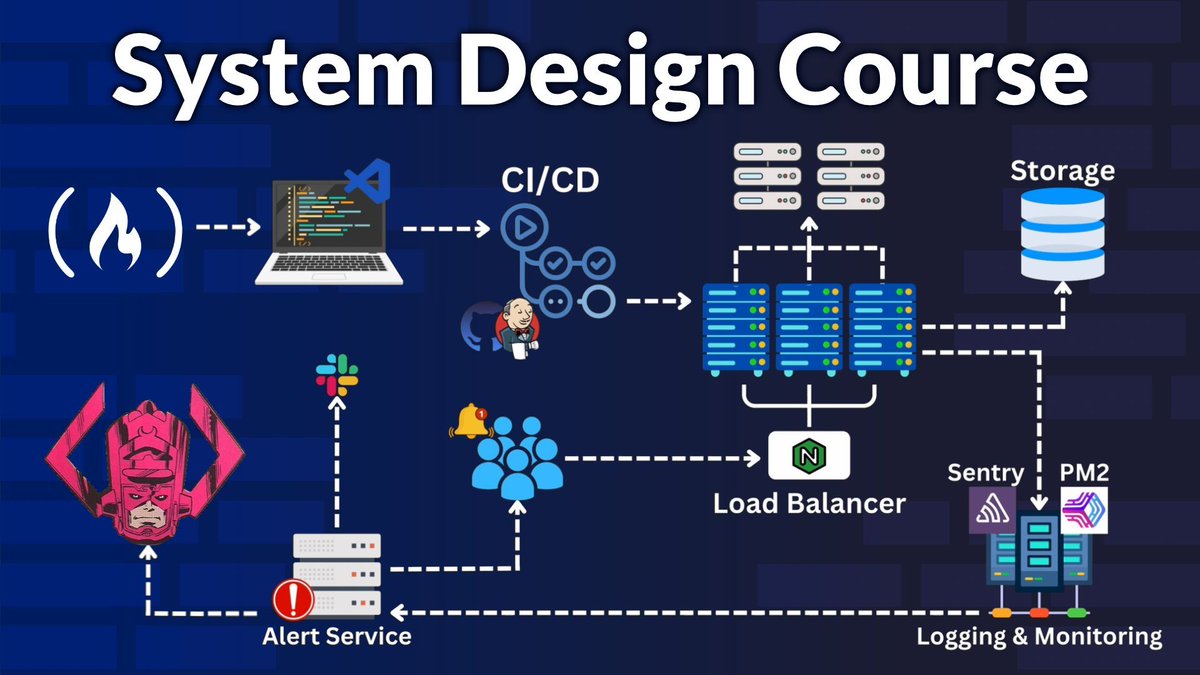
As a developer, you should know core system design concepts.
This helps show potential employers that you can turn design requirements into production-ready code.
This course covers app architecture, API design, caching, networking, databases, and more.
freecodecamp.org/news/learn-sys…
English
Mohith Pranav retweetledi

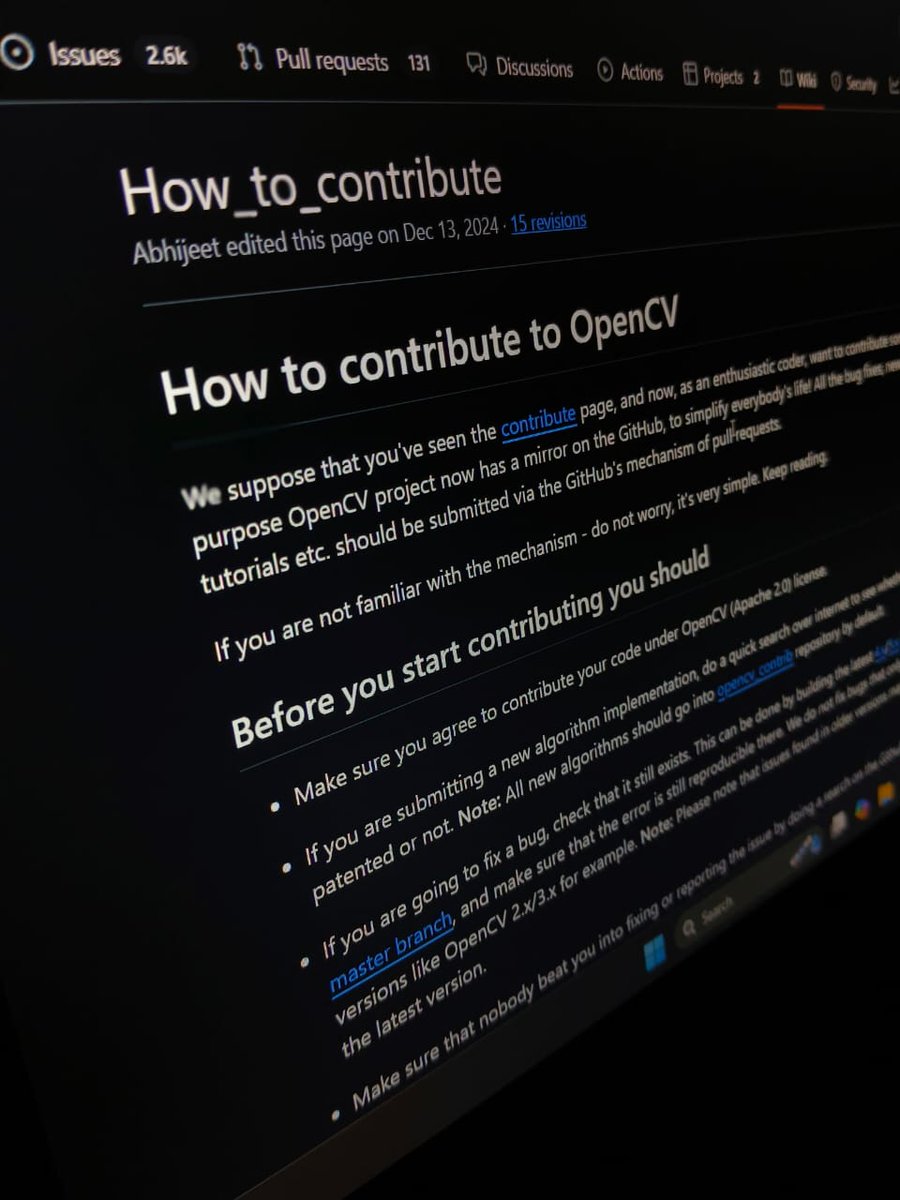
How I’m selecting my GSoC Orgs :
I got a lot of DMs asking how I’m selecting organizations and whether this is the right time to start.
So here’s a clear breakdown of the strategy I’m following based on advice from my college seniors.
1. Start With Your Interest Area
Don’t randomly pick orgs.
First understand what field you enjoy or want to work in:
> Science and Medicine
> Developer Tools
> Operating Systems
> Security
> Data / Databases
> AI / ML
> Web Development, etc, etc.
Your interest and comfort with specific languages/tools should guide your initial selection.
2. Shortlist 3 Main Orgs (GSoC proposals limit + 1 Backup)
You can submit proposals to 3 orgs in GSoC, so start searching early.
My approach:
> 1 relatively well-known org (but not extremely popular)
> 2 mid-sized orgs
> 1 low-profile backup org
Total: 4 orgs because having backups may help.
3. Study Previous Year's Projects
This part is extremely important thing going through :
> Their previous year project lists
> GitHub repos
> Past contributor's profiles
> Final submissions / reports
This gives a clear idea of:
> What kind of projects the org offers
> Complexity level
> Required skillset
> Whether beginners get selected
> How active the mentors are
I’m following this exact method.
4. Check the Org's GSoC Consistency :
This is something people underestimate, based on patterns:
> If org has participated only 2-3 years then chances are uncertain
> If org has been consistent for 4-5 years then chances are good
> If org has participated 6-8+ years then chances are very strong
But here’s the twist:
While researching, I found that some orgs active for 8+ years didn’t participated in GSoC 2025, so nothing is guaranteed.
5. Build Early Connections
Once you shortlist orgs, start interacting in their community :
> Join their Slack/Discord/etc
> Ask genuine questions
> Understand the codebase
> See whether they plan to participate next year
> Show consistent engagement
This helps you know whether the org will likely be part of GSoC 2026, and it builds trust with mentors.
This is my first GSoC attempt.
I’m not an expert, just sharing my strategy, which I shouldn't but I believe in fair competition, transparency, and learning together.
If this helps someone, great.
If you disagree or feel something should be added I’m open to feedback. Write it in the replies.
English
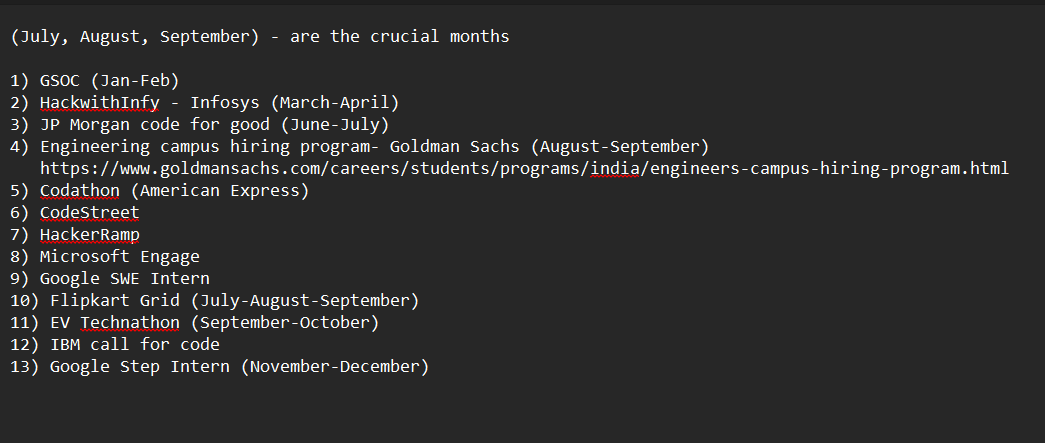
THREAD: Important Opportunities Every Tech Student Should Know (India, 2026 Edition) 🧵👇
English
Mohith Pranav retweetledi