
daktre/ಡಾಕ್ಟ್ರೇ
15.4K posts

@prashanthns
Personal a/c | https://t.co/KhZrhhhRok |ಕನ್ನಡಿಗ| @iphindia|Dad|Dr|Health policy & systems|Adivasi health|Critical realist|birder|baker|half-marathoner|HAM VU2JWD


#Adivasi assertion of #landrights is a response to exclusionary conservation models and institutional failures. #IndiaNews #Opinion #ForestConservation #Echobox=1767926719-1" target="_blank" rel="nofollow noopener">deccanherald.com/opinion/can-fo…


Union Minister for Finance & Corporate Affairs Smt. @nsitharaman chairs the 13th Pre-Budget Consultation with the experts and stakeholders from the #Education, #Health, #HumanDevelopment, and #WomenEmpowerment sectors in connection with the forthcoming Union Budget 2026-27, in New Delhi, today. The meeting was also attended by Union Minister of State for Finance Shri @mppchaudhary; Secretaries from D/o Economic Affairs (DEA) @FinMinIndia, @EduMinOfIndia, @DselEduMinistry, @MoHFW_INDIA, and @MinistryWCD; and the Chief Economic Adviser to the Government of India.


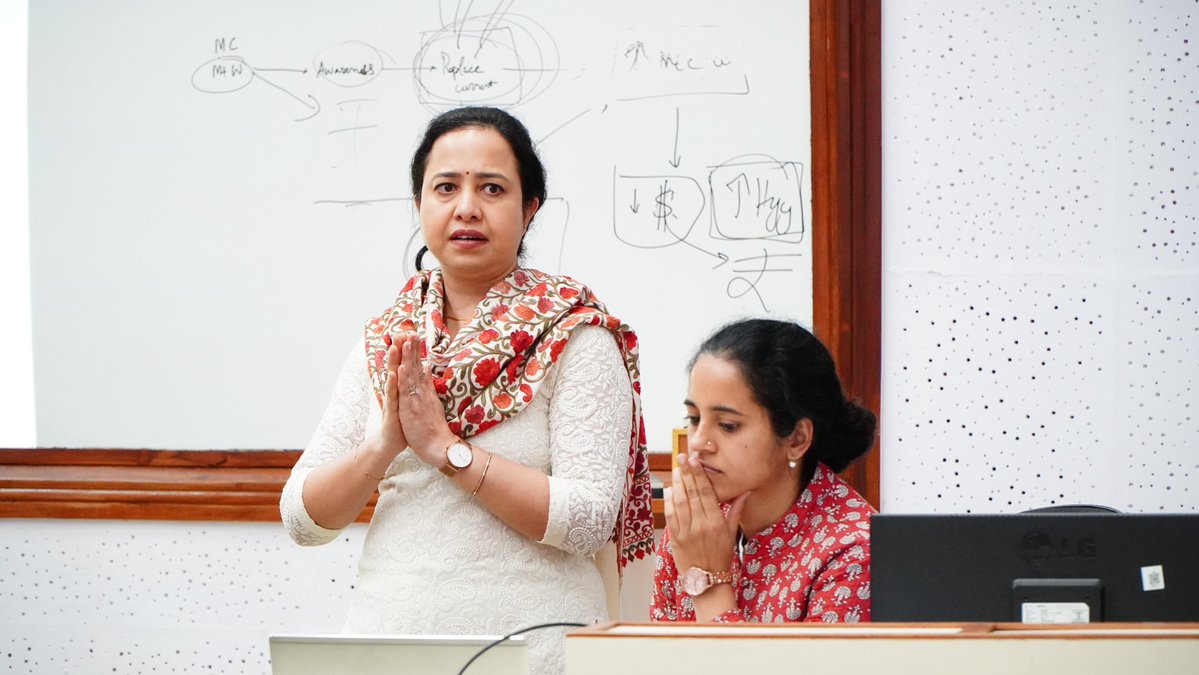
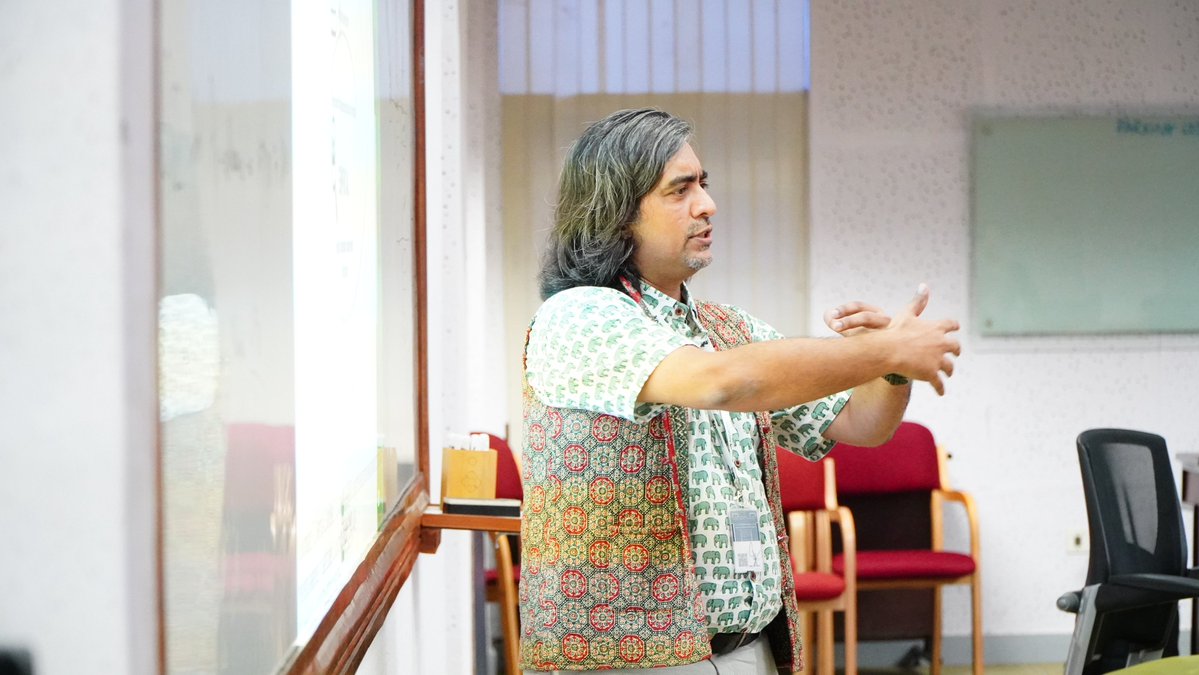
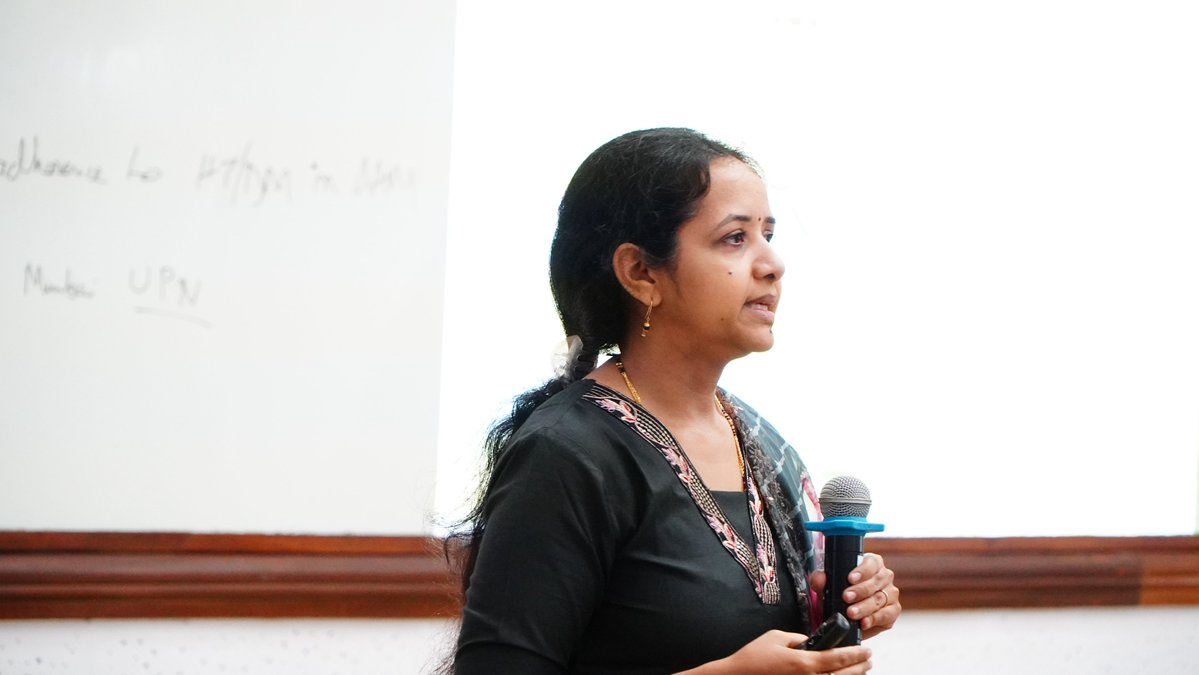
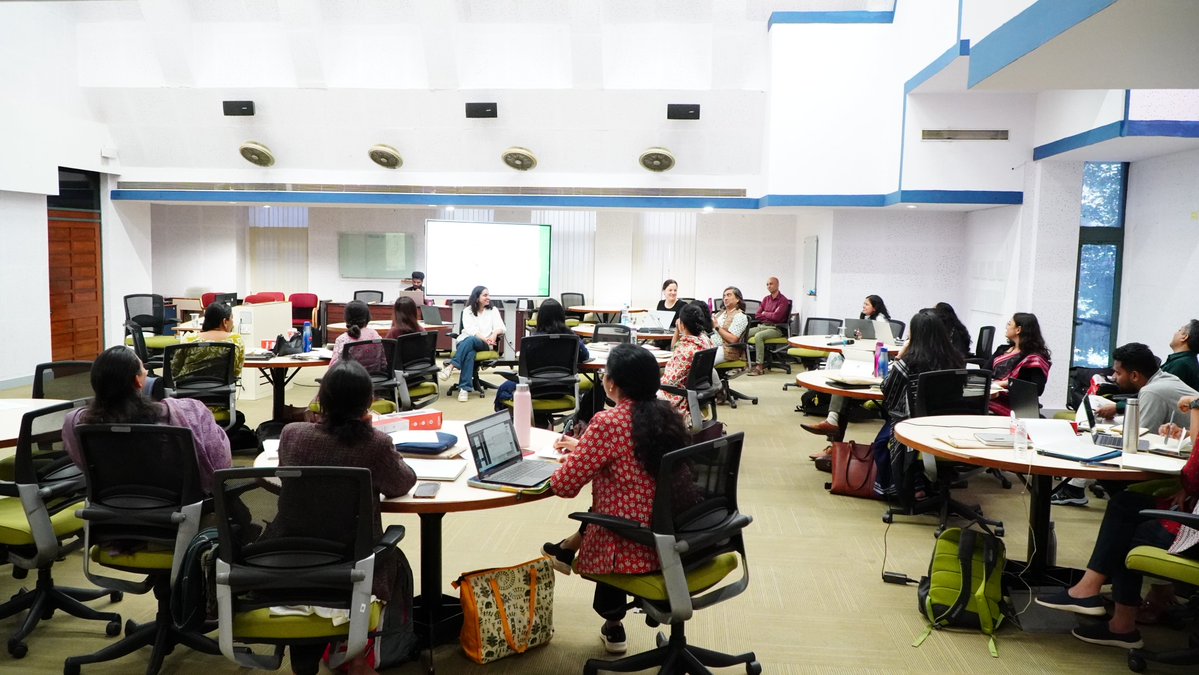
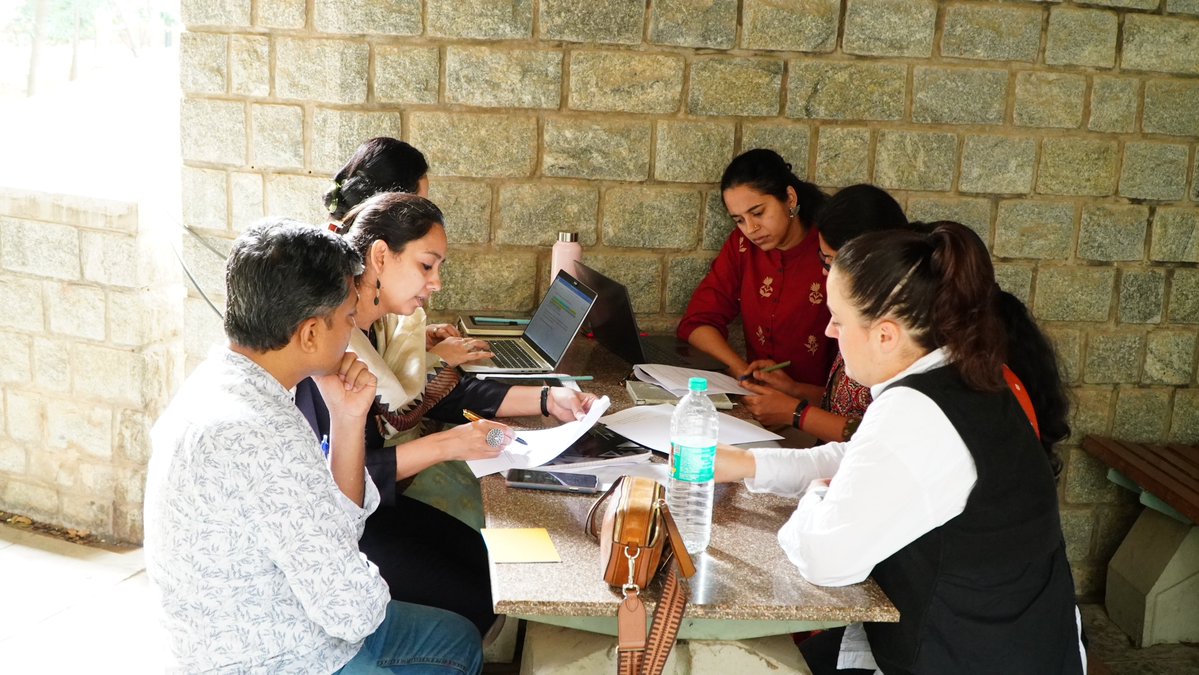
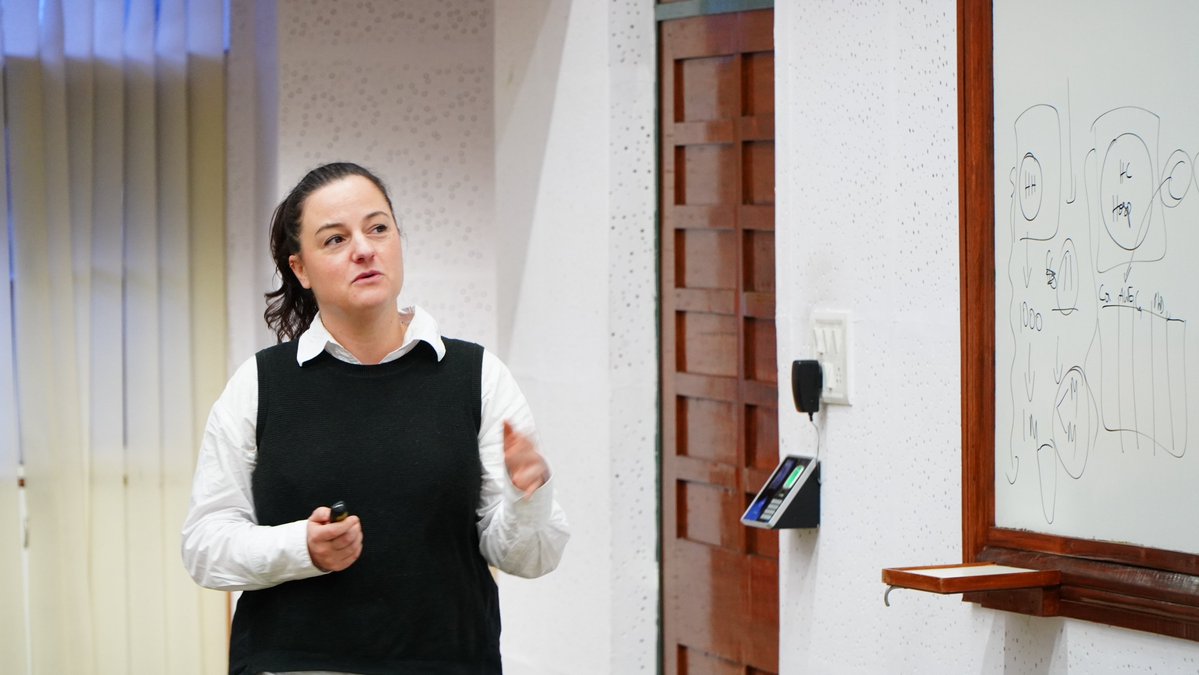
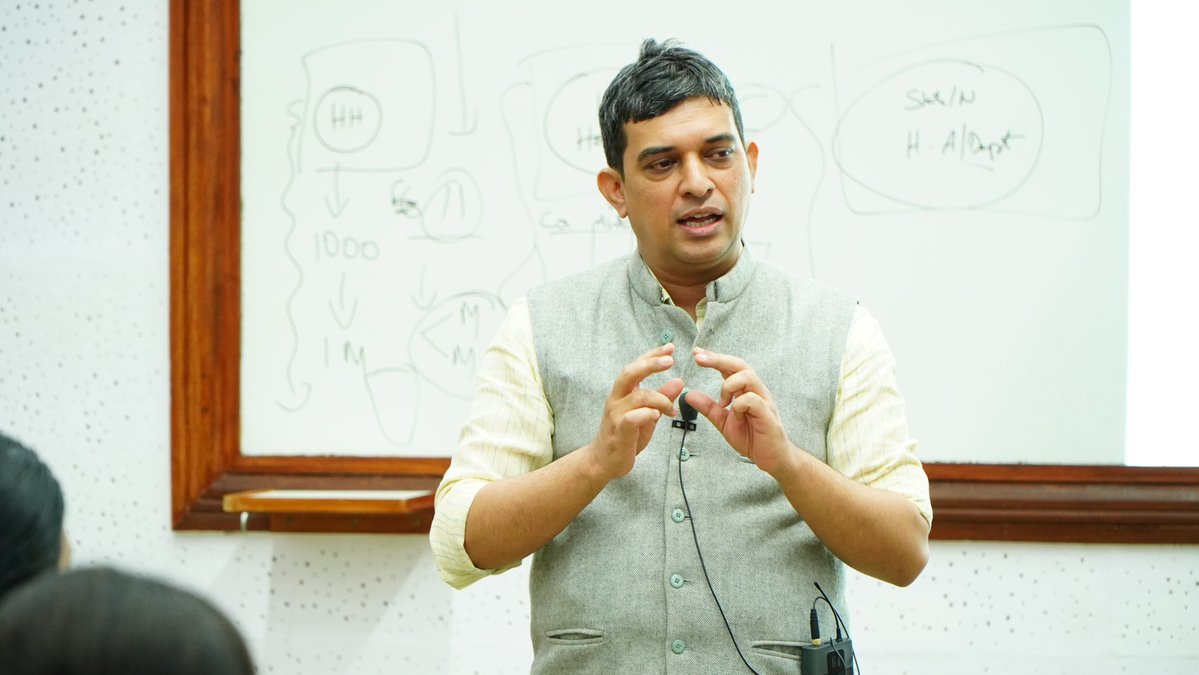
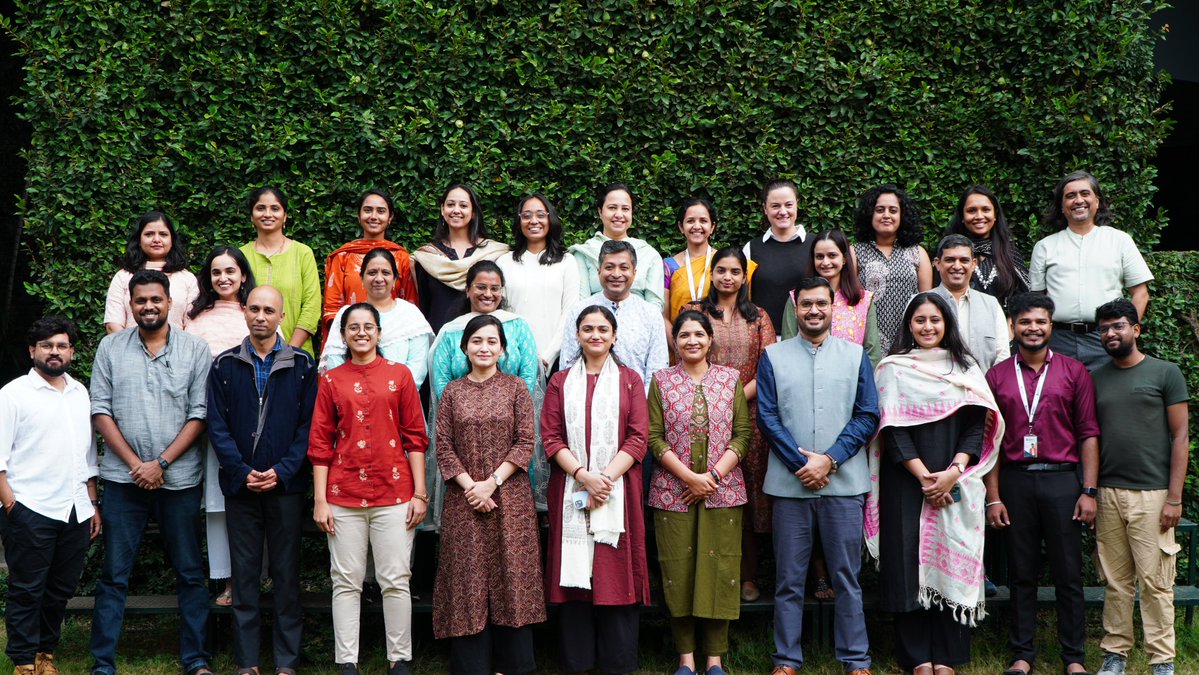
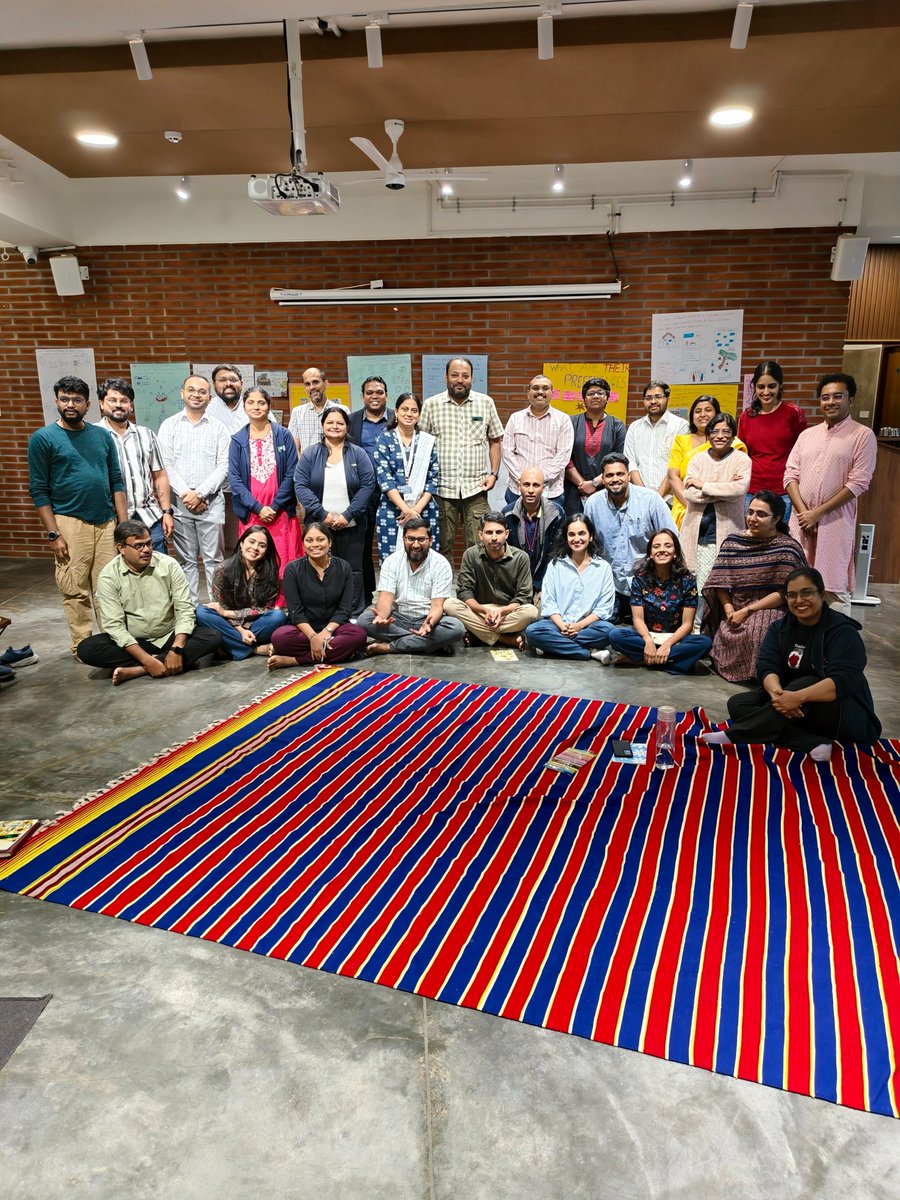
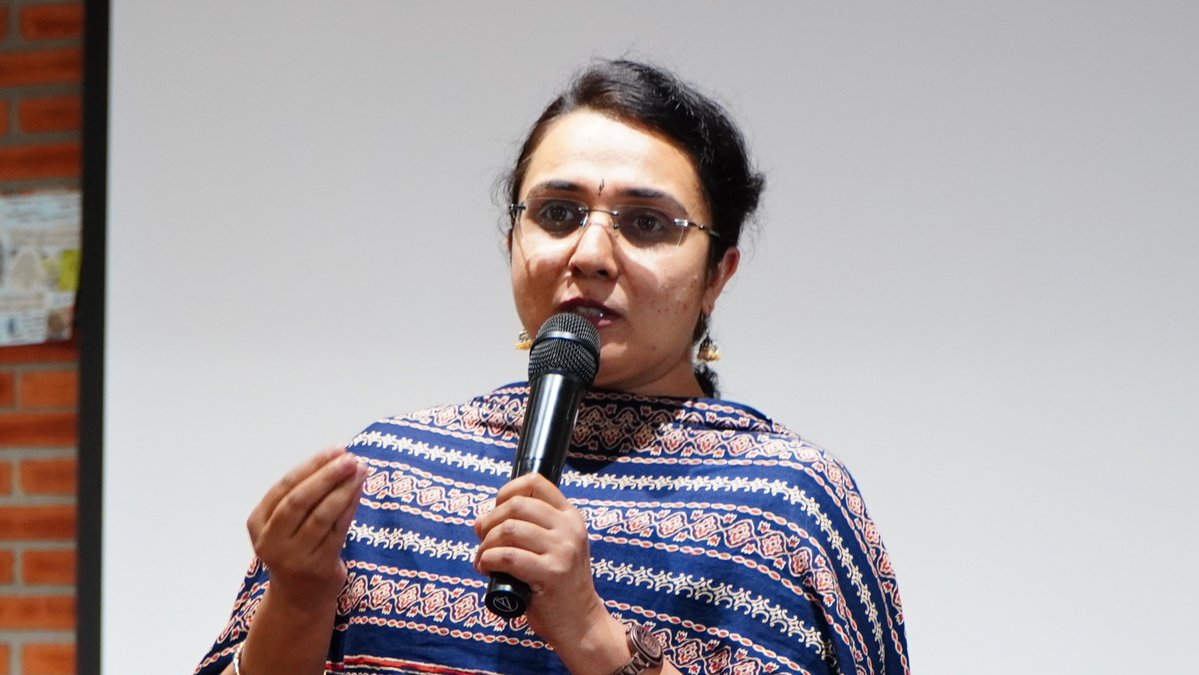
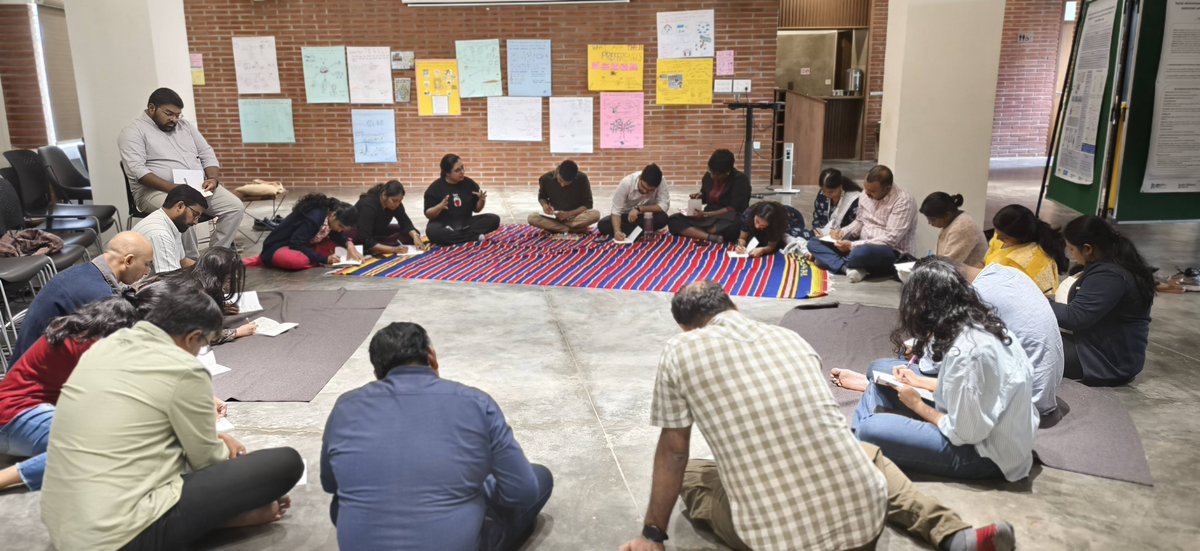
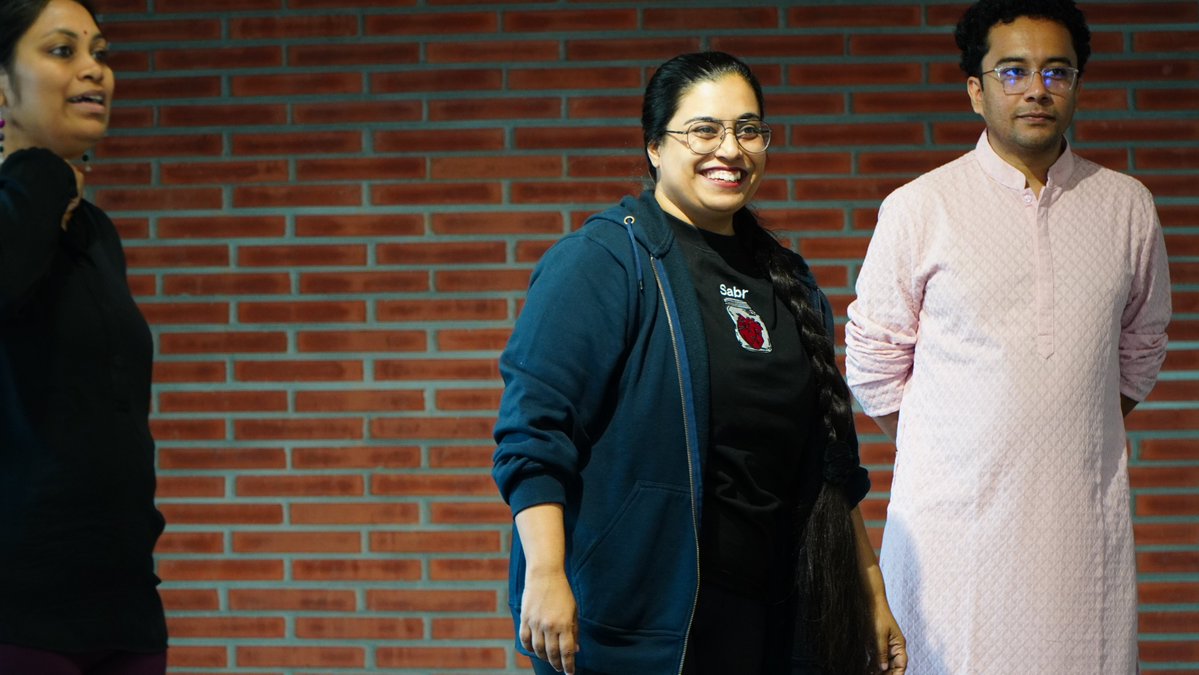
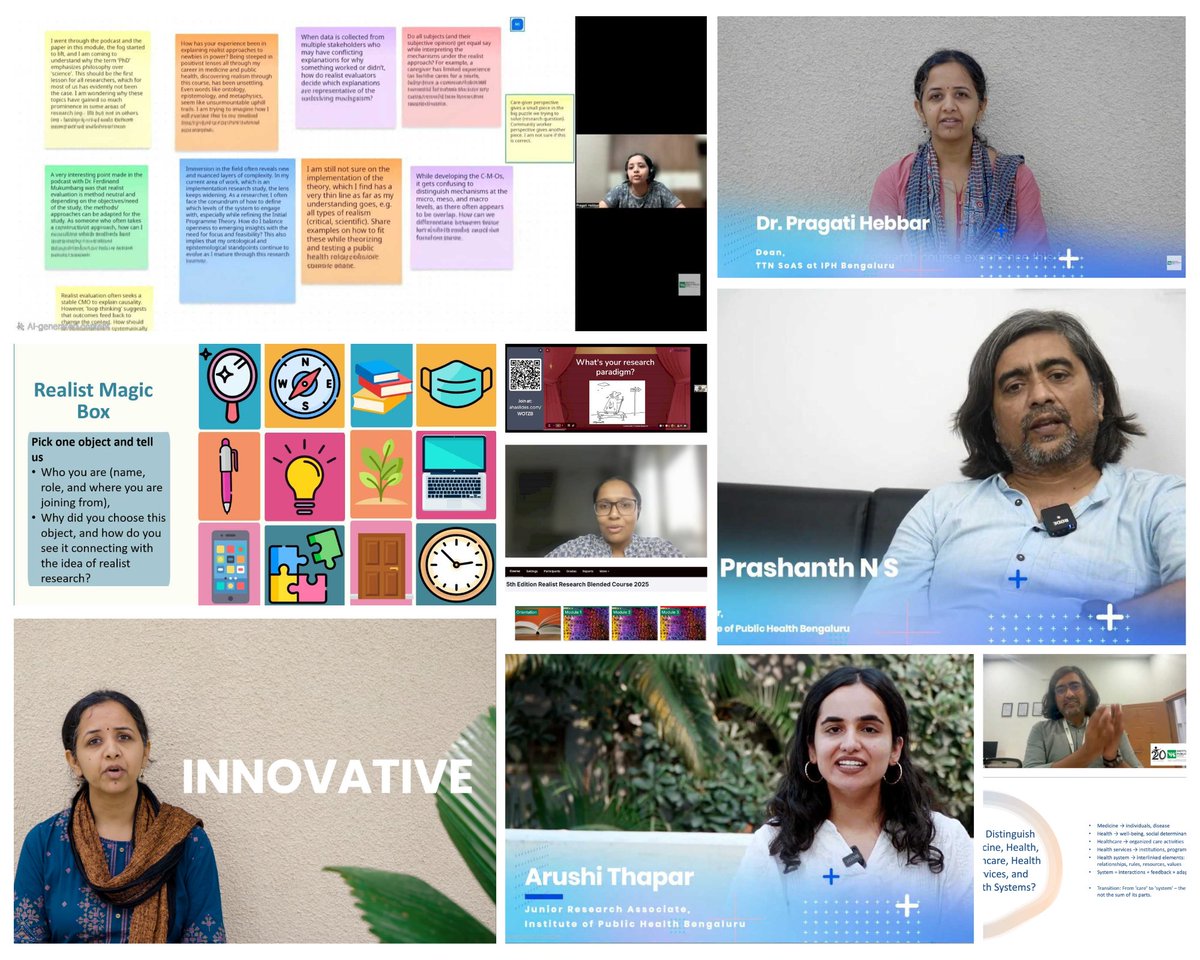
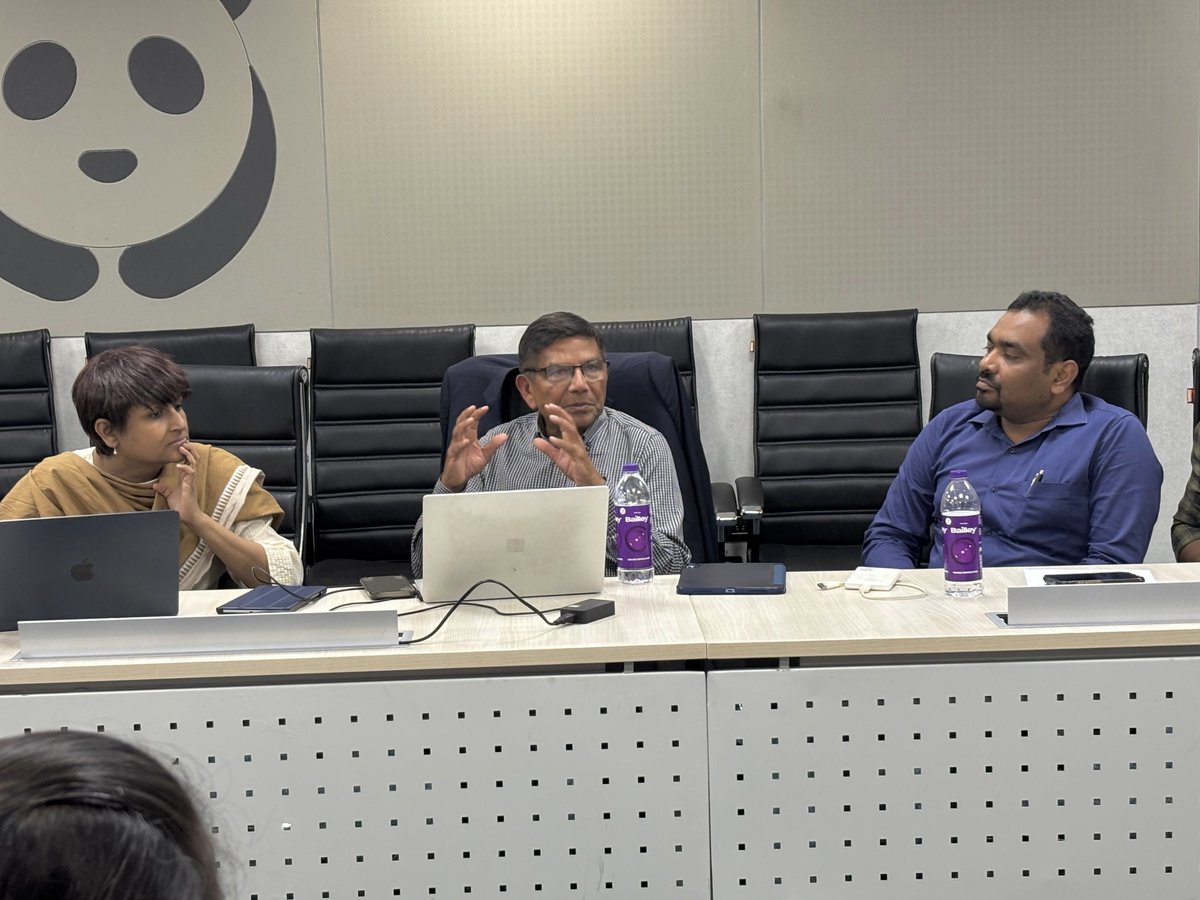
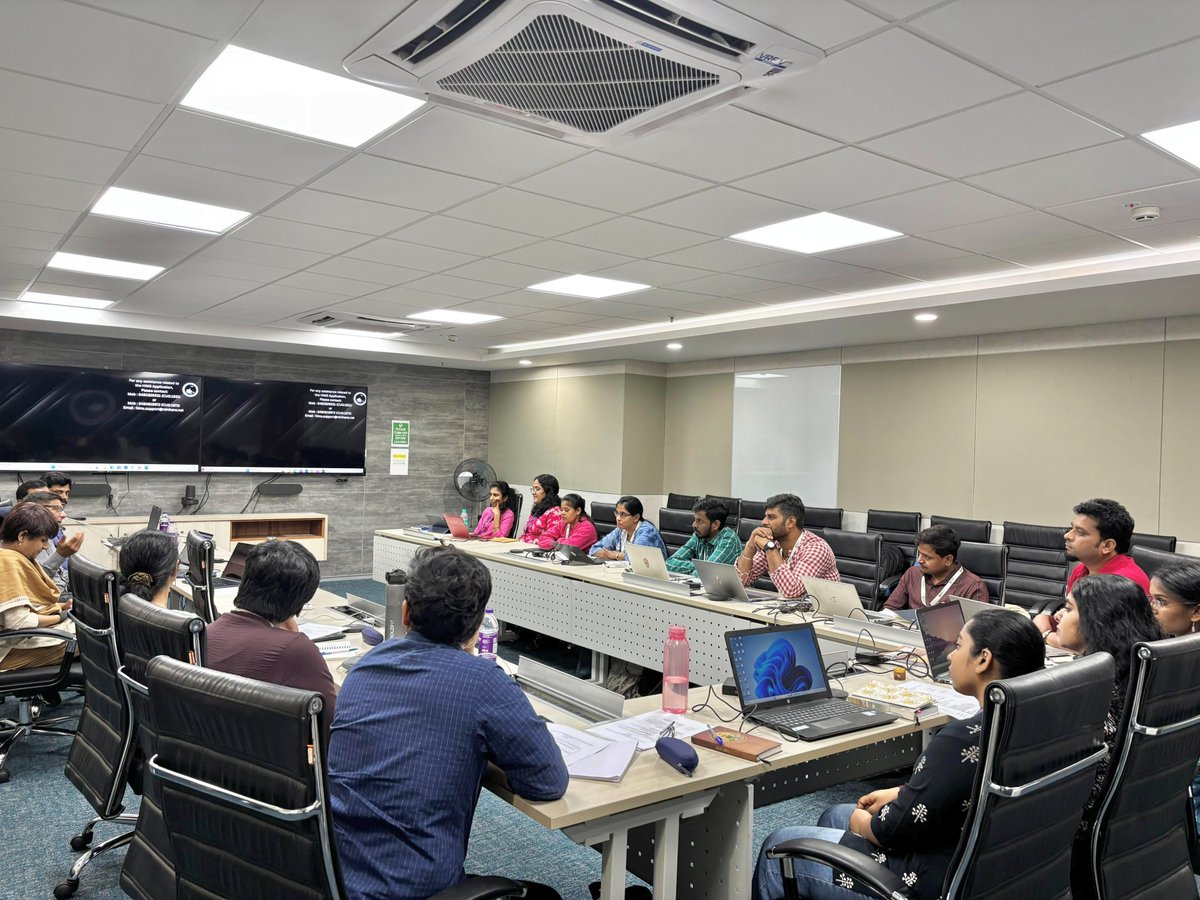
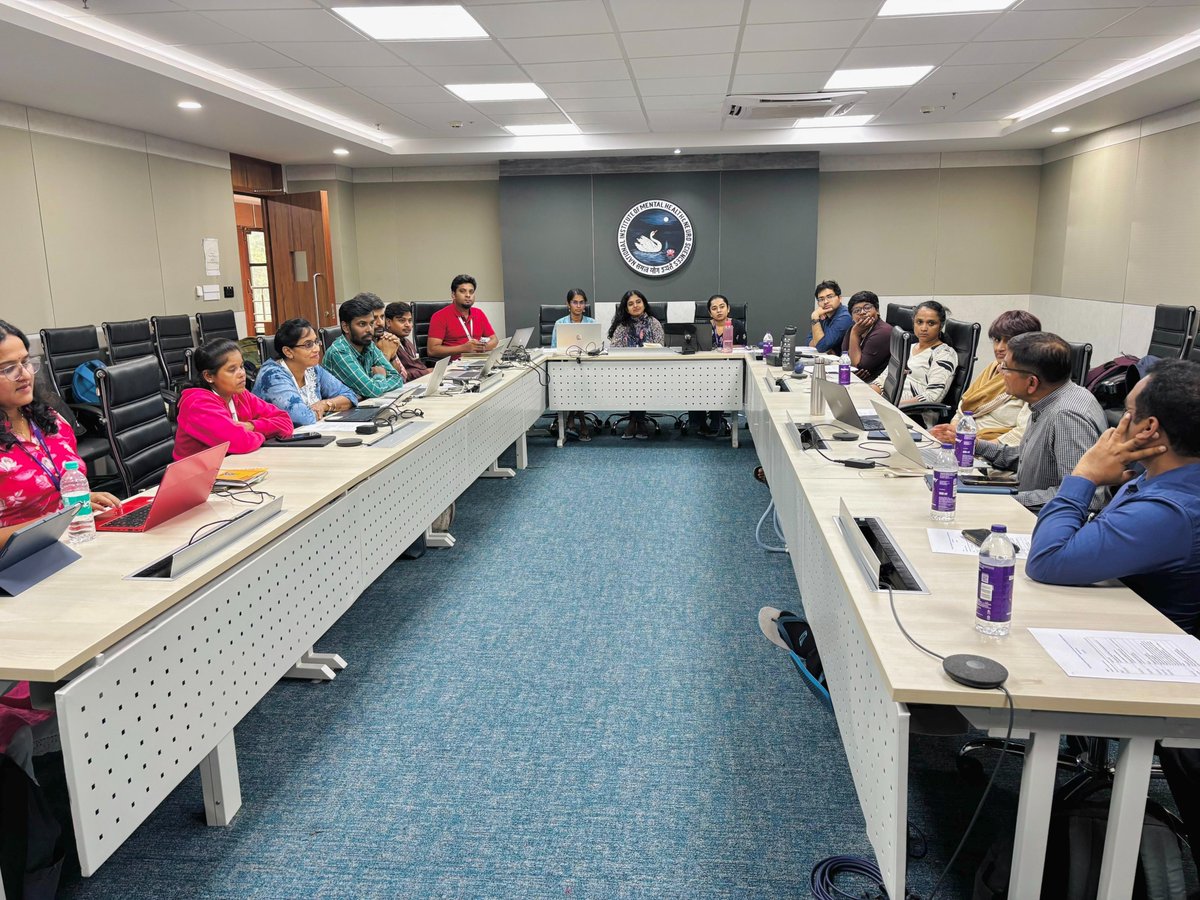
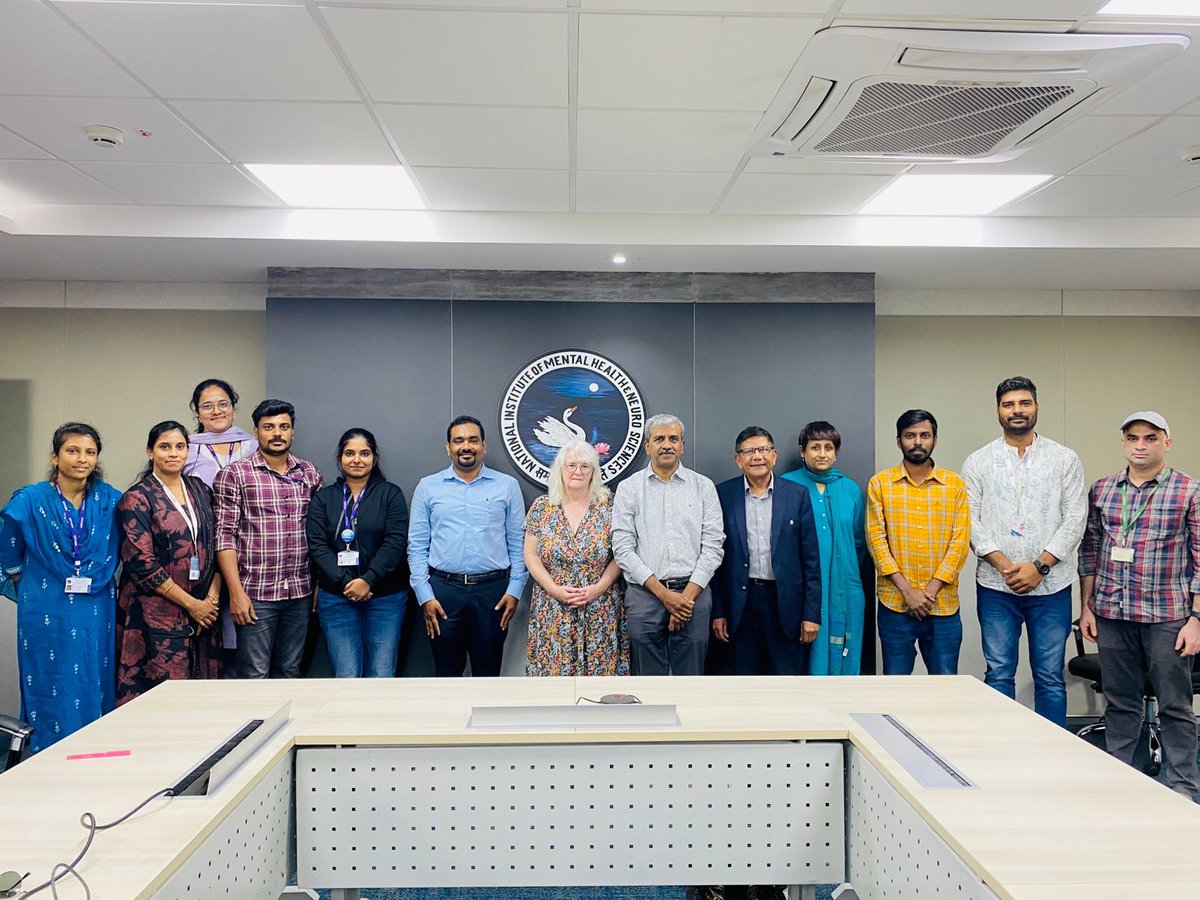
Kicked off Day 1 of the #RealistResearchBlendedCourse (Face-to-Face Phase) at @iimb_official The recap session explored whether research can ever be neutral, emphasizing that every method is grounded in its own philosophical roots. It revisited the philosophical foundations of realist research, highlighting realism as a bridge between the real world and the interpreted world. The session also underscored that people remain the driving force behind any programme. Dr. Prashanth N. S. led a session on concepts and terminology that explored how programmes and policies are ideas shaped by underlying assumptions and contextual factors. It also featured an interactive illustration, where participants contributed a policy or programme idea and collectively unpacked its assumptions and contextual elements. Dr. Pragati Hebbar used a variety of examples to explain how programme theories are developed, emphasizing the ontological layers. She also discussed why it is important to construct Initial Programme Theories (IPTs) and the different levels of programme theory. Although many possible programme theories exist, she pointed out that time and resource constraints force us to select only a few to address specific parts of the larger picture. Finally, Prof. Sara Van Belle unpacked CMO (Context-Mechanism-Outcome) configurations, discussed different approaches to causalityand generative causation, introduced alternative frameworks such as CIMO (Context-Intervention-Mechanism-Outcome) and ICAMO (Intervention-Context-Actor-Mechanism-Outcome), and explained its use for data analysis in realist research. @Chaudharyadit23 @AvishekHazra23, @commed_doc @MonicaShriv @punitrd @HiralkarSakshi #IPHBengaluru #TTNSoAS #RealistResearch2025 #IPHEvents #blendedlearning