Sabitlenmiş Tweet
The Global South Reporter
2.1K posts

The Global South Reporter
@pratheepsas
Global Media Correspondent | Ex-@HuffPost | Media. Tech. Power. AI. Sports. Geopolitics | 🌏 Reporting from the frontlines of the Global South.
Earth Katılım Mart 2016
1.4K Takip Edilen1.2K Takipçiler

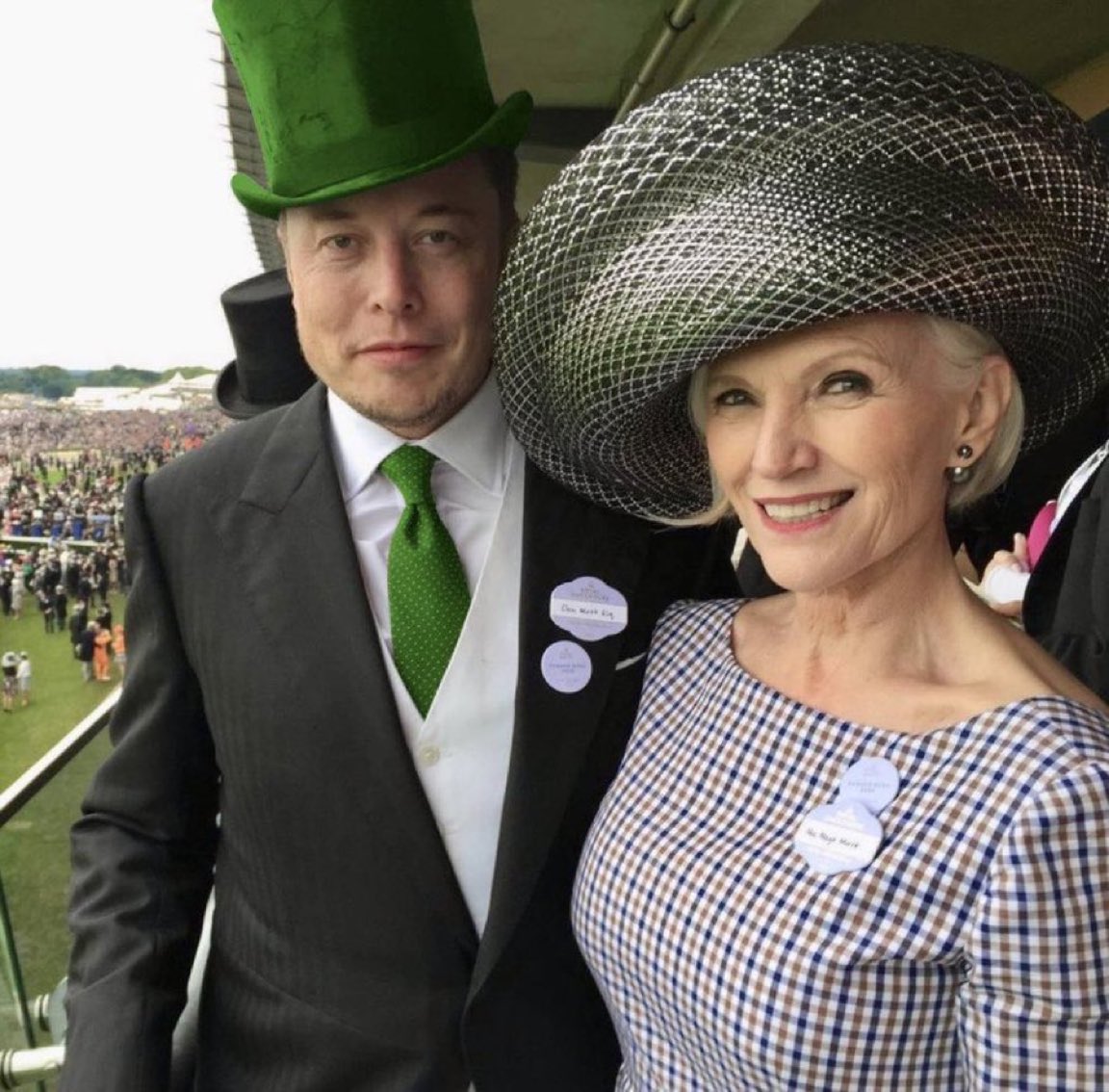
@elonmusk Patrick is method in mathematics chapter i guess. Some where in my engineering time I heard this.
English

@elonmusk He is looking like magician of green land.
English

Jessie James Decker Says Her Heart Is 'Shattered' as She Mourns the Death of Family Dog Jakey people.com/jessie-james-d…
English

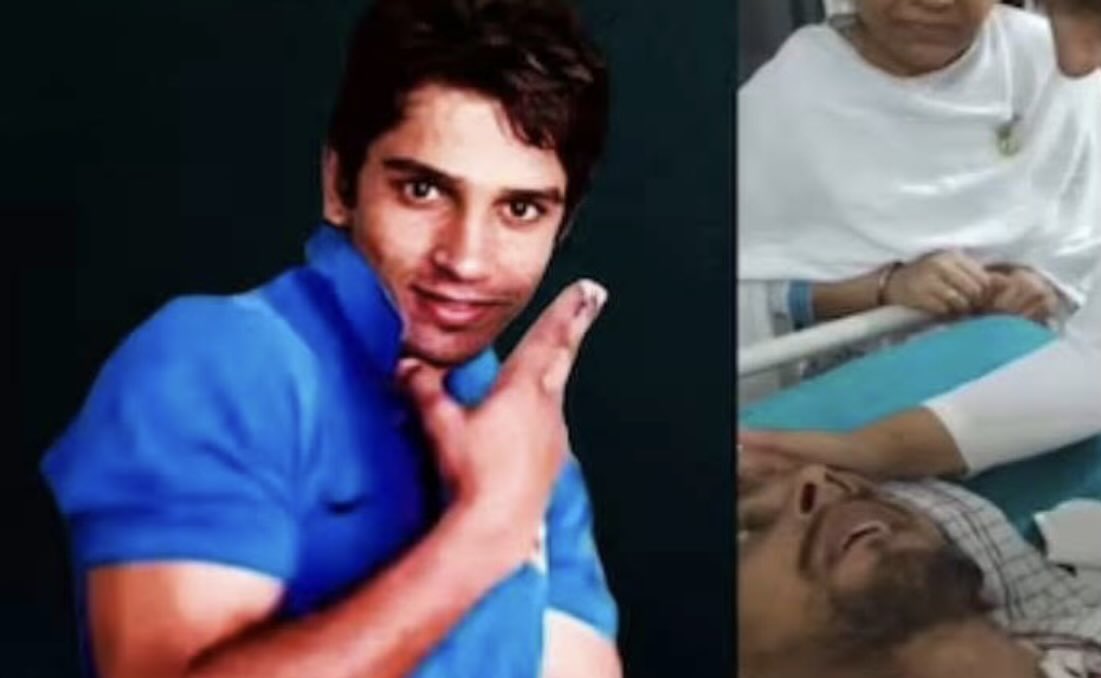
In March 2026, the name Harish Rana became widely discussed across India after the Supreme Court allowed doctors to withdraw life-support treatment in his case, highlighting complex questions about medical ethics, dignity, and end-of-life care.
Early Life and the Tragic Accident
Harish Rana, originally from Ghaziabad, Uttar Pradesh, was a B.Tech student with aspirations of building a professional career in engineering. In 2013, his life changed dramatically when he fell from the fourth floor of a building, suffering severe brain injuries.
The accident left Rana in a permanent vegetative state, meaning he lost consciousness and the ability to communicate or function independently. Since then, he had been entirely dependent on medical support, including feeding tubes and continuous care.
Thirteen Years in a Vegetative State
For more than 13 years, Rana remained in the same condition with no meaningful signs of recovery. Doctors confirmed that the chances of regaining consciousness were extremely remote.
His family, especially his parents, faced emotional and financial challenges while continuing to care for him. Watching a loved one remain in such a condition for over a decade created immense psychological strain.
The Legal Battle
After years of medical consultations and personal struggle, Rana’s family approached the courts seeking permission to withdraw life-sustaining treatment. They argued that prolonging life artificially in a permanent vegetative state was causing prolonged suffering and that he deserved the “right to die with dignity.”
The case eventually reached the Supreme Court of India, where judges examined medical reports, ethical considerations, and previous legal precedents.
Supreme Court Decision
In March 2026, the Supreme Court permitted passive euthanasia in Harish Rana’s case. Passive euthanasia involves withdrawing life-support measures such as feeding tubes or other medical interventions allowing a patient to die naturally.
The court emphasized that such decisions must follow strict medical protocols, expert supervision, and legal safeguards to ensure they are taken responsibly.
Following the judgment, Rana was transferred to AIIMS in New Delhi, where the process was carried out under medical and legal guidelines.
Why the Case Matters
Harish Rana’s case has become an important milestone in India’s ongoing discussion about end-of-life rights and medical ethics. It reinforced the legal principle that the right to life under the Constitution can also include the right to die with dignity under specific circumstances.
The case has drawn comparisons with the well-known Aruna Shanbaug case, which first brought national attention to euthanasia laws in India.
A Human Story Behind the Law
Beyond the legal arguments, the case is also a deeply human story. For Rana’s parents, the decision was described as one of the most painful choices any family could face. Yet they believed allowing him to pass peacefully was ultimately an act of compassion.

English

She earns more in one month than many high-level software engineers or doctors in India earn in an entire year. Muskan Karia is the case study for the Passion Economy or at least the Attention Economy. By bypassing brand gatekeepers and going direct to subscribers, she’s out-earning most Fortune 500 CEOs in India.
Muskan Karia has become one of India’s most financially successful and controversial digital creators. Her income mainly comes from Instagram Subscriptions, where fans pay for exclusive content.
•She reportedly has 7000+ paying subscribers on Instagram.
•With a ₹399 monthly subscription, estimated revenue could reach ₹2.8 crore per month before platform fees and taxes.
•Reported earnings range from ₹30–42 lakh per month, with potential annual income well above ₹3.3 crore, possibly even ₹30 crore+ if growth continues.
•This income level places her among the top 0.1% of earners in India.
Her strategy focuses on direct-to-consumer content, offering exclusive material to paying followers. While critics describe some of her content as edgy or controversial, her ability to convert a large audience into paying subscribers highlights a powerful creator monetization model.
The Subscription Strategy
Unlike traditional influencers who rely on brand deals (AdSense and sponsorships), Muskan utilizes a Direct-to-Consumer (D2C) model:
• Exclusive Content: She provides behind-the-scenes or specialized content available only to those who pay the monthly fee.
• Controversial Appeal: Her content is often described by critics and social media observers as edgy or double-meaning, which has sparked significant debate about the ethics of S*xualized content on mainstream platforms.
• Audience Loyalty: Despite the controversy, her ability to convert casual followers (nearly 1 million) into thousands of paying subscribers is a case study in monetizing a niche audience.

English

@LKdVXFgI6zPivIF 圧迫面接の最後に「お名前なんでしたっけ?」は、精神ダメージ9999ですね。
日本語

@Clip_Station_ Imagine the outrage if he were Indian.
English

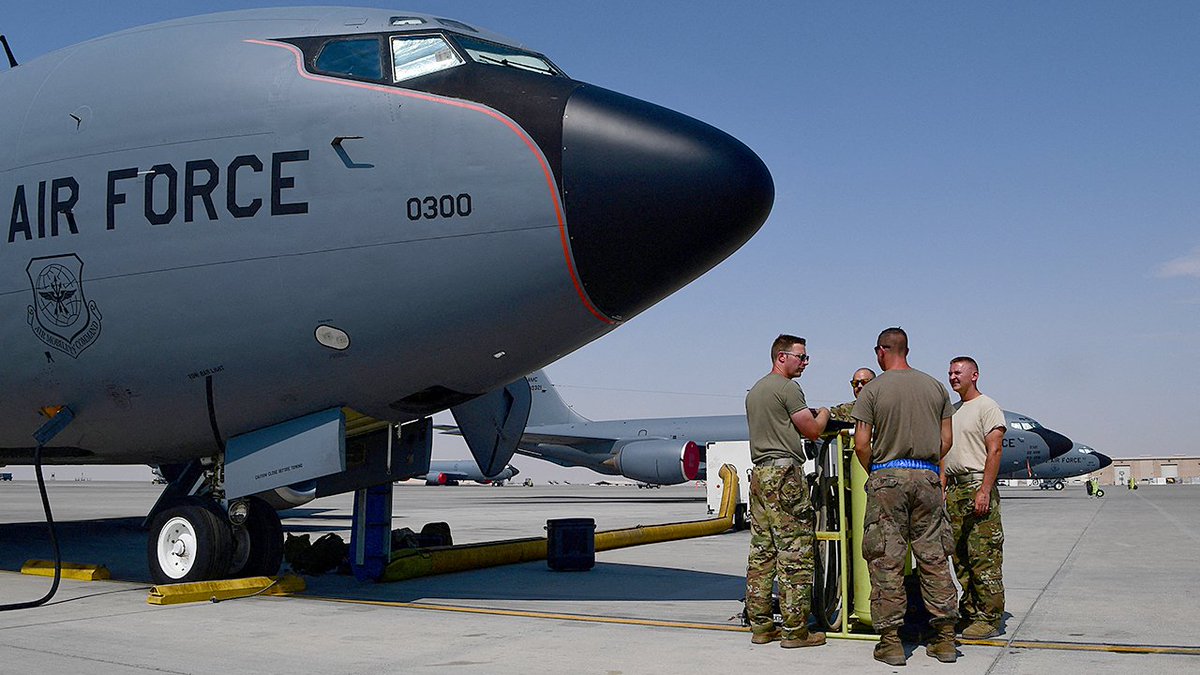
In detail - Two U.S. KC-135 Stratotankers collided mid-air over western Iraq near the Iraqi-Jordanian border. One aircraft crashed, killing all six crew members, while the other, despite heavy damage to its tail, declared an emergency and landed safely at Ben Gurion Airport in Israel. U.S. Central Command confirmed the incident was an accident, not caused by hostile or friendly fire. The identities of the six airmen are being withheld temporarily until their families are notified. This incident raises the total U.S. military deaths in Operation Epic Fury to 13, with about 140–150 additional service members injured since the operation began on February 28, 2026.
English

@jakepaul Iran war and life advice with Jake Paul... the simulation is glitching hard rn.
English

@PTI_News If you are planning to book a trip, doing so before midnight tonight (March 13) could save you between ₹425 and ₹2,300 per flight. For a round-trip to Europe, for example, the new charge will add ₹4,600 to the total ticket price.
English

@IAFsite Hoping the interception systems work and civilians stay safe. These alerts must be terrifying.
English

צה"ל זיהה כי לפני זמן קצר שוגרו טילים מאיראן לעבר שטח מדינת ישראל.
מערכות ההגנה פועלות ליירט את האיום. בדקות האחרונות פיקוד העורף הפיץ הנחייה מקדימה ישירות לטלפונים הניידים באזורים הרלוונטיים.
הציבור מתבקש לגלות אחריות ולפעול על פי ההנחיות - הן מצילות חיים.
יש להיכנס למרחבים המוגנים בעת קבלת ההתרעה, ולשהות בהם עד להודעה חדשה.
יציאה מהמרחב המוגן תתאפשר לאחר קבלת הנחיה מפורשת בלבד, יש להמשיך ולפעול על פי הנחיות פיקוד העורף.
עברית

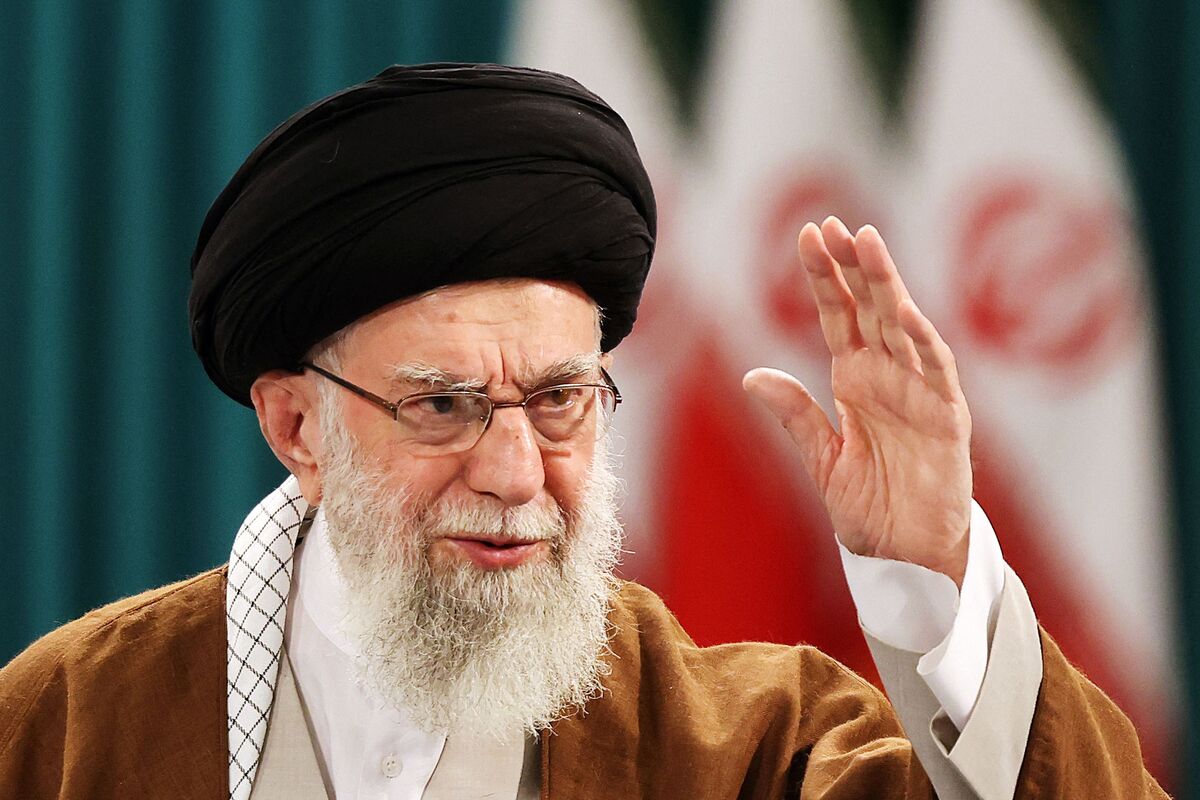
Secretary Hegseth’s remarks targeted the new Iranian Supreme Leader, Mojtaba Khamenei, who assumed power after his father, Ali Khamenei, was killed in a February 28 bombing. Hegseth claimed that U.S. intelligence indicates the 56-year-old leader was critically injured in the initial February 28 strikes that killed his father, wife, and mother.
English

BREAKING: "We know the new so-called, not-so-supreme leader is wounded and likely disfigured. He put out a statement yesterday, a weak one, actually. But there was no voice, and there was no video. It was a written statement."
"Iran has plenty of cameras and plenty of voice recorders. Why a written statement? I think you know why." - Secretary of War Pete Hegseth
English