Lew Yan Liang

533 posts

Lew Yan Liang banner
Lew Yan Liang

Lew Yan Liang

@premiumcapture

CFA charterholder and MBA (Uni Oxford). Fights financial and AI fraud. AI Operator / C-suite. AI designer of all sorts, systems and even graphics

Singapore Katılım Mart 2026
30 Takip Edilen31 Takipçiler
Lew Yan Liang
Lew Yan Liang@premiumcapture·
@ElvinYong7 @graciehartie SG property will drop only if PAP lose elections and people like Amos Yee comes into Parliament and does a "Singaporeans First" stun. You keep Chinese coming in, the problem is we cannot afford homes, not the other way round
English
0
0
0
3
Lew Yan Liang
Lew Yan Liang@premiumcapture·
@graciehartie This is normal for CC condos. The OCR and RCRs are at peak. There is no demand for CC condos, no HDB upgraders, no schools usually. Tampines, Jurong - blind can earn 10% in 5 years, leveraged by bank loans
English
0
0
0
47
Lew Yan Liang
Lew Yan Liang@premiumcapture·
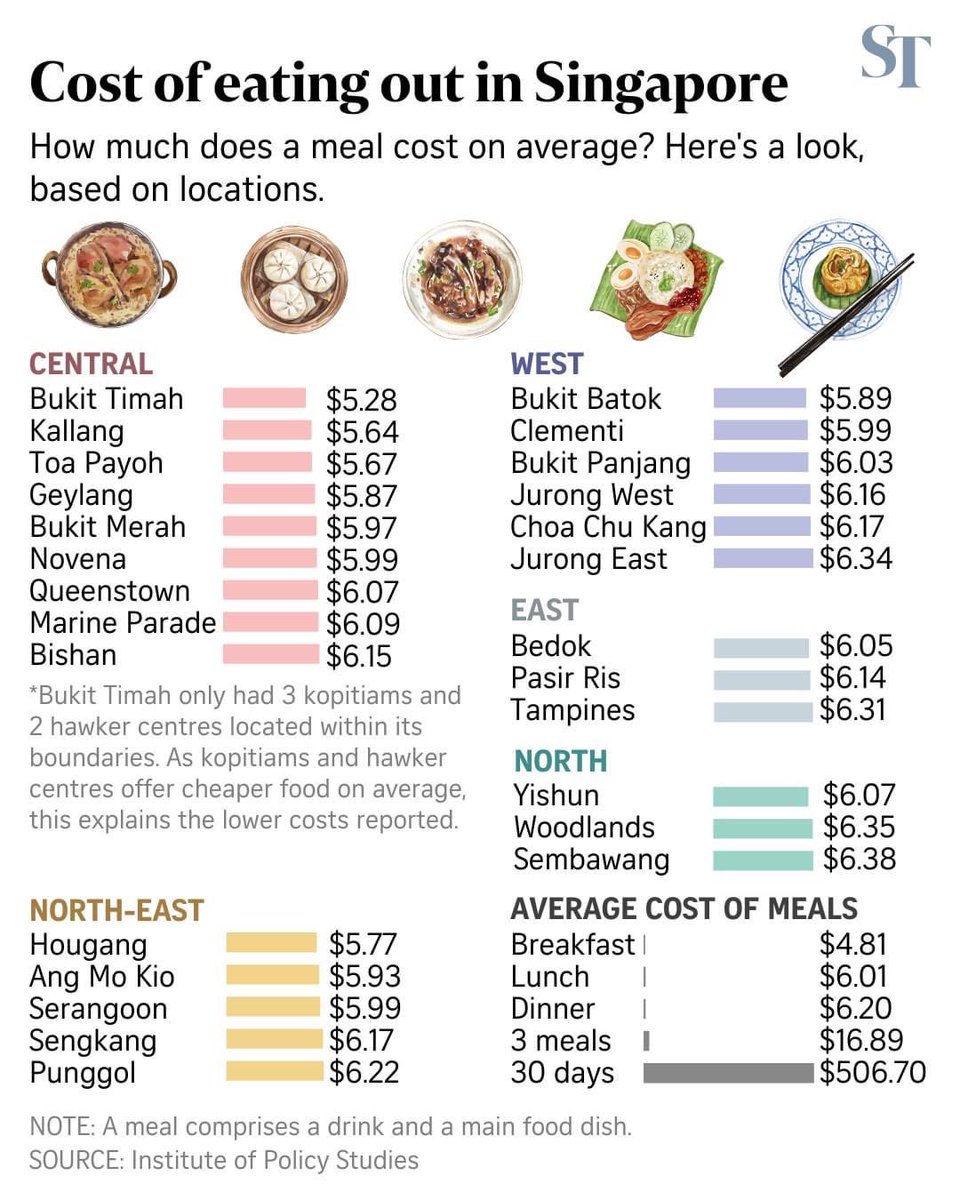
It’s below 10 only because the user is targeting hawkers and coffee shops. That’s the maximum any user can afford for this range. Which is fine. But the lifestyle is vastly different in Japan, London. Where food may not be so cheap but for $15-$20, it’s so much more afford now elsewhere
English
0
0
1
346
DarylTanky
DarylTanky@DRTnky·
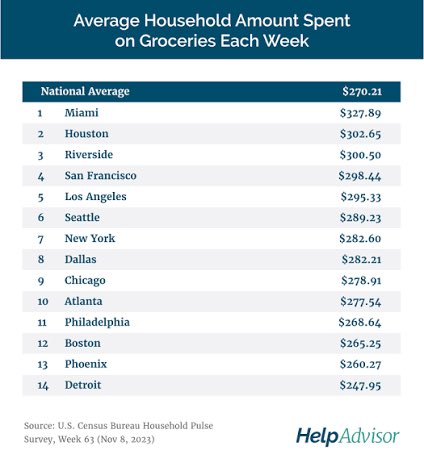
This. I’ve always been a huge advocate for the “Singapore has very fair prices” notion Funnily enough, people that comment about Singapore being expensive to live in are usually expats and foreigners that made their deduction from watching “Crazy Rich Asians” Of course, if we were to take into consideration cars and housing, then yes, Singapore IS expensive But I think a more accurate index to evaluate “living” would be what we need - which is food Now, assuming an average meal cost of $10 (which is a heavy overestimate), the average monthly meal cost would be ~SGD$1000 Or a weekly cost of ~USD$200 That’s lesser than almost most tier-1 US cities With way more safety Food for thought (pun unintended)
DarylTanky tweet mediaDarylTanky tweet media
Bluebird@abigbluebird

That’s why I’ve never got the whole ‘Singapore is expensive’ stereotype, especially when it comes from locals. Singapore is expensive for expats, given that they have to rent private housing, are subject to expensive international school fees for their children etc. But for locals? In relation to the average salaries, it’s far cheaper than our neighbours and other global cities.

English
36
5
86
16K
Lew Yan Liang retweetledi
Stijn
Stijn@StijnSmits·
Finally got GPT-5.5 on Codex to think way harder than it normally does. As one would expect it to be 'think very hard', 'ultrathink', 'deep dive' etc - does not work. A simple 'use at least 100 (onehundred) tool calls before coming up with an answer' works really well
English
58
47
1.5K
87.8K
Adam Mayer
Adam Mayer@AdamNMayer·
The only FAANG company where the employees actually seem genuinely happy is Apple.
Jeremy Bernier@jeremybernier

Meta was easily the most toxic company I've worked for. There's a reason the Chinese call it "Squid Game". Others refer to it as "Hunger Games" or "Lord of the Flies". I think they're all accurate. The company culture is basically every man/woman for themselves. The performance review process (PSC) not only doesn't incentivize helping others, if anything it actually discourages it since everyone is stack ranked against each other. Imagine working on a team where every 6 months, one of you is going to get axed. Of course it's going to become toxic. "Bottoms up" culture is a complete farce - it's just a way for leadership to offload accountability. The Tech Leads (TLs) have all the power - owning the relationships and tribal knowledge to gatekeep projects to their buddies. Managers are "people managers" with limited technical understanding, who basically aggregate TL feedback and create performance review packets to calibrate with other managers and IC7+. The takeaway is that your destiny is in the hands of the TLs, and TLs unlike managers have no responsibility for your career. There are no repercussions for unethical behavior. I've seen managers and TLs throw others under the bus and get away with it. The only mission bonding the company together is individual self-preservation. Save your own ass to survive for another stock vesting, and throw someone else under the bus if you need to. That's why layoffs rarely impact directors/VPs or tenured IC7+ despite the fact that they're paid by far the most. Even this recent mass layoff that was supposed to "flatten" managers layers barely affected directors/VPs/IC7+, and fell predominantly on M1s - the lowest rung of the management chain. The culture is extremely performative and focused on box ticking and optics. Everything is about PSC (the performance review system) and perception. This means tons of meetings, useless AI slop posts, and top-down initiatives that don't benefit anyone but maybe help tick off the impact box of some go-getter at the top. Impact is not enough - it has to have sufficient complexity. So complexity is added for complexity's sake. The org I was in (Facebook ads) is 90% Chinese, and the entire leadership chain up to the VP level is Chinese. Mandarin is the primary language at the office, except in official meetings with non-speakers. Chinese work culture is very different from American work culture, with 996 (9am-9pm, 6 days/week), top-down nature, emphasis on saving face (eg. don't question your superiors), and toxicity being quite common. Naturally when an org is completely dominated by a single ethnicity that's notorious for not integrating, elements from their work culture seep in. Of the layoffs I witnessed in this org, 3/4 were not Chinese (just to be clear, most Chinese are very kind so don't take this as an attack. But it is a reality that I think most people outside this company are completely unaware of, and I question if leadership is even aware despite the fact that we're talking about the company HQ) I had the most toxic manager of my life here. I watched him deliberately set up a new hire to fail, driving them to needing to see a psychiatrist for anxiety + depression, and getting them fired. Then he suddenly disappeared for 8 months, before leaving the company. I could go on and on, but this is already pretty long and I think you get the point. Yes there are a lot of great, kind people here. I managed to transfer out of my first team into a new team with a great manager where everyone was very smart, supportive, and hardworking. But the company has its Squid Game reputation for a reason. Company culture comes from the top. It seems leadership is either too removed to notice, or maybe don't really care anymore because I guess they already made their billions and us plebs are expendable these days.

English
121
101
4.1K
848.4K
Lew Yan Liang retweetledi
Zeb Evans
Zeb Evans@DJ_CURFEW·
Today we reduced headcount by 22%. The business is the strongest it's ever been. So I think it's important to be direct about what I'm seeing and why. First, I made this decision and I own it. I did it because the way to operate at the highest level of productivity is changing, and to win the future, ClickUp needs to change with it. Second, this wasn't about cutting costs. Most savings from this change will flow directly back into the people who stay. We'll be introducing million-dollar salary bands. If you create outsized impact using AI, you'll be paid outside of traditional bands. Most importantly, I have the deepest gratitude for those affected. We're doing this from a position of strength specifically so we can take care of people properly. Everyone affected receives a package aimed at honoring their contributions and easing the transition. I only see two options: wait for this to play out gradually in the market or be honest about what I'm seeing and act proactively. THE 100X ORGANIZATION The primary change is that we're restructuring around what I call 100x org. The goal is 100x output. The roles required to build at the highest level are fundamentally different than they were a year ago. Incremental improvements to existing systems won't get us there. We need new ones. That means creating enough disruption to rebuild rather than iterate on what's already broken. The common narrative is that AI makes everyone more productive. It doesn't. Many of the workflows of today, if left unchanged, create bottlenecks in AI systems. These roles will evolve. But waiting for that to happen naturally means falling behind now. The 100x org is actually heavily dependent on people - infinitely more than today. This is only possible with 10x people that have embraced and adopted new ways of working. THE BUILDERS, AGENT MANAGERS, AND FRONT-LINERS — THE BUILDERS: 10X ENGINEERS I don't think most companies have internalized what's actually happening with AI in engineering. The common narrative is that AI makes all engineers more productive. That may be true in isolation, but at an organization level - that is the farthest thing from reality. Here's what we've validated recently at ClickUp: the great engineers, the ones who can orchestrate, architect, and review, are becoming 100x engineers. They're not writing code. They're directing agents that write code. The skill is judgment. AI makes the best engineers wildly more productive, and everyone else using AI slows these engineers down. Think about it - the bottlenecks are (1) orchestration - telling AI what to do, and (2) reviewing - what AI did. Everything is leapfrogged and no longer needed. So who do you want orchestrating and reviewing code? And how do you want your best engineers to spend their time? If your best engineers are spending time reviewing other people's code, then this is inherently an inefficient bottleneck. These engineers can review their agent's code much faster than reviewing human code. The new world is about enabling your 10x engineers to become 100x. The wrong strategy is to push every engineer to use infinite tokens. Companies doing this are celebrating 500% more pull requests. But customer outcomes don't match the volume of code being generated. I call this the great reckoning of AI coding, and every company will face this soon if not already. More code is just another bottleneck to the best engineers, and ultimately to your company's impact as well. — THE BUILDERS: 10X PRODUCT MANAGERS Product management and design roles are merging. Designers that have customer focus, become more like product managers. And product managers that have intuition for UX become more like designers. The bottleneck of user research is gone. It takes us just one mention of an agent to kickoff research and analyze results. The bottleneck of product <> design iteration is also gone. The product builder iterates on their own, along with agents and skills that ensure alignment with quality and strategy. Also controversial today - I believe that the wrong strategy is to have your PMs shipping code - that just introduces another bottleneck that the best engineers will waste their time on. To be clear, PMs should be coding but they should do this in a playground to iterate, validate, and scope. That code should not go to production. Everything outside of managing systems, orchestrating AI, and reviewing output becomes a bottleneck. That's why the other roles that are critical along with these are the systems managers (to reduce bottlenecks) along with a bottleneck you can't replace - customer meeting time. — THE SYSTEM MANAGERS Ironically, the people that automate their jobs with AI will always have a job. They become owners of the AI systems - agent managers. We have many examples of these people at ClickUp. The underlying systems in which we operate are absolutely critical to get right. I think most companies are delusional to think they can iterate on existing systems and compete in this new world. You must create enough disruption so that old systems are deprecated entirely. If there's any definition for 'AI native' that's what it is. — THE FRONT-LINERS In a world that will become saturated with AI communication, the human touch will matter more than anything to customers. This is a bottleneck that you shouldn't replace - even when agents are high enough quality to do video meetings. One-on-one meeting time with customers is something that shouldn't be automated. The systems around the meetings should be - so that front-liners spend nearly 100% of their time with customers. REWARDING 100X IMPACT In a world where companies are able to do so much more with less, where does that excess money go? In our case, much of the savings in this new operating model will flow directly back to those that enabled it. We must reward people that create productivity accordingly. This aligns incentives on both sides. Plus, in a world where your best people create 100x impact, you can't afford to lose them. You should aim to retain these employees for decades. The context they have and their ability to efficiently orchestrate and review will be nearly impossible to replace. Compensation bands of today should be thrown out the door. We're introducing $1 million cash/year salary bands with a path available to nearly everyone in the company if they produce 100x impact by creating or managing AI systems. THE FUTURE Nearly every company will make changes like these. The ones that do it proactively will define what comes next. The future is not fewer people. It's different work, new roles, and better rewards for those who embrace it. We're already seeing entirely new roles emerge, like Agent Managers, that didn't exist a year ago. ClickUp is positioning to lead this shift, not just internally, but for our customers too. I've never been more certain about where we're headed.
English
1.6K
1.1K
12.4K
8.7M
TO-NY Tony
TO-NY Tony@tony_tweets1·
@premiumcapture @bluemxgbs @AIandDesign @Meta Which also means nothing. You’re just throwing around meaningless buzzwords and corporate crapspeak without addressing the core of your argument: where will government revenues come from to feed people as you’ve insisted in this utopian AI future?
English
1
0
0
19
⭕ AI & Design (Marco)
⭕ AI & Design (Marco)@AIandDesign·
I'm not gonna lie, the @Meta layoffs are some of the most dystopian I've ever seen. They got told to work from home, they were sent the emails at 4AM in the morning. Those who weren't impacted have software on their computer that tracks their every move, preparing AI to take their job as well. They're literally training the AI that will eliminate their position as well. Meanwhile, Meta is raking in RECORD PROFITS. I am a massive, unapologetic AI enthusiast. Yet, this is NOT the future I had in mind. I wish for Meta to crash and burn. This is not the way. Literally nobody benefits from this.
English
1.9K
3.5K
27.6K
2.9M
TO-NY Tony
TO-NY Tony@tony_tweets1·
@premiumcapture @bluemxgbs @AIandDesign @Meta You have no idea at all what you’re talking about, none. Government can’t feed people — the thing you’re suggesting — without revenue, and you have no path to new revenues in your fantasy. Shouting “productivity will increase” doesn’t balance the books, it means nothing.
English
1
0
0
19
Lew Yan Liang
Lew Yan Liang@premiumcapture·
@tony_tweets1 @bluemxgbs @AIandDesign @Meta This has nothing to do with corporate tax. Overall, across the entire economy, productivity will increase without humans. Fiscal policies will change. Governments will realise they cannot fight AI, but can create a beautiful, freer world without compulsory labor
English
1
0
0
21
kev 🍀
kev 🍀@fymkev·
@icanvardar still baffles me TO THIS DAY how folks replace their ENTIRE thinking capacity with ai. like bro it’s a tooooollllllll not your medulla!!!
English
1
0
0
83
Can Vardar
Can Vardar@icanvardar·
if your entire career can be replaced by a teenager with chatgpt and wifi maybe the problem was never ai
English
14
2
43
1.6K
Lew Yan Liang
Lew Yan Liang@premiumcapture·
@profHenryPie @AIandDesign @Meta Yes I am a dreamer. Because if what I say don’t happen, we are screwed. All of us have no jobs, government don’t distribute supplies as per normal economics theory. There will be an entire collapse of convenient, authority lies in the hands of token owners
English
0
0
0
63
mxgbs
mxgbs@bluemxgbs·
@premiumcapture @AIandDesign @Meta At that moment, what’s the value of the normal human being, the very large population you’re talking about? Why the same ruling class who wants to get rid of any burden from human cost to pay freely to those large population?
English
1
0
3
330
Lew Yan Liang
Lew Yan Liang@premiumcapture·
@_cat_turner @AIandDesign @Meta I want to be very clear. The principle is AI will make supply abundant. Labor is cheap to the extent unimportant. Government will then distribute supplies. That’s assuming it’s a socialise government.
English
1
0
0
83
Lew Yan Liang retweetledi
kapilansh
kapilansh@kapilansh_twt·
@rxhit05 half the ai wrappers rn are just betterrr ui + better marketinggg
English
0
1
0
43
Rohit
Rohit@rxhit05·
I feel most “AI startups” today are basically: take user input send it to OpenAI API return response charge $19/month
English
51
3
47
1.7K
Lew Yan Liang
Lew Yan Liang@premiumcapture·
@Dalton254_ke Cos salary isn’t reducing. You are expected to produce 10X more with AI.
English
0
0
1
131
Dalton
Dalton@Dalton254_ke·
With all these AI Agents around why isn't work reducing?
English
62
2
139
13.1K