dr. j

48K posts

dr. j banner
dr. j

dr. j

@profpookie

thinking, teaching, writing, plotting

on the move Katılım Haziran 2011
1.6K Takip Edilen4.7K Takipçiler
dr. j retweetledi
marincountyconfidential
marincountyconfidential@marindatanow·
Pointing out that Huerta, who withheld information about Chavez' CSA *for decades* —while she built a $20 million foundation and endorsed a series of war criminals, (including two war criminals who were complicit in Israel's genocide of Palestinians) — is not victim blaming
Lª Riots 🍉❤️‍🔥@smthinglavender

@marindatanow @dandoon_danya Are you for real victim blaming right now?!?!!!!!! Crazy.

English
6
33
198
10.5K
dr. j
dr. j@profpookie·
@eihtbeezy I also think Rucker points out that the leak didnt initially come from a house slave but an artisan slave at the market
English
1
0
1
27
dr. j
dr. j@profpookie·
@eihtbeezy This is interesting; Walter C. Rucker’s account of the Vesey conspiracy in his book The River Flows On argues that Vesey intended to torch SC and then sail to Haiti where he had once lived; if Rucker’s account is accurate, idk how I feel about about that plan to dip
English
1
0
1
49
dr. j retweetledi
marincountyconfidential
marincountyconfidential@marindatanow·
imagine thinking this is just a phenomenon that only happens in "working class movements." Huerta was deeply complicit in Chavez' abuse of girls. And both she and Chavez fucked over Filipino workers and many other people, and they were celebrated for it.
Lauren@gothamshitty

It’s terrible that Huerta felt like she had to keep this secret for so long in fear of “hurting the movement.” This speaks to a long-enduring attitude among working class organizations where sexual abuse of female comrades is silenced in favor of protecting the “bigger cause.”

English
4
16
193
14K
dr. j
dr. j@profpookie·
[academics do this with Du Bois too btw]
English
0
0
0
39
dr. j retweetledi
Adrienne thee Creative | Experience Curator
Sinners is not and was not about all walks of Black life, tho. No film is so when/why did that even become a thing? Expecting ANY piece of art to reflect “all walks” of any group’s lives is the problem! Like that’s the whole issue, right there. Everybody has to stop projecting!
Bob Pancakes@VelvetLips91

Its weird how every time queer black people ask to be represented in stories that are supposedly about ALL walks of black life, the greater black community acts like they're asking for too much. Its not wrong to ask why there's not a clear queer dance in Sinners.

English
15
379
3.2K
109.3K
dr. j
dr. j@profpookie·
I always like AJ Green as a player. I now like him as a former player.
The Players’ Tribune@PlayersTribune

After Rondale Moore’s death, A.J. Green is calling for better mental health resources: “I’m not an expert on mental health. I’m a former football player, and I’m writing this as Rondale’s former teammate, and — more importantly — his friend. So please have that in mind when I tell you, in my opinion, Rondale wasn’t planning on any of this. To me? He was just a kid. And he was a kid who was struggling a lot with the idea of losing his identity as a football player. It’s two major injuries … two long rehabs … two seasons away from being part of a locker room … two years of not knowing if he’s ever gonna have more NFL checks coming through. So you add that all up, and it probably doesn’t take an expert to think there’s a good chance Rondale was depressed. But I could also see encouraging signs. Like — he was talking about the future. He wasn’t just on one of these downward spirals. If anything, he seemed to be slowly pointing back in an upward direction. The thing is, though, that upward direction……. It’s not a straight line. There’s gonna be dips. And when those dips come, for whatever reason, you need to be able to manage them in time before your shit hits the bottom.... To me there’s a lot that could still be improved in the NFL, as far as how the league is helping its players with their mental health. And one way I would start is by making it mandatory, if you have a major injury, that you see an independent mental health counselor as part of your rehab. And by also making it mandatory, if you have a second major injury, that you see an independent mental health counselor for an extended period of time, even after your rehab. And the reason I say this — it’s because I’m not an expert. You know what I’m saying? Like, Rondale, he had a support system. He wasn’t alone. He had friends who loved him, family who loved him. But those relationships can be complicated. And while those people can give you love and support … what they can’t give you is professional help, and what they can’t do is equip you with tools so that, if you ever do have a mental health crisis, or even just a really bad day, you know how to handle it. And you don’t go and do something you can never undo. In my opinion, if Rondale’d had those tools, he might still be alive today. And I want to make sure we’re never saying that again about a young NFL player. Because I keep coming back to this one part about it — and it may be the part that’s most heartbreaking to me: Rondale was 25, man. He was so damn young. He really was just a kid. And then there’s one more thing I want to say about mental health in the NFL — and I hope that everyone who needs to read this is reading it. All the rules … all the initiatives … all the public statements about awareness … none of that means anything if the people who are making the football decisions, in private, are viewing mental health issues how I feel like a lot of times they still get viewed: as a red flag. That’s the truth. No one in any front office will ever say it out loud. No scout is ever gonna put it in a scouting report. But that’s how it’s viewed in this league by a lot of people. And as long as that’s the case? Stories like Rondale’s will probably keep happening. Because it means we’re telling players that having a mental health issue is gonna fuck with their money. And if we’re telling players that, then we’re creating an incentive for them to lie about their mental health. And if players lie about their mental health, then they’re going to feel shame about their mental health. And they’re not going to get the help they need — and whatever issues they’re facing are not going to get better, and are probably going to get worse. So that’s one of the big reasons I want people to read this. I want to celebrate Rondale’s life……… but I also want to make sure we’re having the realest conversation possible about his death. And the way I see it, while Rondale didn’t necessarily die because of NFL culture — NFL culture also didn’t do him no favors. It didn’t HELP him. And I just hope we can get to a place where, for the next young player going through a mental health crisis, it actually does help him. Or it even saves him.” playerstribu.ne/Rondale

English
0
0
1
120
dr. j retweetledi
The Players’ Tribune
The Players’ Tribune@PlayersTribune·
After Rondale Moore’s death, A.J. Green is calling for better mental health resources: “I’m not an expert on mental health. I’m a former football player, and I’m writing this as Rondale’s former teammate, and — more importantly — his friend. So please have that in mind when I tell you, in my opinion, Rondale wasn’t planning on any of this. To me? He was just a kid. And he was a kid who was struggling a lot with the idea of losing his identity as a football player. It’s two major injuries … two long rehabs … two seasons away from being part of a locker room … two years of not knowing if he’s ever gonna have more NFL checks coming through. So you add that all up, and it probably doesn’t take an expert to think there’s a good chance Rondale was depressed. But I could also see encouraging signs. Like — he was talking about the future. He wasn’t just on one of these downward spirals. If anything, he seemed to be slowly pointing back in an upward direction. The thing is, though, that upward direction……. It’s not a straight line. There’s gonna be dips. And when those dips come, for whatever reason, you need to be able to manage them in time before your shit hits the bottom.... To me there’s a lot that could still be improved in the NFL, as far as how the league is helping its players with their mental health. And one way I would start is by making it mandatory, if you have a major injury, that you see an independent mental health counselor as part of your rehab. And by also making it mandatory, if you have a second major injury, that you see an independent mental health counselor for an extended period of time, even after your rehab. And the reason I say this — it’s because I’m not an expert. You know what I’m saying? Like, Rondale, he had a support system. He wasn’t alone. He had friends who loved him, family who loved him. But those relationships can be complicated. And while those people can give you love and support … what they can’t give you is professional help, and what they can’t do is equip you with tools so that, if you ever do have a mental health crisis, or even just a really bad day, you know how to handle it. And you don’t go and do something you can never undo. In my opinion, if Rondale’d had those tools, he might still be alive today. And I want to make sure we’re never saying that again about a young NFL player. Because I keep coming back to this one part about it — and it may be the part that’s most heartbreaking to me: Rondale was 25, man. He was so damn young. He really was just a kid. And then there’s one more thing I want to say about mental health in the NFL — and I hope that everyone who needs to read this is reading it. All the rules … all the initiatives … all the public statements about awareness … none of that means anything if the people who are making the football decisions, in private, are viewing mental health issues how I feel like a lot of times they still get viewed: as a red flag. That’s the truth. No one in any front office will ever say it out loud. No scout is ever gonna put it in a scouting report. But that’s how it’s viewed in this league by a lot of people. And as long as that’s the case? Stories like Rondale’s will probably keep happening. Because it means we’re telling players that having a mental health issue is gonna fuck with their money. And if we’re telling players that, then we’re creating an incentive for them to lie about their mental health. And if players lie about their mental health, then they’re going to feel shame about their mental health. And they’re not going to get the help they need — and whatever issues they’re facing are not going to get better, and are probably going to get worse. So that’s one of the big reasons I want people to read this. I want to celebrate Rondale’s life……… but I also want to make sure we’re having the realest conversation possible about his death. And the way I see it, while Rondale didn’t necessarily die because of NFL culture — NFL culture also didn’t do him no favors. It didn’t HELP him. And I just hope we can get to a place where, for the next young player going through a mental health crisis, it actually does help him. Or it even saves him.” playerstribu.ne/Rondale
The Players’ Tribune tweet media
English
14
488
2.3K
201.2K
dr. j retweetledi
In The Bayou With Tyrann Mathieu
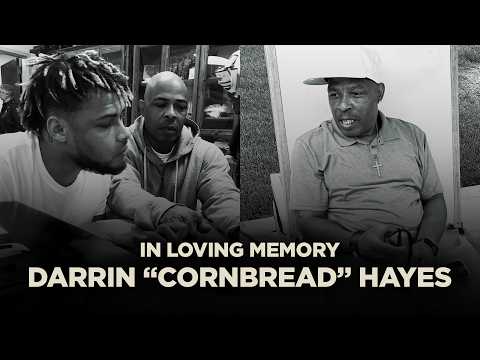
Today on In the Bayou, Tyrann Mathieu remembers and honors the life of his father, Darrin “Cornbread” Hayes A powerful tribute to a father, mentor, and friend. Rest in Peace ❤️ youtu.be/UoDn4z1v7Rw
YouTube video
YouTube
In The Bayou With Tyrann Mathieu tweet media
English
2
19
169
38.8K
dr. j
dr. j@profpookie·
And to be clear I like this show; it also struck me as quite peculiar that only one episode ever addressed queerness, and it was a guest star who had a crush on Maxine from their college days. Meanwhile Queen Latifah was right there the whole time pretending to like Scooter. Okay
English
0
0
0
51
dr. j
dr. j@profpookie·
And if one wanted to have a critical conversation on queer politics, Black art, and exclusion, then Sinners would not be the target. That would be the tv show set in Brooklyn during the 90s with a real life lesbian as lead…but there’s a difference between that creator and Ryan..
English
1
0
0
92
dr. j retweetledi
In The Bayou With Tyrann Mathieu
Tyrann Mathieu tells the story of meeting his father for the first time. “For a while, that’s how I looked at it—like a badge of honor and something to be glorified—until I actually went to prison and saw the conditions my father was in. That was a reality check for me.”
English
26
377
4K
57.9K