

Psypher
3.7K posts

Psypher
@psypher246
Cypherpunk Psychonaut powered by Dash
Katılım Mayıs 2008
152 Takip Edilen205 Takipçiler

@psypher246 @MoneyBadgerPay What about Thunder Brothers Car Wash?
English
Can you spend Bitcoin in South Africa?
Yes. You can spend Bitcoin at hundreds of thousands of locations across South Africa.
This includes major retailers such as Pick n Pay, as well as businesses such as Bootlegger Cafés and Engen service stations.
This is largely made possible by MoneyBadger, a South African crypto payment gateway that acts as a bridge between traditional payment rails like Scan to Pay and Zapper and your Bitcoin Lightning wallet.
Spending Bitcoin in SA (1/17)
For all 17 questions + answers: bitcoinfriendlysa.co.za/academy/can-yo…
English
@NickDarlington One of my second favourite spends, especially when BTC is pumping, is BUTLERS PIZZA, thanks to @MoneyBadgerPay . The best damn pizza in SA. Always feels right to be buying pizza with BTC.
English
@psypher246 Haha It’s always the Scan to Pay payments that take so long. I also frequent buy fuel at Engen.
English


English
This is how it's like explaining the difference between "now now" and "just now" to a non South African
Oh and just now I found out that Spaceballs 2 is coming out now now. AND RICK'S BACK WOOP!
X Viral Troll@XViralTroll
@DiscussingFilm Best scene
English
@RemyTaTouilli @DiscussingFilm @Osrick333 Seriously! Rick is in it?! Wooohoooo! It would have not been the same without him. So excited!
English

@DiscussingFilm @Osrick333 This is Rick Moranis’ return to cinima. He hasn’t been in a movie since 1997.
Dude is a class act. He left acting to take care of his kids after his wife died. I may go see this just to support him.

English

First teaser for ‘SPACEBALLS: THE NEW ONE’.
In theaters on April 23, 2027.
English
@Bobfox_76 Anyone who invested anything in WLF deserved to have their money lost from blatantly obvious grifting family.
English

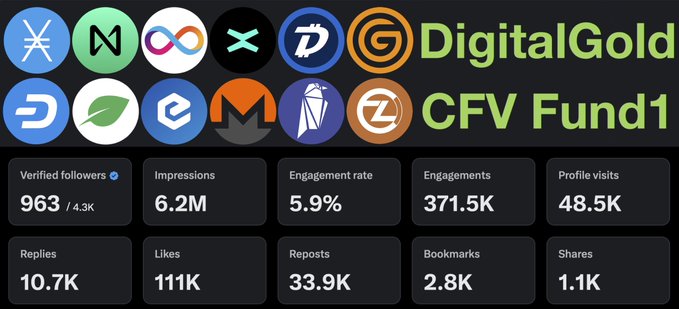
I don't have much time to read, to understand, I instinctively started investing $20 in this beautiful Fair Distribution Wealth-Preserving Money project. Like many, like everyone, I have my fears, we have all seen or suffered scams, just think of the World Liberty Financial case. So I study and try to understand, it's not easy. I read on Reddit numerous communities of crypto lovers, disappointed investors, worried that even Digital Goldx could reserve unpleasant surprises. I think not and I want to trust, John Gotts, the founder and CEO, is a capable person with great talent who is investing a lot for this wonderful project that has beautiful, fair and correct principles. I'm not saying to risk too much, but $100 - $1000 can really be the best choice. Already once in 2020 an Angel gave me a suggestion, sometimes you have to listen to your heart and trust, many may laugh but I believe that many people want to do well and if they do good, success comes and life rewards you. Thank you to use my invitation link: digitalgoldx.com/?promo=bobfox66
English

Opus 4.7 is in Claude Code today. It's more agentic, more precise, and a lot better at long-running work. It carries context across sessions and handles ambiguity much better.
Claude@claudeai
Introducing Claude Opus 4.7, our most capable Opus model yet. It handles long-running tasks with more rigor, follows instructions more precisely, and verifies its own outputs before reporting back. You can hand off your hardest work with less supervision.
English
@TheDesertLynx @TheDivingPaaao @vultisig Yeah, basically let us use a tangem card to keep one share on.
English

@TheDivingPaaao @vultisig Yes.
Say I have a 2/2 vault, 1 is on my phone and 1 is on my USB/Yubikey.
Go to send transaction, sign with the phone, insert USB, enter share password and it sends.
Even better if an NFC card could be made to do this.
English


Been waiting a month for Anthropic to answer a simple usage question about Claude Code subscriptions
Have I been ghosted
Matt Pocock@mattpocockuk
Can I get some questions answered by someone at Anthropic? 1. Can you use an OAuth token generated from a subscription to power the Claude Agent SDK strictly for using Claude Code in a local dev loop? All I want is a more reliable API for parallelizing multiple Claude Code's. 2. If I build an open source tool that relies on this pattern - i.e. for making parallelization easier - can I distribute it so that other people can use it? The reason I'm asking is that the legal compliance docs and @trq212's public statements (below) appear to contradict. x.com/trq212/status/…
English
@NickDarlington They haven't solved it yet since the UX is not great. Whereas others have solved speed, scalping, security and fees. In Dash's case, years ago. You really should give it a try.
English
@psypher246 But layer 2s like Lightning are and will solve these problems.
English
Do you think Bitcoin will become everyday money like fiat (rands, dollars, etc.)?
English
@20th_Centurygal @foofighters I literally had hearing issues for years after
English


@OneWayMusicX I'm old school - Revolution, The Beatles - the 45 version. Followed by Back in the USSR.
English


@NickDarlington Yes but compare the UX between Dash & BTC &/or LNBTC and it's hands down a much better experience with Dash in every measurable way. Also I didn't say Dash has the best chance. You are right about brand recognition, I'm just saying I don't think BTC has a chance cos the UX is bad
English
@psypher246 You really think so? Bitcoin is the most established and has that brand name going for it. Most people know Bitcoin. If you asked newbs about others like Dash, they'd probably have no clue.
English
@NickDarlington That's the one. I don't know if they still accept BTC though. Haven't been back since then.
English
When was the first time you spent Bitcoin? What did you buy?
English
@THORChain And Dash would have been easy peasy, was already funded by the DAO etc. Just had to integrate. Oh well. Someday TC will come round.
English
