Marc Chikhani

4.7K posts

Marc Chikhani banner
Marc Chikhani

Marc Chikhani

@quartered_onion

Magnesiumologist; mea sententia

If poked will troll. Katılım Ocak 2015
647 Takip Edilen591 Takipçiler
Marc Chikhani
Marc Chikhani@quartered_onion·
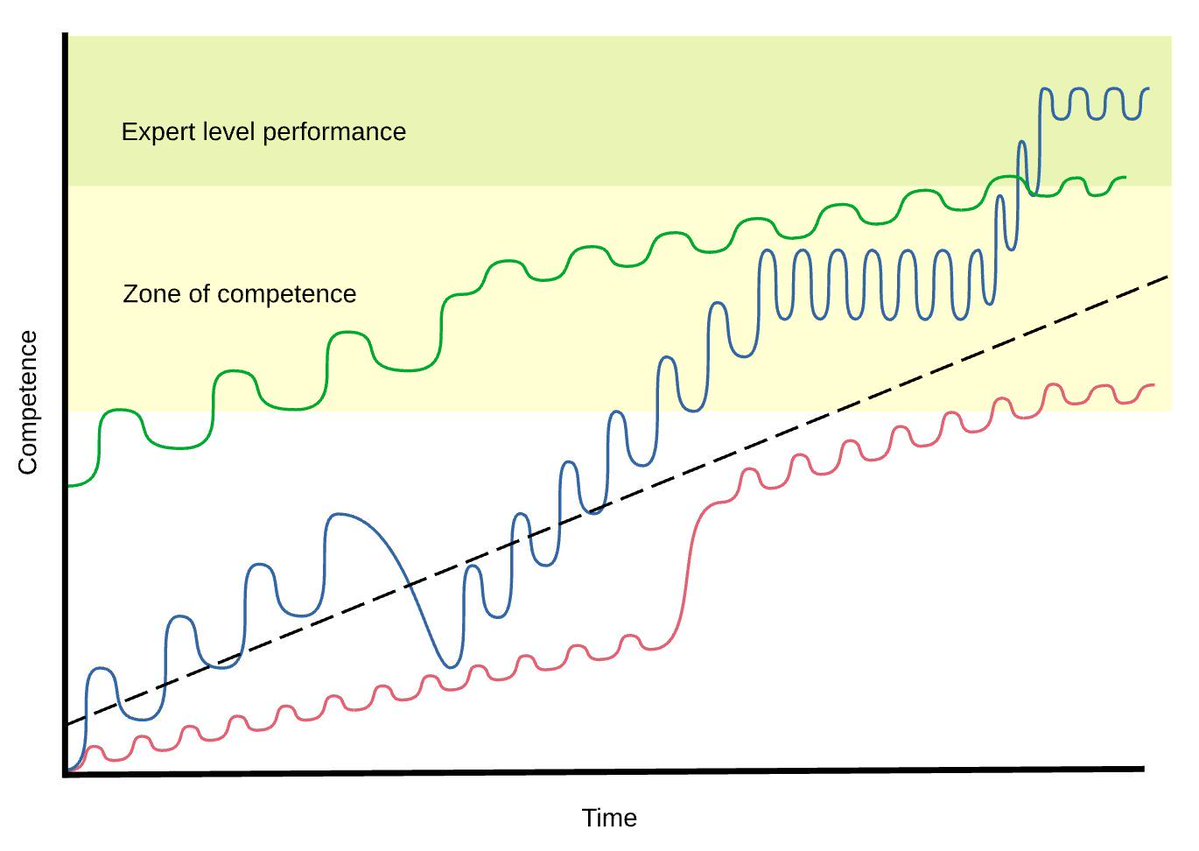
@Anaes_Journal Interesting ideal line - would have thought it would be shallow-steep-shallow sigmoid.
English
0
0
0
18
Marc Chikhani
Marc Chikhani@quartered_onion·
@Jopo_dr All ICU airways are difficult; anatomy, airway pathology, pathophysiology of critical illness.
English
0
0
1
18
Joanna Poole 💙 (@jopodr.bsky.social)
I don’t think we are missing potential airway difficulties I think critical care is just more tolerant of risk - an element of pragmatism vs an element of recklessness
British Journal of Anaesthesia@BJAJournals

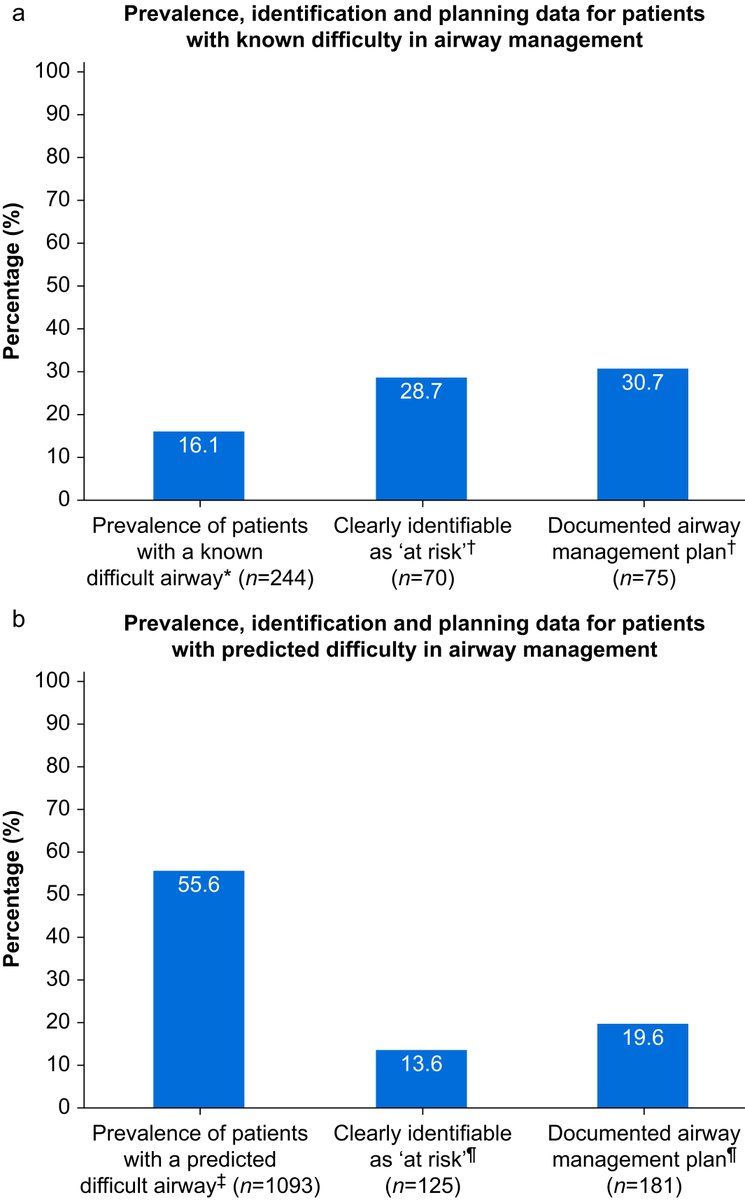
Are we missing signs of #airwaydifficulty in #criticalcare? This new study reveals gaps in recognition and planning—see the data and learn how we can improve patient safety. Read more: bjanaesthesia.org/article/S0007-…

English
2
1
1
1.9K
Marc Chikhani
Marc Chikhani@quartered_onion·
@DrJPGannon @BJAJournals Not always practical though. For example, how many elective lists are you willing to shut to extubate the known difficult airway in theatre? Or could you accommodate them urgently into the anaesthetic room with a spare anaesthetist? Do you have an anaesthetic room left?
English
0
0
0
3
DrG
DrG@DrJPGannon·
One observation I would make is that airway problems that evolve in the ICU setting are often ‘managed’ within the ICU environment when , in many cases, it would have been safer to have transferred a patient to an appropriately equipped and staffed OR environment. This is certainly the case for tracheostomy problems and anecdotaly I am aware of a number of cases where this failure has led to problems.
English
1
0
0
63
Nicholas Chrimes
Nicholas Chrimes@NicholasChrimes·
@selvan_ramsamy @doctimcook @AirwayMxAcademy If you can get a view w VL (whether using HA or standard geometry blade) intubation shouldn’t be difficult unless there’s periglottic pathology or operator inexperience. Beyond those situations “can see, can’t get the tube in” is a myth.
English
3
0
1
270
Nicholas Chrimes
Nicholas Chrimes@NicholasChrimes·
The VCI score adds nothing to airway documentation. Why does everything have to be reduced to an incomprehensible code? Why do we need a different system for documenting direct & indirect view? Why would anyone use POGO to document view when all it does is distinguish (w high inter-rater reliability!) bw degrees of easy view but loses all discriminatory value about anything the next person would actually want to know (CL 2b, 3a, 3b & 4 are all POGO zero).
British Journal of Anaesthesia@BJAJournals

Introducing the #VCIscore: a reliable, standardised tool for reporting #videolaryngoscopy-assisted #trachealintubation. High inter-rater agreement means better data and safer care. Read more: bjanaesthesia.org/article/S0007-…

English
2
9
28
4.9K
Marc Chikhani
Marc Chikhani@quartered_onion·
@NicholasChrimes Oh right? Like.... "There's no evidence that CPR increases risk of COVID-19 transmission"
English
0
0
0
66
Nicholas Chrimes
Nicholas Chrimes@NicholasChrimes·
The phrase “there isn’t evidence” shouldn’t be used. We should either be talking in terms that there IS evidence that something does/doesn’t work/harm, or saying we don’t know. “There isn’t evidence” misrepresents ignorance as knowledge. Absence of evidence of effect ≠ Evidence of absence of effect.
English
3
1
8
1K
Hermes
Hermes@AlloHermes·
@quartered_onion @TJCoats @ALMannixMD Definitely, if possible. It's amazing how much better the cooperation is when everyone actually talks to each other (especially senior decision makers).
English
1
0
1
28
Lexie Mannix, MD
Lexie Mannix, MD@ALMannixMD·
Consultants: we don’t expect you to know how to intubate, run a code, reduce a fracture, deliver a baby, or actively manage 30 patients simultaneously. Please don’t expect us to know every nuance of your specialty, either. That’s why we call.
English
25
44
727
73K
Hermes
Hermes@AlloHermes·
@TJCoats @ALMannixMD And hand over a patient they haven't met? You know what fixes this? Hospital facilitated conference calling - why is this not a thing? Get the two/three specialists who each think it's each others problem on the phone at the same time.
English
2
0
2
66
Marc Chikhani
Marc Chikhani@quartered_onion·
@doctimcook @Anaesthesia @Fionafionakel Is "can see can't intubate" a problem with HA blades - basically no... I'm sorry, what? It's a bit like the compelling evidence for VL with a success rate of over 80%
English
0
0
0
11
Marc Chikhani
Marc Chikhani@quartered_onion·
@doctimcook @Laurenc02468553 @Anaes_Journal Why so scared of an RSI? Sorry, apart from the increased CVS instability with TIVA (NAP 7) or increased awareness with TIVA (NAP 5). The most recent DAS guidelines for RSI, even has a lot of ventilation in it, and argument for NDMR after check vent is obsolete.
English
0
0
0
21
Tim Cook
Tim Cook@doctimcook·
Why not use RSI for all patients on a GLP1 agonist? First - because (as per my previous tweet) the risk of aspiration is >600-fold lower than the risk of having a full stomach Second because RSI is not a benign technique - increases risk of failed intubation 8-fold - increases risk of anaesthetic overdose (CVS instability etc) -increases risk of anaesthetic under dose (awareness) Etc etc etc If using muscle relaxants and TT when otherwise would be using an SGA -increases risk of airway complications at insertion and removal from use of TT -increases risk of anaphylaxis from NMBA -and awareness (from NMBA) So I think quite a few reasons to pause before deciding swathes of folk need RSI
English
3
15
52
7.4K
Marc Chikhani
Marc Chikhani@quartered_onion·
@doctimcook What- you mean it's more complicated than "no trace, wrong place"?
English
0
0
0
174
Tim Cook
Tim Cook@doctimcook·
A really important study on CAPNOGRAPHY TRACES DURING OESOPHAGEAL INTUBATION Important for three reasons 1 It provides important support for needing to satisfy the criteria for sustained exhaled CO2* to exclude oesophageal intubation 2 The morphological differences in CO2 trace from oesophageal and tracheal intubation offer technological opportunity for monitoring solutions to rapidly detect unrecognised oesophageal intubation 3 Sadly, they report a >10% unrecognised oesophageal intubation rate and all out of hospital services should be monitoring theirs and making changes (capnography, capnography interpretation, VL and if this doesn’t work stopping intubating and using SGAs or changing personnel) to make sure the rate is well below this *Sustained exhaled CO2 - rises and falls with ventilation - sustained (>7 breaths) - amplitude > 1kPa - clinically appropriate resuscitationjournal.com/article/S0300-…
English
3
55
125
11.6K
Marc Chikhani
Marc Chikhani@quartered_onion·
@Anaes_Journal No because of both infection and inhalational anaesthesia still being a thing.
English
0
0
0
205