Rashaka Boykins retweetledi
Rashaka Boykins
36K posts

Rashaka Boykins
@radebo
Humble Confident Born to lead IT Specialist MBA Real Estate Investor Living God's plan for me AKA Shak Son Uncle Cousin Friend Lifetime Longhorn Lakers' fan
Cedar Park, TX Katılım Eylül 2008
5K Takip Edilen1.8K Takipçiler
Rashaka Boykins retweetledi

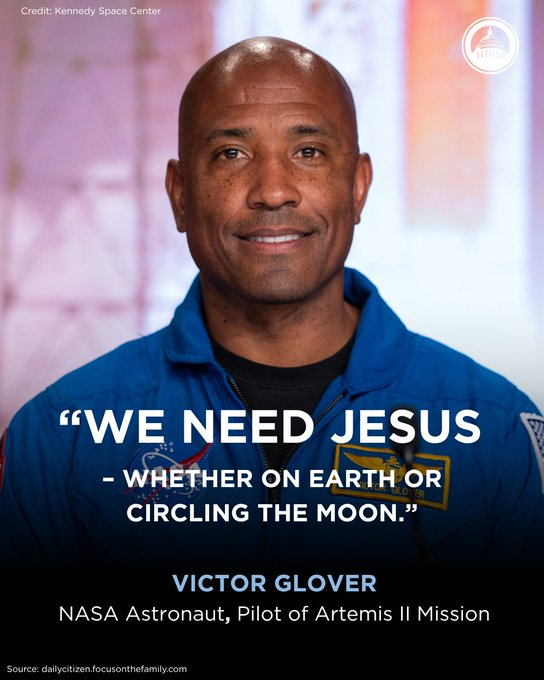
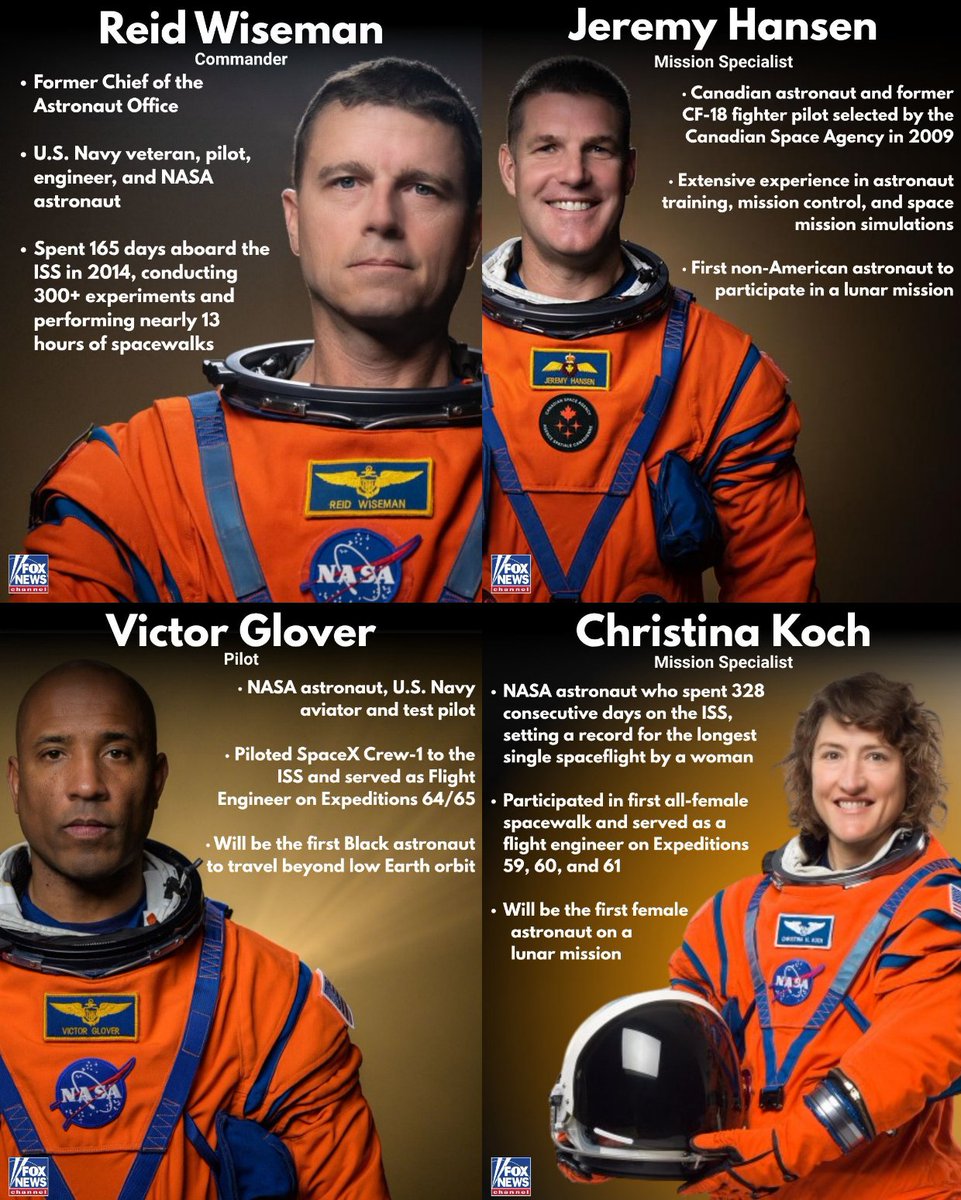
Congratulations to Southern California's very own @AstroVicGlover on his upcoming journey, piloting NASA’s Artemis II in its first mission around the moon in half a century.
You are an inspiration to us all. I look forward to cheering you on from back on Earth!

English
Rashaka Boykins retweetledi

@Nana_Chaos1 Dunn was a Radical Republican who advocated for land ownership, tax funded education for Black children & legal equality under the 14th Amendment. A black Republican spending tax money for tax funded education. He pushed for equal rights versus talking
Creole Louisiana 🇺🇸@bAnthonYsr
Once enslaved, Oscar Dunn was the 1st Black American Lt. Governor of Louisiana in 1868‼️ He advocated for equality for the millions of Black Americans freed by the 13th Amendment after the Civil War & later for equal protection of the laws under the 14th Amendment‼️🧐

English
Rashaka Boykins retweetledi

Queen Zewditu, known by the title Negiste Negest meaning “Queen of Kings,” ruled Ethiopia 🇪🇹 as Empress from 1916 to 1930. She is one of the most significant female leaders in African history and is widely recognized as the first globally acknowledged female head of state on the continent.
Ascending the throne during a period of political transition, Zewditu symbolized continuity, stability, and tradition in Ethiopia’s ancient monarchy. Her reign involved navigating internal reforms and external pressures, during which she played a key role in maintaining the country’s sovereignty and identity.
While Ras Tafari Makonnen, who later became Emperor Haile Selassie, handled much of the day-to-day administration, Zewditu remained the central figure of authority. She upheld Ethiopia’s cultural and religious traditions, particularly through her deep connection to the Ethiopian Orthodox Church.
Her rule represented something rare for the time: a woman leading a sovereign nation on the global stage. In an era when female leadership was uncommon worldwide, Queen Zewditu’s position challenged expectations and demonstrated the presence of powerful women in African governance.

English
Rashaka Boykins retweetledi

There is something deeply unsettling happening inside parts of American Christianity.
And if we are honest, it did not start with Donald Trump. But it has become impossible to ignore in the Trump era.
A recent piece in The Atlantic from Peter Wehner, a former speechwriter for the administrations of three Republican U.S. presidents, captures this tension well. It argues that for many believers, politics is no longer shaped by faith. Increasingly, it is replacing it.
Christianity was never meant to be about power. It was meant to be about transformation. Jesus did not call His followers to win culture wars. He called them to carry a cross. He did not say, “Defeat your enemies.” He said, “Love your enemies.” He did not say, “Protect your tribe at all costs.” He said, “Whoever wants to save their life will lose it.”
And yet, what we increasingly see in some corners of modern Christianity looks very different. We see anger reframed as righteousness. We see cruelty justified as strength. We see loyalty to political figures elevated to something dangerously close to devotion.
What we are witnessing is a substitution of faith with politics, transformation with power. When faith becomes shallow, something else fills the vacuum. And politics is very good at doing that. Politics offers identity. It offers purpose. It offers belonging. It offers a clear line between “us” and “them.” In many ways, it offers everything religion offers — except transformation.
And that is the danger.
Because when politics becomes a substitute for faith, it does not make people more Christ-like. It makes them more tribal. It teaches them to win, not to love. To dominate, not to serve. To justify, not to repent.
And over time, something subtle but profound happens: Jesus is no longer the center. He becomes a symbol — used to defend something else.
To be clear, this is not about left vs right. It is not about whether Christians should engage in politics. They should.
But engagement is not the same as surrender. Christians are called to influence the world. Not be conformed by it. And when the language, tone, and spirit of politics begin to override the teachings of Christ, something has gone wrong.
Deeply wrong.
But here is the hopeful part.
This is not the end of the story. Throughout history, Christianity has gone through seasons where it drifted toward power, toward institutions, toward political alignment. And each time, renewal came. Not through louder politics. But through deeper faith. Through people who returned to the core: humility, repentance, sacrifice, love.
That path is still open. And maybe that is the real question for all of us: Are we following Jesus… or are we using His name to follow something else? Because those two paths may look similar at first. But they lead to very different destinations.

English
Rashaka Boykins retweetledi

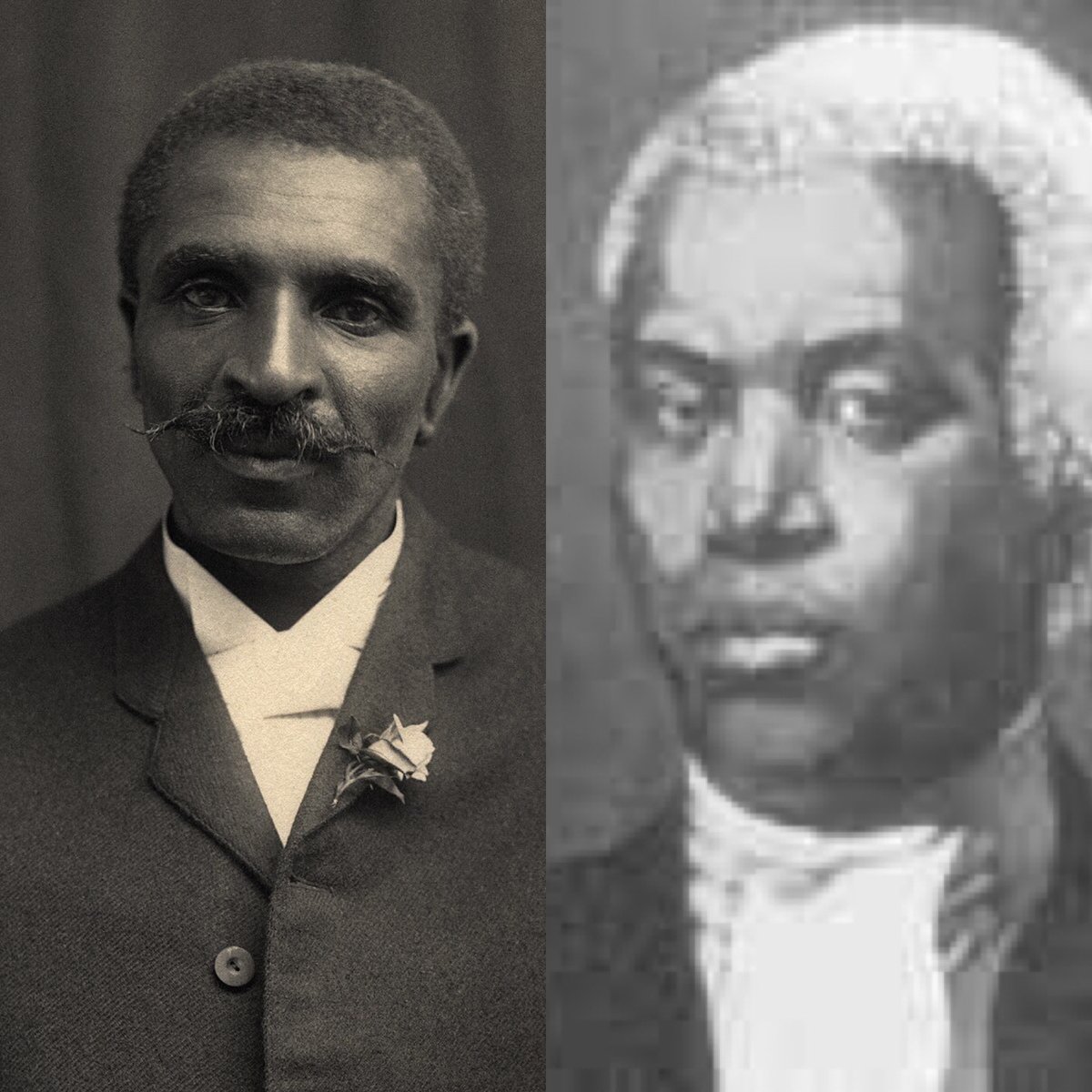
Happy Belated Farm Workers Day to two pioneers who helped feed and sustain America.
Benjamin Banneker created the first Farmer’s Almanac, giving farmers the knowledge they needed to survive and helping save a young nation from starvation.
George Washington Carver revolutionized agriculture, teaching soil enrichment and crop rotation to sustain and strengthen America’s farming industry.
Their work built the foundation of American agriculture.

English
Rashaka Boykins retweetledi