
سالار شریفزاده retweetledi

The Dersim Massacre (1937–1938): A Tragedy Still Denied
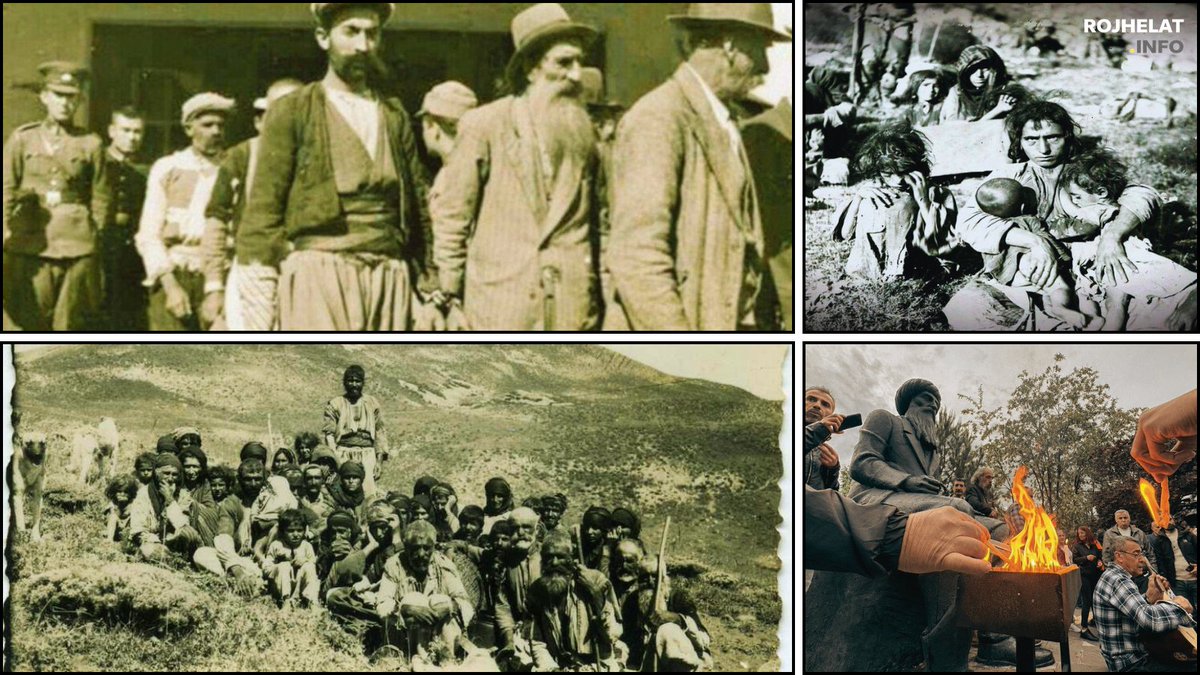
The Dersim massacre is considered one of the darkest and most shocking acts of state violence in modern history. It took place between May 4, 1937, and September 1, 1938, during the rule of Mustafa Kemal in the region of Dersim.
Often described by many as a “genocide,” this event was not just a military operation against a rebellion, but a systematic attack on a civilian population—mainly Alevi Kurdish communities who became targets of state policies aimed at control and forced assimilation.
According to various reports, tens of thousands of people—around 50,000 to 70,000—lost their lives. However, official accounts from the Turkish state continue to present much lower numbers. Many others were forcibly displaced and sent to different parts of the country, in what appears to have been an effort to change the region’s demographic structure.
There are also reports suggesting the use of chemical agents such as chloracetophenone and mustard gas, pointing to the extreme level of violence used during the operations.
These actions are often understood within the broader context of policies like the 1934 Resettlement Law, which aimed to control and assimilate minority populations.
Today, even after many decades, the wounds of this tragedy remain unhealed. Every year on May 4, people gather in places like the Qamar Cave to remember the victims and call for truth and justice.
What makes this tragedy even more painful is the continued silence, denial, and lack of full accountability.
Dersim is not just a historical event—it remains a living wound that still awaits recognition and justice.
English