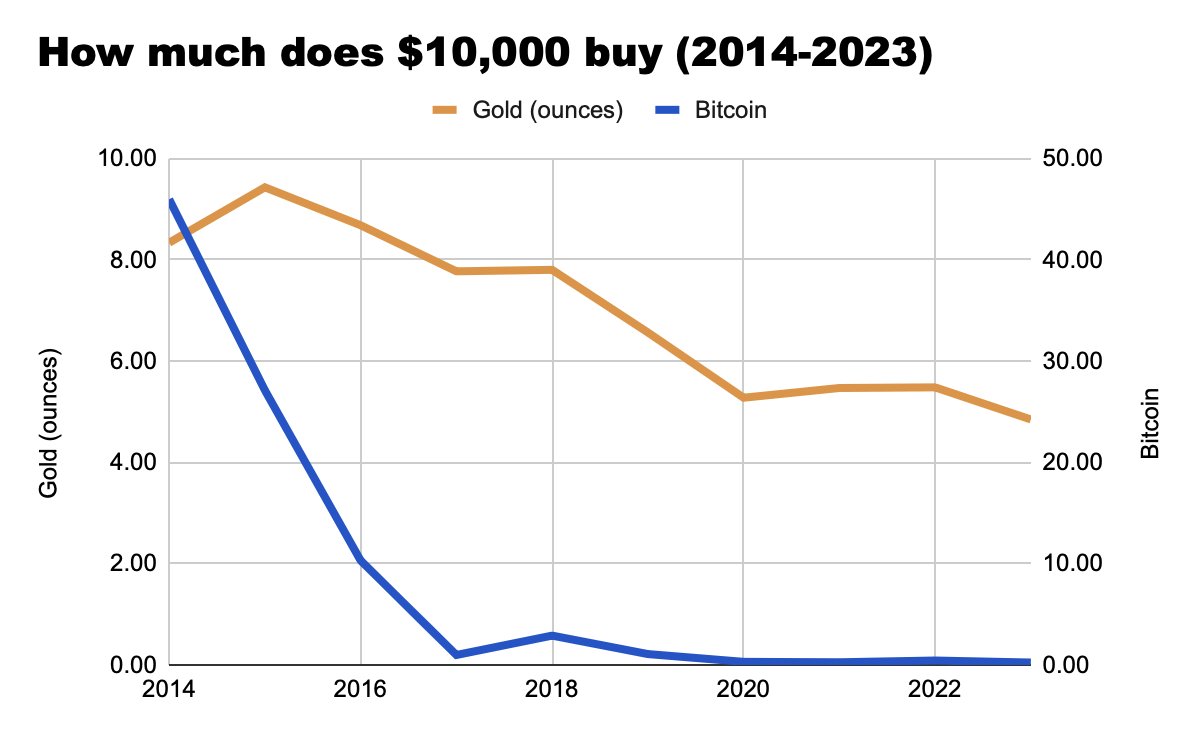
Still debating the economics of a 10% APR credit card?
There’s already a 0% APR option available- with no late fees and no credit check.
It’s called Live Pay, by @earnin

English
ram palaniappan
1.3K posts

@ram180
Reimagining the way money works. CEO and Founder of Earnin.



All money is now hot money. The rise of RTP, web, mobile banking and open banking all provide ways for money to move faster. Generally that’s a good thing. If consumers and merchants get paid faster, they’re more liquid, and more able to drive up demand in the economy. But there’s a catch. If money moves faster, it creates more risk. More risk for deposit taking institutions like banks, who have to ensure they’re not at risk of a run-on-the-bank scenario like we saw in the banking crisis. More risk for fraud as RTP rails like Zelle, FedNow, CashApp and Instant ACH become high risk for scams. More risk for money laundering, as criminals can quickly place, layer and integrate their stolen funds by moving it faster than ever. If money moves faster, our systems and processes have to move faster too. This means 👉 Having a risk based approach to deposits. Today we tend to classify in a binary brokered or not. Insured or not. The reality is there is a spectrum. Some with sweeps, price competition, and some more transactional. 👉Look for as much data before a transaction as possible. The earliest signals can be the difference between holding a payment and letting it go to prevent fraud. 👉 Collaboration is key. One payment rail rarely sees the whole picture. We need to see payment behavior across all rails to build a complete picture of money laundering risk. h/t to @mikulaja who raised this talking point in his recent Fintech Business Weekly.