Sabitlenmiş Tweet

Today is my 🏋️♂️ LIFTVERSARY
I started lifting exactly 6 years ago today
I was super skinny at the time, only 57kg (125lbs)
I signed up for a gym at the beginning of December 2019, but I was so scared I kept postponing my first workout
I was so intimidated that the first time I went for a workout I only ran on the treadmill
I chose the treadmill because it was the only thing in the gym I knew how to use. It was a safe place and I mostly used it so I could look at the rest of the gym from there, and try to figure out how things worked, how people were actually using the equipment
It took me a couple days until I went in and actually started lifting weights
I have everything logged: the first thing I ever did was bench press with 4kg dumbbells (8 lbs) and I remember my arms were shaking (!!!)
I was so weak and thin I couldn't even lift four kilos without my entire body shaking
Then I started eating A LOT, way more than my skinny body wanted
And I kept lifting heavier every session, so every workout I felt less and less weak until the shaking went away
The following year I went on to gain ~15kg (33 lbs)
Covid hit shortly after I started lifting, and all gyms closed down, so I had to improvise a gym at home with water jugs just to keep the habit and the early gains
Then I started nomading, traveled to Portugal, then Thailand, all while gyms were still closed down, so I had to train at home and in hotel rooms with TRX straps for months
I also had to endure through a nasty leg infection in Koh Samui Thailand that got me hospitalized for a week and limping for a while. Still I kept on deadlifting shortly after surgery
I had two or three year-long hiatuses here and there, generally correlated with injuries / traveling / moving countries (life is difficult!) but the overall trend is up and to the right!!!
I'm now the strongest and heaviest I've ever been, and still a long way to go too!
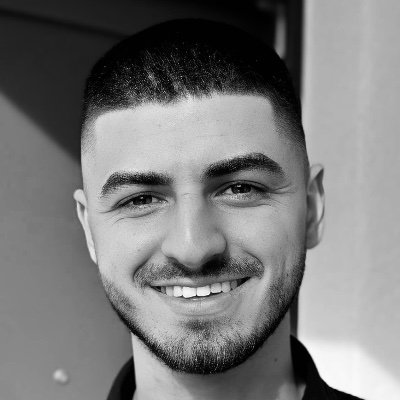
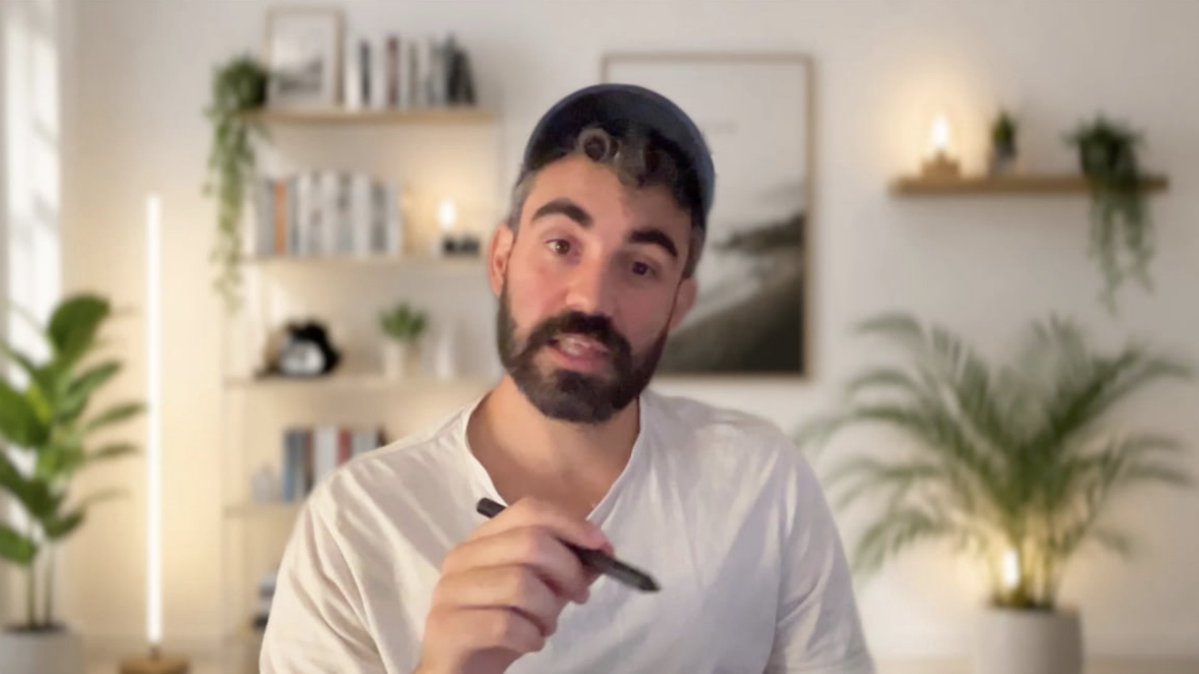
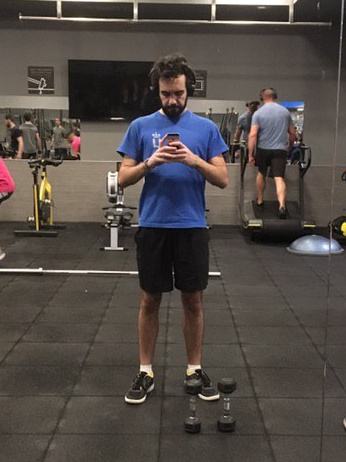
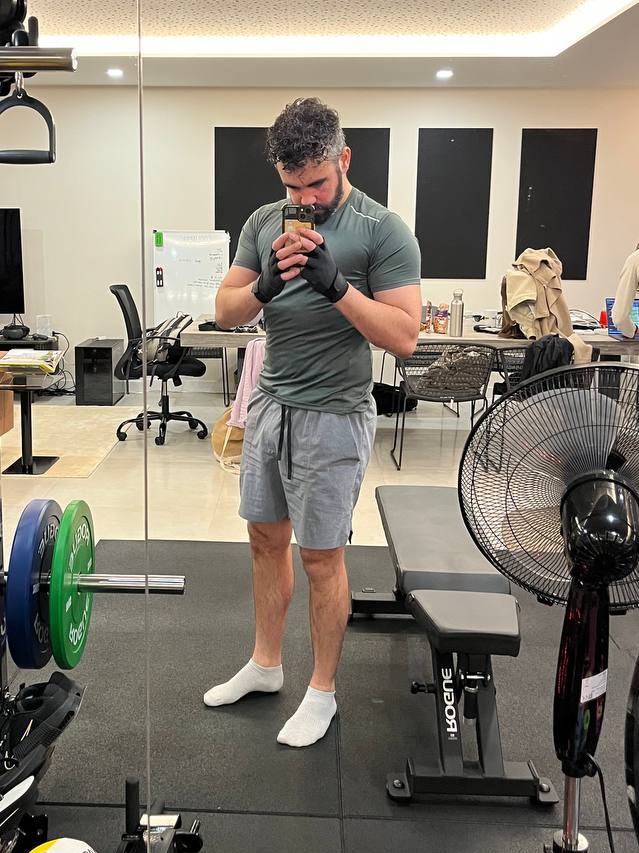
The first pic is me in my second week at the gym. The second pic is from yesterday
I've gained ~30kg (66 lbs) total since I started back in 2019, I'm now 84kg (185 lbs)
English