Rashid Salimu
6.4K posts

Rashid Salimu
@rashid27able
Travel enthusiast, people, places, Muslim
Katılım Eylül 2009
1.3K Takip Edilen1.2K Takipçiler
Rashid Salimu retweetledi

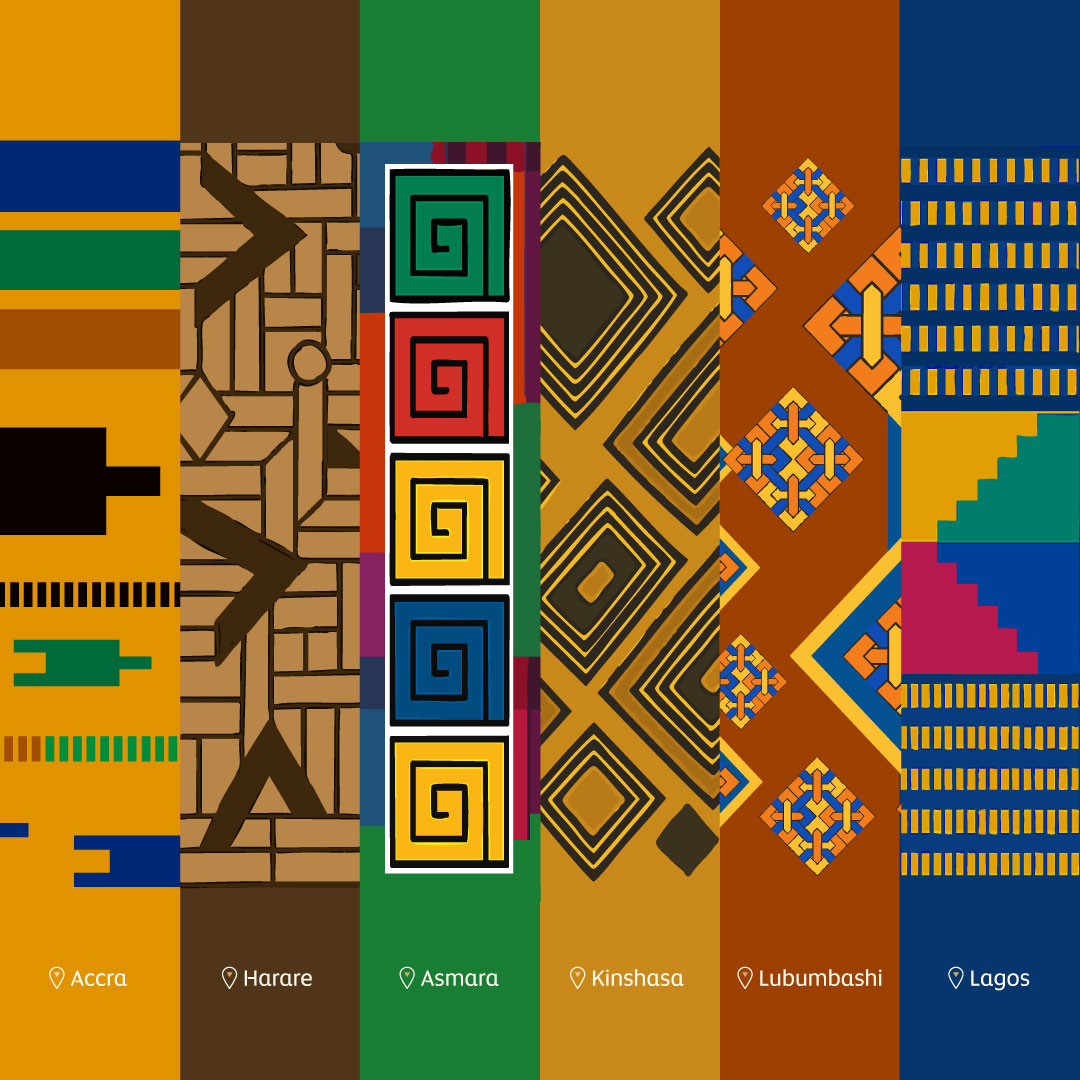
Six new destinations. One incredible continent ✈️🌍
🇬🇭Accra, Ghana
🇪🇷Asmara, Eritrea
🇿🇼Harare, Zimbabwe
🇨🇩Kinshasa, DR Congo
🇳🇬Lagos, Nigeria
🇨🇩Lubumbashi, DR Congo
This is Africa, in full colour 🌍
Book now at etihad.com
#Etihad #BeyondBorders
English

My PhD was conferred on the 15th of April at the University of Johannesburg @UjHumanities Graduation Ceremony. It has been a tough journey but God paved the way. I am grateful to all who made this possible. @joecharex @KMutisi @patriciamota308 @ShumiraiNyasha6 @ignitive3_0

English


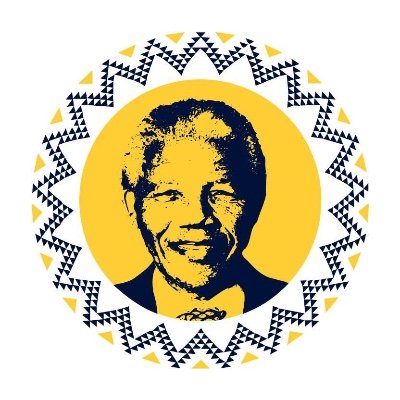
Introducing the newly installed Chancellor of Nelson Mandela University, Dr Grace Naledi Mandisa Pandor

English

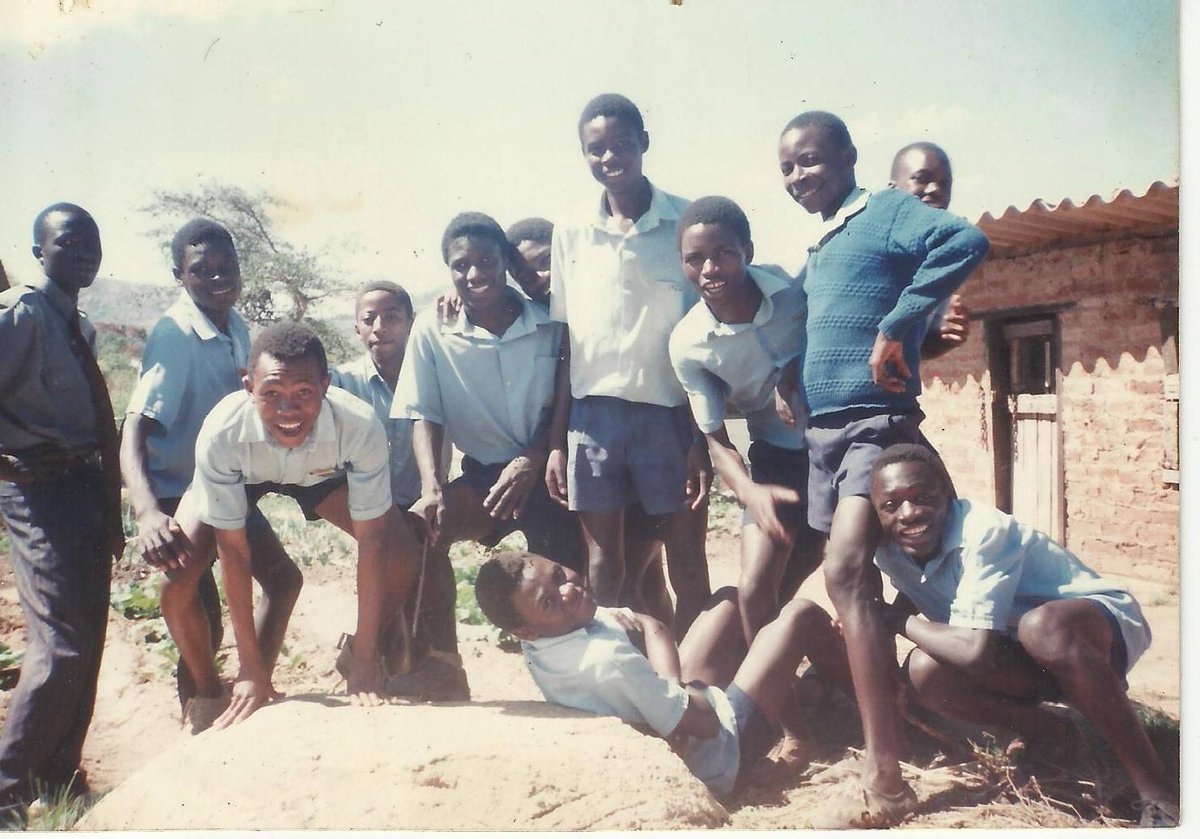
1995 in December. Vumbunu. Teacher Makombe with some of the pupils.
English

WHO IS MLAMBO?
The Mlambo clan (often appearing as a surname or chidau/praise-name identifier) is one of the most prominent and symbolically central clans among the Ndau people of southeastern Zimbabwe, particularly in Manicaland province’s Chipinge and Chimanimani districts.
The Ndau are a Shona-speaking ethnic group indigenous to the region between the Pungwe and Save rivers, with deep roots in what is now eastern Zimbabwe and central Mozambique. They are historically related to the Karanga and Manyika subgroups and were already established in the area by the 1500s (noted by early Portuguese observers such as João dos Santos).
Common Ancestor and Foundational Role
Traditional Ndau oral history identifies Musikavanthu/Mlambo (sometimes rendered Musikavanhu) as the common ancestor and progenitor of the Ndau people. Multiple sources explicitly describe the Mlambo clan as “acknowledged as the father of Ndau peoples.” Ndau people across different surnames and subgroups regard themselves as unified through descent from this figure, ultimately considering themselves Dziva (pool/water) totem descendants.
Musikavanthu is revered not only as an ancestral leader but as a powerful rainmaker and the earthly embodiment of Mwari (the Shona Creator God), sometimes called Mwari Musikavanthu. This gives the clan a strong spiritual and ritual dimension tied to rainmaking and cosmic authority.
Oral traditions link Musikavanthu to the decline of Great Zimbabwe (c. 15th century): he is said to have left the site after the people violated his commands (mhiko). His descendant (or son) of the Dziva totem, Dziva Musikavanhu, fathered Nyatsimba Mutota, founder of the Munhumutapa (Mutapa) Empire. This places the Mlambo/Musikavanthu lineage at the heart of medieval Zimbabwean state formation.
Clans, Totems, and Local Presence in Manicaland
Ndau social organization revolves around clans and totems (mutupo). While modern Ndau-Shangani frequently use Nguni-influenced surnames (including Mlambo alongside Simango, Mhlanga, Sithole, Dube, etc.), the underlying identity often traces back to pre-Nguni Shona/Ndau roots. In some contexts, Mlambo is also associated with the ant/cockroach (Ishwa/Majuru/Beta/Muyambo) totem common in southern Manyika/Ndau areas, symbolizing group loyalty, industriousness, and collective strength.
In Chipinge district (a core Ndau area in Manicaland), specific chiefdoms explicitly reference Mlambo:
Headman areas in Dondo and Sone list Mlambo as chidau alongside totems such as mvuu (hippopotamus) or Dziva.
Nguni Influence and the 19th-Century Transformations
The Mfecane/Difaqane upheavals of the 1820s–1830s profoundly reshaped Ndau society. Nguni groups under Nxaba and especially Soshangane (who established the Gaza Empire) conquered much of the Ndau territory. Many Ndau men were killed, women taken as wives, and survivors incorporated into the new Shangani (Gaza/Shangaan) polity. This led to widespread cultural and linguistic mixing: Nguni words, praise poetry, and surnames (including Mlambo) became common among Ndau-Shangani people.
Despite this, the core Ndau identity and the Musikavanthu/Mlambo ancestral narrative persisted as a unifying thread. Some Ndau sought refuge among the Chopi (who had Portuguese-supplied firearms) and maintained greater independence. The result is the hybrid Ndau-Shangaan culture visible today, with Mlambo functioning as both an ancient ancestral marker and a widely adopted Nguni-era surname.
English
Rashid Salimu retweetledi

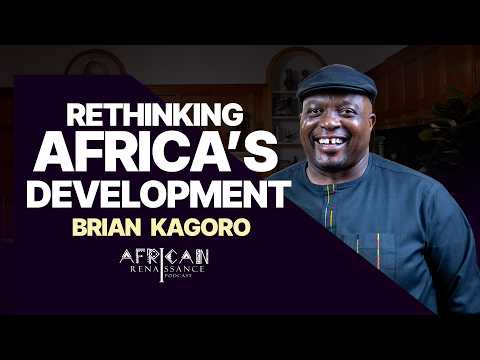
LIVE NOW: episode 22 of #AfricanRenaissancePodcast is out now. @MbuyiseniNdlozi is sitting down with @TamukaKagoro77 WATCH IT HERE: youtu.be/VqVf6dAgisE
YouTube
English


"Kick them while they're down"
"Death and destruction from the sky all day long"
"And now, I'd like to close with some scripture..."
English
@rashid27able Yes. I was there from January to September in 1995. I was teaching Grade 6C.
English

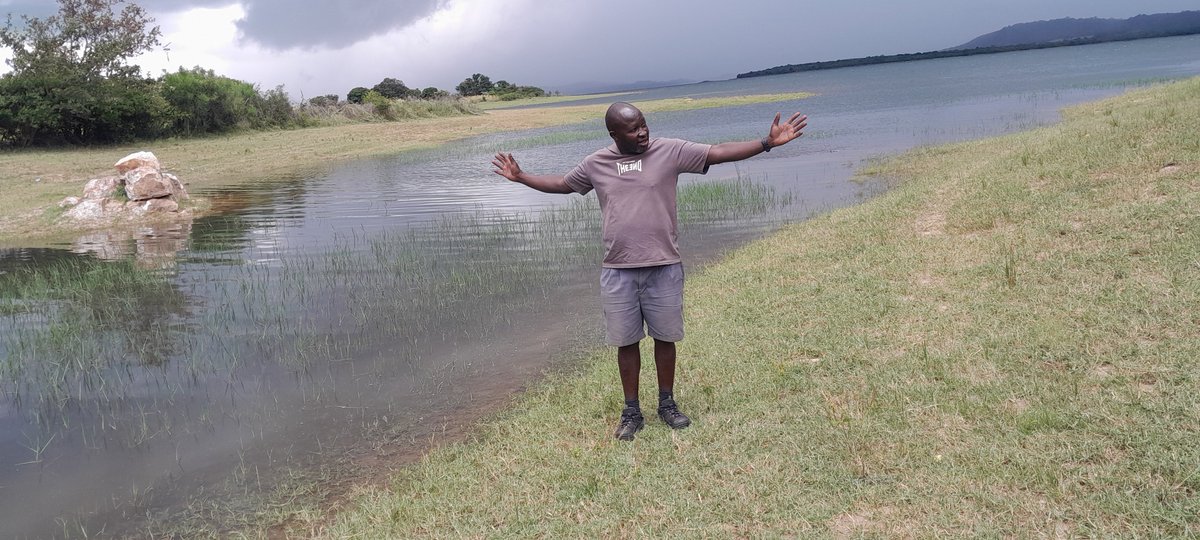

@rashid27able I live in #Zongoro, about 18km from Osborne. I can get to Osborne via Manica Bridge or #Watsomba,
English
@ZTNPrime Ryan Burl, Sikander has already earned his stripes
Zimbabwe 🇿🇼 English

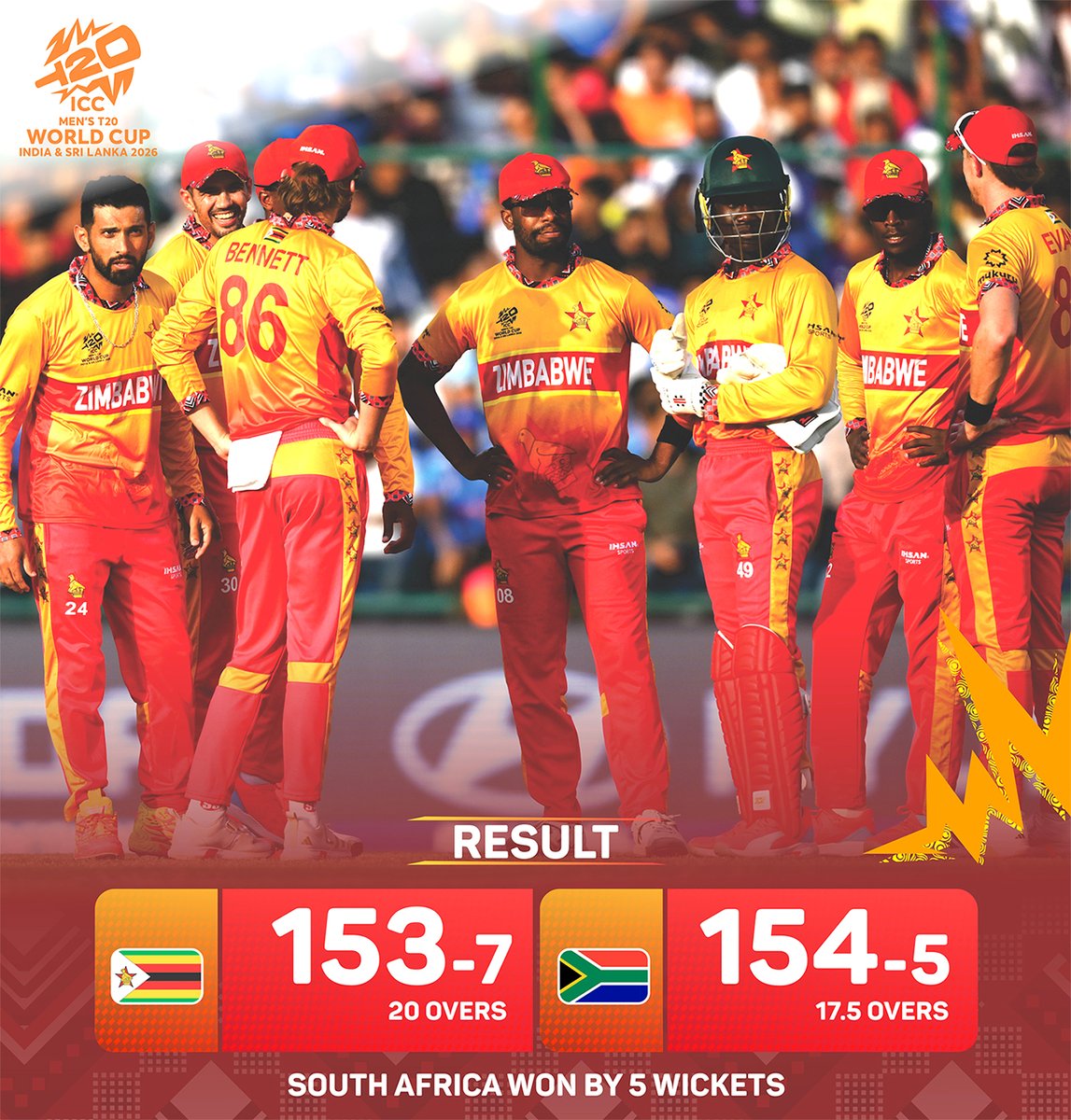
🤔Which Chevrons player impressed you at the #2026T20WorldCup?
Zimbabwe ended their group stages campaign unbeaten and secured automatic qualification for the 2028 edition to be co-hosted by Australia and New Zealand.
#GetThePicture #Zimbabwe

English
@ZimCricketv Walking tall, lessons learnt. Proud!
Zimbabwe 🇿🇼 English

English
Rashid Salimu retweetledi

A performance worthy of the Player of the Match award 🇿🇼🏆
Sikander Raza signs off from the #T20WorldCup in style 👏
#SSCricket

English
Wanna see how this pans out.
I'm sure Iranian threats were just empty jibe.
Department of War 🇺🇸@DeptofWar
OPERATION EPIC FURY 🇺🇸
English