
batman⚡️
6.1K posts


@stethonomad 100%, they have a history of rigging elections and messing with the EVMs
English

@rewiredakh BJP goons are out flaunting and harassing. I worry for the Muslims.
A lot of talk about rigged elections. Any credibility?
English
batman⚡️ retweetledi

batman⚡️ retweetledi
batman⚡️ retweetledi


the hate against shaykh alwan and shaykh turayfi is so forced, these scholars have knowledge as vast as the ocean and so many of the kibar-ul-ulema would frequently reference them before they spoke out against the kingdom
al-Darawardi@SchizoPashtun
Shaykh ’Abd al-’Aziz al-Rajihi referenced a fiqh work by Shaykh Sulayman al-’Alwan during his explanation of Sunan Abi Dawud. Audio date: 18 November 2019
English
@repelfurb fasting mondays and thursdays, IF is great for boosting gut health and peristalsis
English
batman⚡️ retweetledi
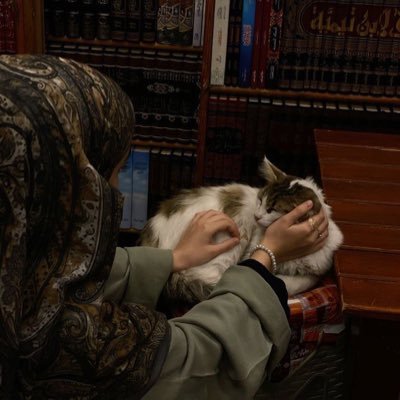
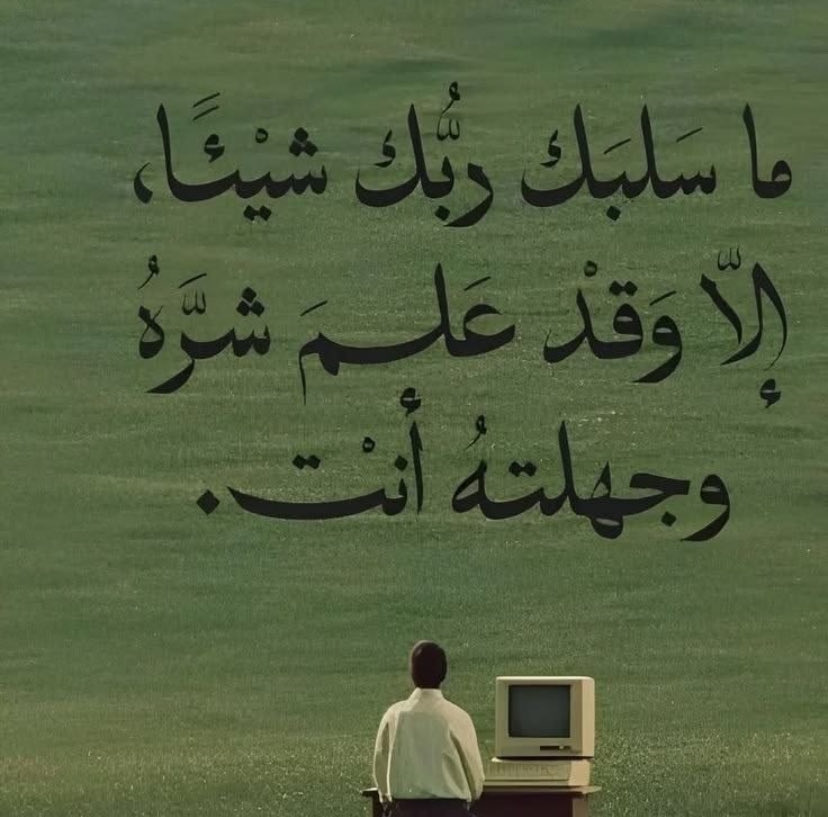
@Lowpolyspaniard @AMDJUHD you may burn the physical copy of the book, yet you cannot burn it from the hearts of millions of muslims who have memorized it by heart and implement its teachings. Die in ur rage stupid kafir
English

@AMDJUHD This is what we do in Spain with your religion 😂😂😂 we laugh and blaspheme at islam everyday lol
And yeah, you can try to take Al Andalus back, we will welcome you with delicious bacon 🥓 😋
salam aleykum habibi

English
batman⚡️ retweetledi

"Islam gives you three options:
- Convert
- Die
- Slavery"
GIF
GodlyAction@GodlyAction
Islam gives you three options: - Convert - Die - Slavery
English
@hashimiyy_ Yazid did not order that for the people of Medina, while that might be true the scholars still criticized him on the basis that he did not take any action against the army or Muslim ibn uqbah, & there’s another report which mentions how he knew what was going on yet didn’t budge
English

@rewiredakh They are weak. Here are the strong reports
Ibn ‘Abdullāh al-Hāshimī@hashimiyy_
Scans.
English
The Event of al-Ḥarrah (63 AH / 683 CE)
In the Name of Allah, the Most Merciful, the Especially Merciful.
After the death of Muʿāwiyah ibn Abī Sufyān, his son Yazīd ibn Muʿāwiyah assumed the caliphate. Discontent grew in Madīnah among some Companions and their descendants.
A delegation from Madīnah visited Syria, returned dissatisfied with Yazīd’s conduct, and opposition intensified.
Among the leaders of the Medinan opposition was ʿAbdullāh ibn Ḥanẓalah (known as “the son of the one washed by the angels”). The people of Madīnah expelled the Umayyad governor and renounced their allegiance.
In response, Yazīd sent a Syrian army under the command of Muslim ibn ʿUqbah. The two sides met at al-Ḥarrah, a volcanic plain outside Madīnah. The Syrian forces defeated the Medinan fighters.
What Happened After the Defeat?
While many later historical works repeat the claim that Madīnah was “made permissible” for three days, implying unrestricted killing and looting, the strength of those reports is heavily debated.
The most rigorously authenticated narrations do not clearly establish an explicit order from Yazid ibn Muawiya permitting a general violation of the city.
Rather, the stronger reports indicate that the Syrian army fought the Medinan rebels, defeated them, and compelled them to renew allegiance.
Some accounts mention incidents of bloodshed and disorder, but these appear connected to the realities of armed conflict, not to a formal decree allowing indiscriminate plunder.
In fact, certain narrations suggest that security was granted with specific exceptions tied to rebel leadership, not to the population at large.
The widespread portrayal of a systematic three-day free-for-all seems to rely largely on later reports whose chains and wording are contested.
Given the gravity of the accusation, a cautious historical method requires stronger proof than what these reports provide.
The Battle of al-Ḥarrah was undeniably a tragic internal conflict. However, the claim that Madīnah was officially subjected to mass, sanctioned violation remains historically unproven and not decisively established by any significant and authoritative early sources.
A careful reading of the evidence suggests that what occurred was merely a military suppression of a rebellion, not necessarily the wholesale, officially authorized devastation that later narratives sometimes describe.
A number of the more graphic accounts of al-Ḥarrah are transmitted through narrators who have been described by Sunni hadith critics as having Shīʿī leanings, which has led some scholars to question whether sectarian bias influenced the shaping or amplification of certain reports.
Allah ﷻ knows best.
Română
@rewiredakh haven’t watched it but I am 110% sure it’s just like any other Bollywood slop
English
@repelfurb or sperm cramps.. they don’t know the stuff we go thru
English