(((ToutPret)))
3.2K posts

(((ToutPret)))
@riochdaire
Personal account of Charles Murray. Retweets do not equal endorsements. Compte personnel de Charles Murray. Republier ne représente pas mon approbation.
New Brunswick, Canada Katılım Kasım 2015
1.3K Takip Edilen807 Takipçiler
(((ToutPret))) retweetledi

Atmosphere - Joy Division
RIP Ian Curtis. Forever remembered ❤️
@peterhook @MANCHESTERMUS10
#pianocover #piano
English
(((ToutPret))) retweetledi

And here I thought the Trump administration didn’t observe Black History Month.
The Bulwark@BulwarkOnline
Sen. Murphy: “So, your belief is that white Americans face more discrimination. at least prior to the Trump administration…than Black Americans?” Jeremy Carl, Trump's nominee to be assistant secretary of state for international organizations: "Yes, that's correct, and I'm not running away from that statement at all.”
English
(((ToutPret))) retweetledi

Russell Moore on Jeffrey Epstein and the myth of culture wars:
christianitytoday.com/2026/02/jeffre…
English
(((ToutPret))) retweetledi

President Trump’s post threatening to block the opening of a major new US-Canada bridge was filled with important omissions and misleading claims.
- Trump professed astonishment that the Canadian government would expect him to support the project. He didn’t mention that he explicitly endorsed the project in a 2017 joint statement with then-PM Trudeau, calling it a “vital economic link” and saying he looked forward to its quick completion.
- Trump, complaining about Canada, said “we should own, perhaps, at least one half of this asset.” But the state of Michigan already owns half of the bridge.
- Trump said, “I will not allow this bridge to open until the United States is fully compensated for everything we have given them.” But Canada paid for the entire bridge construction.
- Trump complained about a Buy American waiver Obama granted the project, then claimed the waiver let Canada “not use any American products, including our Steel.” But the waiver actually allowed Canadian and US steel to be treated equally in consideration for the project, and numerous Canadian officials and Republican former Michigan Gov. Rick Snyder say some American steel was indeed used. (Also worth noting the Obama administration said it was granting the waiver out of a “basic notion of fairness” because the project was a “unique circumstance…under which Canada is assuming all financial liability and risk for the construction.”)
Fact check: cnn.com/2026/02/10/pol…
English
(((ToutPret))) retweetledi

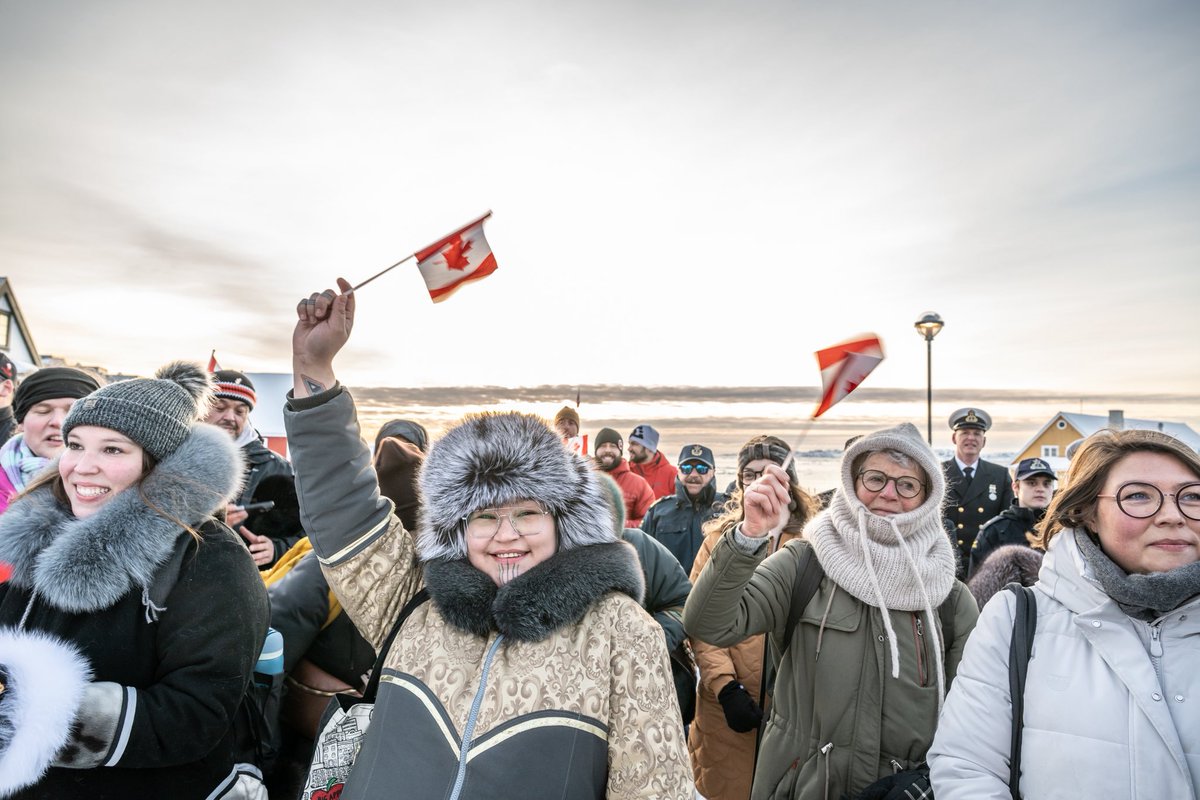
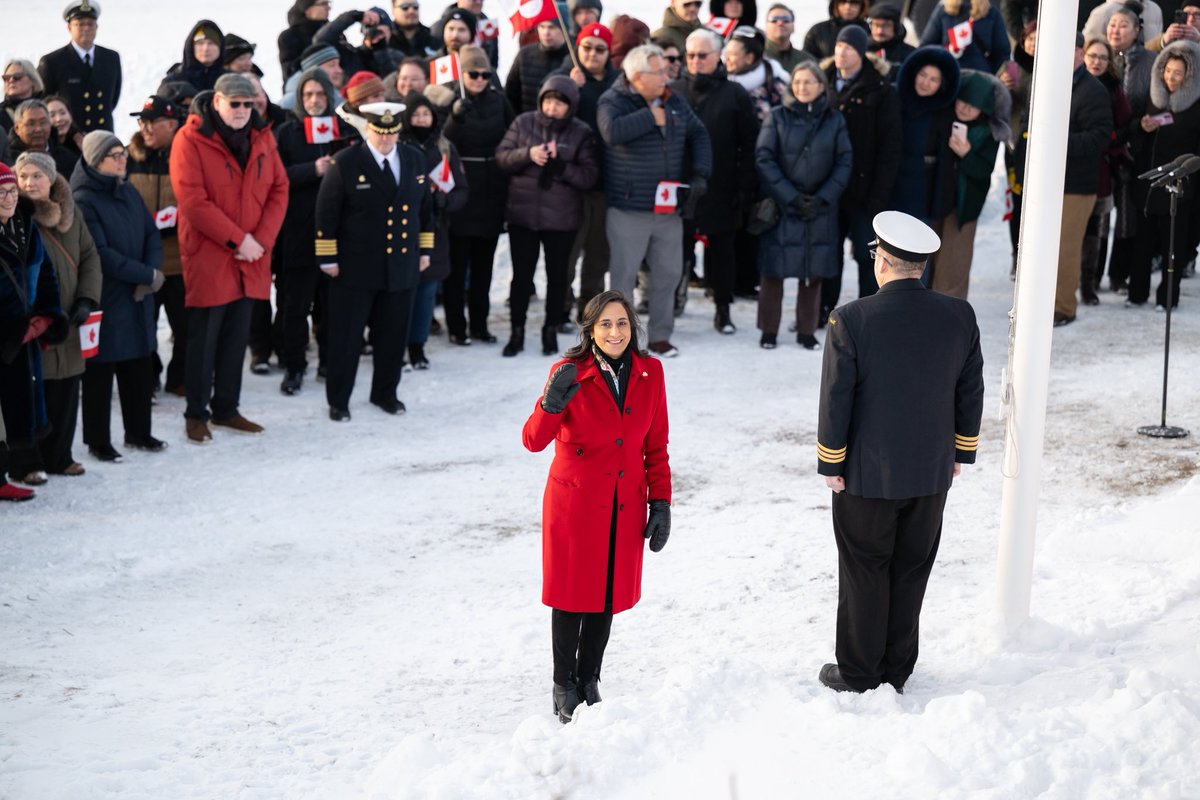
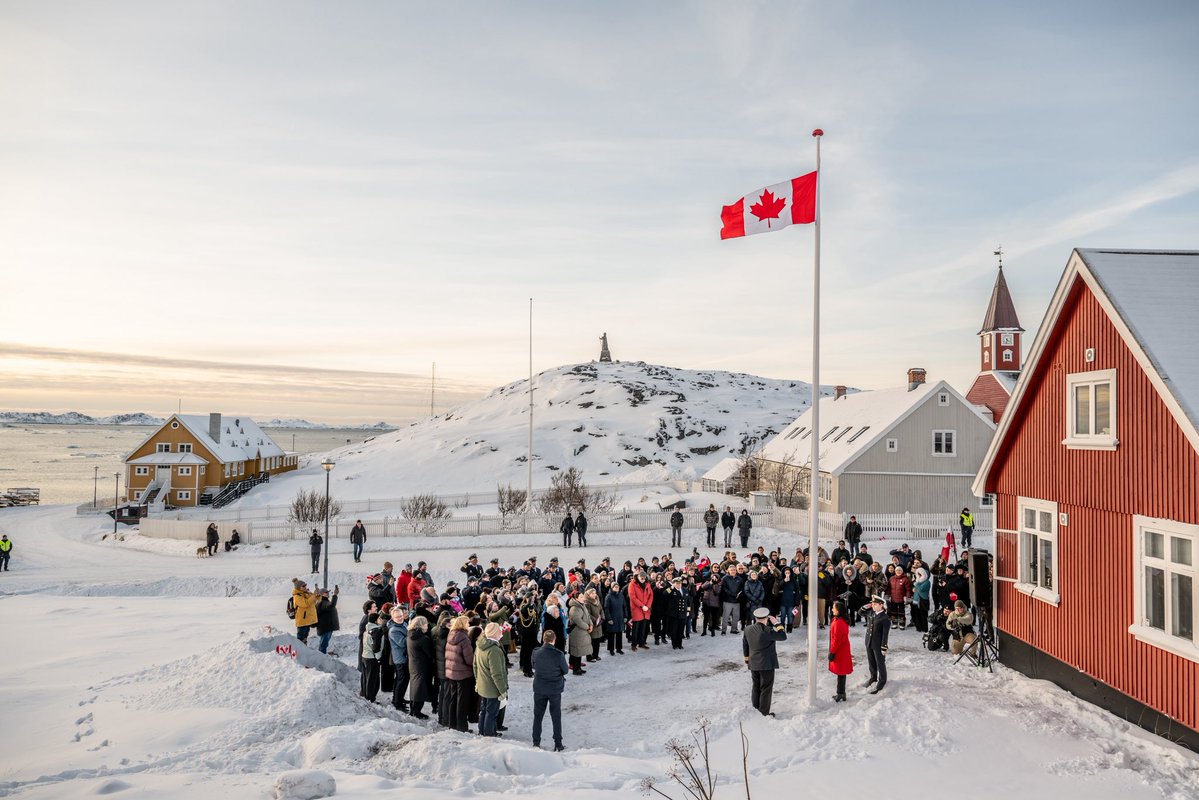
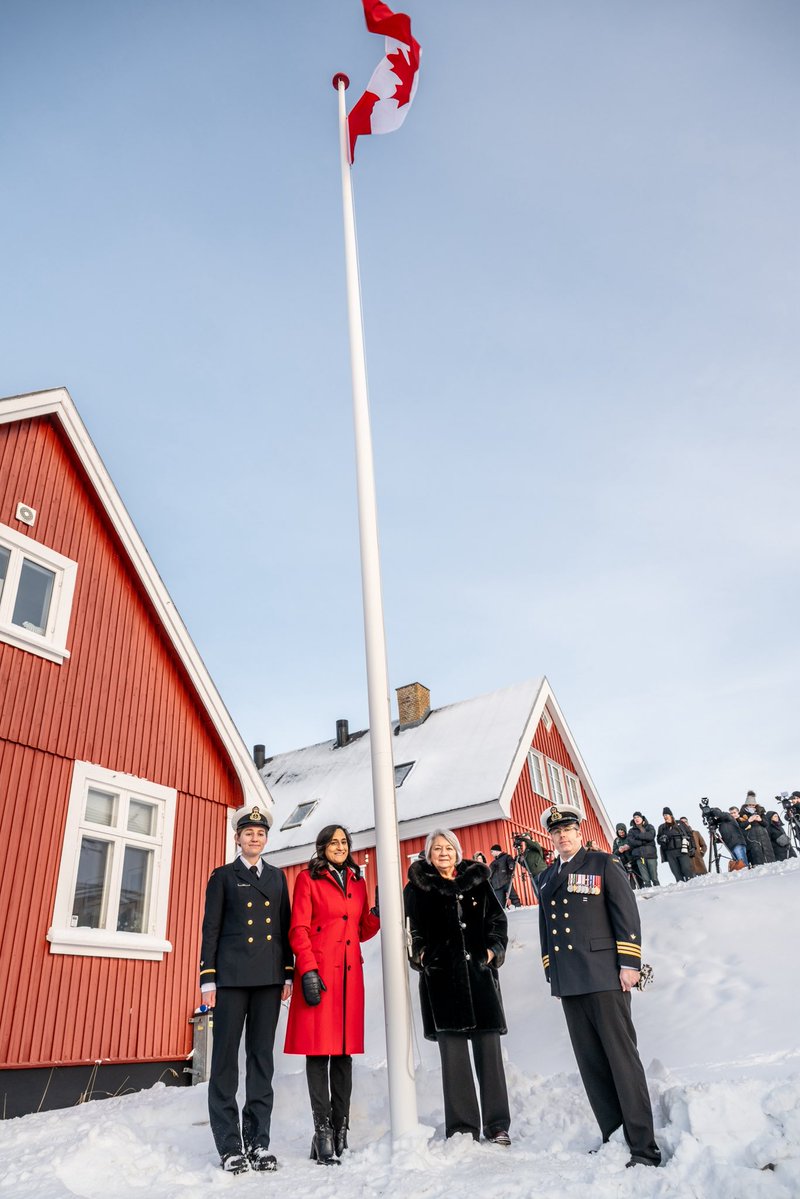
Opening ceremony of new Canadian embassy in Greenland x.com/i/broadcasts/1…
English
(((ToutPret))) retweetledi

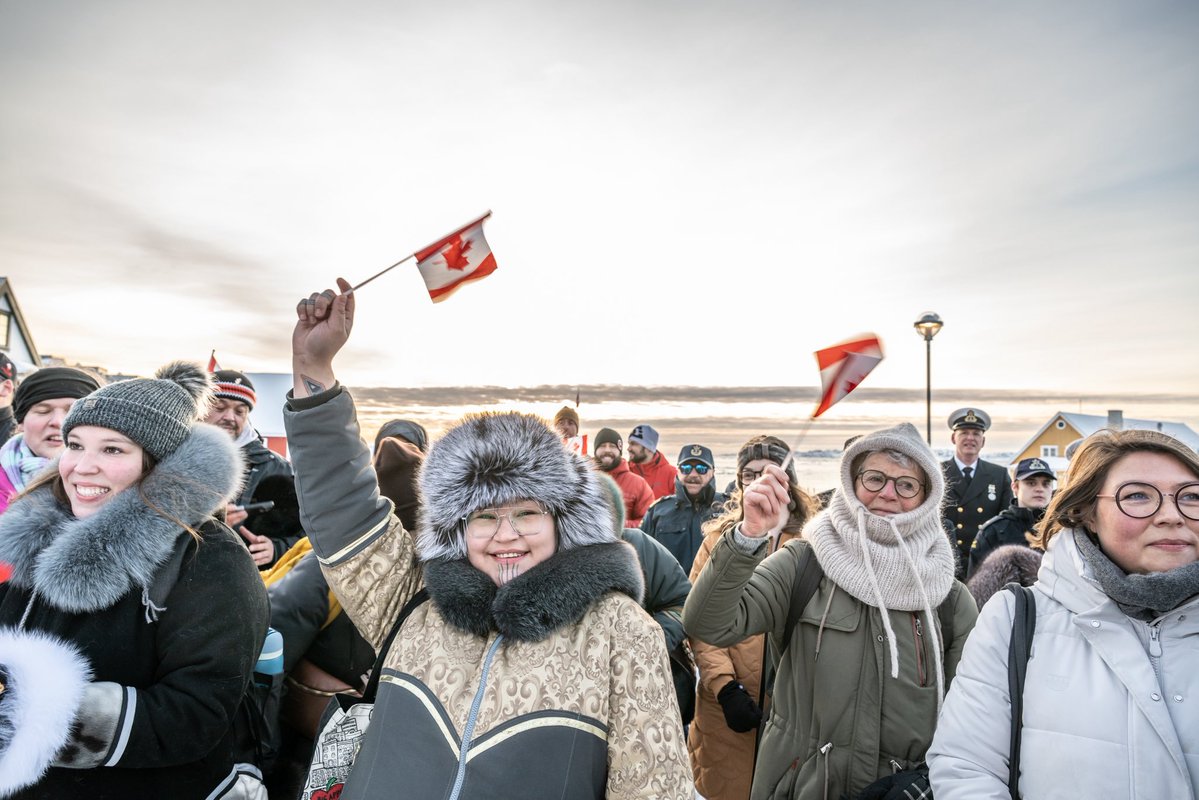
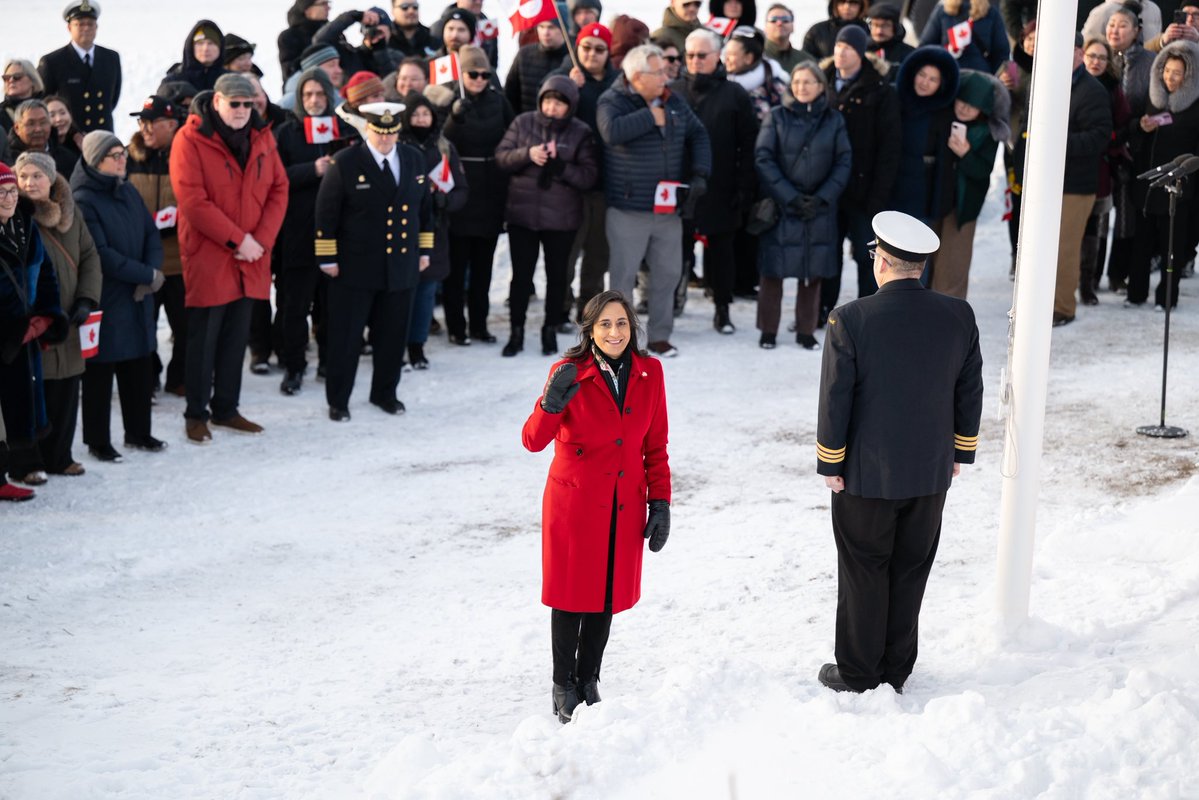
Le nouveau consulat du Canada à Nuuk est désormais officiellement ouvert — un engagement majeur dans le cadre de notre politique étrangère pour l’Arctique. Alors que la concurrence stratégique s’intensifie dans l’Arctique, le Canada se tient aux côtés de ses partenaires arctiques pour promouvoir la stabilité, la sécurité et des intérêts communs dans le Nord.


Français
(((ToutPret))) retweetledi

It was an honour and a thrill to spend a little bit of time with Buck Martinez back in 2023. He's one of those rare interview subjects who answered questions thoughtfully and candidly. Enjoy retirement Buck! youtu.be/wqZWksNMQZc?si… via @YouTube

YouTube
English
(((ToutPret))) retweetledi

This video should unsettle anyone who takes the United States seriously as a nation.
Because it exposes something dangerous: the trivialization of the world's most consequential office. It shows how carelessly the power, credibility, and accumulated moral authority of a superpower can be squandered for a few seconds of viral attention.
In any other major democracy, this behavior from a head of state would trigger a constitutional crisis. Paris would burn. Berlin would convene emergency sessions. In the Nordic countries, resignation would follow within hours. Across functioning democracies, the public, institutions, and political class would recognize this for what it is: an assault on the dignity of the state itself. Leaders are not free to perform as entertainers without consequence. National honor is not personal property, it's held in trust.
But the United States is not just another country with a provocateur in charge. It is the linchpin of global order. It maintains formal alliances and security guarantees with forty to fifty nations. It underwrites the financial architecture, trade systems, and diplomatic frameworks that billions of people depend on daily. When the American president speaks—or posts—it doesn't land as satire, meme, or personal whim. It reads as a signal about what the country is becoming.
American power has never relied solely on carrier strike groups or economic output. It has rested on something more fragile and more valuable: trust. The belief that beneath domestic turbulence lies institutional seriousness, predictability, and a baseline commitment to dignity. That belief is now disintegrating in real time.
Millions of American companies operate globally. They negotiate multibillion-dollar contracts in environments where reputation is currency. Boardrooms in Frankfurt, Singapore, and Dubai aren't debating whether a post was clever—they're asking whether the United States remains a reliable partner. Whether agreements signed today will be honored tomorrow. Whether American leadership has devolved from institutional to purely theatrical.
Consider tourism, which sustains millions of American jobs—airlines, hotels, restaurants, museums, entire regional economies. Soft power isn't an abstraction. It materializes in flight bookings, conference locations, study-abroad programs, and decades of accumulated goodwill. A quiet, decentralized boycott doesn't require government action—only a collective sense that a nation no longer respects itself.
Now picture this image being studied by foreign ministers, central bank governors, defense strategists, and sovereign wealth fund managers. Picture them asking a coldly rational question: How do we write binding thirty-year agreements with a country whose public face will be this, relentlessly, for years to come? How do we plan for the long term when the tone is impulsive, mocking, and unbound by the gravity of office?
This is where the real calculus begins. Trillions in foreign capital depend on confidence that America is stable, credible, and rule-governed. That confidence is now being traded for what, exactly? Applause from an online mob? A dopamine rush from manufactured outrage? Content designed to dominate the news cycle rather than serve the national interest?
Every serious nation eventually confronts this choice: burn long-term credibility for short-term spectacle, or safeguard the reputation previous generations bled to build. The United States spent eighty years constructing an image of reliability, restraint, and leadership under pressure. That image wasn't born from perfection—it came from a visible commitment to standards that transcended impulse.
This isn't a partisan issue. Europeans who value democratic norms recognize something ominously familiar here. Americans—Democrat and Republican alike—who believe in responsibility and restraint should see it too. Power attracts scrutiny. Leadership demands discipline. A superpower cannot behave like a reality TV contestant without paying a price.
The presidency is not a personal broadcast channel. It's a symbol carried on behalf of 330 million people and countless international partners who never voted but whose lives are shaped by American decisions anyway. Every post either reinforces or erodes the idea that America can be counted on when it matters most.
So the question is no longer whether this is offensive. The question is whether this is who America chooses to be: a nation that trades a century of hard-won reputation for viral moments. A country that replaces statecraft with content creation. A republic governed like a season of reality television.
History offers a harsh lesson here. Great powers don't fall because enemies mock them. They collapse when they begin mocking themselves—publicly, proudly, and without grasping the cost until it's far too late.
Stay connected,
Follow Gandalv @Microinteracti1
English

It would take a significant amount of delusion to convince oneself that the President of the United States who posted this disgusting video is not a racist.
Feminist Wild✌️🇺🇸🦅💋@FeminineWildToo
@Martina Yes. I went and screen recorded it.
English
(((ToutPret))) retweetledi