Ritesh Patel

3.5K posts

Ritesh Patel

Ritesh Patel

@ritlocus

CEO @TicketFairy (@YCombinator S15) - Vertical SaaS / AI to fix and grow the live events industry. $300m+ of tickets sold. Founder @LOCUS Drum ‘n’ Bass events.

San Francisco, CA Katılım Haziran 2008
2.2K Takip Edilen1.2K Takipçiler
Ritesh Patel retweetledi
Tech Startup Network
Tech Startup Network@techstartnetwrk·
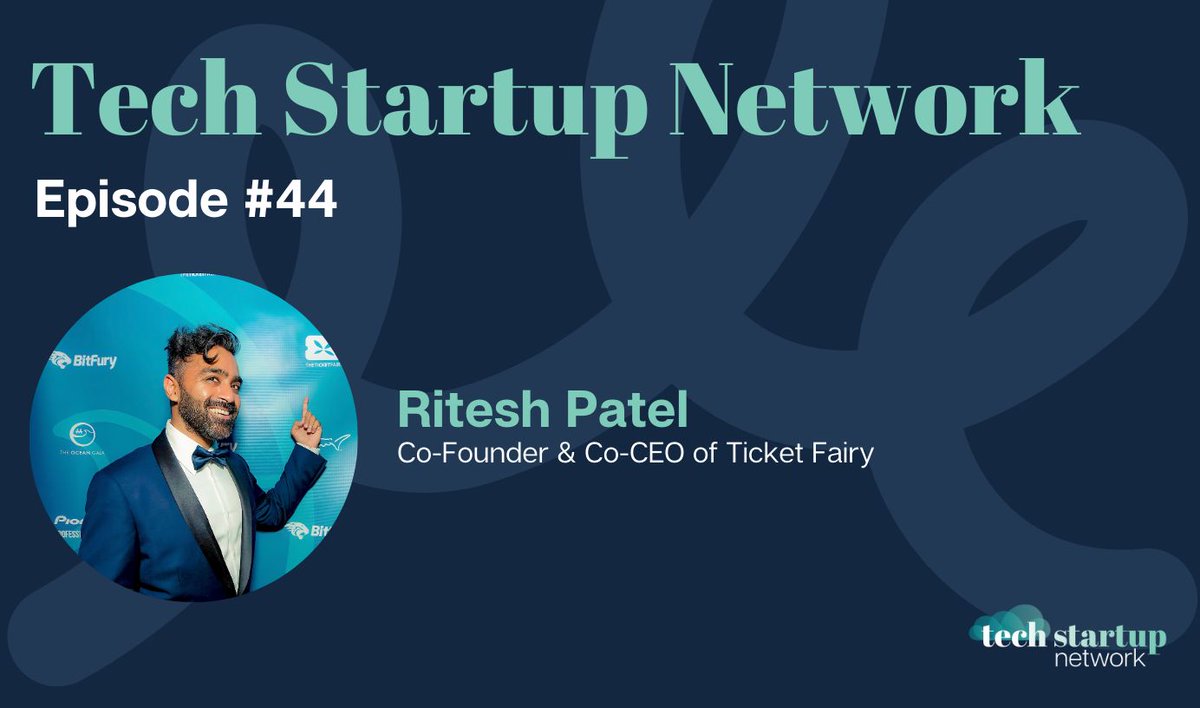
Ritesh Patel, co-founder and co-CEO of Ticket Fairy, is building at the intersection of AI, fintech, and live entertainment 🎟️ 🎧 Listen to the episode on the Tech Startup Network podcast here. techstartupnetwork.co/podcast/episod…
Tech Startup Network tweet media
English
0
1
0
20
Leadpoet
Leadpoet@LeadpoetAI·
Introducing Leadpoet. The AI agent that delivers ready-to-buy prospects on demand. Your next customer is already looking for your solution. Leadpoet finds them. Comment “Poet” and we’ll send you 100 free lead credits for your ICP.
English
686
103
720
677K
Rob Hallam
Rob Hallam@robj3d3·
How is there still not a good vibe video editing software??? If there is, please tell me.
English
226
8
547
367.5K
Ritesh Patel retweetledi
Justine Moore
Justine Moore@venturetwins·
This guy is using AI video to re-imagine an adult version of Sesame Street. I can't wait until we get the actual movie... (from beyond_the_imaginairy on IG)
English
227
1.4K
8.2K
664.8K
Ritesh Patel
Ritesh Patel@ritlocus·
Accidentally built a competitor to Gamma while making our new materials for Ticket Fairy! DM if you want to see the output. It's wild!
English
0
0
1
39
Ritesh Patel
Ritesh Patel@ritlocus·
Thank you to @musicben_eth for including @TicketFairy in his music tech companies of 2026 article ✨
musicben 🎧@musicben_eth

46 music tech companies that will shape 2026 … This is a big year for the music industry after so much disruption, chaos and tech promise. But it could also be a year of calm and consolidation. I mapped out 46 of the most important companies in music tech going into the new year, and some clear themes are emerging. ✨ Hype -> Reality The hype around superfans, AI, crypto, and tech disruption is settling down into more realistic expectations and consolidating around proven platforms that people are willing to pay for. 💸 Frothy VC funding -> Discipline The flashy deals are over. Funding is more disciplined around core infrastructure and catalog. 👩‍⚖️ Lawsuits -> settlements The AI disruptors are coming to the table and negotiating deals with labels and rightsholders. Frameworks are being built. Attribution, royalties and enforcement is next. 🔁 Fragmentation -> Consolidation Startups are consolidating into clear winners. Big players are absorbing or acquiring the best ideas. The landscape for 2026 looks calmer and more consolidated than recent years. ——————— I love making these maps - it helps me organise the noise and see where the music industry is moving. As always treat them as a starting point to explore. This is not (remotely) an exhaustive list, but a visualisation of how the big narratives in music might unfold in 2026, and which companies will be at the heart of these stories. Full list and report in the next tweet. What does 2026 look like from your perspective? What did I miss and who do you think are the most important music tech companies going into 2026?

English
0
0
2
58
Ritesh Patel
Ritesh Patel@ritlocus·
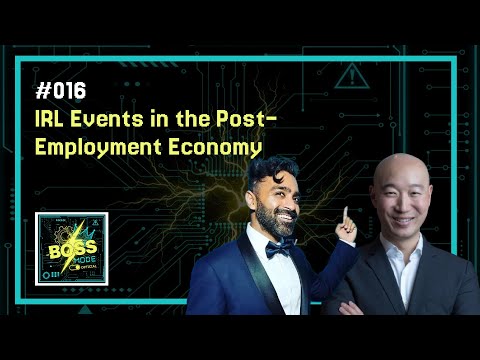
What happens after AI has taken all of our jobs? We rave, of course! I recently spoke with David Lee on the Boss Mode Podcast about IRL events in the post-employment economy! Check it out here: youtu.be/fIbSIvY8rdo
YouTube video
YouTube
English
0
0
2
50
Peter Walker
Peter Walker@PeterJ_Walker·
It pains me to say it, but we must acknowledge that the United app is about 3-6 years ahead of all other airline mobile apps. Just pantsing the competition.
English
5
1
22
4K
Ritesh Patel retweetledi
Dylan Field
Dylan Field@zoink·
Sure thing. You asked for a post explaining the nuance so here you go! I'm sorry for the length; you'll see that at the end it all ties back to funding health insurance for your constituents… As you know, companies can be private or public. Holders of public company stock can trade in liquid, public markets after the lock-up period expires. Let's ONLY focus on startups that are private because this is an absolutely critical policy point. It's very easy to accidentally kill the goose (Silicon Valley) that lays the golden eggs (startups that get big and create tax revenue for California). From your reply, I think you are assuming that the situation where a private company founder has "truly illiquid" stock is an exception. This is not the case. Example: a private company raises a new round at a multi-billion dollar valuation! Everyone is excited! This thing might actually work! Some shareholders like the founders (and potentially early employees) might now need to pay the wealth tax, but they can’t pay a tax in company stock. Assuming a typical situation where the founder’s net worth is entirely tied to their company, they will need to sell more than the $$ amount levied by the wealth tax because they need to first pay capital gains. In other words, they face a double tax event. Now let's fast forward a single year. Unfortunately things haven’t gone according to plan (either due to macro events or other factors) and the company can’t raise an up-round or even execute a tender offer at the same valuation again. There isn't any secondary demand at the last round price; there are simply no buyers. Now the founders need to pay the 1-2% wealth tax again. But all their “wealth” is “paper money” from the company stock they hold at the last valuation. What can they do? Three options come to mind. LMK if I’m missing something. (1) Since the founders can’t sell stock at the last round valuation, they could reduce the valuation of the company through a down round. This risks key team members leaving. It also might be harder to recruit new key talent. And this is assuming there's an investor willing to do a down round, which is not always the case. This is also ethically complicated… if the founders choose this option purely due to a personal tax situation, they might be prioritizing their needs above the needs of their team. (2) The founders could take out a big loan to pay a tax bill that might not even be accurate. This is very risky. Even if the company executes perfectly, the macro environment might falter and the founders might never be able to repay the loan. The founders are potentially risking personal bankruptcy. (3) If it's a California wealth tax... then the founders could just leave California. This is not a contrived situation. Most startups don't work out. Almost all private startups have ups and downs... even in the “growth” stage with "billions" in market cap. And the oscillations of these ups and downs are happening faster and faster these days for many private companies. The best startup founders plan ahead and feel responsibility for their employees. If they think staying in California is a risk to their business, their employees, their families... then they will simply leave for somewhere else. Silicon Valley startups (ironically) follow the herd. Once enough respected companies / founders establish a pattern, other startups will follow, even if the wealth tax does not apply to them yet. (Every startup founder believes their company will be the next big thing.) So, in summary, if there's a California wealth tax that applies to the founders of private companies: 1. There are many situations where the founders of private companies will not be able to pay it and will be forced to consider leaving California. 2. Smart founders thinking ahead will mitigate this risk by leaving California before the situation applies. 3. The herd will follow the best and brightest founders / companies. 4. California will lose the next generation of big, important, job / tax generating companies. 5. This will lead to less tax revenue, less state healthcare funding, less education funding, etc. I hope this post helped explain why it's a bad idea to try and implement a California based wealth tax that targets the unrealized gains of private company stock. This is just ONE aspect of why a California wealth tax is bad policy. Happy to discuss further…
English
40
80
1.5K
263.1K
nick farina
nick farina@nick_farina·
@ritlocus @pitdesi PP domestic is arguably more frustrating than helpful, because you’re always #1 or #2 for 0 seats available. But yeah, internationally, they rule.
English
2
0
1
208
nick farina
nick farina@nick_farina·
@pitdesi @ritlocus 1K isn’t worth that kind of pain. With UA there are two levels of status that matter: - Gold for regular folks (every key benefit you need) - GS for rich folks or if you do a lot of paid J international for work “Mileage” running for any other status level makes no sense.
English
1
0
2
234
Ritesh Patel
Ritesh Patel@ritlocus·
@whizkidd Surely a better sight would be that slums don’t exist/need to exist at all, because people don’t need to live in poverty? Celebrating that you can’t see them is horribly insensitive.
English
0
0
0
63
Rahul Srinivas
Rahul Srinivas@whizkidd·
Landing in Mumbai, without having to witness the slums is a welcome sight. The first landing of Indigo's Ahmedabad Navi Mumbai flight.
English
483
937
12.8K
1.2M
Martin Tobias (Pre-Seed VC)
Martin Tobias (Pre-Seed VC)@MartinGTobias·
Dear algo, please show this tweet only to stealth founders building B2B software solving a problem they have been thinking about for a long time.
English
188
29
780
32.2K