Well @Go_CheshireWest & @CheshireEast
What a lovely job you've done today.
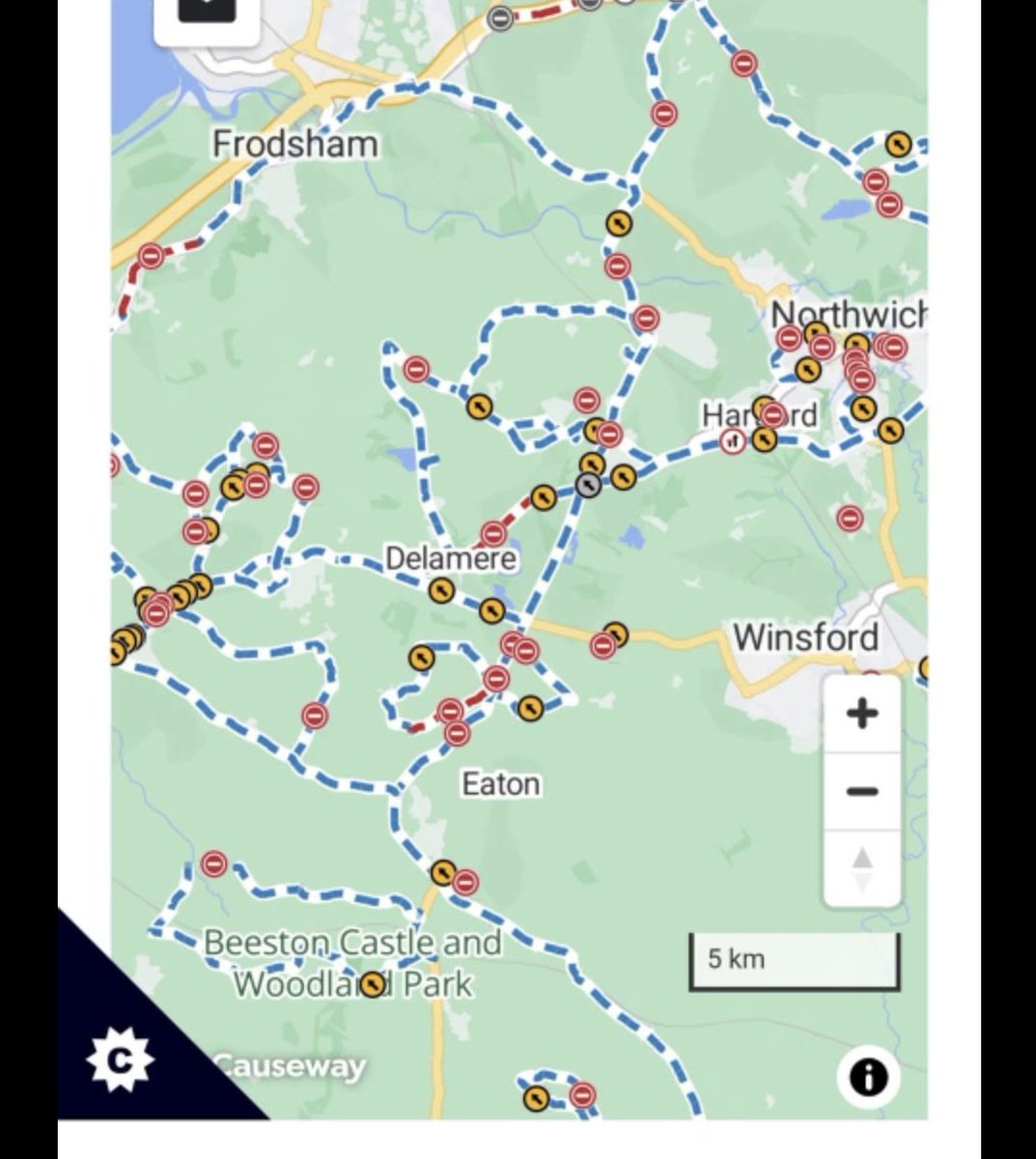
Coordination at its finest... The A49, A51, and A41 were all closed, with diversions detailing the other closed road
@AphraBrandreth please get on their case.
It's only money I've lost I suppose!
#chaos
“The biggest lie in the world right now is that cows are killing the planet. At the core of that lie is how methane is calculated.”
He’s right. After 10-12 years, methane is broken down into CO2, entering a natural carbon capture cycle absorbed by plants via photosynthesis, converted into cellulose and eaten by livestock and the cycle repeats itself over and over again. The very essence of environmental sustainability.
Can anyone who reads this please retweet, we must be able to reach someone who knows something about this.
A fathers heart has been re broken once again, let’s do our bit to repair it 🙏🏿
On November 7th, 1920, in strictest secrecy, four unidentified British bodies were exhumed from temporary battlefield cemeteries at Ypres, Arras, the Asine and the Somme.
None of the soldiers who did the digging were told why.
The bodies were taken by field ambulance to GHQ at St-Pol-Sur-Ter Noise. Once there, the bodies were draped with the union flag.
Sentries were posted and Brigadier-General Wyatt and a Colonel Gell selected one body at random. The other three were reburied.
A French Honour Guard was selected and stood by the coffin overnight of the chosen soldier overnight.
On the morning of the 8th November, a specially designed coffin made of oak from the grounds of Hampton Court arrived and the Unknown Warrior was placed inside.
On top was placed a crusaders sword and a shield on which was inscribed:
"A British Warrior who fell in the GREAT WAR 1914-1918 for King and Country".
On the 9th of November, the Unknown Warrior was taken by horse-drawn carriage through Guards of Honour and the sound of tolling bells and bugle calls to the quayside.
There, he was saluted by Marechal Foche and loaded onto HMS Vernon bound for Dover. The coffin stood on the deck covered in wreaths, surrounded by the French Honour Guard.
Upon arrival at Dover, the Unknown Warrior was met with a nineteen gun salute - something that was normally only reserved for Field Marshals.
A special train had been arranged and he was then conveyed to Victoria Station, London.
He remained there overnight, and, on the morning of the 11th of November, he was finally taken to Westminster Abbey.
The idea of the unknown warrior was thought of by a Padre called David Railton who had served on the front line during the Great War the union flag he had used as an altar cloth whilst at the front, was the one that had been draped over the coffin.
It was his intention that all of the relatives of the 517,773 combatants whose bodies had not been identified could believe that the Unknown Warrior could very well be their lost husband, father, brother or son...
THIS is the reason we wear poppies.
We do not glorify war.
We remember - with humility - the great and the ultimate sacrifices that were made, not just in this war, but in every war and conflict where our service personnel have fought - to ensure the liberty and freedoms that we now take for granted.
Every year, on the 11th of November, we remember the Unknown Warrior.
At the going down of the sun, and in the morning, we will remember them.