

Rohith
1.2K posts

Rohith
@rohithsz
Founder @zodhyaofficial Interested in tech & energy. I sometimes share my non-work experiences too
San Francisco, US Katılım Şubat 2014
302 Takip Edilen215 Takipçiler
Thank you, KTR garu, for your encouragement and unwavering support for Telangana's startup ecosystem.
Building Zodhya from T-Hub has been an incredible journey. We remain committed to developing world-class energy technologies from India that make buildings more efficient, strengthen grid resilience, and create global impact.
The best is yet to come.
KTR@KTRBRS
Met Rohith, a promising young Telangana entrepreneur, today. Along with his fellow IIT Madras alumni, Rohith founded Zodhya, a startup building intelligent energy solutions that help commercial buildings and industries reduce energy consumption by 10–30%, lower emissions, and make power systems more efficient. Zodhya is taking technology developed in India to global markets and earning recognition across the US and Southeast Asia. What makes this journey even more special is that Rohith built this deep-tech company from @THubHyd. I remember presenting Zodhya with an award at the Annual HYSEA Awards in 2023, and it is truly gratifying to see how far the company has come since then. Wishing Rohith and the entire @ZodhyaOfficial team continued success
English

A startup from Hyderabad is solving a ₹2 lakh/month problem.
This is the kind of startup investors dream about.
English
Rohith retweetledi


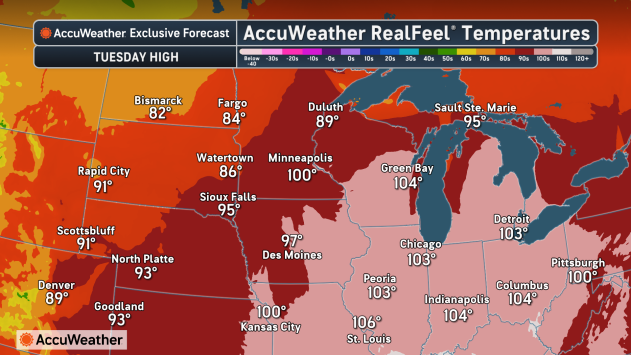
@QuincyEdmundLee Has there ever been a record temperature of this sort in the Midwest US?
Sure, it is going to put the grid under the pump.
English

The heat dome death toll surges to over 1,000 in France
US is expecting similar weather over July 4th
Keep an eye on grid stability heading into the holiday

English

Every year, heatwaves are breaking records in most parts of the world....
Colin McCarthy@US_Stormwatch
One of the worst heatwaves in European history is underway. Peak high temperatures forecast this week: France: 45°C / 113°F Monday-Tuesday London: 39°C / 102°F Amsterdam: 34°C / 93°F Berlin: 38°C / 100°F Paris: 41°C / 106°F
English
@RichardMeyerDC How is the CHP market stacking up? Heard there is a long lead time now.
English

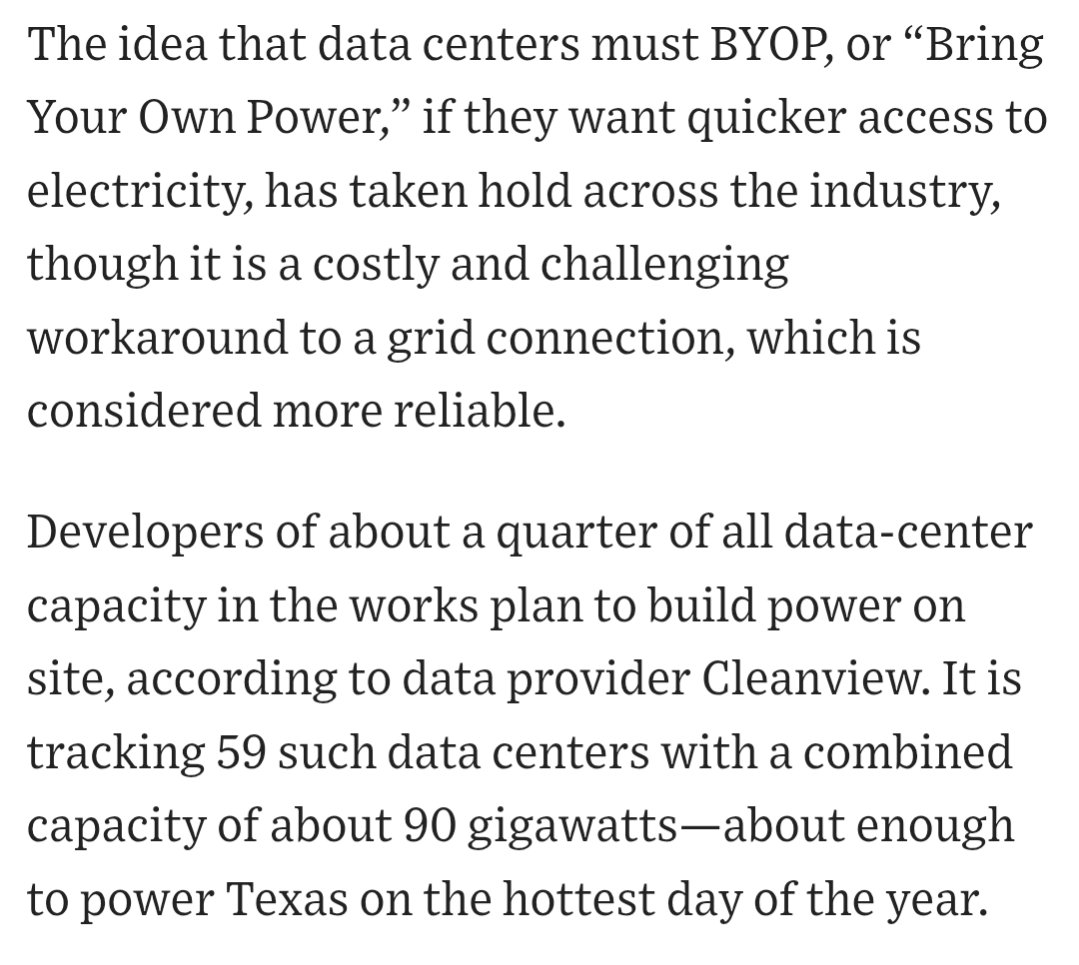
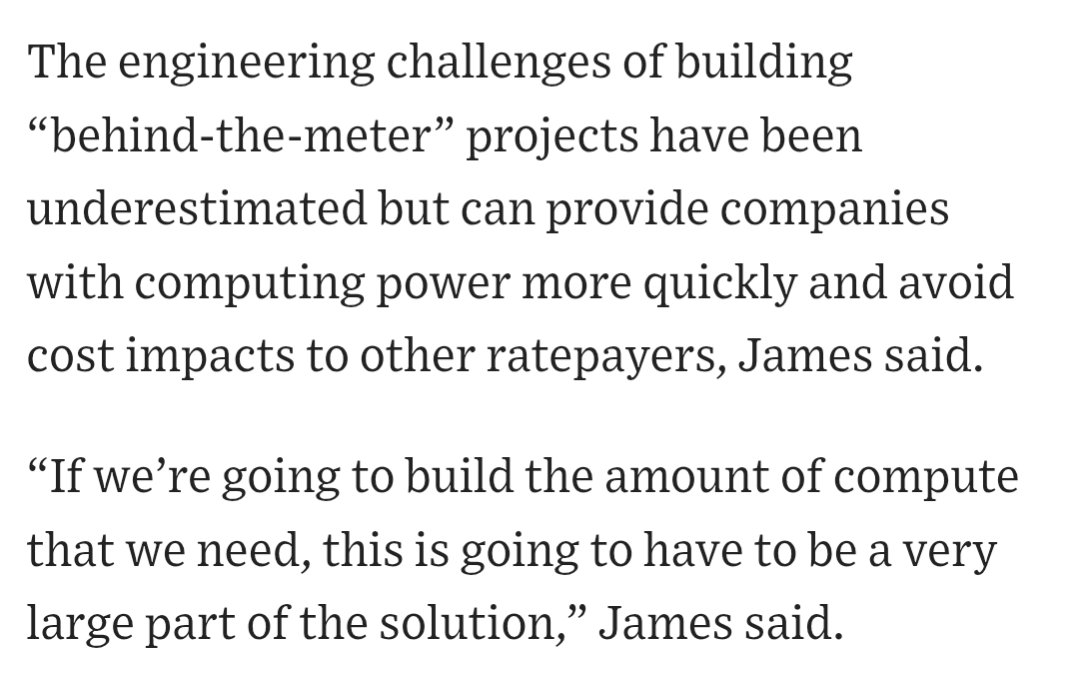
Natural gas onsite generation continues to be a preferred path for many data center developers. A quarter of new data center capacity tracked by Cleanview has plans to build power on site. There are challenges and costs but the benefits include speed to market and avoided costs.

English
@mzjacobson @CaliforniaISO Impressive progress and highly important for the summer months.
English

Consistent, reliable, incredible.
3.5 years (2023-mid 2026) of WindWaterSolar production versus demand on @CaliforniaISO grid.
Not a single 3-day period with very low WWS, dispelling the myth that WWS will result in a week with no electricity, so long-duration storage is needed.
June 21 was the longest day of 2026. WWS supply exceed demand for 10.42 h and supplied 80.42% of 24-hour demand.
WWS has met 58% of all demand in 2026
147th of 172 days (85.5%) with WWS>100% of demand.
Gas down 61.2%, batteries up 337%, solar up 56% in '26 v '23.

English
An interesting report on the district energy systems.
One of the best ways to update modern efficiencies in dense urban areas is such systems.
And since it is centrally controlled, easy to map a renewable source that results in lower emissions per capita
International Energy Agency@IEA
District energy networks span over 1 million kilometres worldwide – delivering heat to more than 600 million people today. Our new report examines the role renewables can play in scaling up secure & efficient district energy systems around the globe 👉 iea.li/4vdmHDf
English
Our RIPE solves exactly this and more
blog.zodhyatech.com/what-is-the-ri…
English
The electricity flow cannot be seen which also results in negligence.
It is always important to operate the load on balanced phases
Bureau of Indian Standards@IndianStandards
गर्मी में AC की ठंडी हवा सुकून देती है लेकिन एक छोटी सी विद्युत् लापरवाही बड़े हादसे का कारण बन सकती है। AC के लिए सही वायरिंग, अलग सर्किट, उचित अर्थिंग और संतुलित लोड सुनिश्चित करें। राष्ट्रीय विद्युत् संहिता (NEC) 2023 के प्रावधानों का पालन करें और अपने घर को सुरक्षित रखें।
English
While the report tries to Focus on positive aspects of more solar generated, there are a few key considerations left out there
Excessive heat reduces efficiency of the panels
Chances of torrential evening showers which might lead to reduction
Increased energy demand due to heat not considered
Rise in temperatures during night when solar is not available
English

@JaneAFlegal The targets on the face of it, make it easier to adapt demands internally rather than invest in new clean projects
English

SBTi released a new corporate net-zero standard today. It’s better than V1, i think (geo matching, stronger integrity criteria, hourly reporting requirements for large buyers).
But I still think this is all built on the wrong foundation.
Robert Höglund@RobertHoglund
SBTi 2.0 is out. Importantly, rules on claims and target fulfillment are not in the standard, but pushed to future publications. That means much is still to be discussed, and topics like operational net zero are still live. For carbon removal it is an *improvement from earlier drafts* of the 2.0 version. For example it again says that long-lived emissions need long-lived removals. But there is no drastic change that drives near-term CDR demand. I really like that transition plans are now a must. That is where companies can be clear about what emissions they control themselves and what depends on outside change, and what they do about it. And the SBTi is shifting away from crude binary target fulfillment, targets are set on a "best effort", and if a company does all they can, they can still be deemed compliant even if they miss the targets. They don't go the whole way on this though and call targets conditional. That companies have to motivate *why* they are not taking financial responsibility for ongoing emissions, is really excellent. This was my fast reaction. More to say. And next week an ISO net zero standard draft is coming out too. (Disclaimer: I was part of an SBTi expert working group but completely speak in my own capacity.)
English