

Roy Tait
239 posts
My office has all my editing setup but slow internet. My house has fast internet.
3 or 4 times a day I’ll walk through the woods with a hard drive to hook up to an old MacBook wired into my Starlink. Good excuse for a wander.
English
@stephen37292ML A well-deserved nomination Stephen. Your posts here do much to highlight the oft unseen commitment and teamwork required to keep the rail network moving safely.
English
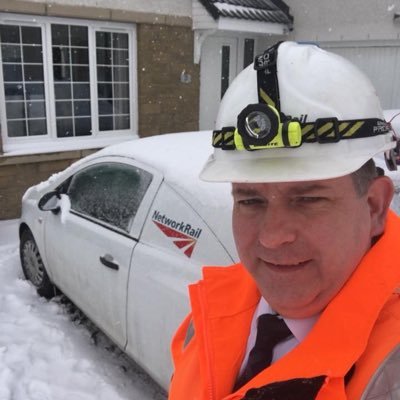
I got a nice surprise of being recognised for my contribution to train service performance for the upcoming National Rail Awards 2026.
I will need to await the next process though to see if I am selected by the panel.
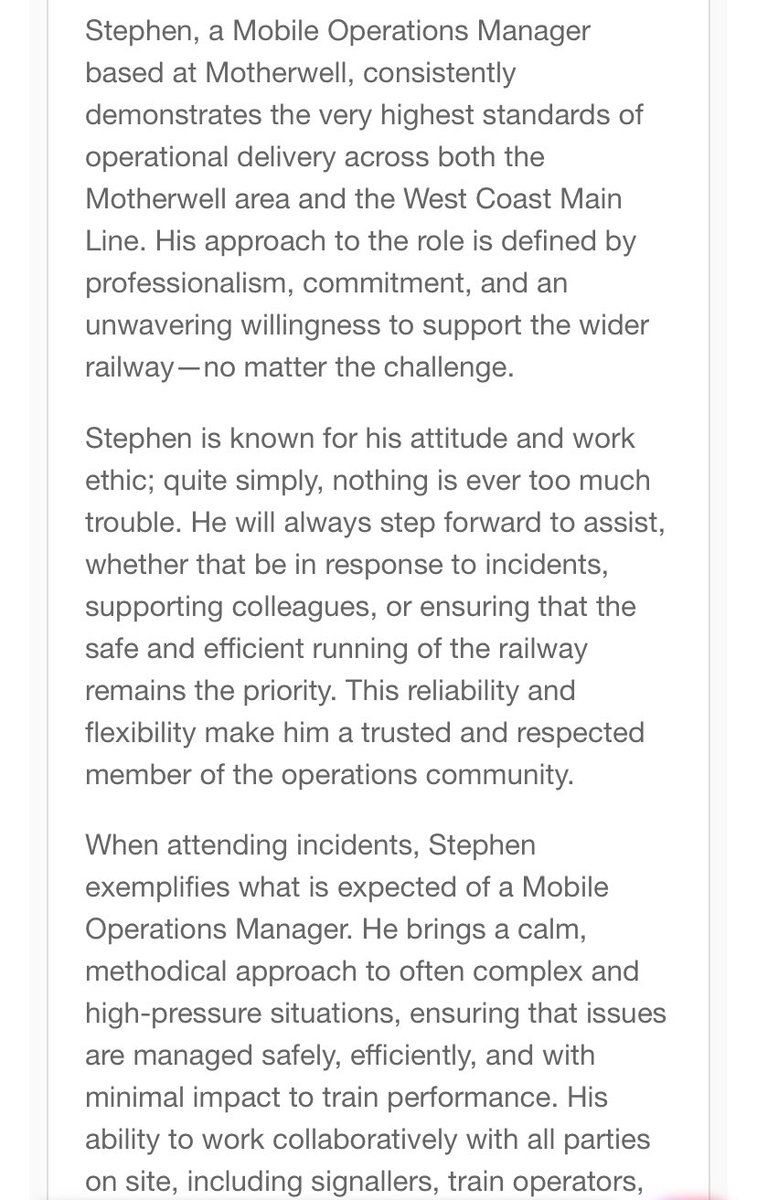
I love the MOM role, getting the railway moving again !
English
@stephen37292ML Hi Stephen, thanks to your video I could see that the plug-in is from "On Track Simulation", not to be confused with Pete Waterman's "Making Tracks" layout 🤪 To help others, plug-in details and purchase info at ko-fi.com/s/b8388f4533
English
Love the RETB plug-in from Making Tracks.
Adds signalling realism
Now to the West Highland Line.
I have added a small secondary monitor that acts as my RETB in cab machine.
English
@BBeanRC @davepl1968 Looks like Mike Collins with the Apollo 11 Eagle patch below.
English
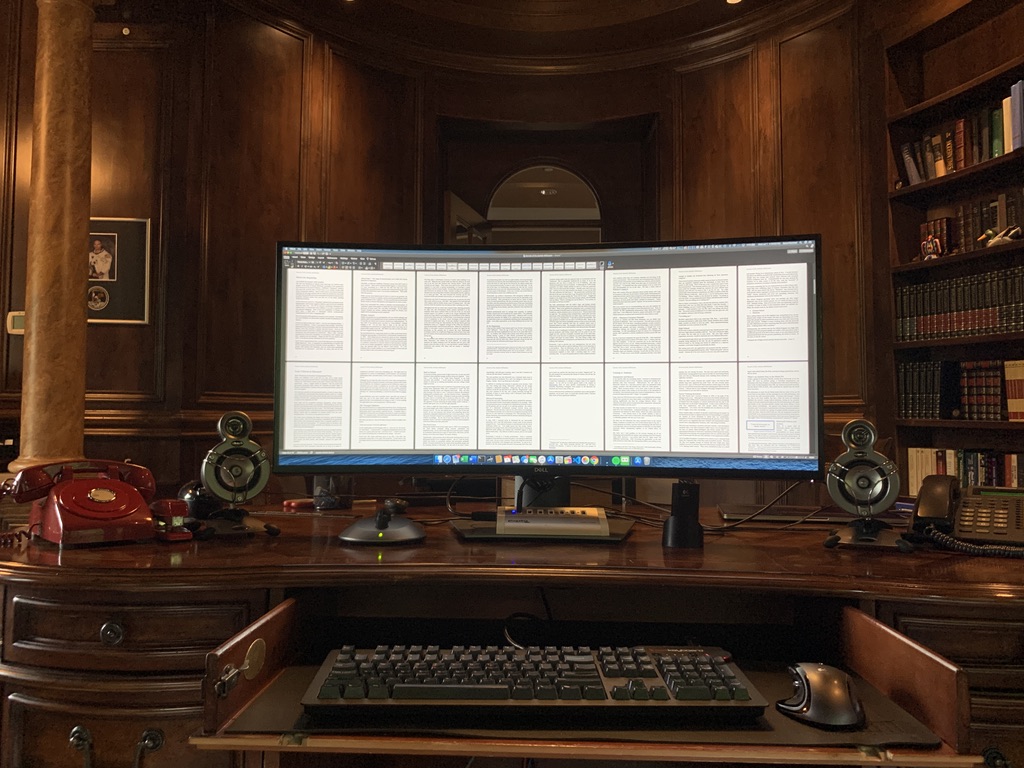
@davepl1968 Who is the astronaut on the wall? Honestly this office looks like pure heaven to me if it is your office
English

This is my desk in my office. It is neat and tidy because I don't use it... I work in the garage!
English
@stephen37292ML If I recall correctly, Dave and Norman Ross opened a south Glasgow shop in the early 1980s selling (legal) citizen band radio. Was it called Ro-mar? I spent what seemed like a small fortune with them on behalf of friends and family.
English
Had a lovely evening with my friends Dave Marshall & his grandson Calum showing them my train simulator and ten pin bowling on the VR.
Thanks to Dave & Calum for the wonderful present they gave me of a vintage radio brought up to date with Bluetooth and the wizardry of Dave.
English
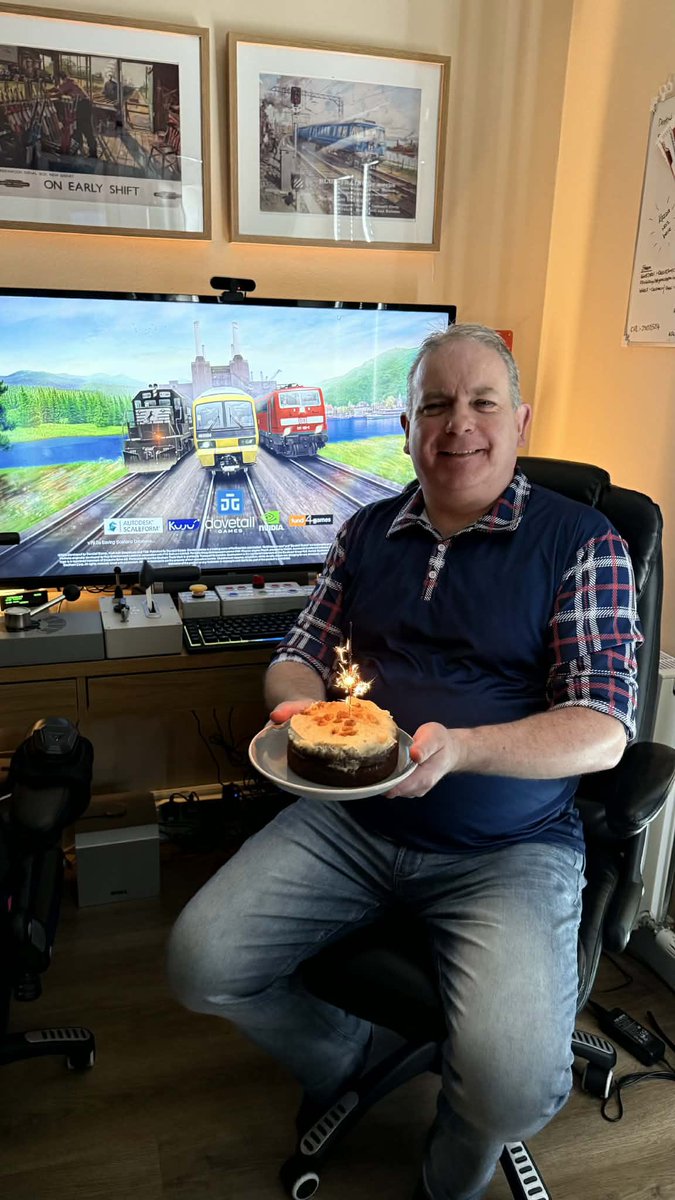
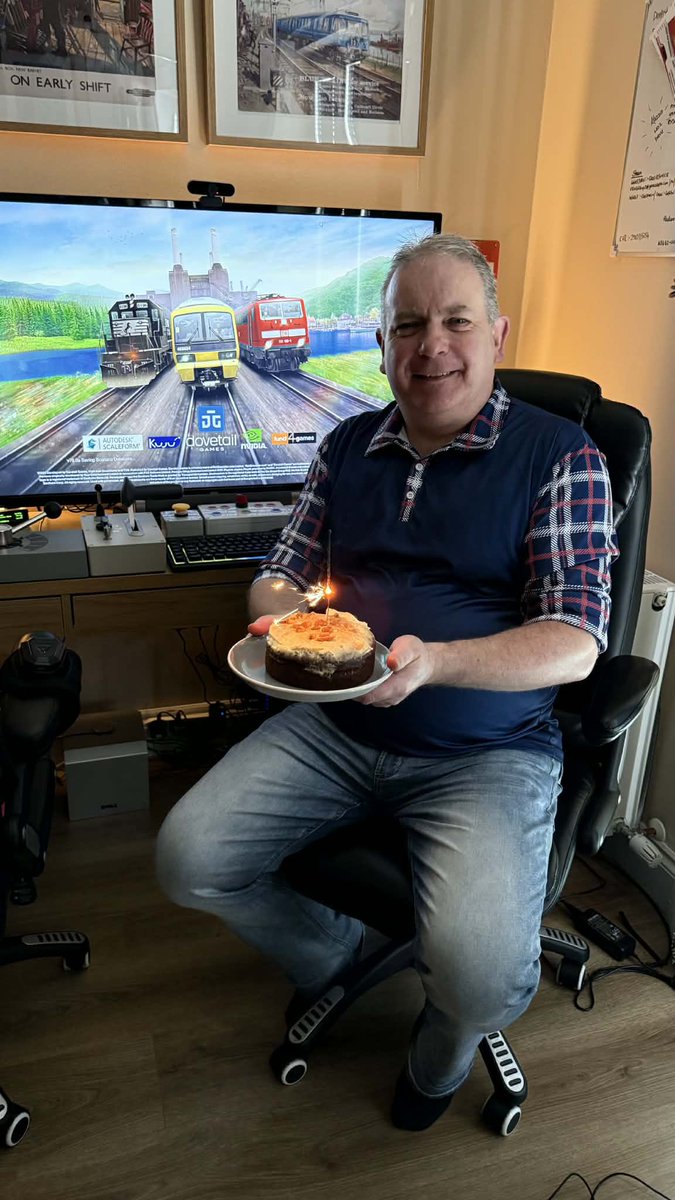
Well it’s happy birthday 🥳 for me today as I celebrate my 55th year.
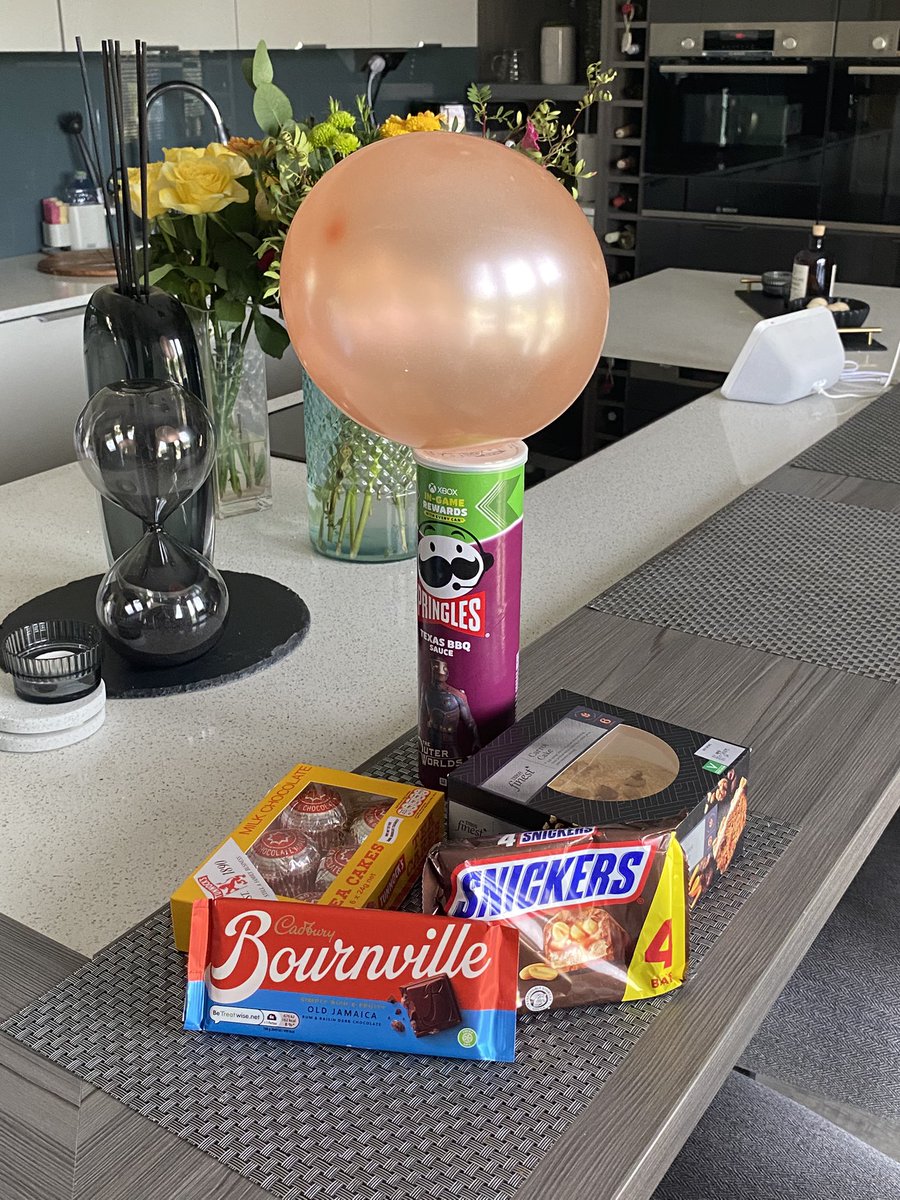
A quiet day chilling ,updating my train sim software with some goodies to eat 🎉🎂🥳

English
@stephen37292ML I'd religiously listened to Dave's breakfast programme and enjoy the 'patter' between him and the late Captain George Muir. Incidentally, the AM signal was broadcast by the trio of recently demolished masts at Cathkin Braes.
English
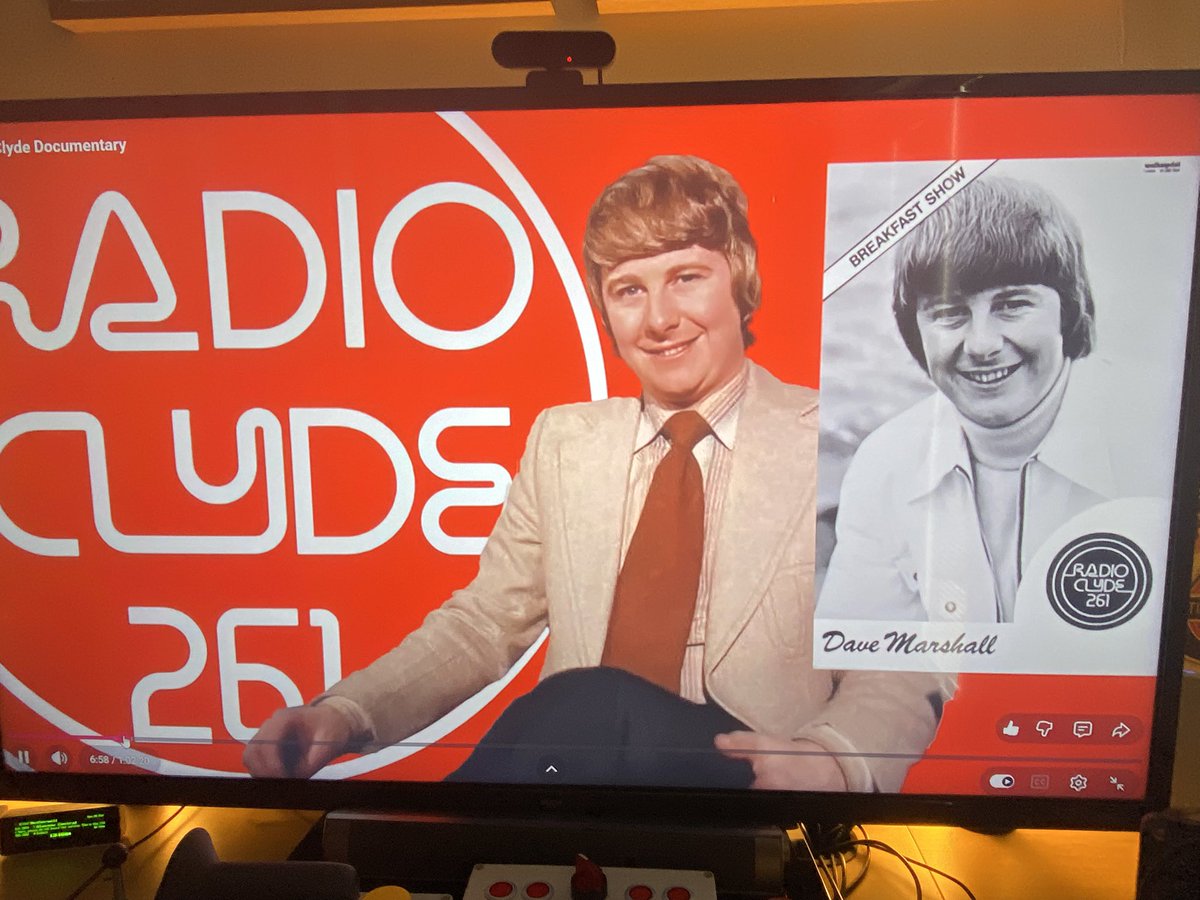
Before the Internet revolution getting your local news was either by radio, tv or the paper or if rich via teletext & ceefax.
Radio Clyde 261 was my local independent radio station that I still listen too for my local news updates

English
@couldasaid @CalumRaasay It has been a while since I've been there but I think it is the first bridge over Inverarish Burn on the Burma Road, up by the old mine workings.
English

What a day 😮💨 whole island is flooded after days of rain. River is fit tae burst - but good for our hydro scheme!
English
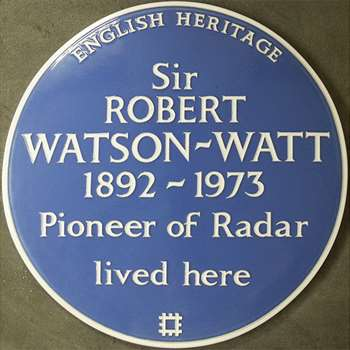
@JenKteach The impressive Sir Robert Watson-Watt statue that was unveiled in is home town of Brechin back in 2014. maps.app.goo.gl/9T1WReJbMrUEfH…
English

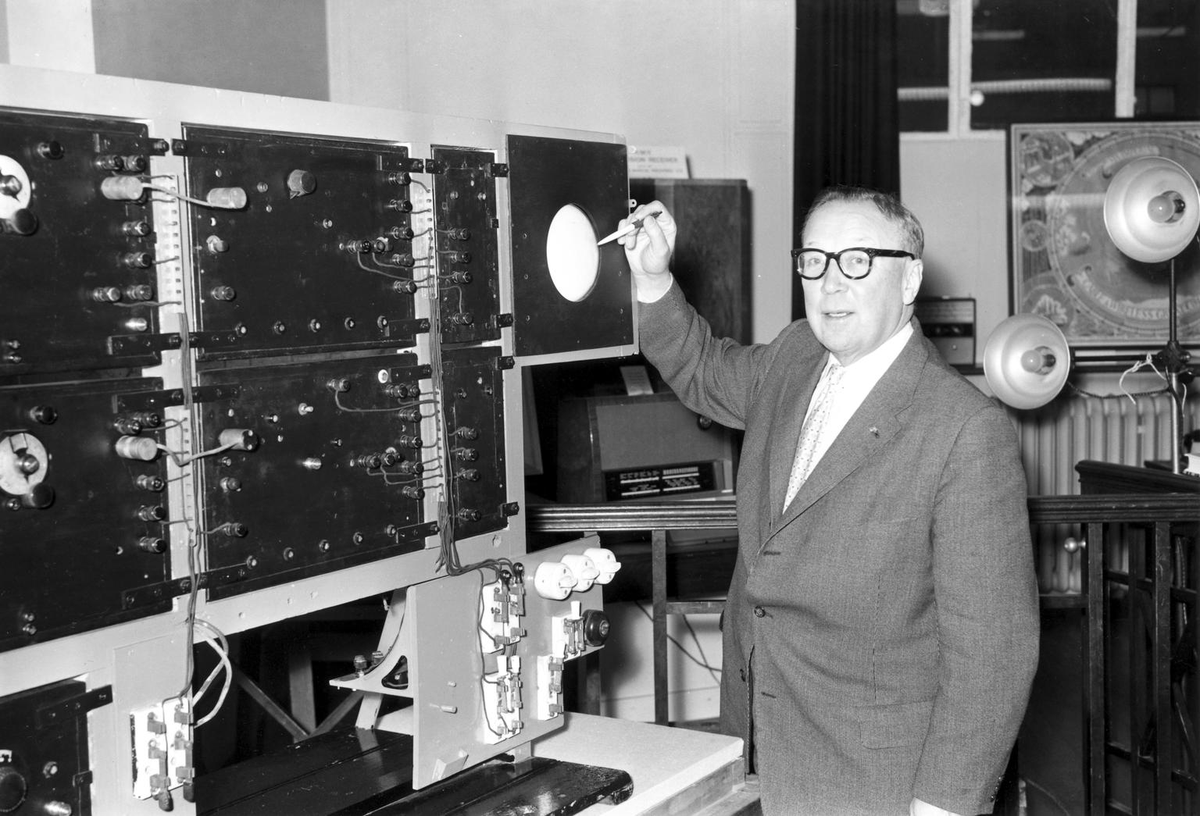
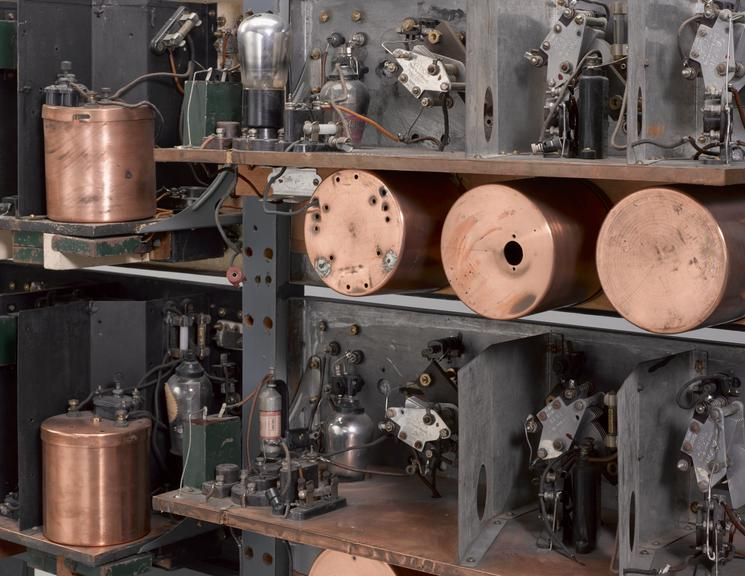
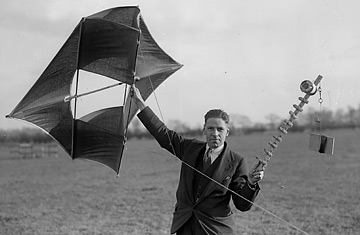
On This Day: February 26th, 1935, Scottish physicist Sir Robert Watson-Watt, assisted by Arnold Wilkins, conducted the ground-breaking "Daventry Experiment" near Daventry in Northamptonshire, England. Using radio waves from the BBC's shortwave transmitter at Borough Hill near Daventry, they successfully detected a Handley Page Heyford bomber aircraft by bouncing signals off it and receiving the reflections, proving the feasibility of radio detection and ranging; later abbreviated as RADAR.
The setup involved a receiver in a field near Weedon (close to Upper Stowe), where the team observed signal interference on an oscilloscope as the plane flew by at ranges up to 8 miles. This pivotal demonstration, prompted by Air Ministry interest in aircraft detection amid rising tensions in Europe, directly led to the rapid development of Britain's Chain Home radar network, which played a crucial role in the Battle of Britain during World War II. Watson-Watt's work built on earlier radio research, transforming interference observations into a lifesaving technology that revolutionised air defence, navigation, and beyond.
English


The courtyard set built for Alfred Hitchcock’s 1954 thriller Rear Window was one of the largest indoor sets ever constructed at the time.
It was built entirely on a Paramount soundstage and featured 31 apartments (8 of them fully furnished) along with working plumbing, electricity, and even a functioning restaurant.
The build took six weeks and cost around $100,000, an enormous sum in 1954...
English
@mrdoornbos And for that authentic experience, exchange our messages as 5-character hand-keyed Morse groups via HF radio 😊
English

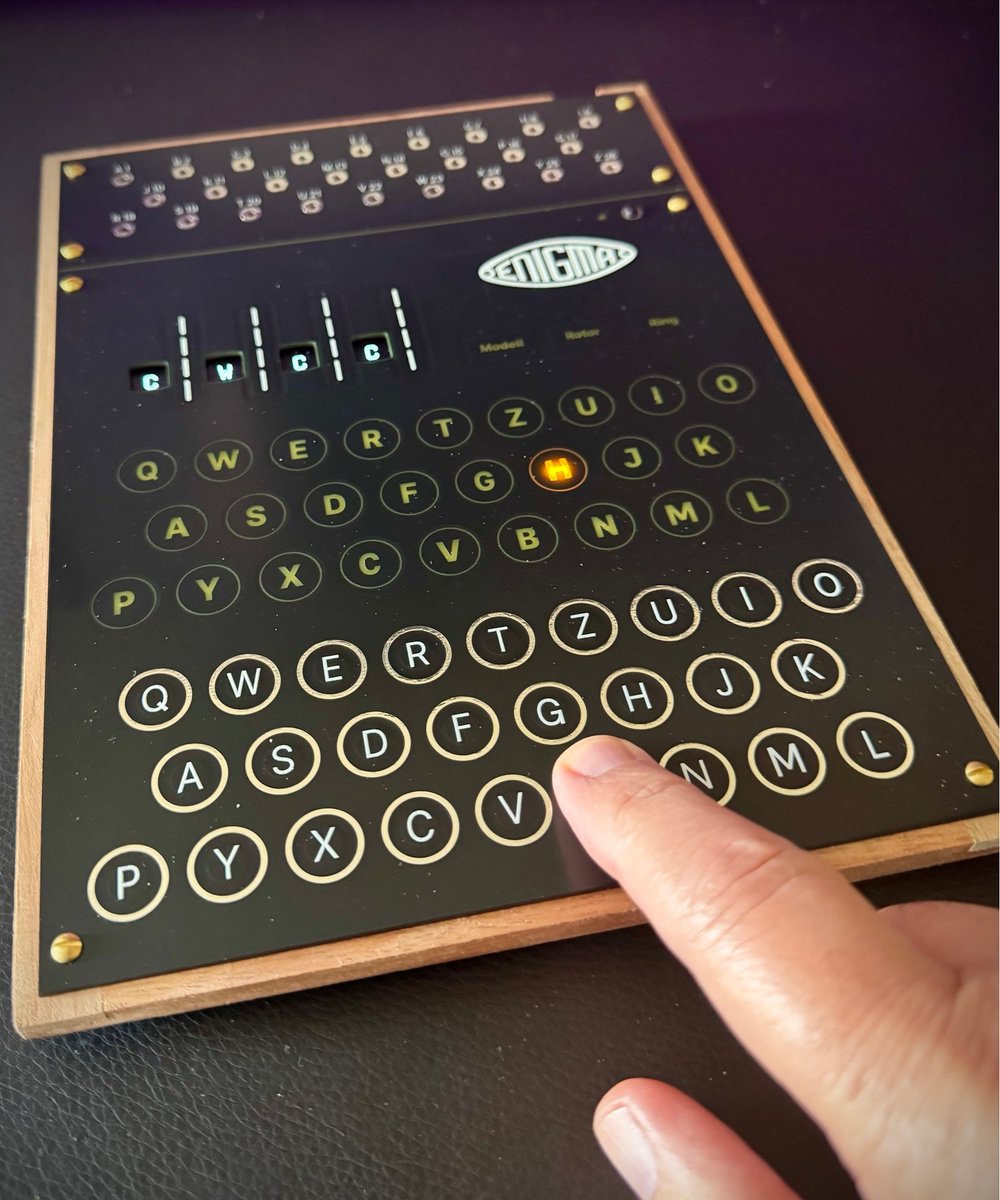
Picked up a gorgeous hardcover version of Enigma: The Battle for Code. Seemed appropriate to have my Enigma touch close at hand while reading it. Happy Friday! 🧵
English
@mrdoornbos I second that! The Engima Touch is a lovingly crafted software emulation of the various Engima machine variants wrapped in simple but beautiful engineered hardware.
English
If you're looking for an Enigma Touch, it's fantastic: obsolescence.dev/enigma-touch.h…
English
@stephen37292ML Mark Knopfler honours this period in his song "Border Reiver" youtu.be/P0RlY2jEqSY?si…

YouTube
English
A typical example of most scenes at small transport cafes off the A class roads in the Uk
A good cuppa, stodgy food to keep you going and a chat with your comrades.
The art of roping and tarpaulin the load is caught with a Foden traction unit at the helm.
Credit : G Brookfield

English

The frequency 4651 kHz is mainly used for aviation communication, especially for air traffic over the North Atlantic, and is the frequency of Shannon Radio (Shanwick) in Ireland, where aircraft communicate with air traffic control📡🛩️
#shortwave
English
@jimmerfaestoney @CalumRaasay Looks like it is on the way up to the New Cemetery, looking south east.
English

Snow has been just incredible here the last couple days, hard to stay inside. You can spot the church covered in snow and, in the distance, the old railway viaduct.

English
@Birdseed501 @clark_aviation I was fortunate enough to visit the impressive collection a couple of times. It was sad to witness the slow decline after the 1981 auction but at least the majority of the aircraft were saved and remain in the UK. Comet XK655 and Shackleton VP293 in 1983.

English
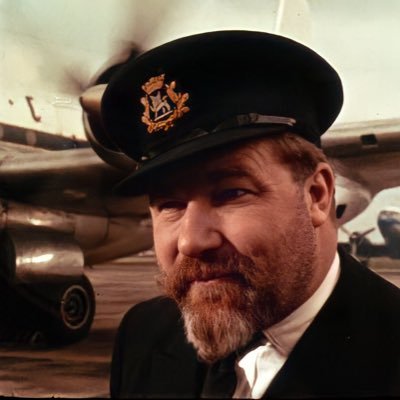
@clark_aviation It was too far away for most people unfortunately 🙁
English
Comet XK655 suffered a landing accident on Strathallan’s 914m/3000 ft grass(!} runway, 21 August 1974.
It was being ferried from RAF Wyton to the museum at Strathallan following retirement by 51 Sqn.
It was repaired and still became a static exhibit as intended (scrapped 1992)
Trev Clark's Obscure Aviation History 🚁@clark_aviation
A de Havilland Comet R2 of 51 Sqn RAF. This rare spy-plane variant of the Comet was built using the Ill-fated early 'square window' fuselage. Because of this, they could not be pressurised, requiring the crew to wear oxygen masks for most of their ops. R2s were retired in 1974.
English
@mechlandscape @RAF_Luton Err, are you sure that not a pic from the overhead arrestor wire experiments? Being above crew eyeline meant that Concorde didn't have to ungraciously droop her snoot on approach though it did require prompt retraction of the gear in the event of a go-around
English

@RAF_Luton Fun fact: Concorde is the tallest airplane in the world (71.75 ft tall) and is so high that the USB cables over the runway at RAF Luton have to be lifted with a forklift every time one lands or takes off👍

English

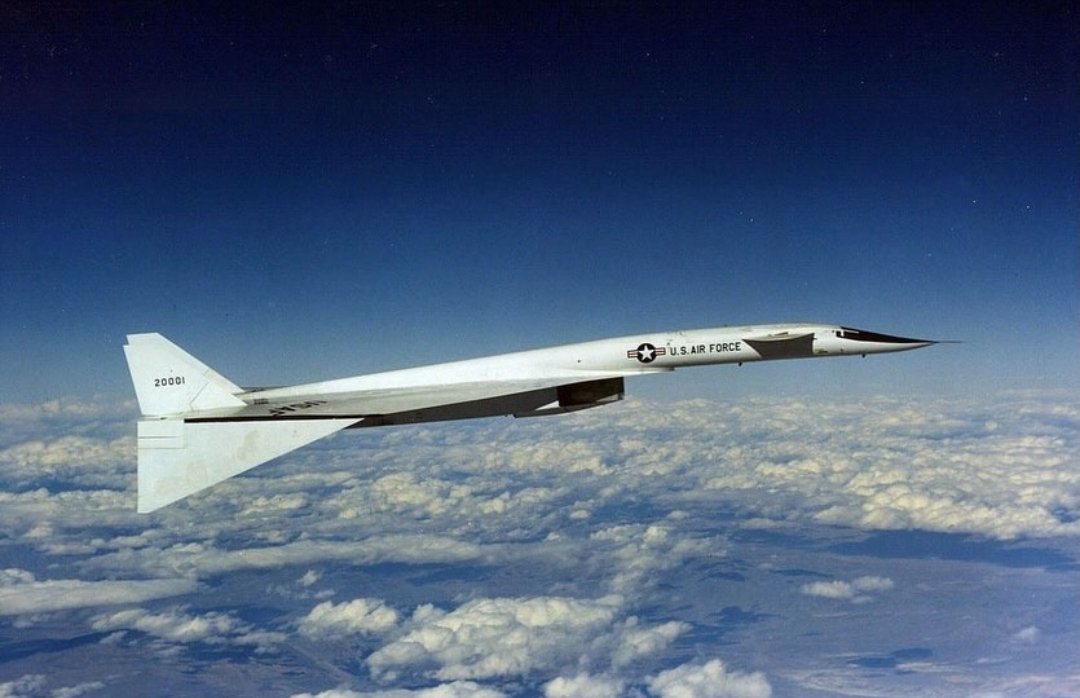

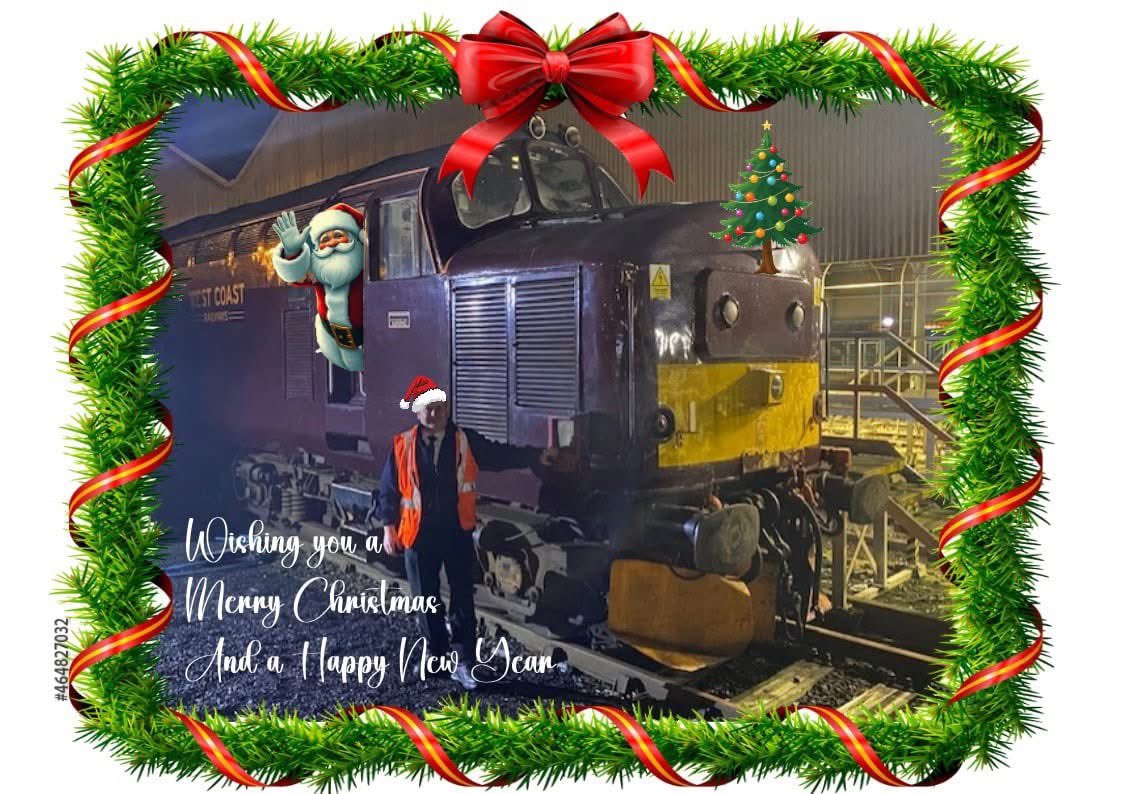
Merry Christmas 🎄 to all my followers.
Thank you for all your support and engagement with the tweets that I post.
Have a wonderful time during the festive period
English
@CalumRaasay Indeed, even more than just airfields and seaplane bases. Underground/overground (Wombling-free) tank farms, Chain Home radar sites, and even a Y-station.
English
@roytait There’s some very cool, vague remains of the Alness one too. Few concrete slips in the industrial estate where the seaplanes came ashore
English
Whenever we’re on the A9 near Evanston we always stop here for a walk. Quiet, lovely views of the Cromarty Firth- but it’s also an old WWII airfield! The former hangers are used for all sorts- the green hangers are a processing warehouse for British Wool iirc.


English