Richard Feldman retweetledi

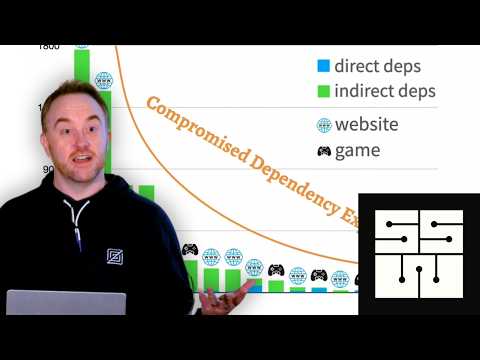
Very good talk by @rtfeldman! 100% agree with everything he says.
youtube.com/watch?v=E82ly3…
YouTube
English
Richard Feldman
2.5K posts


@rtfeldman
Let’s go with the ambitious approach.

Fork your dependencies, trim them to only your use case, never update unless it breaks for your users. I’ve been vocal about this for 10+ years. I’ve always said that updating is way riskier than latent bugs (which can be tracked and CVEs monitored). If you are updating a dependency, it’s on you to analyze every single commit in the full transitive set of dependencies. If you dont see anything compelling, dont update! I remember at HashiCorp once in awhile an engineer would try to update a dep or replace a DIY lib with an external one and id always ask “show me the commit we need.” Dont update for the sake of it. Feeling pretty swell about this mentality with all the supply chain attacks happening.




quick update on how this is going: they have gone back to linear because maintaining their internal tool that they vibecoded was taking away from their actual work’s bandwidth.








Sharing a successful agentic session and/or tool across a team / company is still an unsolved problem.

That's the spine. Fair hit. That's something to sit with. A real observation. That’s the whole thing. Sharpen that: say the word. Notice the arc of what just happened. One honest caveat: the full amount, stated plainly. Genuinely. Quietly. Honestly. That’s doing real work.

Bold teams tend to spot the shift early. @honeycombio helped redefine observability. When they needed to accelerate delivery, they turned to RWX: "Our CI system couldn't keep pace with AI-assisted development. RWX's content-based caching changed how we thought about CI." rwx.com/customers/hone…